
Container Gardens
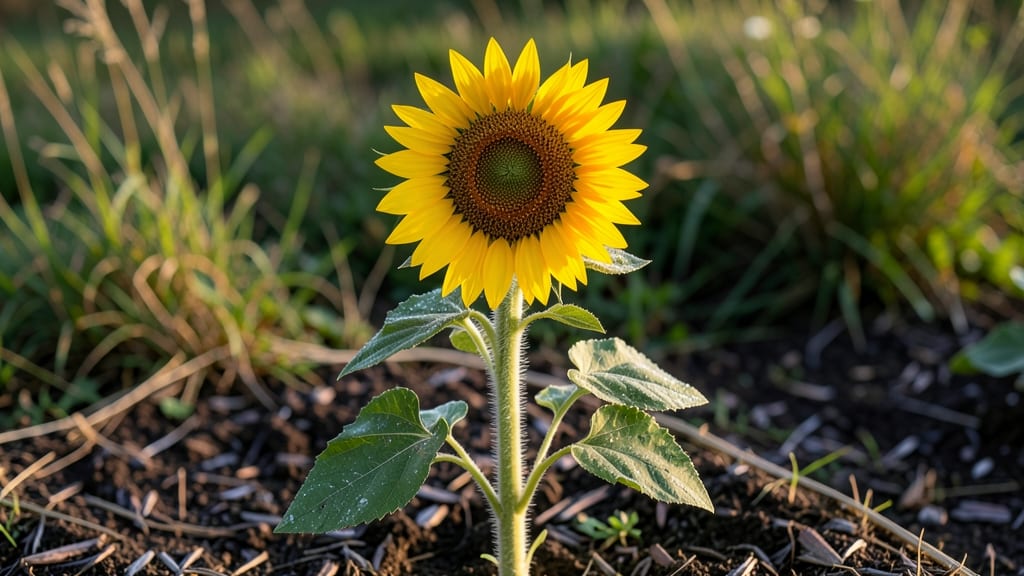
Growing Mexican sunflowers in containers turns your balcony into a fiery summer spectacle with almost no effort. 🌻 These towering beauties—with their deep orange blooms and velvety petals—thrive in pots, especially when you match their love for heat and space with the right setup.
My first container-grown Tithonia reached six feet tall by midsummer, and it kept blooming until frost without a single deadhead.
The secret starts with a 15-gallon or larger pot—these plants have deep roots and need room to stabilize. Use well-draining potting mix with a handful of compost mixed in, and place it where it gets full sun for at least six hours daily.
Water when the top inch of soil feels dry, but avoid soggy roots—Mexican sunflowers hate wet feet more than anything else. A sturdy stake or small tree branch helps support their top-heavy stems before they get too tall.
You’ll love how low-maintenance they are: feed them once a month with balanced fertilizer, and they’ll reward you with nonstop blooms from summer through fall. Even in winter, their dried seed heads add rustic texture to winter arrangements.
The only real challenge is keeping them from toppling over in windy spots—just tuck them against a wall or fence if needed.
Container-grown Mexican sunflowers adapt beautifully to patios, rooftops, or even large window boxes. They’re perfect for small spaces, urban gardens, or anyone who wants bold color without the commitment of in-ground planting. Ready to grow yours? Here’s how to get started without the guesswork.
📚 In This Guide
- What you need
- Instructions
- Tips and common mistakes
- Wrapping up and next steps
What you need
- ● Container: A 5-gallon or larger pot with drainage holes (minimum 12" diameter for one plant). Terracotta or fabric pots work best.
- ● Well-draining potting mix: A blend of 60% potting soil, 30% perlite or coarse sand, and 10% compost (avoid heavy garden soil).
- ● Mexican sunflower seeds or young plant: Choose organic, non-GMO seeds or a nursery-started plant (hardy in zones 9-11; treat as annual elsewhere).
- ● Drainage material: Pebbles, broken pottery, or landscape fabric (1-2 inches) to prevent root rot.
- ● Slow-release fertilizer: Balanced 10-10-10 or organic options like worm castings or fish emulsion.
- ● Watering can or hose with gentle nozzle: For deep, even hydration.
- ● Pruning shears or clean scissors: For minimal maintenance trimming.
- ● Container cache pot: For a polished look (ensure it doesn’t trap excess moisture).
- ● Mulch (e.g., shredded bark): To retain moisture and regulate soil temp.
- ● Support stake or trellis: If growing in cooler climates where stems may flop.
- ● Liquid fertilizer (e.g., seaweed extract): For a mid-season growth boost.
- ● Self-watering system: Like a wicking bed or drip irrigation for busy gardeners.
How to grow Mexican sunflowers in containers for year-long beauty
Here's the straightforward approach I've used to keep these vibrant blooms thriving in pots for seasons.
🪴 Step 1: Select the Right Container and Soil Mix
Choose a container at least 12 inches deep and wide—Mexican sunflowers need room for their strong taproots. I prefer terracotta pots because they breathe and prevent root rot, though any container with drainage holes works. The 5-gallon size is ideal for one plant, giving roots plenty of space without overwhelming the pot.
Fill the bottom third with fast-draining material like perlite or coarse sand. This prevents waterlogging, which these sunflowers despise. Then add a high-quality potting mix mixed with 20% compost for nutrients. The soil should feel light and airy—press it gently, but don't compact it. Mexican sunflowers thrive in well-draining soil that mimics their native prairie conditions.
🌱 Step 2: Plant Seeds or Transplants at the Right Depth
Sow seeds ½ inch deep or transplant young plants with 3-4 inches of stem below soil level—this ensures stability. If starting from seed, place 2-3 seeds per container (you'll thin later) and keep them 1 inch apart. The reason for thinning? Crowded sunflowers grow weak stems and fewer blooms. I like to wait until seedlings have 2-3 true leaves before removing the weaker ones.
Water gently after planting to settle the soil around roots. Don't drown the seeds—just enough to moisten the mix without creating puddles. Place the container in a spot with full sun (6+ hours daily) right away. These sunflowers grow fast, and they need light to develop sturdy stems from the start. If you're transplanting, water deeply to help roots adjust to their new home.
☀️ Step 3: Provide Consistent Sun and Water Deeply
Mexican sunflowers love bright, direct sunlight—place your container where it gets at least 6 hours of sun daily. South-facing windows or balconies work best. If you notice leaves turning pale or stems stretching (a sign of legginess), move the plant closer to the light source. A grow light can supplement if natural light is limited, but these plants prefer real sunlight.
Water deeply once a week during the growing season, letting the top 2-3 inches of soil dry out between waterings. Stick your finger in the soil—if it feels dry up to your first knuckle, it's time to water. Overwatering causes root rot, while underwatering leads to weak stems. In winter, reduce watering to every 10-14 days, as growth slows dramatically.
✂️ Step 4: Prune Strategically for Longer Blooms
Here's the thing—Mexican sunflowers bloom prolifically with minimal pruning, but a little effort extends their season. Deadhead spent blooms by snipping the stem just above the next set of leaves (not at the base). This encourages new flowers to form and prevents the plant from putting energy into seed production. I do this every 2-3 weeks during peak bloom, which usually runs from summer through fall.
In late fall, cut back the plant by ⅓ to tidy it up. Don't remove all the foliage—leave some leaves to protect the plant over winter. These sunflowers are surprisingly hardy and will often regrow in spring with just a little warmth. If you live in a cold climate, move the container to a protected spot (like a garage or shed) where temps stay above 20°F to prevent root damage.
🌿 Step 5: Fertilize Lightly for Continuous Color
Feed your Mexican sunflower once in early spring with a balanced, slow-release fertilizer (like 10-10-10). This gives the plant a gentle nutrient boost without encouraging excessive leaf growth at the expense of flowers. I skip fertilizing in summer—these sunflowers are light feeders and often bloom better when not overfed. Too much nitrogen leads to lush foliage but fewer blooms.
In late summer, if the plant looks tired, give it a light application of bloom-boosting fertilizer (like 5-10-5). This encourages one last flush of flowers before winter. Always water the soil before and after applying fertilizer to prevent root burn. And here's a pro tip: Mix a handful of compost into the soil in spring—it provides slow-release nutrients and improves soil structure over time.
Tips & tricks for perfect container-grown Mexican sunflowers
Here's what nobody tells you about keeping these sunflowers thriving in pots all year.
Container Selection: Terracotta pots are ideal because they wick away excess moisture, but avoid glazed containers—they trap water and cause root rot. If you must use plastic, add extra perlite to the mix to improve drainage. The 5-gallon size is perfect for one plant, but if you're growing multiple sunflowers, opt for wider, shallower containers (like half whiskey barrels) to prevent overcrowding.
Soil Preparation: The 20% compost ratio is crucial for nutrients, but don't overdo it—too much organic matter can compact and reduce drainage. I like to mix in a handful of coarse vermiculite for extra aeration. For the bottom third layer, use a 50/50 mix of perlite and coarse sand to create the perfect drainage gradient. This mimics the sunflower's native prairie conditions where water drains quickly.
Sunlight Strategy: Those 6 hours of daily sunlight are non-negotiable, but here's the thing: quality matters more than quantity. If your sunflowers start stretching (a sign of legginess), rotate the container every few days to ensure even light exposure. In winter, supplement with a grow light for 4-6 hours daily if natural light drops below 4 hours—this prevents the plant from going dormant prematurely.
Winter Care: The 20°F minimum temperature is critical for overwintering. If you're in a colder climate, move containers to an unheated garage or shed with indirect light. I've seen these sunflowers survive down to 15°F with protection, but they'll thank you for staying above 20°F. Group containers together to create a microclimate that retains warmth, and avoid placing them near drafty doors or windows.
Pro Tips for Mexican Sunflower In Container
- Here's what nobody tells you about keeping these sunflowers thriving in pots all year.
- Container Selection: Terracotta pots are ideal because they wick away excess moisture, but avoid glazed containers—they trap water and cause root rot.
- Soil Preparation: The 20% compost ratio is crucial for nutrients, but don't overdo it—too much organic matter can compact and reduce drainage.
Frequently asked questions
Got questions about growing Tithonia rotundifolia in containers? You’re not alone!
Here are answers to the most common queries—from sunlight needs to winter care—so you can keep your Mexican sunflower thriving with confidence.
How much sunlight does a Mexican sunflower in a container really need?
These sun-lovers thrive in full sun (6+ hours daily). While they tolerate partial shade, expect fewer blooms and leggy growth. If your space is shady, opt for a smaller container near a south-facing window or balcony. Pro tip: Rotate the pot weekly for even light exposure!
Can Mexican sunflowers grow in containers year-round, or do they need winter adjustments?
In USDA Zones 9-11, they’re perennial and may overwinter outdoors with mulch and wind protection. For colder climates (Zones 7-8), bring pots indoors near a bright window or grow them as annuals. Warning: They’re frost-sensitive—watch for wilting below 50°F!
How often should I water a potted Mexican sunflower, and what’s the best soil mix?
Water when the top 1–2 inches of soil are dry (usually 2–3 times weekly in summer). Use a well-draining mix (60% potting soil, 30% perlite, 10% compost) to prevent root rot. Troubleshooting: Yellow leaves? Overwatering! Brown edges? Too dry.
What’s the best container size for a Mexican sunflower, and do I need drainage holes?
Minimum size: 12–18 inches deep and wide
—deeper pots prevent root binding. Drainage holes are non-negotiable! Without them, roots rot in soggy soil. Upgrade to a fabric grow bag if your space lacks holes (just monitor moisture closely).
Are Mexican sunflowers prone to pests, and how do I keep them happy in containers?
Watch for aphids, spider mites, and whiteflies—spray with neem oil or insecticidal soap at the first sign. Prevent issues by:
- Pruning regularly to improve airflow
- Avoiding overhead watering (use drip irrigation)
- Using organic fertilizer (like fish emulsion) monthly
How do I prune a Mexican sunflower in a container to encourage more blooms?
Prune spent blooms and leggy stems to the nearest leaf node (use clean shears!). Light trimming (10–20% of the plant) in early spring and after each flush of flowers keeps them bushy. Pro move: Save cuttings in water—they often root!
Wrapping up and next steps
Growing a Mexican sunflower in a container is a rewarding way to bring bold, cheerful color to your space with minimal effort! Whether you're a seasoned gardener or just starting out, this hardy plant thrives in pots, offering year-round beauty with just a little care.
The key is choosing the right container, ensuring proper drainage, and giving it a spot with enough sunlight—then sit back and enjoy the show!
Ready to transform your balcony, patio, or windowsill? Start small—pick a sunny spot, grab a pot, and plant your seeds or seedlings today! With a little love, your Mexican sunflower will reward you with vibrant blooms that turn heads and brighten up any day. 🌻✨