
Flowers
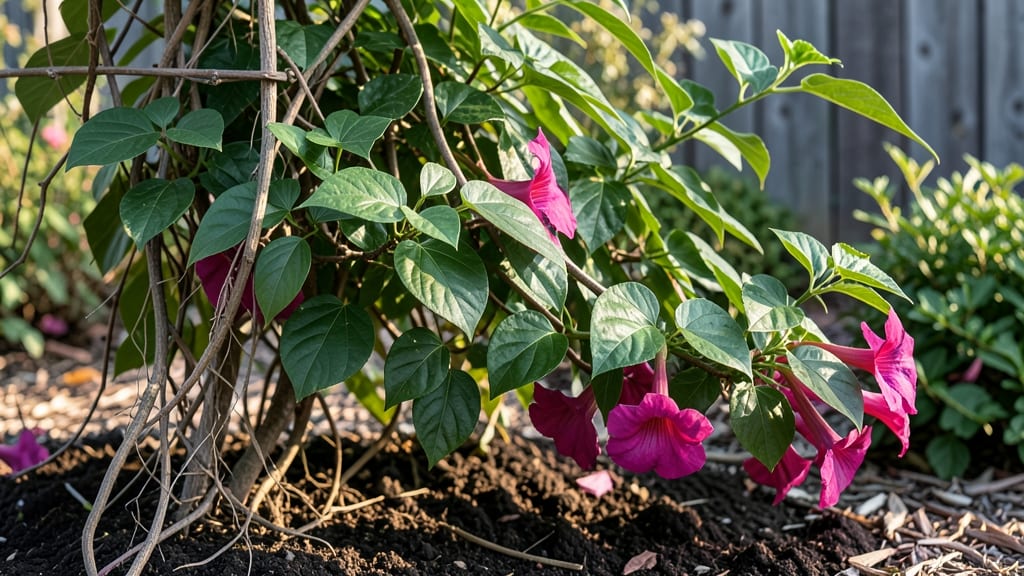
Growing purple trumpet flowers in your Pacific Northwest garden means bold, frost-resistant blooms that steal the show every summer. 🌿 I fell for these dramatic flowers after seeing them thriving in a neighbor’s yard through our damp, cool summers—they’re tougher than they look.
Their trumpet-shaped blossoms, deep purple with golden throats, attract hummingbirds like magnets while handling our region’s unpredictable weather better than many annuals.
The secret to their success starts with the right spot: partial shade to full sun works best, and they tolerate our acidic, well-draining soils without fuss. Plant them in spring after the last frost or early fall for established roots before winter.
Most gardeners swear by a light mulch to protect roots during our chilly nights, though they’ll bounce back even if you forget—just don’t let the soil stay soggy.
By midsummer, you’ll be rewarded with 3-foot-tall spikes of velvety blooms that last for weeks. Prune spent flowers to encourage more blooms, and watch them thrive in containers or garden beds alike. The best part? They’re non-toxic and deer-resistant, so even pets and wildlife can enjoy them safely.
Whether you’re a beginner or a seasoned gardener, these flowers bring low-maintenance drama to any space. Let’s get yours planted—your garden’s about to get a whole lot more interesting.
📚 In This Guide
- What you need
- Instructions
- Tips and common mistakes
- Wrapping up and next steps
What you need
- ● Purple trumpet flower plants: 1–3 mature vines (3–5 feet tall, bare-root or potted) from a reputable nursery (e.g., Proven Winners or local PNW growers).
- ● OR seeds (less common; requires stratification for germination).
- ● Planting site: Full sun (6+ hours daily) in well-draining soil (amend clay soil with compost).
- ● Space 8–12 feet apart (vines spread aggressively!).
- ● Digging tools: 1 shovel (for transplanting)
- ● 1 trowel (for root adjustments)
- ● Soil prep: 5–10 gallons of compost or aged manure
- ○ Optional: Bone meal (1 cup) for phosphorus boost (encourages root growth).
- ● Support structure: 1–2 trellises, arbors, or sturdy fences (8+ feet tall; vines climb vigorously!).
- ● Mulch: 3–4 inches of wood chips or straw (retains moisture, protects roots in PNW winters).
- ● Frost tolerance: Purple trumpet flowers thrive in USDA Zones 4–9—perfect for PNW’s mild winters!
- ● Watering plan: Deep watering 2–3 times per week (first year); drought-tolerant once established.
- ● Patience: Vines take 2–3 years to reach full bloom potential (but worth the wait!).
- ● Slow-release fertilizer (balanced 10-10-10, applied in early spring).
- ● Pruning shears (for shaping vines in late winter).
- ● Epsom salt (1 tbsp in water, sprayed on leaves for magnesium if foliage looks yellow).
- ● Bird netting (if hummingbirds are your garden’s VIPs—these flowers love them!).
Step-by-step instructions for cultivating purple trumpet flowers
Here's how I grow these hardy, frost-tolerant beauties—perfect for Pacific Northwest climates.
🌱 Step 1: Select the Right Location and Prepare the Soil
Purple trumpet flowers thrive in partial shade to full sun, but in hot afternoons, afternoon shade prevents scorching. Choose a spot with well-draining soil—they hate soggy roots. I always test soil moisture by squeezing a handful; if it forms a tight ball, amend with 2-3 inches of compost to improve drainage.
These plants tolerate a wide pH range, but 6.0-7.0 encourages the deepest purple blooms. If your soil is heavy clay, mix in 1 part perlite to 3 parts native soil before planting. The key is loose, airy soil that mimics their native woodland edges.
🪴 Step 2: Plant Bare-Root Tubers or Divide Established Clumps
For bare-root tubers, soak them in lukewarm water for 2 hours before planting to rehydrate. Dig holes 3 inches deep and 6 inches apart—crowding leads to weak stems and fewer blooms. Place each tuber with its bud side up (the flat side faces down).
If dividing established clumps, separate in early spring when shoots are 2-3 inches tall. Each division needs at least one healthy bud and a few roots. I always dip cut surfaces in cinnamon powder to prevent fungal infections. Water lightly after planting to settle the soil.
☀️ Step 3: Water Deeply and Mulch for Frost Protection
Water deeply once a week in spring and fall, but reduce to every 10-14 days in summer once established. The top 2 inches of soil should feel dry before watering—purple trumpets store moisture in their tubers, so overwatering causes rot.
Apply 3 inches of shredded bark mulch around plants in late fall to insulate tubers through winter. In Zone 7 and colder, add a 4-inch layer of straw on top of mulch for extra frost protection. Remove mulch in early spring once shoots emerge to prevent overheating.
✂️ Step 4: Deadhead and Fertilize for Continuous Blooms
Remove spent blooms weekly by pinching stems ½ inch above the next leaf node. This redirects energy to new flowers instead of seed production. I always use clean, sharp pruners to avoid tearing stems—ragged cuts invite disease.
Fertilize once in early spring with 5-10-10 at ½ strength to avoid burning roots. Too much nitrogen produces lush foliage but fewer flowers. Purple trumpets are light feeders, so compost tea applied monthly keeps them thriving without overstimulating growth.
Tips & tricks for perfect purple trumpet flower cultivation
Took me years to perfect these hardy blooms—here's what nobody tells you about growing them right.
Soil Preparation Secret: The 2-3 inches of compost I mentioned isn't just about drainage—it's about creating a sponge-like texture that holds moisture without suffocating roots. I've found that mixing in a handful of worm castings with that compost gives an extra boost of microbial activity, which helps break down nutrients faster for those hungry tubers.
Planting Depth Matters: Those 3-inch deep holes might seem shallow, but planting too deep can cause the tubers to rot. I learned this the hard way when my first batch of tubers disappeared underground—turns out they need that precise depth to develop properly. Press the soil gently around the tuber after planting to eliminate air pockets, which prevents future rot.
Watering Wisdom: The "top 2 inches should feel dry" rule is your best friend, but I've found that checking soil moisture in the morning gives the most accurate reading. Purple trumpets are drought-tolerant once established, but their tubers store water like little reservoirs—overwatering in summer can actually trigger rot. If your soil stays damp for more than 48 hours, cut back immediately.
Mulching Strategy: That 3-inch layer of shredded bark isn't just for winter protection—it also regulates soil temperature year-round. In summer, it keeps roots cool, while in winter, it creates an insulating blanket. Pro tip: Refresh the mulch every spring before new growth appears, as decomposed mulch can mat down and reduce drainage over time.
Pro Tips for Purple Trumpet Flower
- Took me years to perfect these hardy blooms—here's what nobody tells you about growing them right.
- Soil Preparation Secret: The 2-3 inches of compost I mentioned isn't just about drainage—it's about creating a sponge-like texture that holds moisture without suffocating roots.
- Planting Depth Matters: Those 3-inch deep holes might seem shallow, but planting too deep can cause the tubers to rot.
Frequently asked questions
Got questions about growing purple trumpet flowers? You’re not alone!
Here are some of the most common queries from gardeners in the Pacific Northwest and beyond—plus quick, practical answers to help you cultivate these stunning blooms with confidence.
How cold-hardy is the purple trumpet flower?
The purple trumpet flower (Campsis radicans) is highly frost-resistant, thriving in USDA zones 4–9. In the Pacific Northwest, it handles winter snaps down to 0°F (-18°C) once established. Young plants may need winter mulch, but mature vines bounce back like a champ!
When is the best time to plant purple trumpet flowers?
For optimal growth, plant in early spring (after the last frost) or fall (6–8 weeks before your first frost). This gives roots time to establish before extreme temperatures. In the PNW, aim for March–April or September–October for best results.
Can I grow purple trumpet flowers in containers?
Yes! While they’re vining powerhouses, large containers (15+ gallons) work well for small spaces. Use a well-draining mix with compost and ensure the pot has drainage holes. Expect faster growth in the ground, but container plants still reward you with vibrant blooms.
Are purple trumpet flowers toxic to pets or wildlife?
Great news: These flowers are non-toxic to dogs, cats, and wildlife! However, their trumpet-shaped blooms attract hummingbirds and bees—so keep an eye out for pollinator visitors. Just avoid over-fertilizing, which can harm local ecosystems.
Why aren’t my purple trumpet flowers blooming?
Common culprits include:
- Young age: Vines often take 2–3 years to bloom.
- Poor sunlight: They crave full sun (6+ hours/day).
- Over-pruning: Trim after blooming to encourage next year’s flowers.
- Nutrient deficiency: Feed with balanced fertilizer in spring.
Give them patience and proper care—your reward will be dramatic, trumpet-shaped blooms!
Wrapping up and next steps
The purple trumpet flower is a stunning, low-maintenance addition to Pacific Northwest gardens, thriving in cool climates and adding vibrant color with minimal effort. Whether you're a seasoned gardener or just starting, its frost-resistant nature and striking blooms make it a must-try for any outdoor space. 🌸
Ready to bring this beauty to your garden? Start by gathering your supplies—soil, pots, and a sunny spot—and dive in! With a little care, you’ll soon enjoy a garden bursting with these easy-to-grow wonders.