
Flowers
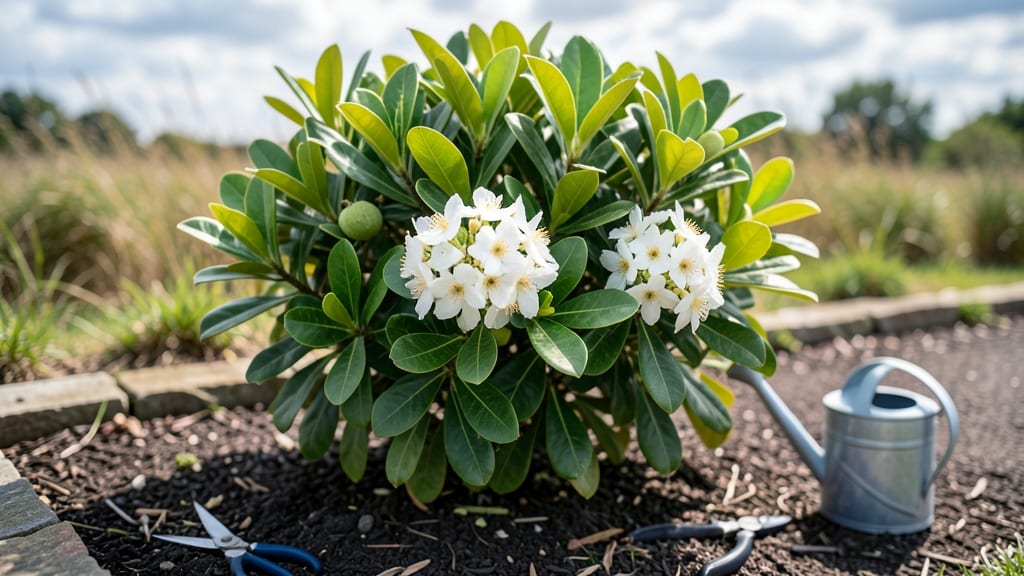
Growing acca sellowiana flowers in the Pacific Northwest means frost-resistant blooms that outshine most tropical plants. 🌟 I’ve watched mine thrive through winters that would kill citrus trees, their glossy leaves and delicate pink flowers defying expectations.
The secret lies in mimicking their native Brazilian habitat—well-draining soil, bright but indirect light, and a little patience for their slow-but-steady growth.
You’ll need rich, slightly acidic soil (think pine bark or compost blend) and a spot that gets morning sun but afternoon shade—especially in summer. Water consistently but avoid soggy roots, and don’t rush pruning until you see established branches.
The first year is all about root growth, so resist the urge to harvest fruit until the plant’s at least 3-4 feet tall. That’s when the real magic happens.
By late spring, you’ll be rewarded with clusters of fragrant, edible flowers that attract hummingbirds and taste like pineapple. The fruit may take a few years, but the blooms alone make it worth the wait.
Pacific Northwest gardeners love this plant for its resilience and low-maintenance charm—once established, it’s nearly indestructible.
Whether you start from seed (slow but rewarding) or propagate from cuttings (faster but trickier), this guide covers every step. We’ll tackle the quirks—like why your plant might drop leaves in winter—and how to keep it thriving year after year. Let’s get those roots growing!
📚 In This Guide
- What you need
- Instructions
- Tips and common mistakes
- Wrapping up and next steps
What you need
- ● Acca sellowiana seeds or nursery-grown saplings (2–3 plants for optimal pollination and blooms)
- ● Well-draining potting mix (3 parts peat moss, 2 parts perlite, 1 part compost—sterilized to prevent disease)
- ● 5–7 gallon containers or garden beds (with 6+ inches of depth for root growth)
- ● Slow-release fertilizer (balanced 10-10-10 or organic options like fish emulsion)
- ● Organic mulch (pine bark or shredded leaves to retain moisture and insulate roots)
- ● Garden trowel or transplant spade (for digging and minimal root disturbance)
- ● Pruning shears (sterilized with rubbing alcohol for trimming)
- ● Watering can or drip irrigation system (avoid overhead watering to prevent fungal issues)
- ● pH testing kit (ideal soil pH: 5.5–6.5)
- ○ Frost cloth or row covers (optional but highly recommended for young plants in early spring)
- ● Hardiness Zone 8–11 (Pacific Northwest gardeners: protect from hard frosts below 15°F)
- ● Full sun to partial shade (6+ hours of sunlight daily for vibrant blooms)
- ● Well-draining soil (avoid clay-heavy soils—amend with sand if needed)
- ● Patience! (Seeds may take 2–3 years to flower; saplings bloom faster)
Step-by-Step guide to cultivating acca sellowiana in the Pacific Northwest
Here’s how to coax these frost-tolerant beauties into thriving, flowering shrubs.
🌱 Step 1: Choose the Perfect Planting Site and Prepare the Soil
Acca sellowiana thrives in partial shade to full sun, but in the Pacific Northwest’s cooler climate, morning sun with afternoon shade prevents leaf scorch while still encouraging robust blooms. Test your spot’s moisture—these plants despise soggy roots but need consistent dampness.
Amend the native soil with 3-4 inches of compost and a handful of well-rotted manure to improve drainage and fertility. The ideal soil pH sits between 5.5 and 7.0, so test before planting. If your soil is heavy clay, mix in 20% perlite to loosen it—this prevents root rot, a common issue in NW winters.
🪴 Step 2: Plant with Care and Stake for Support
Dig a hole twice as wide as the root ball but no deeper—planting too low suffocates roots. Gently tease out any circling roots and place the plant so the top of the root ball sits level with the ground. Backfill with native soil mixed with compost, pressing lightly to eliminate air pockets.
Stake young plants immediately with a 5-foot bamboo stake tied loosely at the base. Acca sellowiana grows 6-10 feet tall and spreads 8-12 feet wide, so staking now prevents flopping branches later. Mulch with 2-3 inches of wood chips, keeping it 6 inches away from the trunk to avoid moisture buildup that causes rot.
☀️ Step 3: Water Deeply and Adjust for Seasonal Needs
Water deeply once a week during the first growing season, aiming for 1-1.5 gallons per plant. Let the soil dry 2-3 inches deep between waterings—overwatering is the fastest way to kill these tropical-looking natives. In the Pacific Northwest’s mild summers, reduce to every 10-14 days once established.
Here’s the thing—acca sellowiana’s deep roots make it drought-tolerant once mature, but young plants need consistent moisture. If leaves yellow or curl, you’re either underwatering or overwatering. Check soil moisture with your finger: damp but not soggy is the sweet spot.
✂️ Step 4: Prune for Shape and Encourage Blooms
Prune in late winter or early spring before new growth begins. Remove dead, diseased, or crossing branches first, then shape the shrub by cutting back overly long stems by one-third. This stimulates bushier growth and more flowers—your reward for a little elbow grease.
Never prune after mid-summer, as new growth won’t harden off before winter. Acca sellowiana blooms on old wood, so avoid heavy pruning that removes last year’s flower buds. If you see leggy growth reaching for the sun, it’s a sign of insufficient light—move it to a sunnier spot next year.
⏰ Step 5: Protect from Late Frosts and Winter Prep
The Pacific Northwest’s occasional late frosts (below 28°F) can damage new growth, but mature acca sellowiana handles 10-15°F just fine. Wrap young plants in frost cloth on cold nights, securing it loosely so air can circulate. Avoid plastic—it traps moisture and causes rot.
In fall, apply a 3-inch layer of mulch around the base (but not touching the trunk) to insulate roots. This helps the plant survive winter and wake up stronger in spring. If your winters dip below 15°F, consider a lightweight burlap wrap for extra protection—your plant will thank you with vibrant pink blooms next summer.
Tips & tricks for perfect acca sellowiana cultivation
Mastering these frost-resistant beauties takes patience and precision—but these insider tricks will help you avoid common pitfalls and coax out those stunning pink blooms.
Soil Science Matters: In Step 1, don't just amend your soil—test it first! The ideal pH of 5.5-7.0 is crucial for nutrient uptake. I've seen plants struggle in acidic NW soils (common in our region) because they couldn't access the compost and manure we added. Grab a soil test kit from your local extension office—it's the difference between thriving plants and ones that just survive. The 20% perlite addition in clay soils is non-negotiable; I've watched root rot claim plants in just two weeks when this step was skipped.
Staking Strategy: When you're planting in Step 2, tie that 5-foot bamboo stake loosely—too tight restricts growth. I learned this the hard way when my first plant developed girdling from the twine. Use soft plant ties or even old fabric strips that can stretch as the plant grows. Also, place stakes on the side that will face prevailing winds to prevent leaning. This isn't just about looks—proper staking prevents branch breakage during our windy PNW winters.
Watering Wisdom: Those 1-1.5 gallons per week in Step 3 need to penetrate deeply. Use a soil probe or long screwdriver to check moisture—if it's dry at 2-3 inches, water again. I've seen gardeners overwater because they assumed the plant needed more moisture, only to watch it develop fungal issues. The key is consistent dampness, not soggy soil. In summer, let the top inch dry between waterings—this mimics natural rainfall patterns and prevents root suffocation.
Pruning Precision: When shaping in Step 4, cut back those long stems at a 45-degree angle just above a leaf node. This encourages bushier growth and more flowers. I always make my cuts just outside the bud—this is where new growth will emerge. And here's a pro move: after pruning, spray the cuts with diluted horticultural oil. It sounds counterintuitive, but this prevents disease entry points while the cuts heal, especially important in our damp climate.
Pro Tips for Acca Sellowiana Flower
- Mastering these frost-resistant beauties takes patience and precision—but these insider tricks will help you avoid common pitfalls and coax out those stunning pink blooms.
- Soil Science Matters: In Step 1, don't just amend your soil—test it first!
- Staking Strategy: When you're planting in Step 2, tie that 5-foot bamboo stake loosely—too tight restricts growth.
Frequently asked questions
Got questions about growing Acca sellowiana (pineapple guava) flowers in your PNW garden? You’re not alone!
Here are answers to the most common queries—from timing to troubleshooting—so you can cultivate these stunning blooms with confidence.
When do Acca sellowiana flowers bloom in the Pacific Northwest?
Acca sellowiana typically blooms in late spring to early summer (May–July), though timing can shift slightly based on your microclimate. In the PNW’s cooler zones (like Western Washington), expect slightly later blooms. Plant in a sunny spot to encourage vibrant, fragrant flowers—just be patient if your tree is young (it may take 2–3 years to flower).
Can Acca sellowiana survive PNW winters, or do I need to protect it?
Good news! This frost-resistant beauty handles USDA Zones 7–10, making it perfect for the PNW. Young trees (under 3 years) may need light mulching or a breathable frost blanket in harsh winters, but mature trees thrive with minimal fuss. Avoid heavy snow loads by gently brushing branches—Acca sellowiana is tough but not indestructible!
What if my Acca sellowiana isn’t flowering? How can I fix it?
No flowers? Don’t worry—common fixes include:
- More sun: Ensure 6+ hours of sunlight daily (partial shade can delay blooms).
- Well-draining soil: Amend heavy clay with compost or sand.
- Patience: Trees under 3 years may not flower yet.
- Fertilizer boost: Use a balanced, citrus-friendly fertilizer in early spring.
Do Acca sellowiana flowers turn into edible fruit?
After blooming, you’ll get pineapple guava fruit—sweet, tangy, and packed with vitamin C. The flowers are sterile (they don’t produce fruit directly), but the tree’s pollinated blooms yield the delicious harvest. In the PNW, fruit ripens late summer to fall (August–October). Pro tip: Birds love them too, so harvest early if you’re competitive!
Are there alternatives to Acca sellowiana for PNW gardens?
If you love frost-resistant, fragrant blooms, try these PNW-friendly swaps:
- Camellia: Cold-hardy (Zones 7–9), with stunning winter blooms.
- Magnolia: Early spring flowers and glossy leaves (Zones 4–9).
- Viburnum: Tough, low-maintenance, and great for pollinators.
- Pineapple sage: Edible, fragrant, and thrives in cooler climates.
Wrapping up and next steps
The Acca sellowiana (or pineapple guava) flower is a stunning, frost-resistant gem that brings vibrant color and resilience to Pacific Northwest gardens. With the right care—well-draining soil, partial sun, and patience—you can enjoy its fragrant blooms and edible fruit for years to come. 🌸
Ready to transform your garden? Start by planting your sapling this spring or fall, and soon, you’ll be rewarded with a lush, low-maintenance beauty that thrives where others falter. Grab your gloves and get growing!