
Flowers
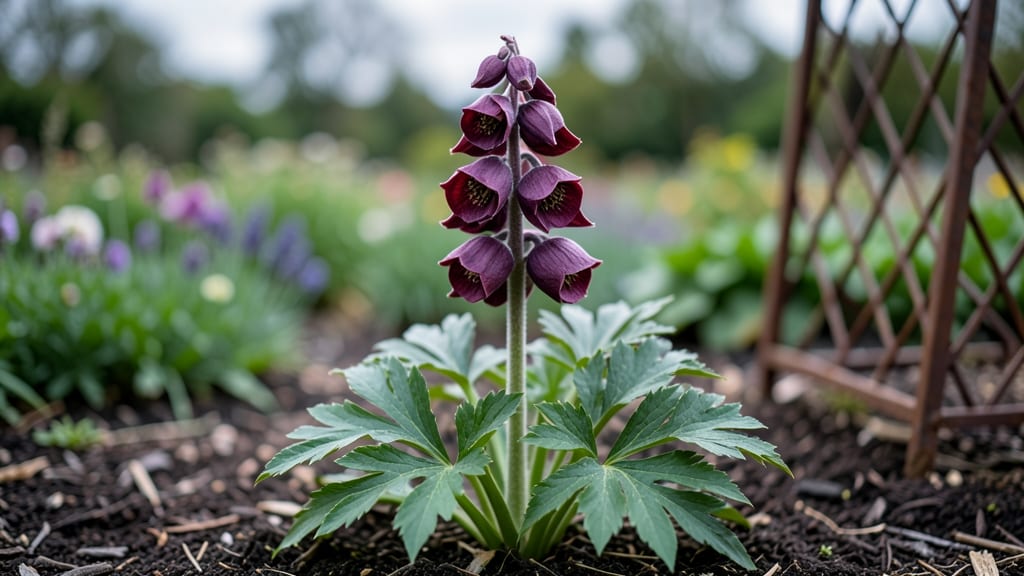
That striking red wolfsbane flower, with its bold velvety blooms, turns shady corners into dramatic focal points—especially when you embrace its cold-hardy resilience. I first grew these striking blue-purple flowers in my Pacific Northwest garden after struggling with finicky annuals that never survived our damp winters.
These plants thrive where most perennials falter, pushing through snowmelt to deliver 6-foot-tall spikes of intricate blossoms that hummingbirds adore.
They demand rich, well-draining soil with plenty of organic matter—think amended garden beds or large containers with a mix of compost and perlite. Morning sun and afternoon shade suit them best, though they tolerate full shade in hotter climates.
Start seeds indoors 8-10 weeks before your last frost, or plant nursery starts in early spring when soil reaches 50°F. The key to success? Patience—the first year focuses on root establishment, with dramatic blooms appearing in year two.
What you'll love most is how these plants multiply effortlessly through self-seeding and division, creating natural drifts over time. Just be mindful of their toxicity—all parts contain alkaloids harmful if ingested, so wear gloves when handling.
Deadhead spent blooms to encourage more flowers, but leave seed heads for winter interest (and next year's surprises). The trade-off? A garden that feels both wild and meticulously designed.
Perfect for woodland gardens, cottage-style borders, or even container displays on patios. Once established, they outperform most shade plants with minimal care—just watch for slugs on young leaves and avoid overwatering. Let's get those striking spikes growing in your garden!
📚 In This Guide
- What you need
- Instructions
- Tips and common mistakes
- Wrapping up and next steps
What you need
- ● Red wolfsbane seeds (or young plants, if available): 10–20 seeds (packets typically contain 50+). Opt for organic, non-GMO seeds for best results.
- ● Well-draining soil mix: 50% native loam, 30% perlite/pumice, 20% compost. Wolfsbane thrives in slightly acidic to neutral pH (6.0–7.0).
- ● Growing containers or garden beds: For containers: 5–7 gallon pots with drainage holes (wolfsbane has deep taproots).
- ● For in-ground planting: Full sun to partial shade (6+ hours of sunlight daily).
- ● Slow-release fertilizer: Balanced 10-10-10 or organic options like fish emulsion. Apply sparingly—wolfsbane is sensitive to over-fertilization.
- ● Mulch: 2–3 inches of wood chips or straw to retain moisture and regulate soil temp.
- ● Watering can or drip irrigation system: Wolfsbane prefers consistent moisture but hates soggy roots.
- ● Hand trowel or transplanting spade (for seedling transfer).
- ● Pruning shears (to shape plants and remove dead blooms).
- ● Garden gloves (wolfsbane leaves can be mildly irritating to sensitive skin).
- ○ Cold frame or greenhouse (optional, for early starts in cooler climates).
- ● Pollinator-friendly companions: Plant bee balm, lavender, or yarrow nearby to attract beneficial insects.
How to cultivate hardy red wolfsbane in Pacific Northwest gardens
This rugged alpine beauty thrives where others falter—here's how to coax its striking blooms from seed to maturity.
Select the Ideal Planting Site and Prepare Soil
Red wolfsbane (Aconitum napellus) demands cool, moist conditions with partial shade—think dappled sunlight under deciduous trees or along north-facing slopes. In the Pacific Northwest's damp climate, avoid heavy clay soils; amending with 2-3 inches of compost improves drainage while retaining moisture. The plant's deep roots need loose soil to establish properly.
Test your site's moisture retention by digging a 6-inch deep hole—if water pools after 30 minutes, the area is too wet. Wolfsbane tolerates brief flooding but rots in soggy conditions. I always plant mine along a slight slope to prevent water pooling around the crown. Mulch heavily with 3-4 inches of leaf litter or wood chips to protect roots from winter heaving and summer drying.
Plant Seeds or Divide Established Roots at the Right Time
Sow seeds in early fall (September-October) for natural stratification—they need 40-60 days of cold moisture to break dormancy. Scatter seeds ¼ inch deep in well-prepared beds, spacing them 12-18 inches apart to allow mature plants room to spread. For established plants, divide clumps in early spring before new growth emerges, ensuring each section has 3-5 healthy roots.
Here's the thing—wolfsbane seeds are slow to germinate, often taking 2-3 weeks in ideal conditions. Keep the soil consistently moist but never waterlogged during this period. I cover newly sown areas with fine mesh hardware cloth to deter squirrels, which find the seeds irresistible. Once seedlings reach 2 inches tall, thin them to the strongest specimens, leaving 6 inches between plants.
Provide Consistent Moisture and Fertility Without Overfeeding
Wolfsbane's deep roots demand 1-1.5 inches of water weekly during the growing season, delivered at soil level to prevent foliar diseases. The plant's preference for cool, damp conditions means you'll rarely need to water in the Pacific Northwest's rainy climate—except during prolonged dry spells. You'll know moisture is right when the top 1-2 inches of soil feel damp but not saturated.
Fertilize lightly in early spring with a 5-10-10 balanced formula applied at half strength. Wolfsbane is not a heavy feeder, and too much nitrogen produces lush foliage at the expense of blooms. I've found that a 2-inch layer of compost worked into the soil annually provides sufficient nutrients without risk of overfeeding. The plant's striking purple-blue flowers appear in mid-to-late summer, signaling successful cultivation.
Protect and Maintain for Long-Term Vigorous Growth
The plant's toxicity to deer and rabbits makes it a low-maintenance choice, but slugs may still target young seedlings. I've had success with diatomaceous earth barriers around newly planted areas. Once established, wolfsbane spreads slowly via rhizomes, so division every 3-4 years prevents overcrowding and maintains vigor.
Deadhead spent blooms in late summer to encourage a second flush of flowers, though the first display is always the most dramatic. In winter, the plant's basal leaves die back naturally, but the robust roots remain dormant until spring. I've grown wolfsbane successfully through 10°F nights with no protection, though a 4-inch mulch layer improves winter survival in exposed sites.
Harvest and Propagate for Future Gardens
Collect seeds in late summer when seed pods turn brown and brittle. Allow them to dry completely before storing in a cool, dark place for up to 2 years. For propagation, divide mature clumps in early spring or early fall, ensuring each section has at least one growing point. The plant's striking foliage and flowers make it a valuable addition to cottage gardens, shade borders, or woodland settings.
Real talk: Wolfsbane's slow growth means patience is key, but the payoff is worth it. Once established, these hardy perennials will reward you with 3-4 feet of striking foliage and dramatic blooms for decades with minimal care. The Pacific Northwest's cool, moist climate is perfect for this alpine native—just give it space, moisture, and a little shade.
Tips & tricks for perfect red wolfsbane cultivation
These proven strategies will help you coax the most vibrant blooms from your Pacific Northwest garden's toughest beauty.
Site Selection Intelligence: When evaluating potential planting spots, prioritize locations with morning sun and afternoon shade—this mimics the plant's natural alpine habitat. I've found that areas near evergreen trees or on the north side of structures create ideal microclimates. The 30-minute water retention test is crucial: if water lingers beyond this window, the site is too wet for healthy root development. Consider adding a slight berm or raised bed if your soil drains too slowly.
Stratification Strategy: The 40-60 days of cold moisture required for seed stratification can be tricky in milder Pacific Northwest winters. If your fall weather doesn't provide consistent cold, you can simulate this by placing seeds in a sealed container with slightly damp sand in your refrigerator for 6-8 weeks before planting. This ensures reliable germination without waiting for unpredictable natural conditions.
Moisture Management Mastery: Wolfsbane's deep roots create a paradox—it needs consistent moisture but hates soggy conditions. I've developed a simple trick: water deeply once a week rather than frequent shallow waterings. This encourages roots to grow downward where moisture persists, rather than staying shallow where they might rot. The 1-1.5 inch weekly measurement is your guide—think of it as a slow, steady drink rather than a quick splash.
Winter Protection Wisdom: While wolfsbane survives 10°F nights without protection, I've learned that adding a 4-inch layer of leaf mulch in exposed areas makes all the difference. This simple layer acts like a blanket, moderating temperature swings that can stress the plant. For container-grown specimens, move them to a sheltered location or wrap pots in bubble wrap during our coldest winter months—this extra care pays off with more robust spring growth.
Pro Tips for Red Wolfsbane Flower
- These proven strategies will help you coax the most vibrant blooms from your Pacific Northwest garden's toughest beauty.
- Site Selection Intelligence: When evaluating potential planting spots, prioritize locations with morning sun and afternoon shade—this mimics the plant's natural alpine habitat.
- Stratification Strategy: The 40-60 days of cold moisture required for seed stratification can be tricky in milder Pacific Northwest winters.
Frequently asked questions
Is red wolfsbane easy to grow for beginners?
Red wolfsbane (Aconitum columbianum) is a moderately easy perennial for beginners, but it thrives best in cool, moist climates like the PNW. It prefers partial shade and well-draining soil—key to preventing root rot. With patience (it can take 2–3 years to bloom), it rewards gardeners with striking purple-blue flowers. Tip: Start with nursery-grown plants to avoid seed-starting challenges.
How long does it take for red wolfsbane to flower?
Most red wolfsbane plants take 2–3 years to produce their first blooms from seed, while nursery-grown plants may flower in their first or second year. Patience is key! Ensure consistent moisture and rich, organic soil to encourage faster growth. Once established, they’ll reliably bloom in late summer to early fall.
Are red wolfsbane flowers toxic to pets or humans?
Yes, all parts of red wolfsbane are highly toxic
due to alkaloids like aconitine. Ingestion can cause severe symptoms (e.g., vomiting, weakness, or cardiac issues) in pets and humans. Keep it out of reach of children and animals. Wear gloves when handling, and avoid planting near veggie gardens or high-traffic areas.
Can I grow red wolfsbane in containers?
While possible, red wolfsbane prefers ground planting due to its deep root system and sprawling habit. If you must use containers, choose a large pot (18"+ diameter) with excellent drainage and a moisture-retentive mix. Expect slower growth and fewer blooms compared to in-ground plants. Pro tip: Add a slow-release fertilizer in spring for container-grown specimens.
Why aren’t my red wolfsbane leaves looking healthy?
Common issues include:
- Yellowing leaves: Often from overwatering or poor drainage. Let soil dry slightly between waterings.
- Brown edges: Could signal underwatering or low humidity. Mulch heavily and water deeply.
- Pests (slugs/snails):strong> These love wolfsbane! Use beer traps or copper barriers.
Ensure 6+ hours of shade in hot climates—too much sun scorches leaves.
Wrapping up and next steps
The red wolfsbane flower is a stunning, frost-resistant gem for Pacific Northwest gardeners, offering vibrant blooms and resilience that make it a standout choice. With the right location, soil prep, and care, you can cultivate this striking perennial with confidence—whether you're a seasoned gardener or just starting out. 🌸
Ready to bring its bold beauty to your garden? Start by selecting healthy plants or seeds and mark your calendar for early spring planting. Watch as your efforts bloom into a breathtaking centerpiece that thrives even in chilly climates!