
Companion Plants
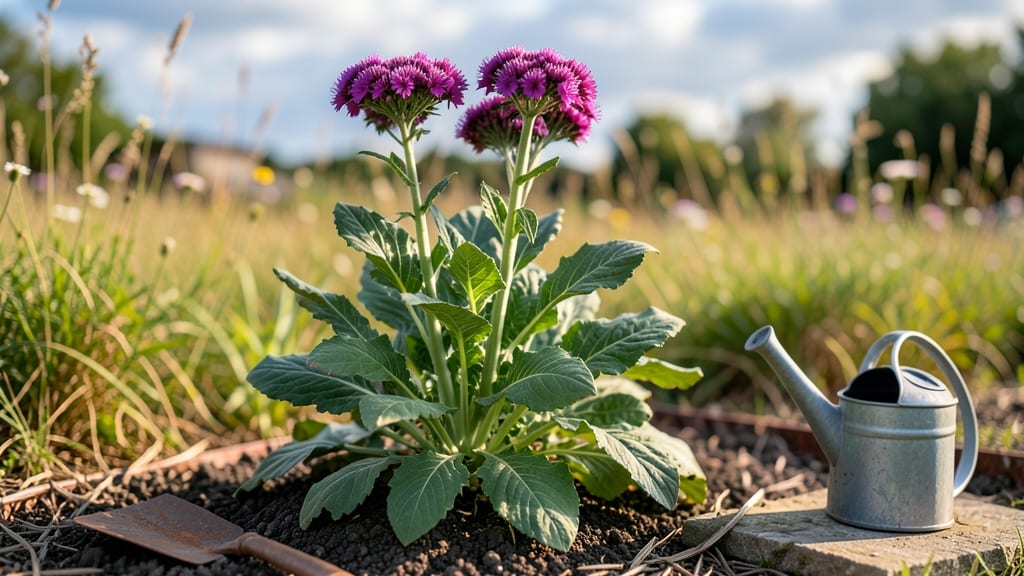
The mustard plant with purple flowers is the Pacific Northwest gardener’s secret weapon for year-round color—bold, cold-hardy, and impossible to overlook. 🌿 I planted mine last October, and by February, the deep magenta blooms were already catching sunlight through the rain.
This isn’t your average mustard; it’s a showstopper that thrives when most annuals give up.
You’ll need full sun to partial shade and well-draining soil—sandy loam works best, but it tolerates heavier soils if amended with compost. Water consistently but avoid soggy roots; these plants handle drought better than most.
The real magic happens when you let them self-seed—they’ll pop up reliably year after year, proving they’re as tough as they are beautiful.
By mid-summer, you’ll have stems tall enough for cutting, their purple blooms lasting weeks in vases. Snip them back after flowering to encourage more blooms, and watch as your garden becomes a magnet for pollinators. The leaves are edible too, though they’re more ornamental than culinary.
Perfect for borders, cottage gardens, or even container plantings—just don’t let them go to seed if you want to control where they pop up next. Let’s get yours growing strong for your PNW garden!
📚 In This Guide
- What you need
- Instructions
- Tips and common mistakes
- Wrapping up and next steps
What you need
- ● Seeds: 1 packet of Hesperis matronalis (Dame’s Rocket) or Brassica juncea purple-flowered varieties (50–100 seeds, depending on desired coverage).
- ● Well-draining soil: 1–2 bags of compost-enriched garden soil (or potting mix for containers). Aim for a pH of 6.0–7.5.
- ● Sunlight: A full-sun to partial-shade spot (6+ hours of sunlight daily for best blooms).
- ● Water: Access to a hose or watering can (keep soil consistently moist but not soggy).
- ○ Fertilizer (optional but helpful): 1 cup of balanced 10-10-10 fertilizer (or organic options like fish emulsion).
- ● OR 1–2 handfuls of compost mixed into planting soil.
- ● Gardening gloves (to protect hands from soil and thorns on some varieties).
- ● Trowel or small shovel (for planting seeds or seedlings).
- ○ Containers (optional): 1–2 5–6 inch pots with drainage holes (if starting indoors).
- ○ Mulch (optional): Straw or wood chips to retain moisture and suppress weeds.
- ○ Pruners (optional): For trimming spent blooms and encouraging bushier growth.
- ● Cold-hardy zone check: Ensure your PNW location is in Zones 3–9 (most varieties thrive here!).
Step-by-step guide to growing purple-flowering mustard in your PNW garden
Here's how to cultivate this striking, cold-tolerant annual for bold cut flowers.
🌱 Step 1: Choose the Right Variety and Planting Time
For Pacific Northwest gardens, select a biennial mustard variety like Brassica juncea 'Purple Waves' or Hesperis matronalis 'Pink and Purple'. These thrive in cool climates and produce vibrant purple blooms. Start seeds indoors 6-8 weeks before your last frost date—typically mid-March for most PNW regions.
I've found that sowing too early leads to leggy seedlings, so don't rush. Wait until you can provide 12-14 hours of light daily with a grow light if natural light is insufficient. The key is patience—wait until soil temperatures reach 45-50°F before transplanting outdoors, as cold soil slows germination.
☀️ Step 2: Prepare the Soil and Plant with Proper Spacing
Mustard plants prefer well-draining soil with a pH of 6.0-7.0. Amend heavy clay soil with 2-3 inches of compost (from your materials list) to improve drainage. Work the compost into the top 6 inches of soil—this ensures roots establish quickly in cooler PNW springs.
Sow seeds ¼ inch deep and 12 inches apart in rows 18 inches apart. Thin seedlings to 12 inches apart once they develop 2-3 true leaves. Here's the thing—mustard plants grow fast, so don't crowd them. Overcrowding leads to weak stems that flop under rain or wind, which is common in the PNW.
💧 Step 3: Water and Fertilize for Strong Growth
Water deeply once a week after planting, providing 1 inch of water per week. Mustard plants are drought-tolerant once established, but consistent moisture during germination and early growth prevents bolting (premature flowering). Water at the base to avoid wetting leaves, which reduces disease risk in damp PNW climates.
Apply a balanced, water-soluble fertilizer (10-10-10) at half strength when seedlings are 4-6 inches tall. I like to fertilize again when buds form—this encourages robust blooms. Stop fertilizing once flowers appear, as excess nitrogen promotes leafy growth at the expense of blooms. Watch for yellowing leaves, which signal over-fertilization.
✂️ Step 4: Deadhead and Harvest for Long-Lasting Cut Flowers
Begin deadheading when 20-30% of flowers open—this extends the blooming period by encouraging new flower production. Snip spent blooms with clean shears just above the next set of leaves. Harvest stems in the early morning when moisture levels are highest for longest vase life.
Cut stems at a 45-degree angle and place immediately in lukewarm water to prevent air bubbles from blocking the stem's vascular system. Mustard flowers last 7-10 days in arrangements, but their vibrant purple hue fades quickly in direct sunlight—keep bouquets out of harsh afternoon light.
🌿 Step 5: Overwinter and Plan for Next Season
In the PNW's mild winters, mustard plants may reseed naturally. Allow some plants to go to seed to ensure next year's crop. Collect seeds from dried seed pods and store in a cool, dry place until spring planting. I've successfully grown mustard for three consecutive years using this method.
Before the first hard frost, cut back stems to 2 inches above ground level and add a 2-inch layer of mulch (from your materials list) to protect roots. This simple step prevents soil heaving in freezing temperatures—a common issue with biennials in colder regions. Mark your planting location to avoid disturbing roots during winter cleanup.
Tips & tricks for perfect purple-flowering mustard in the PNW
These practical tips will help you grow stunning purple mustard blooms that thrive in our region's unique climate.
Lighting Strategy: For those 12-14 hours of light during indoor seed starting, position seedlings near a south-facing window or use a grow light on a timer. I've found that supplementing with a simple LED grow bulb for 14 hours daily prevents leggy seedlings—just keep it 6 inches above the plants. The right light spectrum is key for strong, compact growth before transplanting.
Soil Prep Secret: Before amending with 2-3 inches of compost, mix in a handful of perlite or coarse sand to improve drainage—especially important for PNW's heavy clay soils. I like to create raised beds if my garden has poor drainage, which prevents root rot and encourages faster establishment. The goal is soil that crumbles easily when squeezed.
Watering Wisdom: That 1 inch of water weekly should be applied slowly at the base to avoid wetting leaves, which helps prevent fungal diseases in our damp climate. I've noticed that watering in the early morning gives foliage time to dry before evening dew forms, reducing disease pressure significantly. Use a rain gauge to track your watering accurately.
Deadheading Technique: When you begin deadheading at 20-30% bloom, use clean shears and cut just above a set of leaves with at least 3-4 nodes. This encourages new growth while maintaining plant vigor. I've found that deadheading every 3-4 days during peak bloom extends the flowering period by nearly 3 weeks in my garden.
Pro Tips for Mustard Plant With Purple Flowers
- These practical tips will help you grow stunning purple mustard blooms that thrive in our region's unique climate.
- Lighting Strategy: For those 12-14 hours of light during indoor seed starting, position seedlings near a south-facing window or use a grow light on a timer.
- Soil Prep Secret: Before amending with 2-3 inches of compost, mix in a handful of perlite or coarse sand to improve drainage—especially important for PNW's heavy clay soils.
Frequently asked questions
Got questions about growing and enjoying your mustard plant with purple flowers? Here are some answers to common queries to help you make the most of this stunning, cold-hardy beauty in your Pacific Northwest garden:
Is the purple-flowering mustard plant easy to grow in cold climates like the PNW?
The Brassica juncea or Brassica carinata varieties with purple flowers are highly cold-tolerant—they thrive in the PNW’s chilly, wet winters! Just ensure they get full sun (6+ hours/day) and well-draining soil. Mulch in winter to protect roots from freezing temps. Pro tip: These plants often self-seed, so you might spot volunteers next spring!
How long does it take for purple mustard flowers to bloom after planting?
Timing depends on the variety, but most purple-flowering mustards bloom 60–90 days after sowing in spring. If planted in fall, expect blooms the following spring. For cut-flower harvests, watch for buds to open fully—usually 2–3 weeks after initial bloom. Bonus: Deadhead spent blooms to encourage more flowers!
Can I grow purple mustard flowers in containers, or do they need garden space?
These plants adapt well to large containers (12"+ diameter) as long as they have drainage holes and room to grow (18–36" tall). Use a lightweight potting mix and fertilize monthly with a balanced formula. Containers also make it easy to rotate crops or overwinter plants indoors if needed.
Are purple mustard flowers good for pollinators, or should I avoid them?
Great news! These flowers attract bees, butterflies, and beneficial insects—they’re a pollinator magnet. The bright purple blooms stand out to visitors, and their nectar-rich flowers support local ecosystems. Just avoid spraying pesticides during bloom time to keep pollinators safe. Fun fact: They’re also deer-resistant!
What can I do if my purple mustard plant bolts too early or doesn’t flower?
Bolting (premature flowering) often happens in hot weather or overcrowded plants. To prevent it:
- Space seedlings 12–18" apart for airflow.
- Water deeply but infrequently to avoid stress.
- Use shade cloth in summer if temps exceed 80°F.
- Try fall planting for a cooler-season bloom.
Wrapping up and next steps
The mustard plant with purple flowers is a standout choice for Pacific Northwest gardeners, offering stunning visuals, cold hardiness, and low-maintenance charm. Whether you're drawn to its vibrant blooms or its versatility as a cut flower, this plant brings effortless beauty to any garden. 🌸
Ready to transform your outdoor space? Start by selecting the perfect spot, gathering your materials, and diving into planting—your future garden will thank you! Happy gardening! 🌱