
Flowers
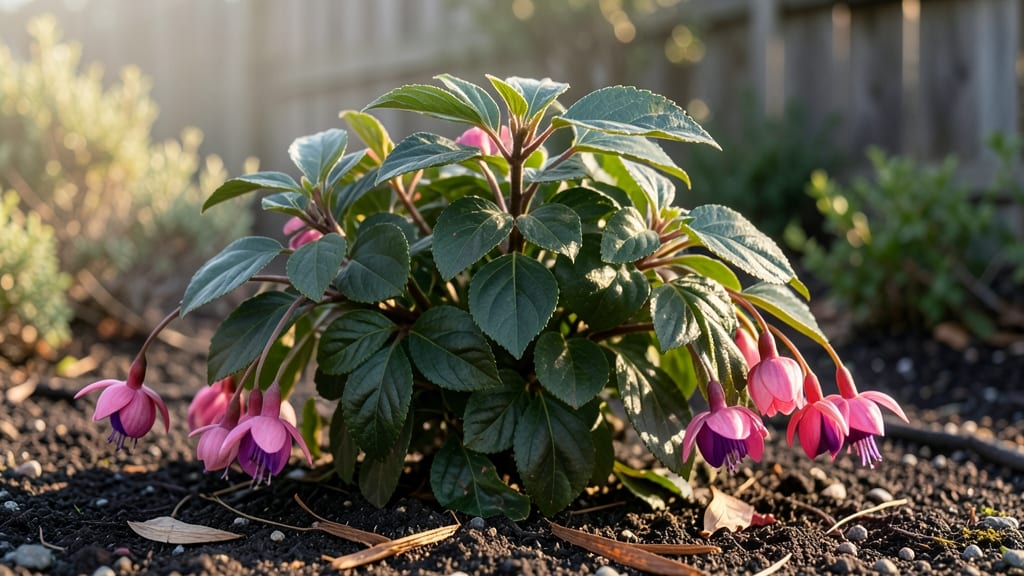
Pink and purple hanging flowers turn any space into a dreamy, cascading masterpiece—no green thumb required. ✨ I’ve filled my balcony with fuchsias and petunias that spill over edges like watercolors, and the effect is pure magic, especially when backlit by late afternoon sun.
These vibrant blooms thrive in containers, from 12-inch baskets to 3-foot window boxes, and pair beautifully with trailing plants like ivy or sweet potato vines. The key is choosing varieties that complement each other—deep magenta fuchsias next to lavender petunias create a stunning contrast that lasts all season.
You’ll love how these flowers brighten patios, trellises, or even old wooden fences, drawing in hummingbirds and butterflies. With the right care, they’ll bloom from early summer through frost, giving you months of effortless color. Let’s make your space pop!
Works in full sun or partial shade, so adaptable for any spot. The secret? Consistent watering and a little deadheading to keep them flourishing. Ready to transform your space?
📚 In This Guide
- What you need
- Instructions
- Tips and common mistakes
- Wrapping up and next steps
What you need
- ● Hanging planters: 3–5 units (10–12" diameter, lightweight fabric or plastic with drainage holes).
- ● Pink & purple flowers: Petunia (Petunia × hybrida) – 3–5 plants (trailing varieties like 'Wave' or 'Surfinia').
- ● Fuchsia (Fuchsia hybrida) – 2–3 plants (e.g., 'Giant Marble' or 'Lady Bo-Peep').
- ● Lobelia (Lobelia erinus) – 1–2 plants (for cascading texture).
- ● Sweet potato vine (Ipomoea batatas) – 1 plant (for bold foliage contrast).
- ● Potting mix: 1–2 bags (well-draining, peat-based or coconut coir blend).
- ● Slow-release fertilizer: 1 packet (12–14 month, 14-14-14 NPK ratio).
- ● Watering can or hose with gentle spray nozzle.
- ● Decorative planter liners (for a polished look).
- ● Moss or sphagnum for moisture retention (place at the bottom of planters).
- ● Epsom salt (1 tbsp/month for extra blooms).
- ● Stakes or floral picks (to train vines if needed).
- ● Solar-powered LED lights (for evening ambiance).
Step-by-step guide for creating a stunning pink and purple hanging flower display
Here's my foolproof method for cascading blooms that turn heads all season long.
🪴 Step 1: Choose the Right Hanging Containers
Select containers with 12-18 inch diameters and sturdy drainage holes—macramé hangers, ceramic pots, or plastic baskets all work. I prefer fabric grow bags for lightweight, breathable support that mimics natural growing conditions. The wider the container, the more roots can spread and support those heavy flower clusters.
Place your containers where they'll receive 6-8 hours of direct sunlight daily. South-facing windows or porches get the most vibrant blooms, but east or west exposures work too. Avoid deep shade—pink and purple flowers need light to maintain their color intensity. Test your spot by observing how quickly water evaporates from a saucer left in sunlight.
🌱 Step 2: Select and Prepare Your Flowering Plants
For maximum impact, combine petunias, lobelia, and fuchsia—their different growth habits create a lush, layered effect. Petunias (the boldest bloomers) go in the center, lobelia (the trailing stars) drape over the edges, and fuchsias (the elegant spillers) fill the middle tier. I always buy 4-inch transplants from a nursery for instant color rather than starting from seed.
Before planting, soak the root balls for 10-15 minutes to rehydrate them. Remove any yellow or damaged leaves—these plants will be under stress from transplanting, and you want them to focus all energy on establishing roots. Gently loosen the roots if they're circling tightly in the pot, which helps them spread faster in their new home.
💧 Step 3: Plant with Proper Spacing and Watering
Fill your container ¾ full with moistened potting mix, leaving room for roots to grow downward. Arrange plants so their canopy edges (the outermost leaves) just touch the container's rim—this ensures even coverage without crowding. For a 12-inch container, plant 3 petunias, 2 lobelias, and 1 fuchsia in a triangular pattern for balanced growth.
Water thoroughly after planting until water runs freely from the drainage holes. This settles the soil and eliminates air pockets around the roots. I like to use a slow, deep watering rather than a quick spray—it mimics natural rainfall and encourages strong root development. Let the container sit in a saucer of water for 10 minutes to ensure complete saturation.
☀️ Step 4: Maintain Consistent Care for Continuous Blooms
Feed your hanging flowers every 2 weeks with a balanced liquid fertilizer (10-10-10 ratio) diluted to half-strength. This prevents salt buildup in the soil while providing steady nutrients. I fertilize in the morning so any excess doesn't sit on leaves overnight, which can cause fungal issues.
Deadhead spent blooms weekly by pinching off faded flowers just above the next set of leaves. This redirects the plant's energy toward producing new blooms instead of setting seed. You'll notice a surge in fresh flowers within 3-5 days of consistent deadheading—it's like hitting the reset button on their flowering cycle.
✂️ Step 5: Prune and Refresh for Season-Long Beauty
When growth becomes leggy or overcrowded, trim back one-third of the longest stems to encourage bushier growth. Use clean, sharp scissors and make cuts just above a leaf node where new branches will form. This is especially important for petunias, which can become top-heavy and flop if not pruned regularly.
Rotate your containers quarter-turn weekly so all sides receive even sunlight. You'll see stems grow straighter and leaves stay darker green—signs of balanced light exposure. By mid-season, you may need to replace lobelia (which tends to fade faster) with new plants to maintain that vibrant purple contrast against the pink petunias.
Tips & tricks for perfect pink and purple hanging flower displays
Here's what nobody tells you about creating show-stopping cascading blooms that last all season.
Light Exposure Secret: That 6-8 hours of direct sunlight isn't just about blooms—it's about color retention. Pinks will fade to pale pink and purples may lose their vibrancy if they get less than 6 hours. I've seen dramatic color differences between containers in full sun versus those getting only morning light. Place your containers where they'll get the most consistent light throughout the day, not just peak hours. The deeper the purple and pink hues, the more sunlight they're receiving.
Root Development Hack: The 10-15 minute root soaking before planting is non-negotiable for these thirsty plants. I've learned this the hard way after seeing petunias wilt within days from poor root establishment. After soaking, gently squeeze the root balls to check moisture—if water drips out, they're ready. For containers without drainage holes, add a layer of perlite to the bottom to prevent root rot while still allowing that critical 10-minute water saturation after planting.
Container Selection Strategy: Fabric grow bags might be my favorite, but don't overlook the weight factor. For fences or overhead installations, ensure your hanging hardware can support containers filled with moist potting mix and thriving plants. I recommend testing your setup with a full container of water first—if it feels heavy, your hardware isn't strong enough. The wider the container (up to 18 inches), the more dramatic the cascading effect, but only if properly supported.
Season-Long Color Maintenance: The weekly deadheading and quarter-turn rotation create a compounding effect on color intensity. I've noticed that containers rotated consistently maintain their vibrant hues 2-3 weeks longer than those left in fixed positions. For maximum impact, deadhead in the morning when humidity is lower—this reduces the risk of fungal issues that can dull the foliage and flowers. The 3-5 day bloom surge after deadheading is particularly noticeable with petunias, which often produce their most vibrant flowers after this reset.
Pro Tips for Pink And Purple Hanging Flowers
- Here's what nobody tells you about creating show-stopping cascading blooms that last all season.
- Light Exposure Secret: That 6-8 hours of direct sunlight isn't just about blooms—it's about color retention.
- Root Development Hack: The 10-15 minute root soaking before planting is non-negotiable for these thirsty plants.
Frequently asked questions
Got questions about adding pink and purple hanging flowers to your space? You’re in the right place! Here are some of the most common queries—and their easy answers—to help you create a stunning cascading display with confidence.
What are the best pink and purple flowers for hanging baskets?
Top picks include fuchsias (classic and vibrant), petunias (long-lasting and drought-tolerant), lobelia (tiny blooms for a delicate touch), and begonias (glossy leaves + bold flowers). For height, try trailing nasturtiums or calibrachoa—both thrive in cascading styles!
When is the best time to plant pink and purple hanging flowers?
Plant in spring after the last frost (when soil is warm) or in early fall (6-8 weeks before your first frost). For year-round color, opt for annuals in spring/summer or perennials like heuchera (for cooler climates). Pro tip: Use grow lights indoors 4-6 weeks before transplanting for a head start!
How do I keep hanging flowers healthy in hot or rainy weather?
Hang baskets in partial shade (morning sun + afternoon shade) to prevent wilting. Water daily in heatwaves (check soil moisture—top 1 inch should be dry). For rain, ensure baskets have drainage holes and elevate them slightly to avoid root rot. Mulch with sphagnum moss to retain moisture and insulate roots.
Can I mix pink and purple flowers with other colors?
Pair purples with whites (e.g., dianthus or gypsophila) for a soft contrast or yellows (like marigolds) for a cheerful pop. For drama, add deep reds (e.g., salvia) or silver foliage (like lamium) to make the pinks stand out. Rule of thumb: Stick to 2-3 colors max for harmony!
Why are my hanging flowers dying or wilting quickly?
Common culprits:
- Underwatering: Check soil moisture daily—hanging baskets dry out faster.
- Overcrowding: Thin out leggy stems to improve airflow.
- Poor drainage: Repot if roots are soggy or moldy.
- Pests: Inspect for aphids or spider mites (spray with neem oil if needed).
Wrapping up and next steps
Transforming your space with pink and purple hanging flowers isn’t just about aesthetics—it’s about breathing life into every corner with vibrant energy! Whether you’re adding a pop of color to a balcony, fence, or patio, these cascading blooms bring joy, texture, and a touch of whimsy. 🌸
Ready to take the next step? Start small with a single planter or go bold with a full floral display—your outdoor oasis is waiting! Grab your supplies, follow your green thumb, and let these stunning flowers work their magic.