
Flowers
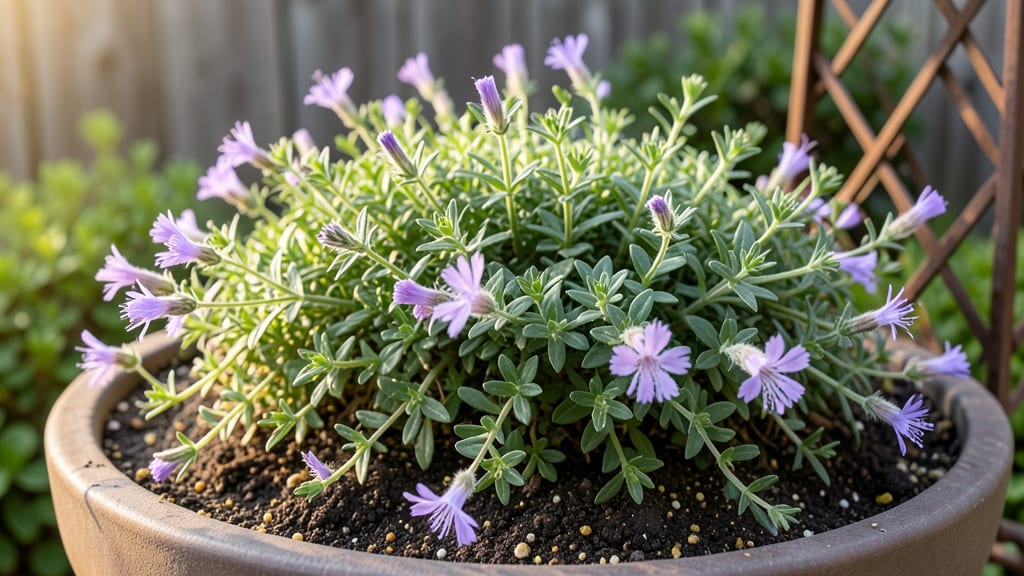
Those purple puff ball flowers—with their dreamy, cloud-like blooms—are the secret weapon of low-maintenance gardens. 🌿 I fell in love the first time I saw them swaying in a neighbor’s yard, their soft lavender spheres standing out against green foliage.
What makes them special? They bloom year-round in warm climates and thrive with almost no fuss, making them perfect for busy gardeners or beginners who want instant impact.
The key to their success lies in their adaptability. They handle partial shade, tolerate drought once established, and even grow well in containers—ideal for patios or small spaces. My own plants have flourished in well-draining soil with minimal watering, proving that stunning blooms don’t require constant attention.
The secret? Plant them in full sun to light shade and let nature take its course.
Once you get them growing, the rewards are immediate: clusters of velvety purple blooms that attract butterflies and add texture to any garden bed. They rarely need pruning, and pests avoid them like the plague.
By late spring, your garden will feel like a whimsical cloud factory—all with zero stress. Let’s get yours planted!
Whether you’re filling a sunny border or adding height to a shady corner, these flowers deliver effortless beauty. They’re also deer-resistant, making them a smart choice for rural gardens. Ready to transform your space with these charming, carefree blooms? Here’s how to make it happen.
📚 In This Guide
- What you need
- Instructions
- Tips and common mistakes
- Wrapping up and next steps
What you need
- ● Purple puff ball seeds: 20–50 seeds (depending on desired coverage). Opt for organic, non-GMO seeds for best results.
- ● Well-draining potting mix: 2–5 gallons (sterilized to prevent disease). Add perlite or sand (10–20%) for extra drainage.
- ● Containers or garden bed: Containers: 6–12" pots (with drainage holes) for 1–3 plants each.
- ● Garden beds: Full sun (6+ hours/day) + loose, fertile soil (amend with compost if needed).
- ● Watering can or hose: With a gentle spray nozzle for seedlings.
- ○ Fertilizer (optional but helpful): Balanced liquid fertilizer (10-10-10) or slow-release granules.
- ● Compost tea (homemade or store-bought) for organic boost.
- ● Gloves & kneeling pad: For comfort during planting.
- ● Seedling heat mat (if starting indoors in cool climates).
- ● Plant labels & markers (to track varieties).
- ● Mulch (straw or shredded leaves) to retain moisture.
- ● Pest control spray (neem oil or insecticidal soap).
- ● Sunlight meter (to ensure optimal light exposure).
How to cultivate purple puff ball flowers for season-long color
Here’s the straightforward method I’ve used to keep these airy blooms thriving indoors and out—no fuss, just beauty.
🌱 Step 1: Select the Right Variety and Planting Location
Purple puff ball flowers (Callistemon or Echium varieties) thrive in full sun and well-draining soil. If growing outdoors, choose a spot with at least 6 hours of direct sunlight daily—they’ll reward you with dense, velvety blooms that last weeks. For container gardening, use pots with drainage holes and place them near a south-facing window or under a grow light.
Here’s the thing—these plants hate soggy roots. Amend heavy soil with sand or perlite to improve drainage. If your garden soil is unknown, test it first: squeeze a handful. If it forms a tight ball, it’s too dense. If it crumbles easily, it’s ready for planting.
☀️ Step 2: Plant at the Correct Depth and Spacing
Dig a hole twice as wide as the root ball but only as deep as the container it came in. Gently loosen the roots if they’re circling—this prevents transplant shock. Place the plant so the top of the root ball sits just below soil level (never buried deeper). For containers, ensure the pot’s drainage holes are covered with gravel or broken pottery to keep soil from washing out.
Space plants 18-24 inches apart in garden beds. Crowding leads to weak stems and fewer blooms. You’ll see the first signs of stress—yellowing leaves or leggy growth—if they’re too close. For containers, one plant per 12-inch pot is ideal.
💧 Step 3: Water Deeply but Infrequently
Water once a week during the first month, then reduce to every 10-14 days once established. These drought-tolerant beauties prefer dry spells between waterings. Stick your finger 1 inch into the soil—if it’s dry, it’s time to water. Overwatering is the fastest way to kill them; soggy soil invites root rot.
When watering, aim for the base of the plant, not the foliage. Wet leaves can develop fungal spots, especially in humid climates. A drip irrigation system or soaker hose keeps water where it belongs—at the roots.
✂️ Step 4: Prune for Bushier Growth and Longer Blooms
Trim back one-third of the oldest stems in early spring to encourage new growth. Use clean, sharp pruners and cut just above a leaf node (the bump where leaves grow). This isn’t just about aesthetics—it signals the plant to focus energy on producing more branches and blooms.
Deadhead spent flowers by snipping the entire spent bloom cluster at its base. You’ll notice new buds forming within 2-3 weeks—that’s your reward for keeping up with maintenance. Skip this step, and the plant will redirect energy into seed production instead of blooms.
🪴 Step 5: Fertilize Sparingly for Vibrant Color
Use a balanced, water-soluble fertilizer (10-10-10) once in early spring and again after flowering. Dilute it to half-strength—these plants don’t need much. Over-fertilizing leads to lush foliage but fewer blooms. After applying, water deeply to help nutrients reach the roots.
For organic options, mix compost into the soil at planting time. Avoid high-nitrogen fertilizers—they promote leafy growth at the expense of flowers. You’ll know you’re doing it right when the blooms stay deep purple and dense rather than sparse and pale.
Tips & tricks for perfect purple puff ball flowers
Common pitfalls—and how to sidestep every one—when cultivating these velvety blooms.
Sunlight Strategy: Those 6 hours of direct sunlight are non-negotiable, but quality matters more than quantity. If your garden spot gets intense afternoon sun, consider partial afternoon shade—especially in hot climates. I’ve seen plants wilt dramatically in full afternoon sun, even with proper watering. Morning sun with afternoon shade often produces more vibrant blooms.
Root Ball Revelation: When planting, don’t be afraid to get your hands dirty loosening those circling roots—it’s the difference between thriving and struggling plants. I learned this the hard way after watching a plant struggle for weeks with tightly bound roots. For container plants, gently tease apart roots that have spiraled around the pot before planting. This simple step prevents transplant shock and encourages faster establishment.
Watering Wisdom: The 10-14 day watering schedule works beautifully, but timing is everything. Always water in the morning—this gives leaves time to dry completely before evening humidity sets in. I’ve seen fungal issues develop overnight when plants were watered late in the day. A simple rain gauge helps track natural watering cycles, so you can adjust your schedule accordingly.
Pruning Precision: That one-third trim in early spring might seem drastic, but it’s what triggers bushier growth. I recommend doing this on a clear, dry day when the plant is actively growing. For deadheading, use clean pruners and make cuts at a 45-degree angle just above a leaf node—this prevents water from pooling on the cut and reduces disease risk. The 2-3 week window for new buds is real, so stay consistent with this maintenance.
Pro Tips for Purple Puff Ball Flowers
- Common pitfalls—and how to sidestep every one—when cultivating these velvety blooms.
- Sunlight Strategy: Those 6 hours of direct sunlight are non-negotiable, but quality matters more than quantity.
- Root Ball Revelation: When planting, don’t be afraid to get your hands dirty loosening those circling roots—it’s the difference between thriving and struggling plants.
Frequently asked questions
Got questions about growing purple puff ball flowers? You’re not alone! Here are some of the most common queries—plus quick, easy answers to help you cultivate these whimsical blooms with confidence.
Are purple puff ball flowers easy to grow for beginners?
These low-maintenance beauties thrive in partial shade and well-draining soil. They’re drought-tolerant once established, making them perfect for forgetful gardeners. Just plant the bulbs in fall or spring, water lightly, and watch them pop up year after year with minimal fuss. Pro tip: They love companions like ferns or hostas!
How long does it take for purple puff ball flowers to bloom?
Patience pays off! After planting bulbs, you’ll typically see green shoots in 4–6 weeks in spring. Full blooms (those iconic puffy purple globes) usually arrive in late spring to early summer, lasting 2–4 weeks. For year-round color, plant in layers—new blooms often emerge in fall too!
Do purple puff ball flowers need a lot of water?
Not at all! Once established, these bulbs are drought-resistant. Water lightly after planting and during dry spells, but avoid soggy soil—they hate "wet feet." Overwatering can cause rot, so let the soil dry out between waterings. Think of them as the low-water superstars of the garden!
Can I grow purple puff ball flowers in containers?
Yes! They’re great for pots, especially if you choose shallow containers (6+ inches deep). Use a mix of potting soil and perlite for drainage, and place them where they get morning sun and afternoon shade. Just ensure the container has drainage holes—no one likes soggy roots! Bonus: Container-grown puff balls are perfect for patios or balconies.
Are purple puff ball flowers toxic to pets or kids?
Good news! These flowers are non-toxic to both pets and children, making them a safe (and stunning) addition to family-friendly gardens. However, always monitor pets if they’re prone to nibbling—just to be on the safe side. Fun fact: They’re also deer-resistant!
What do I do if my purple puff ball flowers don’t bloom?
No blooms? Don’t panic! Check these fixes:
- Light: Ensure they get partial shade (too much sun can stress them).
- Soil: Amend heavy clay with compost for better drainage.
- Age: Bulbs may need 1–2 years to mature before blooming.
- Fertilizer: A light dose of balanced bulb food in early spring can help.
Wrapping up and next steps
Purple puff ball flowers are a dream come true for gardeners who crave low-maintenance beauty with a pop of color! 🌸 Whether you're a seasoned gardener or just starting out, these resilient blooms prove that stunning flowers don’t require endless effort.
Ready to transform your space? Grab your supplies, follow the simple steps, and watch your garden thrive with year-round charm—no fuss, just fun!
Now that you’re armed with all the tips and tricks, take the next step:
- 🌱 Plant your first batch this weekend—even a small pot on your balcony will make a difference!
- 📸 Share your progress (and blooms!) with fellow gardeners for extra motivation.
- 💡 Experiment with companion plants to create an even more vibrant display.