
Container Gardens
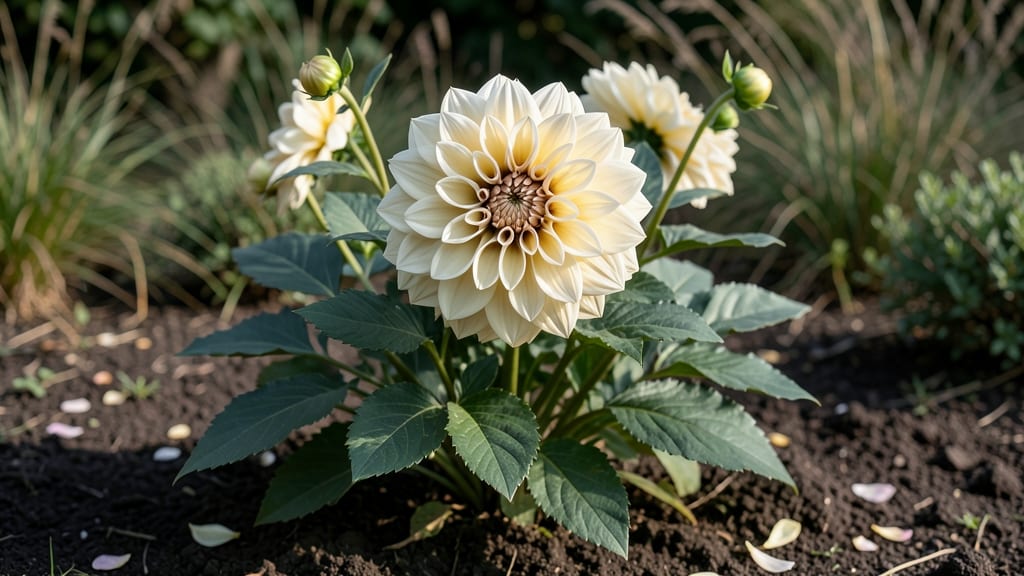
Single-flowered dahlias aren't just pretty—they're bold, architectural statement pieces that turn any garden into a showstopper. 🌸 I fell for them after seeing how their dramatic, unfussy blooms hold their own against the chaos of a summer garden, while multi-flowered varieties fade into the background.
The difference isn't just in the petals; it's in the confidence they bring to your space.
These dahlias thrive in full sun and well-draining soil, but here's the secret: they reward patience. Start with sturdy tubers in spring after the last frost, and you'll see those striking stems emerge within weeks.
Unlike their fussy cousins, single-flowered varieties handle heat and humidity better—perfect for zones 7-10 where summer can be relentless. The payoff? Blooms from midsummer until frost, with stems that last in vases for weeks.
Winter care is where most gardeners trip up, but single-flowered dahlias make it simple. After the first frost, cut back the foliage, dig up tubers, and store them in a cool, dry place. Come spring, you'll replant and watch those bold stems return—year after year.
The best part? They're just as happy in containers as they are in the ground, making them ideal for small spaces or urban gardens.
Ready to trade your average dahlias for these showstoppers? Here's how to get started—no green thumb required, just a little planning and a lot of admiration for their striking presence.
📚 In This Guide
- What you need
- Instructions
- Tips and common mistakes
- Wrapping up and next steps
What you need
- ● Dahlia tubers: Choose certified disease-free, single-flowered varieties (e.g., 'Café au Lait,' 'Bishop,' or 'Thomas Edison'). Plan for 1-3 tubers per container (depending on pot size).
- ● Well-draining potting mix: A high-quality container blend (e.g., 60% peat moss, 30% perlite, 10% compost) or cactus/succulent mix (10-15 gallons per large container).
- ● Containers: 5-gallon pots (minimum 12" deep) for 1 tuber.
- ● 15-gallon containers (18"+ deep) for 2-3 tubers.
- ● Drainage holes (critical—no exceptions!).
- ● Slow-release fertilizer: A balanced 10-10-10 or 14-14-14 (2-3 tbsp per 5-gallon pot).
- ● Watering can or hose with gentle spray nozzle.
- ● Stakes or tomato cages: 6-foot wooden stakes or heavy-duty cages (1 per plant).
- ● Pruning shears: For deadheading and shaping (sterilize with rubbing alcohol).
- ● Garden gloves: To protect hands from thorns (dahlias can be prickly!).
- ● pH test kit: Ideal soil pH for dahlias: 6.0–7.0.
- ● Mulch (straw or shredded bark): To retain moisture and suppress weeds.
- ● Liquid fertilizer (fish emulsion or bloom booster): For mid-season feeding (every 2–3 weeks).
How to grow single flowered dahlias for stunning year-round blooms
Here's the straightforward method I've used to grow bold, long-lasting dahlias that keep blooming until frost.
🌱 Step 1: Choose and Prepare Your Tubers
Single flowered dahlias grow from dormant tubers you'll find at nurseries in early spring. Look for plump, firm tubers with multiple "eyes" (growth points) - these are your future stems. I always soak my tubers in lukewarm water for 24 hours before planting to encourage faster sprouting. This hydrates the tuber and wakes up the eyes.
After soaking, let them dry slightly for an hour before handling. You'll notice the eyes starting to plump up and show signs of life - that's your signal they're ready for planting. For 4 plants, you'll need about 4 healthy tubers with 2-3 eyes each. Don't use any tubers that appear soft, moldy, or have shriveled eyes - these won't grow properly.
☀️ Step 2: Plant in Well-Draining Soil with Full Sun
Dahlias thrive in full sun (6+ hours daily) and soil that drains well. I always amend my garden beds with 2-3 inches of compost mixed into the top 6 inches of soil to provide nutrients without being too rich. The key is loose, airy soil that won't compact around the tubers.
Plant tubers 4-6 inches deep, with the eyes facing upward. Space your 4 plants about 18-24 inches apart - this gives them room to develop their dramatic stems without crowding. I like to plant them in a square pattern for easy access when it's time to stake them later. Water thoroughly after planting to settle the soil around the tubers.
💧 Step 3: Water Consistently and Fertilize Regularly
Here's where it gets important: dahlias need consistent moisture but hate soggy roots. Water deeply 2-3 times per week until the soil is 6 inches deep and evenly moist. You'll know you've got it right when the soil feels like a damp sponge - not dripping wet, not bone dry. I always water in the morning so the foliage has time to dry before evening.
Start fertilizing when you see 4-inch stems emerging. I use a balanced 10-10-10 fertilizer every 2 weeks during the growing season. When buds form, switch to a low-nitrogen, high-phosphorus (5-10-10) fertilizer to encourage blooming. You'll notice the stems thickening and leaves developing a deeper green color - that's your sign the plants are thriving.
✂️ Step 4: Support Stems and Deadhead for Continuous Blooms
Single flowered dahlias develop thick, sturdy stems that often need support. I install 5-foot bamboo stakes at planting time and tie the main stems with soft plant ties as they grow. This prevents the dramatic blooms from flopping over and makes harvesting easier. You'll want to check your stakes every 2 weeks and adjust ties as the stems thicken.
Deadheading is crucial for year-round blooms. As flowers fade, snip the spent bloom just above a set of leaves using clean shears. This encourages the plant to produce more buds. I also cut back any stems that look leggy or overcrowded to redirect the plant's energy to the strongest growth. You'll see new buds forming within 2-3 weeks of deadheading - that's your reward for this simple maintenance.
⏰ Step 5: Prepare for Winter Storage
When your first frost hits, it's time to dig up your dahlias. I wait until the foliage has blackened completely before digging - this prevents rot during storage. Carefully lift the tubers and brush off excess soil. Let them dry in a shady spot for 2 days before cutting back the stems to 6 inches above the tuber.
Store the tubers in a cool (40-50°F), dark place with good air circulation. I use a cardboard box with holes punched in the sides and cover them with a thin layer of peat moss to prevent drying. Check them monthly and remove any tubers that show signs of rot. With proper storage, your dahlias will be ready to replant next spring for another season of dramatic blooms.
Tips & tricks for growing single flowered dahlias
Real talk: these bold blooms won't thrive without a few key tricks I learned the hard way. Here's what nobody tells you about growing dahlias that keep blooming until frost.
Tuber Prep Matters: That 24-hour soak in lukewarm water isn't just a suggestion—it's the difference between tubers that sprout in 2 weeks versus 4. I've tried skipping it, and while they eventually grow, the delay means missing early blooms. Pro tip: Use a shallow dish with just enough water to cover the tubers, not drown them. You'll know it's working when the eyes start plumping up after just 12 hours.
Soil Prep Secret: The 2-3 inches of compost mixed into the top 6 inches of soil creates the perfect loose, airy environment. Here's what I do differently: I add a handful of perlite to that mix for extra drainage. Dahlias hate soggy roots, and this prevents any chance of rot. The soil should crumble easily when you squeeze it—if it forms a ball, you need more perlite or sand.
Watering Wisdom: Those 2-3 waterings per week need to be strategic. I use a moisture meter to check 6 inches deep—it should read like a damp sponge, not a wet towel. The morning watering routine is non-negotiable because wet foliage at night invites fungal diseases. I've lost entire plants to powdery mildew because I ignored this simple rule. Also, water at the base, not overhead—it keeps the leaves dry and clean.
Fertilizer Timing: The switch from 10-10-10 to 5-10-10 when buds form is crucial, but here's the part nobody mentions: I cut the fertilizer in half during extreme heat (above 85°F). Too much nitrogen when it's hot stresses the plants. You'll know you've got it right when your dahlias develop thick stems and glossy leaves without looking stressed. And always fertilize after watering—this prevents root burn.
Pro Tips for Single Flowered Dahlias
- Real talk: these bold blooms won't thrive without a few key tricks I learned the hard way.
- Tuber Prep Matters: That 24-hour soak in lukewarm water isn't just a suggestion—it's the difference between tubers that sprout in 2 weeks versus 4.
- Soil Prep Secret: The 2-3 inches of compost mixed into the top 6 inches of soil creates the perfect loose, airy environment.
Frequently asked questions
Got questions about growing single-flowered dahlias?
You’re not alone! Here are answers to the most common concerns—from planting to troubleshooting—to help you cultivate stunning, drama-worthy blooms with ease.
When is the best time to plant single-flowered dahlias?
For container gardens, plant tubers 2–3 weeks after your last frost date when soil temps reach at least 60°F (15°C). In warmer climates, start in early spring (March–April). Dahlias are frost-sensitive, so avoid planting too early—wait until nighttime temps stay above 50°F (10°C).
How often should I water single-flowered dahlias?
Keep soil consistently moist but not soggy—aim for 1–1.5 inches (2.5–4 cm) of water per week, including rainfall. Containers dry out faster, so water every 2–3 days in hot weather. Morning watering prevents fungal issues. Let the top inch of soil dry slightly between waterings to encourage deep roots.
Why aren’t my single-flowered dahlias blooming?
Common culprits include:
- Over-fertilizing with nitrogen (focus on phosphorus/potassium for blooms).
- Not enough sunlight—dahlias need 6+ hours of full sun daily.
- Deadheading too aggressively (leave a few spent blooms to redirect energy to new growth).
- Stress from extreme temps (under 50°F or over 90°F can halt flowering).
Try pinching back early shoots to encourage bushier growth and more flowers!
Can I grow single-flowered dahlias from seed instead of tubers?
Yes! But expect slower results—seeds take 90–120 days to mature vs. tubers (60–90 days). Start seeds indoors 8–10 weeks before last frost in well-draining soil at 70°F (21°C). Seed-grown dahlias may not match tuber varieties’ vibrant colors or size, but they’re great for experimenting with heirloom types!
How do I protect single-flowered dahlias from pests?
Watch for:
- Slugs/snails (use beer traps or diatomaceous earth).
- Aphids (spray with soapy water or introduce ladybugs).
- Japanese beetles (handpick or use neem oil).
For prevention, mulch with straw to deter pests and rotate containers yearly to avoid soil-borne issues. Dahlias are generally low-maintenance—just stay vigilant!
Wrapping up and next steps
Single flowered dahlias are a showstopper for container gardens—bold, easygoing, and packed with drama! 🌸 Whether you’re a seasoned gardener or just starting, their striking blooms and low-maintenance charm make them a must-have.
With the right soil, sunlight, and a little TLC, you’ll enjoy year-round beauty that turns heads and brightens any space.
Ready to dive in? Start small—plant a few in your favorite pots or window boxes, and let their confidence-inspiring blooms do the talking. Happy gardening! 🌱