
Light Requirements
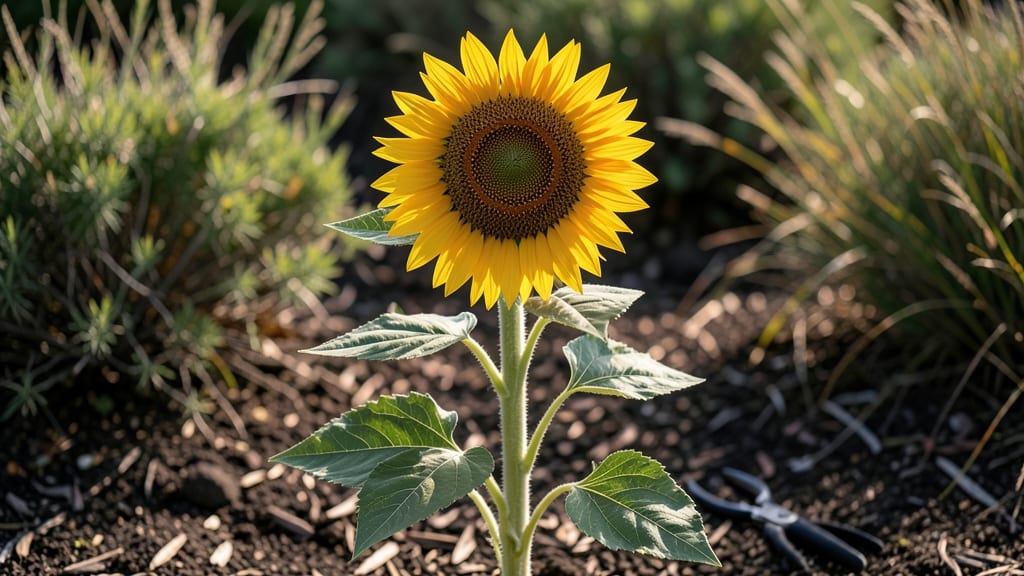
Growing the White Light sunflower in the Pacific Northwest means bright, cheerful blooms even when days are short. 🌻 This variety thrives where others struggle, with its striking white petals and sturdy stems reaching 6-8 feet tall—perfect for cutting or adding drama to your garden.
I’ve grown them through rainy seasons and still seen them shine, proving they’re built for resilience.
The secret lies in their adaptability: they tolerate partial shade better than most sunflowers and handle the region’s cool summers with ease. Start seeds indoors 4-6 weeks before your last frost or direct-sow after soil warms to 55°F, spacing them 12-18 inches apart.
Well-draining soil rich in organic matter keeps them sturdy, and consistent moisture (about 1 inch per week) prevents flopping stems.
By midsummer, you’ll have towering stems bursting with blooms that last weeks—longer than many varieties. The white petals stand out against green foliage, and their drought tolerance means less fuss once established.
Even in my damp climate, these sunflowers outperform others, making them a foolproof choice for beginners and veterans alike.
For extra blooms, deadhead spent flowers and fertilize lightly with compost tea. They’re also deer-resistant, which is a bonus here. Whether you’re growing for cut flowers or just love bold statements in the garden, these sunflowers deliver—no matter what the Pacific Northwest throws at them.
📚 In This Guide
- What you need
- Instructions
- Tips and common mistakes
- Wrapping up and next steps
What you need
- ● Seeds: White Light sunflower seeds (non-GMO, heirloom preferred) – 5–10 seeds per plant (or 1 packet for ~50 seeds).
- ○ Growing Containers (Optional but Helpful): 5–10 gallon pots with drainage holes (if container-growing).
- ● Self-watering planters for drought-prone areas.
- ● Soil: Well-draining potting mix (for containers) or amended garden soil (sandy loam ideal for PNW).
- ● Compost or aged manure (1–2 cups per planting hole) for nutrient boost.
- ● Fertilizer: Slow-release granular fertilizer (5-10-10 or organic options like fish emulsion).
- ● Tools: Trowel or hand shovel for planting.
- ● Watering can or hose with gentle spray nozzle.
- ○ Stakes or cages (optional, for tall varieties—White Light can reach 5–7 feet!).
- ● Sunlight: Full sun (6+ hours/day). PNW’s partial cloud cover is fine, but supplement with grow lights if indoors.
- ● Water: Consistent moisture (1–2 inches per week; drought-tolerant once established).
- ● Climate: Cold-hardy to USDA Zone 3 (great for PNW’s cool summers and mild winters!).
- ● Spacing: Plant seeds 6–12 inches apart (thin seedlings to 18–24 inches for mature plants).
- ● Test soil pH (ideal: 6.0–7.0). Amend with lime if too acidic.
- ● Use black plastic mulch in early spring to warm soil faster.
- ● Save seeds from your plants for next year—they’re super easy to collect!
Step-by-step guide for planting Pacific Northwest sunflowers
Here's how to grow sunflowers that thrive in our cool, wet climate—bold blooms even when others struggle.
🌱 Step 1: Choose the Right Variety and Timing
For the Pacific Northwest, pick dwarf or mid-height varieties like 'Teddy Bear' or 'Moulin Rouge'—they handle our shorter summers better than towering giants. Start seeds indoors 6-8 weeks before your last frost date (usually mid-April here) to give them a head start.
If you're planting directly outside, wait until after the last frost (typically late May) when soil temperatures reach at least 55°F. Sunflowers love warmth, and cold soil slows germination. I like to test soil temp with a simple thermometer—no guessing needed.
☀️ Step 2: Prepare the Soil and Plant with Care
Sunflowers need full sun (6+ hours daily), but in the PNW, that means finding the sunniest spot in your yard—often a south-facing wall or raised bed. Amend the soil with 2-3 inches of compost to improve drainage, since sunflowers hate soggy roots.
Plant seeds 1 inch deep and 6 inches apart in rows spaced 18 inches apart. Tap the soil lightly after planting to ensure good seed-to-soil contact. Water gently but don’t drown them—sunflowers need moisture, but their seeds rot if overwatered.
💧 Step 3: Water and Support for Strong Growth
Keep the soil evenly moist but not waterlogged for the first 2-3 weeks after germination. Once seedlings are 4-6 inches tall, reduce watering slightly—sunflowers are surprisingly drought-tolerant once established. I water deeply every 3-4 days unless we get rain.
When plants reach 12 inches tall, add stakes or cages (I use 5-foot bamboo stakes) to prevent toppling. Sunflowers grow fast, and wind in the PNW can snap them. Bury the stake halfway and tie stems loosely with soft twine—tight knots restrict growth.
✂️ Step 4: Prune and Deadhead for Longer Blooms
Remove any side shoots that form below the main flower head to direct energy upward. Pinch off spent blooms once they fade—this encourages new flowers to form, extending your sunflower season. In the PNW, deadheading keeps plants blooming until first frost (often October).
Watch for Japanese beetles—they love sunflower petals. If you see them, spray plants with neem oil in the evening to protect blooms. A quick spray every 7-10 days keeps them away without harming pollinators.
🌿 Step 5: Harvest and Enjoy Year-Round Beauty
Cut stems at a 45-degree angle when blooms are fully open but before petals start dropping. Place them in a bucket of cool water immediately—sunflowers last 5-7 days in a vase this way. For dried flowers, hang upside down in a dark, dry place for 2-3 weeks until fully crisp.
Save seeds from your best blooms! Let them dry on the plant, then rub the head in a paper bag to collect seeds. Store them in a cool, dry place—they’ll last 2-3 years for next season’s garden. PNW winters are long; plan ahead for next year’s early starts.
Tips & tricks for growing Pacific Northwest sunflowers
Here's what I learned after growing sunflowers for years in our rainy climate—these little tricks make all the difference for bold, long-lasting blooms.
Timing is Everything: The 6-8 week indoor start date (for mid-April planting) might seem early, but trust me—it's crucial. Our cool springs delay germination, so getting a head start gives seedlings time to establish strong roots before facing PNW's unpredictable weather. I've seen seeds planted too late struggle to mature before frost, so don't skip this step!
Soil Temperature Matters: That 55°F minimum soil temperature isn't just a suggestion—it's non-negotiable. Cold soil below this can delay germination for weeks. I always check with a simple soil thermometer (they're cheap!) before planting outdoors. If your soil is still cold, wait it out—patience here prevents seed rot and weak starts.
Watering Wisdom: The first 2-3 weeks are critical for moisture, but don't drown your seeds. I use a gentle spray bottle to keep soil evenly moist without creating soggy conditions. After that initial period, let the soil dry slightly between waterings—sunflowers are tougher than they look once established. Overwatering is the #1 cause of seedling failure in our wet climate.
Support System: Those 5-foot bamboo stakes might seem excessive, but they're worth it. Our Pacific Northwest winds can snap even sturdy sunflower stems. I bury stakes halfway and use soft twine—tight knots can actually restrict growth. If you're worried about aesthetics, try decorative metal cages instead.
Pro Tips for White Light Sunflower
- Here's what I learned after growing sunflowers for years in our rainy climate—these little tricks make all the difference for bold, long-lasting blooms.
- Timing is Everything: The 6-8 week indoor start date (for mid-April planting) might seem early, but trust me—it's crucial.
- Soil Temperature Matters: That 55°F minimum soil temperature isn't just a suggestion—it's non-negotiable.
Frequently asked questions
What’s the best time to plant white light sunflowers in the Pacific Northwest?
Plant seeds after the last frost (typically late April–May in most PNW regions). For year-round blooms, start a second batch in late summer (August) for fall/winter harvest. Use row covers if planting early to protect tender seedlings from cold snaps!
How long do white light sunflowers take to bloom?
Most varieties mature in 60–90 days from seed, depending on sunlight and warmth. In the PNW’s cooler climate, expect blooms 2–3 weeks later than in warmer zones. Dwarf varieties may flower sooner (50–60 days), while giant types take longer.
Can I grow white light sunflowers indoors for light therapy?
Yes! Place them near a south-facing window or under grow lights (12–16 hours/day). Use compact varieties like ‘Teddy Bear’ (18–24” tall) for indoor spaces. Rotate pots weekly to prevent leggy growth. Pro tip: Supplement with a full-spectrum bulb for optimal light.
How do I protect sunflowers from PNW rain and wind?
Stake tall varieties (6+ feet) with bamboo stakes or cages to prevent lodging. For heavy rain, plant in slightly raised beds or use drip irrigation to avoid waterlogging. Windbreaks (like cornstalks or mesh screens) help shield seedlings.
What if my white light sunflowers aren’t turning white?
Check for nutrient deficiencies (yellow leaves = nitrogen; purple stems = phosphorus). Overcrowding or shade can also dull colors. Ensure full sun (6+ hours/day) and fertilize with a balanced 10-10-10 mix at planting. Variegated or green-tipped blooms are normal in some heirloom varieties!
Wrapping up and next steps
The White Light Sunflower is a stunning, low-maintenance choice for gardeners in the Pacific Northwest—bringing cheerful blooms and vibrant energy even in cooler climates! 🌞 Whether you’re a beginner or a seasoned grower, its adaptability and striking appearance make it a must-have for year-round color.
With the right light, soil, and care, you’ll enjoy a garden that thrives and delights.
Ready to shine bright? Grab your seeds, pick a sunny spot, and start planting—your garden (and pollinators!) will thank you. Happy growing! 🌱