
Flowers
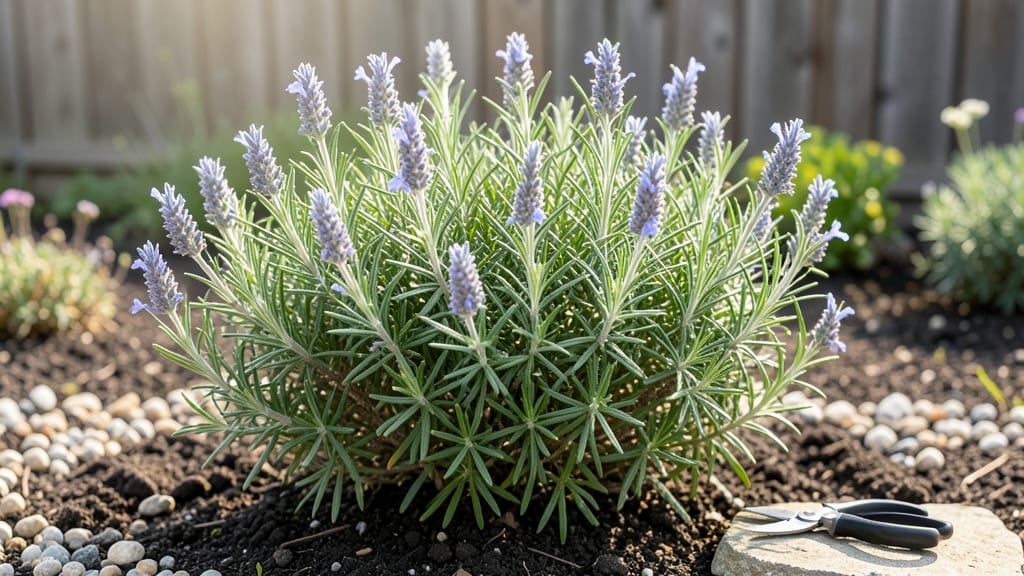
Your rosemary bush flowers can transform a fragrant herb into a stunning, repeat-blooming showstopper—with just a few simple adjustments. 🌿 I’ve watched my own rosemary go from a tidy green shrub to a cascading floral display by focusing on sunlight, pruning, and seasonal care.
The key isn’t complicated: it’s about giving your plant the right conditions to prioritize blooms over just leaves.
Rosemary thrives in full sun (6+ hours daily) and well-draining soil, but most gardeners overlook how pruning triggers flowering. Cut back leggy stems in early spring to encourage bushier growth, then trim again after blooms fade to prompt another round.
Overwatering or rich soil? That’s the real enemy—rosemary flowers best when slightly stressed, not pampered.
By late summer, you’ll see clusters of tiny blue-purple flowers that attract bees and add unexpected color to your garden. The scent is even sweeter when blooming, and the plant stays compact and productive.
This isn’t just about pretty flowers—it’s about extending your rosemary’s lifespan and harvestability for years to come.
Works in containers or garden beds, from coastal climates to desert zones. Let’s get those stems blooming reliably—no green thumb required, just a little strategy. Here’s how to make it happen without the guesswork.
📚 In This Guide
- What you need
- Instructions
- Tips and common mistakes
- Wrapping up and next steps
What you need
- ● Rosemary plants: Choose Rosmarinus officinalis (hardy perennial variety) or Rosmarinus prostratus (trailing type). Buy 3–5 healthy nursery plants (6–12 inches tall) or 1–2 gallon-sized containers for potted growth.
- ● Well-draining soil: Mix 50% garden soil, 30% coarse sand or perlite, and 20% compost (rosemary hates soggy roots!).
- ● Sunlight access: Ensure 6+ hours of full sun daily (partial shade may reduce flowering).
- ● Drip irrigation or soaker hose: Rosemary prefers deep but infrequent watering (avoid overhead sprinklers to prevent fungal issues).
- ● Garden trowel or spade: For planting and transplanting.
- ● Pruning shears: Sharp, sterilized shears (disinfect with rubbing alcohol between cuts).
- ○ Mulch (optional but recommended): 2–3 inches of gravel or pine bark to retain moisture and deter weeds.
- ● Fertilizer (light touch!): Balanced, slow-release granular fertilizer (10-10-10) or organic compost tea (apply once in early spring). Over-fertilizing = fewer flowers!
- ○ Support stakes (for bush varieties): 3–4 bamboo stakes or metal cages (optional, for upright growth).
- ● USDA Hardiness Zones: 7–10 (rosemary is not winter-hardy in colder zones—grow in containers or mulch heavily).
- ● Best planting time: Early spring or fall (avoid summer heatwaves).
How to grow a fragrant, flowering rosemary bush
Here's how to coax those stunning blue blooms from your rosemary—it's simpler than you think.
🌱 Step 1: Choose and Prepare Your Planting Site
Rosemary thrives in full sun, so pick a spot with at least 6-8 hours of direct sunlight daily. The soil should drain quickly—rosemary despises soggy roots. If your garden soil is heavy clay, mix in 2-3 inches of coarse sand or perlite to improve drainage. I like to test drainage by digging a hole, filling it with water, and checking if it drains within an hour.
Here's the thing—rosemary is drought-tolerant once established, but young plants need consistent moisture. Amend the soil with 2-3 inches of compost to give your plant a nutrient boost while improving soil structure. The ideal soil pH is slightly alkaline, between 6.0-7.5, but rosemary is forgiving if your soil is closer to neutral.
🌿 Step 2: Plant Your Rosemary Bush Correctly
Dig a hole twice as wide as the root ball but no deeper. Gently remove your rosemary from its container and loosen any circling roots with your fingers. Place the plant in the hole so the top of the root ball sits 1 inch below soil level—this prevents stem rot from sitting water. Fill the hole with native soil and press lightly around the base to eliminate air pockets.
Water deeply right after planting to settle the soil and remove any air gaps. You'll know you've done it right when the soil surface looks slightly firm but not compacted. Avoid watering from above—this can dislodge the plant. Instead, water at the base using a gentle stream or soaker hose. Mulch with 1-2 inches of gravel or coarse wood chips to conserve moisture and regulate soil temperature.
☀️ Step 3: Provide Optimal Care for Blooms and Growth
Water your rosemary once a week during the first growing season, allowing the top 2 inches of soil to dry out between waterings. Once established, rosemary can go 3-4 weeks without water in hot, dry climates. Overwatering is the fastest way to kill a rosemary bush—yellowing leaves and blackened stems are your warning signs.
Fertilize lightly in early spring with a balanced, slow-release fertilizer (10-10-10). Too much nitrogen results in leafy growth at the expense of flowers. I like to use a half-strength dose to avoid overfeeding. Prune lightly after flowering to encourage bushier growth—simply trim back any woody stems by one-third using clean, sharp shears. This prevents the plant from becoming leggy and encourages more blooms next season.
✂️ Step 4: Encourage Reblooming Year After Year
Watch for flower spikes in late spring or early summer—they'll appear as small, fuzzy buds along the stems. To promote more blooms, pinch back the tips of new growth in early summer. This redirects the plant's energy toward flowering instead of just leaf production. You'll notice new flower buds forming within 4-6 weeks of pruning.
Deadhead spent blooms regularly by snipping them off at the base with clean shears. This prevents the plant from wasting energy on seed production and encourages a second flush of flowers later in the season. In colder climates, protect your rosemary from harsh winter winds by planting it near a wall or fence. A thick layer of mulch around the base helps insulate the roots and keeps the plant healthy for next year's blooms.
Tips & tricks for perfect rosemary bush blooms
Your rosemary's stunning blue flowers won't happen by accident—here are the small details that make all the difference.
Sunlight Strategy: That 6-8 hours of daily sun is non-negotiable, but here's the secret: position your rosemary where it gets morning sun and afternoon shade in extreme heat zones. I've seen plants in full afternoon sun develop sunburned leaves that never recover. If you're in a hot climate, a little afternoon relief makes a world of difference for both foliage and flowers.
Drainage Test: The drainage check in Step 1 is worth repeating—this is where most rosemary failures begin. After amending your soil with 2-3 inches of sand or perlite, do a second test after planting. Fill a small container with water and place it near your rosemary's root zone. If water pools for more than 15 minutes, you still need better drainage. Rosemary roots need oxygen just as much as water.
Pruning Precision: When you trim back woody stems by one-third in Step 3, focus on the oldest, thickest stems first. These are the ones that won't regrow as vigorously. Younger, more flexible stems will produce new growth faster. I like to make my cuts just above a leaf node where new growth can emerge—this ensures you're not leaving bare stems that won't recover.
Watering Wisdom: That once-weekly watering during the first season is perfect, but here's the trick: water in the early morning so the foliage has all day to dry. Wet leaves left overnight invite fungal problems, especially in humid climates. Once established, let the top 2 inches dry completely—your rosemary will tell you when it's thirsty by wilting slightly, not by crisping up like a cactus.
Pro Tips for Rosemary Bush Flowers
- Your rosemary's stunning blue flowers won't happen by accident—here are the small details that make all the difference.
- Sunlight Strategy: That 6-8 hours of daily sun is non-negotiable, but here's the secret: position your rosemary where it gets morning sun and afternoon shade in extreme heat zones.
- Drainage Test: The drainage check in Step 1 is worth repeating—this is where most rosemary failures begin.
Frequently asked questions
Got questions about growing rosemary bush flowers? You’re not alone! Here are some of the most common queries—and their answers—to help you cultivate a thriving, fragrant perennial with confidence.
Do rosemary bush flowers actually bloom?
Yes! While rosemary is often grown for its aromatic foliage, many varieties—especially Rosmarinus officinalis and Rosmarinus prostratus—produce delicate, lavender-blue or white flowers in spring or fall. Pruning encourages reblooming, so don’t trim too late in the season!
How long does it take for rosemary flowers to appear?
Patience is key! Established rosemary bushes may take 1–2 years to flower, while younger plants could wait up to 3 years. Factors like sunlight (6+ hours/day), well-draining soil, and proper pruning speed up the process.
Can I grow rosemary bush flowers in containers?
Rosemary thrives in 5–7 gallon pots with drainage holes. Use a mix of potting soil and perlite, and place containers in full sun. Just ensure the pot is large enough to prevent root-bound stress, which can delay flowering.
Are rosemary flowers toxic to bees or pollinators?
Great news: Rosemary flowers are bee-friendly! They attract pollinators like bees and butterflies, making them a fantastic addition to pollinator gardens. Just avoid over-pruning blooms if you want to support local ecosystems.
Why isn’t my rosemary flowering?
Common culprits include:
- Over-fertilizing (too much nitrogen = leafy growth, no flowers).
- Poor sunlight (rosemary needs full sun to bloom).
- Stress from overwatering or root-bound pots.
Wrapping up and next steps
Growing rosemary bush flowers is a rewarding experience—these hardy perennials bring beauty, fragrance, and low-maintenance charm to your garden. With just the right sunlight, well-draining soil, and occasional pruning, you’ll enjoy their stunning blooms year after year.
Whether you’re a seasoned gardener or just starting, this resilient plant makes a fantastic addition to any outdoor space!
Ready to bloom with confidence? Grab your shears, pick a sunny spot, and let your rosemary bush thrive. Next up: Share your progress with fellow gardeners or experiment with companion plants to amplify your garden’s vibrancy! 🌿✨