
Flowers
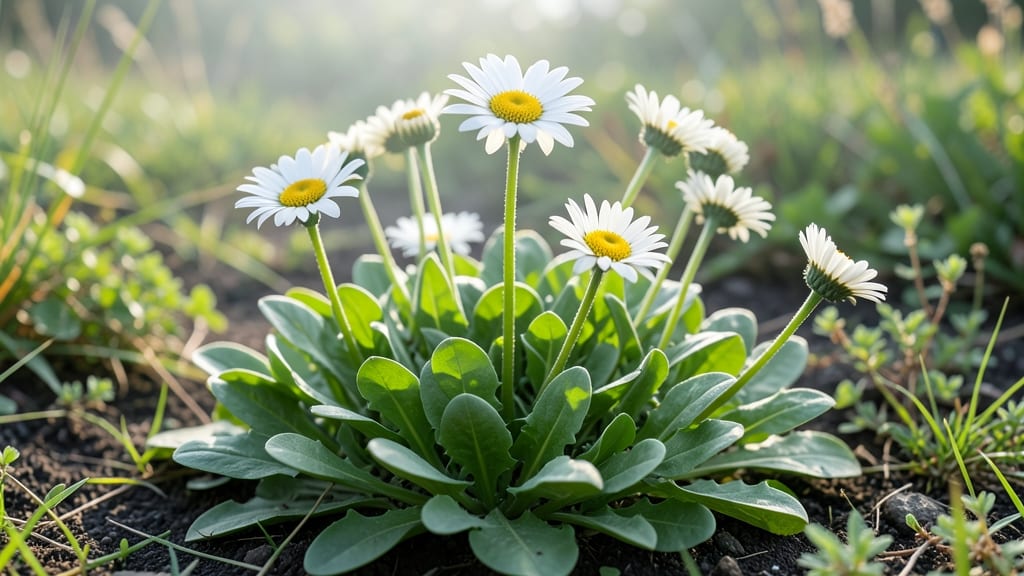
Those small little white flowers—like sweet alyssum, baby’s breath, and white clover—weave dreamy magic into any garden, turning it into an ethereal haven year-round. 🌿 Their soft cascades shimmer like scattered pearls, luring bees and butterflies with effortless grace.
These little powerhouses thrive in borders, containers, or even between pavers, filling gaps with effortless elegance.
The beauty of these flowers lies in their versatility: they pair perfectly with bold purples, deep blues, or even vibrant reds, creating striking contrasts while keeping the overall look airy and romantic.
Most bloom from early spring through fall, with some varieties offering winter interest if left standing. They’re also low-maintenance, tolerating partial shade and irregular watering once established.
Imagine a cottage garden where white alyssum spills over stone walls, baby’s breath adds height to summer bouquets, or clover’s tiny stars brighten a shady corner. The result? A garden that feels like a breath of fresh air—always in bloom, always inviting. Let’s bring that magic to your space.
Whether you’re filling a window box, lining a path, or adding texture to a pollinator patch, these flowers deliver big impact with minimal fuss. Start small—just a handful of plants can make a world of difference. Ready to create your own whimsical retreat?
📚 In This Guide
- What you need
- Instructions
- Tips and common mistakes
- Wrapping up and next steps
What you need
- ● Small white flowers: 1–5 plants (depending on desired coverage; popular picks: Sweet Alyssum, Baby’s Breath, Candytuft, or White Pansies)
- ○ Optional: Seeds (if starting from scratch; check packet for sunlight/soil needs)
- ○ Potting soil: 1–2 bags (sterile, well-draining mix; optional: add perlite for extra aeration)
- ● Containers or garden bed: For potted plants: 4–6" diameter pots with drainage holes (1 per plant)
- ● For garden beds: 1–2 sq. ft. of prepared soil per plant
- ● Fertilizer: Balanced liquid fertilizer (e.g., 10-10-10) or slow-release granules
- ● Basic tools: Trowel or small shovel
- ● Gloves (to keep hands clean!)
- ● Watering can or hose with gentle spray nozzle
- ○ Optional upgrades: Mulch (to retain moisture; e.g., shredded bark or straw)
- ● Stakes or supports (for taller varieties like Baby’s Breath)
- ● Decorative accents (e.g., pebbles, moss, or fairy lights for containers)
- ● Sunlight: Check your flower type—most little white flowers thrive in full sun (6+ hours/day) or partial shade (4–6 hours).
- ● Climate: Verify hardiness zones (e.g., Sweet Alyssum loves zones 7–10; Pansies tolerate cooler zones 3–11).
- ● Watering routine: Keep soil consistently moist (not soggy!) until established.
How to create a year-round display of delicate white blooms
Here's how I design a garden that stays elegant and fragrant through every season.
🌱 Step 1: Select Flowers That Thrive in Your Climate Zones
Start by choosing plants that naturally produce small white flowers and match your growing conditions. For cooler climates, consider snowdrops (Galanthus) or heath (Erica), which bloom early and tolerate frost. In warmer regions, sweet alyssum (Lobularia maritima) or Arabian jasmine (Jasminum sambac) thrive year-round with minimal care.
I always check each plant's hardiness zone to avoid disappointment. For example, Arabian jasmine needs USDA zones 9-11, while heath grows well in zones 4-8. Mixing perennials with annuals ensures continuous blooms—perennials like white phlox (Phlox paniculata) return yearly, while annuals like white impatiens (Impatiens walleriana) fill gaps with instant color.
☀️ Step 2: Position Plants for Optimal Light and Airflow
White flowers often need bright light to maintain their delicate petals, but some varieties like heath prefer partial shade. Place sun-loving plants like Arabian jasmine in full sun (6+ hours daily), while shade-tolerant options like white impatiens thrive in dappled light.
I arrange plants in layers—tall varieties like white hollyhock (Alcea rosea) at the back, mid-height bloomers like white alyssum in the middle, and trailing plants like white sweet potato vine (Ipomoea batatas) at the front. This creates depth and keeps stems from shading each other, which weakens blooms.
💧 Step 3: Water and Fertilize for Consistent Blooming
White flowers often signal purity, but their stems need consistent moisture to support delicate petals. Water deeply every 2-3 days until the top 2 inches of soil feel dry, adjusting for rain. Overwatering causes rot, while underwatering makes petals wilt before opening.
Use a balanced 10-10-10 fertilizer every 4-6 weeks during growing season. I avoid heavy nitrogen—it encourages foliage over flowers. For container plants, dilute fertilizer to half-strength to prevent root burn. Deadhead spent blooms immediately to encourage new growth; this is especially critical for white impatiens and sweet alyssum, which bloom continuously.
✂️ Step 4: Prune and Maintain for Year-Long Elegance
Prune leggy stems in early spring to promote bushier growth. For Arabian jasmine, trim back one-third of the plant after flowering to shape it and encourage next year's blooms. For perennials like white phlox, cut back dead stems to 6 inches in late winter before new growth appears.
Mulch with 2-3 inches of organic mulch (like shredded bark) to retain moisture and protect roots in winter. This is key for snowdrops, which need consistent soil temperatures to bloom reliably. In containers, replace soil every 2 years to prevent nutrient depletion, which causes sparse flowering.
🪴 Step 5: Extend the Season with Containers and Winter Care
Use containers to move heat-sensitive plants indoors during winter. Arabian jasmine and white gardenia (Gardenia jasminoides) can overwinter in a sunny window or under grow lights. Keep soil lightly moist and avoid drafts—sudden temperature drops shock delicate stems.
For outdoor plants, protect perennials like heath with a lightweight frost cloth when temperatures dip below 25°F. I also group containers close together to share warmth. In spring, fertilize lightly to jumpstart growth before new blooms emerge.
Tips & tricks for perfect year-round white flower displays
Creating a garden that blooms elegantly all year takes thoughtful planning—and these insider tricks will help you avoid common pitfalls while maximizing beauty.
Climate Zone Precision: Don't assume all white flowers thrive in your area. For example, Arabian jasmine absolutely needs USDA zones 9-11, while heath thrives in zones 4-8. I always cross-reference each plant's hardiness zone with my local climate before purchasing. This prevents that heartbreaking moment when your delicate blooms freeze before they open.
Light Layering Strategy: The layered arrangement in Step 2 isn't just decorative—it's functional. Place your tallest varieties like white hollyhock at the back to prevent them from shading mid-height plants such as white alyssum. I've seen gardens where overcrowding caused entire sections to stop blooming because stems couldn't reach sunlight. Leave at least 18 inches between plants for proper airflow and light penetration.
Watering Science: Those 2-3 days between waterings in Step 3 are critical, but timing matters just as much as frequency. Water in the early morning so petals dry completely by evening—this prevents fungal diseases that cause brown spots on delicate white blooms. I use a moisture meter to check soil dryness rather than guessing, especially during summer heatwaves.
Winter Protection Hacks: When temperatures drop below 25°F, don't just cover plants—create microclimates. Group containers together to share warmth, and use lightweight frost cloth instead of heavy blankets that can suffocate stems. For potted white gardenia, I move them to a sunny window with a heat mat underneath during extreme cold snaps. This simple adjustment saved my gardenia from winter damage last year.
Pro Tips for Small Little White Flowers
- Creating a garden that blooms elegantly all year takes thoughtful planning—and these insider tricks will help you avoid common pitfalls while maximizing beauty.
- Climate Zone Precision: Don't assume all white flowers thrive in your area.
- Light Layering Strategy: The layered arrangement in Step 2 isn't just decorative—it's functional.
Frequently asked questions
Got questions about those tiny, dainty white blooms? You’re not alone! Here are some of the most common queries gardeners have about small little white flowers—and their practical answers to help you grow with confidence.
What are the easiest small white flowers to grow for beginners?
If you’re new to gardening, start with sweet alyssum, pansies, or baby’s breath. These thrive in partial shade, require minimal upkeep, and bloom prolifically. For containers, calendula or statice are also forgiving and add texture!
When is the best time to plant small white flowers?
Most small white annuals (like lobelia or dianthus) can be sown directly after the last frost in spring. Perennials, such as coral bells, prefer early spring planting. For year-round color, stagger plantings every 4–6 weeks—just ensure soil temps are above 50°F (10°C)!
How do I keep small white flowers looking neat and tidy?
Deadhead spent blooms regularly to encourage more flowers, and prune leggy stems back by ⅓ in early summer. Use mulch to suppress weeds and retain moisture. For trailing varieties (like snow-in-summer), pinch back tips to promote bushier growth. Pro tip: A light fertilizer every 4–6 weeks keeps them lush!
What if my small white flowers aren’t blooming?
Lack of blooms often signals over-fertilization (too much nitrogen = leafy growth) or insufficient sunlight. Move plants to a sunnier spot (6+ hours/day) and switch to a bloom-boosting fertilizer (high in phosphorus). Some varieties, like dianthus, need a dormant period—reduce watering in winter to trigger spring reblooms.
Can I use small white flowers in bouquets or dried arrangements?
Baby’s breath, statice, and gypsophila are classic dried flowers that hold their shape for weeks. Harvest stems early in the morning, strip leaves, and hang upside down in a dry, dark place. For fresh bouquets, pair them with bold colors (like deep red roses) to make them pop!
Wrapping up and next steps
From dainty snowdrops to cheerful daisies, small white flowers add a touch of elegance and serenity to any garden—no matter the season! 🌸 Whether you’re a seasoned gardener or just starting, these delicate blooms are easy to care for and packed with charm.
Their versatility makes them perfect for borders, containers, or even as a stunning centerpiece in your home.
Ready to transform your outdoor (or indoor!) space? Start small—literally! Pick one or two varieties to test, experiment with placement, and let your creativity bloom. Happy gardening! 🌱✨