
Flowers
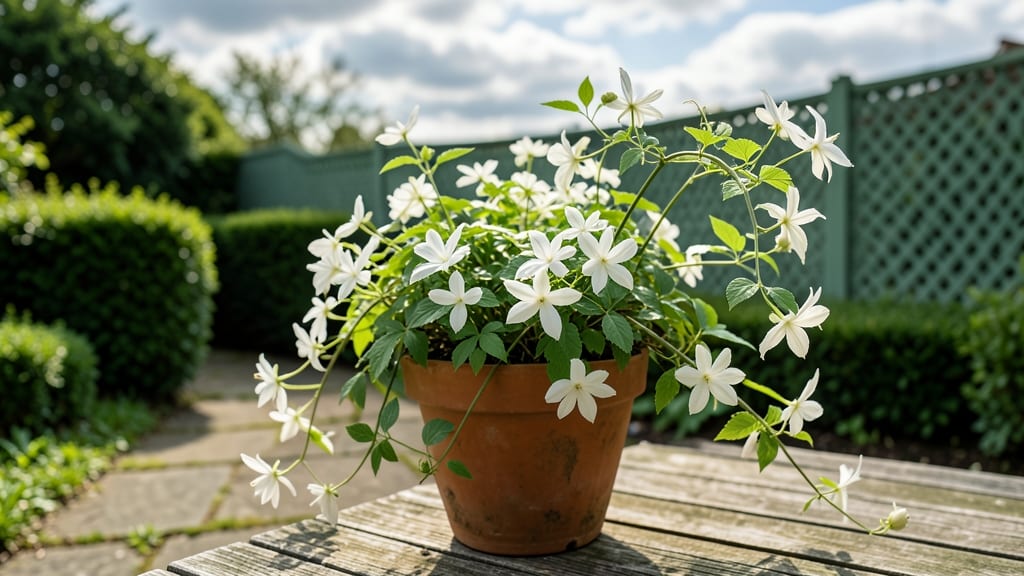
That fragrant vine with small white flowers thrives in Pacific Northwest shade— Pacific wisteria (Lonicera involucrata) turns any corner into a hummingbird magnet. 🌿 I planted mine against a mossy cedar fence, and by summer, the air smelled like honey and the fence became a living tapestry of delicate blossoms.
Unlike its flashy cousins, this vine stays modest but delivers year-round interest with its glossy leaves and winter berries.
It grows 15-20 feet tall but spreads slowly, making it perfect for trellises or arbors where you want structure without overwhelming space.
The flowers aren’t showy like roses, but their subtle sweetness and constant buzz of pollinators create a quiet, lush atmosphere—ideal for cutting back on garden noise while adding life. Most gardeners overlook it because it’s not flashy, but that’s exactly why it works in shaded spots where other vines fail.
You’ll love how it pairs with ferns and hostas, creating a layered, textured look that feels wild yet intentional. The care is straightforward: partial shade, moist but well-drained soil, and minimal pruning (just trim back leggy growth in early spring).
By midsummer, your fence or trellis will be a fragrant, buzzing vertical garden that neighbors will envy—without the high-maintenance drama of roses or clematis.
Works equally well on wooden trellises, chain-link fences, or even as a ground cover in shady borders. The key is patience—it takes 2-3 years to really fill out, but once it does, you’ll wonder why you didn’t plant it sooner. Here’s how to get started without the guesswork.
📚 In This Guide
- What you need
- Instructions
- Tips and common mistakes
- Wrapping up and next steps
What you need
- ● Vine plants: 1–3 young, healthy vines (check local nurseries for Lonicera or other native PNW varieties).
- ● Well-draining potting mix: 5–10 gallons (look for organic blends with perlite or compost).
- ● Container or garden bed: For containers: 5–15 gallon pots with drainage holes (terracotta or fabric grow bags work great!).
- ● For in-ground: A sunny spot (6+ hours of light) with loose, slightly acidic soil (pH 6.0–7.0).
- ● Slow-release fertilizer: 1–2 cups (10–10–10 or organic options like fish emulsion).
- ● Mulch: 2–3 inches of shredded bark or wood chips (to retain moisture and suppress weeds).
- ● Garden gloves (to protect your hands from thorns or rough bark).
- ● Trowel or small shovel (for planting and soil prep).
- ● Pruning shears (sterilized, for shaping and maintenance).
- ● Watering can or hose with a gentle nozzle (vines love consistent hydration!).
- ○ Trellis, arbor, or fence (optional but highly recommended for vertical growth—choose one that’s at least 6–10 feet tall!).
- ● Epsom salt (1 tbsp/month in water for magnesium boosts).
- ● Compost tea (for a nutrient-rich soil amendment).
- ● Pollinator-friendly companions: Native wildflowers (like Penstemon or Ceanothus) to attract bees and butterflies.
- ● Drip irrigation kit (for hands-off watering in dry spells).
How to cultivate a Pacific Northwest-friendly vine with delicate white blooms
Here's how to create a low-maintenance, pollinator magnet that thrives in PNW's mild climate.
🌱 Step 1: Select the Right Vine for Your Space
For the Pacific Northwest's cool, damp summers and mild winters, clematis or honeysuckle vines work beautifully. Clematis 'Jackmanii' produces abundant small white flowers and thrives in partial shade, while honeysuckle 'Annabelle' offers fragrant blooms and handles both sun and partial shade. Check your space's light conditions—most of these vines need at least 4-6 hours of sunlight daily, though they tolerate morning sun with afternoon shade.
I always plant mine near a sturdy trellis or fence, as they can grow 10-15 feet in a single season. If you have limited space, dwarf varieties like clematis 'Niobe' stay more compact. The key is matching the vine's mature size to your available vertical space—nothing worse than a vine outgrowing its support and sprawling everywhere.
🪴 Step 2: Prepare the Planting Site
Dig a hole twice as wide as the vine's root ball but only as deep. The top of the root ball should sit 1-2 inches below ground level—this prevents the stem from rotting while encouraging strong root growth. Mix the excavated soil with 2-3 inches of compost (from your materials list) to improve drainage and fertility, especially important in PNW's naturally dense soils.
For clematis specifically, I add a handful of bonemeal to the planting hole—it provides phosphorus for root development. Water the hole thoroughly before planting, then let the soil settle for 10-15 minutes to prevent air pockets around the roots. The soil should feel moist but not soggy when you squeeze it—this is your target consistency for the first few weeks after planting.
☀️ Step 3: Plant and Provide Initial Support
Place the vine in the hole and spread the roots gently, making sure they're not twisted or curled. Fill the hole with soil, pressing lightly as you go to eliminate air pockets. Water deeply right after planting to help settle the soil and encourage root contact. You'll know it's right when water drains through the hole within 15-20 minutes—no puddling means good drainage.
Install your trellis or support structure immediately. For clematis, I use a 5-foot tall obelisk for compact varieties or a 10-foot fence for climbing types. Secure the vine loosely to the support with soft twine, leaving room for growth. The first year, you'll see 3-4 feet of growth—that's normal, but don't worry if it's less in cooler PNW summers. The vine establishes roots gradually in our mild climate.
💧 Step 4: Water and Maintain Through the First Season
Water deeply once a week during the first growing season, aiming for 1-1.5 gallons per plant each time. The soil should feel 2-3 inches dry before watering again—stick your finger in to check. Overwatering is a common mistake, especially in PNW's damp climate, as it leads to root rot. Mulch with 2-3 inches of wood chips (from your materials list) around the base to retain moisture and suppress weeds.
Fertilize lightly in early spring with a balanced 10-10-10 formula (use 1 tablespoon per plant). Avoid high-nitrogen fertilizers—they encourage leafy growth at the expense of flowers. Watch for small white flowers to appear in late spring to early summer, signaling the vine is establishing well. If you see yellowing leaves, it's often a sign of overwatering or poor drainage—adjust your watering schedule accordingly.
✂️ Step 5: Prune and Encourage Year-Round Growth
Prune clematis in early spring before new growth begins. Remove any dead or damaged stems, then cut back last year's growth to 2-3 healthy buds from the base. For honeysuckle, prune lightly after flowering to shape the plant and encourage bushier growth. The goal is to maintain an open center that allows air circulation—this prevents fungal diseases that thrive in PNW's humidity.
In the Pacific Northwest, you can extend the blooming season by providing light winter protection for tender vines. Wrap the base with burlap or use a cloche during hard freezes (below 20°F). Most vines will rebound beautifully in spring, often producing flowers even on new growth. With proper care, your vine will become a pollinator haven, attracting bees, butterflies, and hummingbirds year after year.
Tips & tricks for cultivating Pacific Northwest vines
Here's what I've learned after years of growing these delicate climbers in our region's unique climate.
Location is Everything: In Step 1, when selecting your planting spot, pay close attention to those 4-6 hours of sunlight—morning sun with afternoon shade works best in the PNW. I've seen vines struggle when planted in deep shade, even if they tolerate it. Look for areas where the sun naturally filters through trees or where you can position the vine to catch dappled light. The key is finding that sweet spot where the vine gets enough light to bloom but isn't scorched by afternoon sun.
Root Ball Settlement: That 10-15 minute settling time after planting in Step 2 is crucial for preventing air pockets around the roots. I learned this the hard way when my first clematis wilted after planting—turns out, I rushed the process. After planting, I gently press the soil around the edges and add a little more water if needed. You'll know it's right when the soil feels compacted but still breathable—like a well-worn sponge that holds its shape.
Support Structure Matters: When installing your trellis in Step 3, make sure it's sturdy enough to handle the vine's mature size. I've seen too many flimsy supports snap under the weight of a 10-foot vine. For clematis, I recommend using a 5-foot obelisk for compact varieties or a 10-foot fence for climbing types. The support should be installed immediately after planting—this gives the vine something to cling to right away, encouraging upward growth.
Winter Protection Strategy: For those hard freezes below 20°F mentioned in Step 5, I've found that wrapping the base with burlap works better than a cloche for most PNW vines. The burlap allows for some airflow while protecting the crown from extreme cold. You can also mound a thick layer of mulch around the base for extra insulation. The goal is to protect the plant without smothering it—too much protection can actually cause more harm than good.
Pro Tips for Vine With Small White Flowers
- Here's what I've learned after years of growing these delicate climbers in our region's unique climate.
- Location is Everything: In Step 1, when selecting your planting spot, pay close attention to those 4-6 hours of sunlight—morning sun with afternoon shade works best in the PNW.
- Root Ball Settlement: That 10-15 minute settling time after planting in Step 2 is crucial for preventing air pockets around the roots.
Frequently asked questions
Got questions about nurturing or identifying your vine with small white flowers? You’re in the right place! Here are some of the most common queries—plus straightforward answers to help you grow a thriving pollinator haven in the Pacific Northwest.
What’s the best vine with small white flowers for PNW gardens?
Top picks include Clematis armandii (evergreen, fragrant), Lonicera japonica (honeysuckle, fast-growing), and Actinidia kolomikta (kiwi vine with variegated leaves). Choose based on sun exposure: full sun for Clematis, partial shade for Actinidia.
When do these vines bloom, and how long does it last?
Blooming times vary: Clematis often flowers in late spring to early summer, while honeysuckle may bloom spring through fall—sometimes year-round in mild PNW climates. Kiwi vines (Actinidia) bloom early spring before leaves emerge. Expect 4–8 weeks of continuous blooms per season.
Are these vines good for attracting pollinators?
Absolutely!
All three vines listed above are magnet for bees, butterflies, and hummingbirds. Their small white flowers provide nectar-rich resources, especially during early spring when other blooms are scarce. Pair with native flowers like Ceanothus for extra pollinator appeal.
How do I train a vine to climb a trellis or fence?
Use soft ties (like garden twine or Velcro straps) to gently guide young vines along a trellis. Prune in late winter to shape growth—remove weak stems and encourage upward vines. For aggressive climbers like honeysuckle, trim back 1/3 annually to control spread.
Why aren’t my white-flowered vines blooming?
Common culprits: over-pruning (cut back only dormant wood), poor sunlight (most need 6+ hours/day), or nutrient deficiency. Feed with balanced fertilizer in early spring and ensure well-draining soil. If established vines still skip blooms, check for pests like aphids or fungal issues.
What’s a low-maintenance alternative to high-climbing vines?
Try Jasminum nudiflorum (winter jasmine) for small white flowers and year-round interest. It’s semi-evergreen, tolerates shade, and blooms winter to spring. Another option: Trachelospermum jasminoides (star jasmine), which thrives in PNW’s humidity and needs minimal pruning.
Wrapping up and next steps
Discovering the vine with small white flowers—like Lonicera involucrata or Clematis—brings a touch of Pacific Northwest charm to any garden while supporting pollinators year-round. These elegant vines thrive with minimal fuss, offering beauty, resilience, and ecological benefits.
Whether you're a seasoned gardener or just starting, adding one to your space is a rewarding step toward a lush, pollinator-friendly landscape.
Ready to transform your outdoor space? Start small—pick a vine, gather your supplies, and plant with confidence! 🌿 For extra inspiration, explore local nurseries or gardening forums to find the perfect match for your garden’s style.