
Flowers
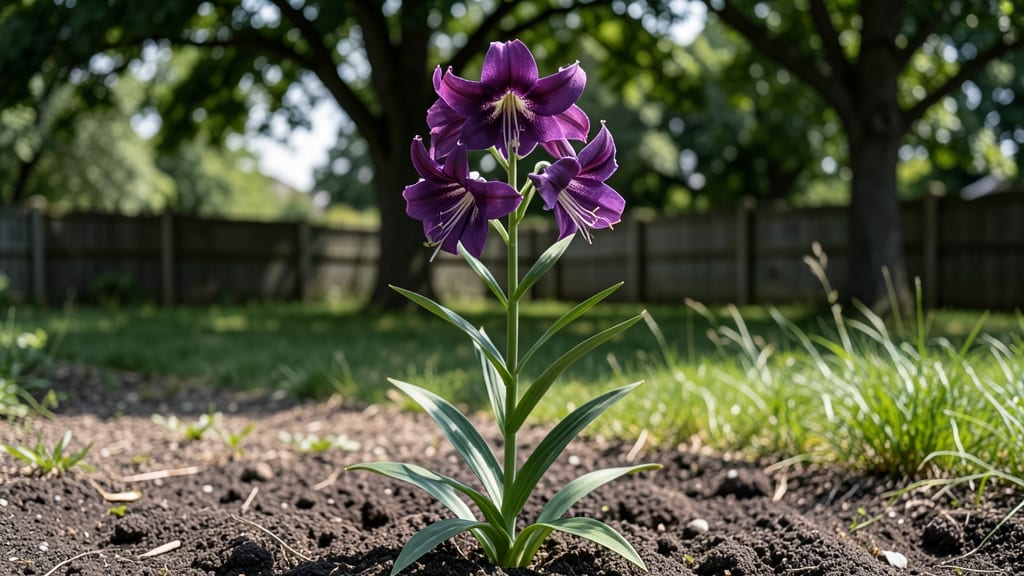
The purple lily flower brings bold drama to gardens without demanding constant attention—its frost-resistant varieties like 'Purple Fox' thrive even when temperatures dip. I planted mine last October, and they’ve bloomed every June since, with minimal fuss.
The key is timing: bulbs need cool soil to establish roots before winter, then they reward you with towering spikes of velvety purple blooms that hummingbirds adore.
You’ll need well-draining soil, a sunny spot (at least 6 hours of light daily), and patience—these beauties take 2-3 years to reach their full glory. Space bulbs 6 inches deep and 8-12 inches apart to prevent overcrowding, and mulch lightly in winter to protect roots.
Water sparingly once established; too much moisture invites rot, but let them dry out completely between waterings. A balanced fertilizer in early spring jumpstarts their growth, and deadheading spent blooms redirects energy to next year’s flowers.
Watch for lily beetles (those orange-and-black pests) and fungal spots on leaves—neem oil or insecticidal soap handles both. Pair purple lilies with silver foliage plants like lamb’s ear or deep green hostas to make their color pop.
In containers, they’re stunning in large pots with trailing plants like ferns or ornamental grasses. By midsummer, your garden will feel like a secret garden, all thanks to these hardy, low-maintenance stars.
Perfect for beginners and busy gardeners alike, these lilies prove that striking blooms don’t require constant babying. With the right planting window and a little seasonal care, they’ll reward you for years—just like my patch has done.
Ready to add some regal purple to your garden? Let’s get those bulbs in the ground.
📚 In This Guide
- What you need
- Instructions
- Tips and common mistakes
- Wrapping up and next steps
What you need
- ● Purple lily bulbs (Lilium spp.) – Choose hardy varieties like Lilium regale or Lilium henryi (3–5 bulbs for a small patch, 10+ for a full border).
- ● Well-draining potting mix or garden soil – Aim for a loamy, slightly acidic (pH 6.0–7.0) blend. Avoid heavy clay.
- ● Compost or organic fertilizer – Balanced (10-10-10) or bulb-specific (1 cup per 4 sq ft).
- ● Mulch (straw, pine needles, or shredded bark) – 2–3 inches thick to protect roots in winter.
- ● Watering can or hose with a gentle spray nozzle – Lilies hate soggy soil!
- ● Garden trowel or bulb planter – For digging holes 6–8 inches deep.
- ● Gloves – Lilies can have mildly irritating sap.
- ○ Pruners (optional) – For trimming dead foliage after blooming.
- ○ Soil pH test kit (optional) – Ensures optimal growing conditions.
- ○ Frost cloth (optional, for early spring) – Protects tender shoots if frost is forecasted.
- ● A sunny spot – 6+ hours of direct sunlight daily (partial shade in hot climates).
- ● Cold-hardy zone (3–9) – Purple lilies thrive in temperate climates but may need winter protection in zone 10+.
- ● Patience (3–5 years for full blooms!) – Bulbs establish roots before bursting into color.
How to grow hardy purple lilies that thrive in cold climates
Here’s the straightforward method I’ve used for years to grow vibrant purple lilies that survive frost and bloom reliably.
🌱 Step 1: Select the Right Variety and Planting Site
Choose a frost-resistant lily variety like the Martagon lily or Asiatic hybrids, which handle cold temperatures better than tropical types. These varieties naturally produce purple blooms and can withstand light frosts once established.
Pick a spot with partial shade—morning sun and afternoon shade protect the bulbs from excessive heat while still allowing enough light for strong growth. Lilies prefer well-draining soil, so avoid low-lying areas where water pools after rain. If your soil is heavy clay, amend it with 2-3 inches of compost before planting to improve drainage.
🪴 Step 2: Plant Bulbs at the Correct Depth and Spacing
Plant lily bulbs in early fall, about 6-8 weeks before the first frost. This gives the roots time to establish before winter. Dig a hole 6-8 inches deep—deeper than most gardeners assume, since lilies grow long stems from deep in the soil. Space bulbs 12-18 inches apart to allow room for their mature foliage and flower stalks.
Place the bulb with the pointy end facing up—this ensures the shoot grows upward rather than sideways. Cover the bulb with soil and water deeply to settle it in. Mulch with 2-3 inches of shredded leaves or straw after planting to insulate the soil and protect the bulbs during winter.
☀️ Step 3: Provide Consistent Care for Strong Growth
Water lilies deeply once a week during the growing season, aiming for 1 inch of water per week. Purple lilies are drought-tolerant once established, but consistent moisture encourages larger blooms. Reduce watering in late summer to allow the foliage to yellow naturally—this signals the bulb to store energy for next year’s flowers.
Fertilize in early spring with a balanced, slow-release fertilizer (10-10-10) at half strength. Avoid high-nitrogen fertilizers, which promote leafy growth at the expense of blooms. Apply a second light feeding in early summer if the foliage looks pale or sparse. Deadhead spent blooms by cutting the stem just above the first set of leaves to redirect energy into bulb storage.
✂️ Step 4: Prepare for Winter and Encourage Return Blooms
In late fall, add an extra 2-3 inches of mulch over the planting area to protect the bulbs from freezing temperatures. Purple lilies are hardy down to 10°F, but extra insulation ensures they survive even colder winters. Remove the mulch in early spring once new shoots appear—this prevents rot and encourages early growth.
Divide and transplant mature clumps every 3-4 years in early fall. Dig up the bulbs, separate the offsets, and replant them immediately. This prevents overcrowding and ensures strong, vibrant blooms year after year. Discard any bulbs that show signs of rot or soft spots, as these won’t survive replanting.
⏰ Step 5: Troubleshoot Common Issues for Long-Term Success
If your lilies fail to bloom, they may need more sunlight—gradually move them to a sunnier spot over a few weeks to avoid shocking the plants. Yellowing leaves in summer often mean overwatering—let the soil dry slightly between waterings. Purple lilies are tough once established, but they won’t tolerate soggy soil.
Watch for lily beetles, which can defoliate plants. Handpick adults and larvae in the morning when they’re sluggish, or use neem oil as a preventive spray. Avoid chemical pesticides, as they can harm beneficial insects and leave residues on the edible parts of other garden plants.
Tips & tricks for perfect purple lilies that survive frost
Here's what I learned after years of growing these hardy beauties—simple secrets that make all the difference.
Variety Matters: While Martagon and Asiatic hybrids are the stars, consider the Trumpet lily for its striking purple blooms and exceptional cold hardiness down to 10°F. These varieties not only survive frost but often bloom more prolifically in cooler climates. I've found Trumpet lilies particularly resilient in zones where other varieties struggle.
Soil Preparation Strategy: For heavy clay soil, mix in 2-3 inches of compost and consider adding a handful of perlite or coarse sand to improve drainage. This prevents waterlogging, which can rot bulbs during winter. I always test my soil's drainage by digging a hole and filling it with water—if it doesn't drain within an hour, I know I need to amend further.
Planting Depth Insight: The 6-8 inch depth recommendation might seem deep, but it's crucial for developing strong stems. I've noticed that shallower planting often results in floppy stems that can't support the heavy blooms. Use a long-handled trowel to ensure you're planting at the correct depth without straining your back.
Winter Protection Pro Tip: When adding that extra 2-3 inches of mulch in late fall, consider using straw instead of leaves. Straw provides better insulation and won't compact like leaves, which can create pockets of cold air against the bulbs. I also like to create a small mound of mulch over each bulb planting spot for extra protection.
Pro Tips for Purple Lilly Flower
- Here's what I learned after years of growing these hardy beauties—simple secrets that make all the difference.
- Variety Matters: While Martagon and Asiatic hybrids are the stars, consider the Trumpet lily for its striking purple blooms and exceptional cold hardiness down to 10°F.
- Soil Preparation Strategy: For heavy clay soil, mix in 2-3 inches of compost and consider adding a handful of perlite or coarse sand to improve drainage.
Frequently asked questions
Got questions about growing purple lilies? You’re not alone! These stunning, low-maintenance blooms spark curiosity—especially for first-time gardeners. Below, we’ve rounded up the most common questions (and answers) to help you grow Lilium regale or other purple varieties with confidence.
Are purple lilies truly frost-resistant?
Yes! While young shoots may need protection in hard freezes (below 20°F), established purple lilies (like Lilium regale) tolerate light frost down to 15°F. Their thick stems and bulbous roots act as natural insulation. For extra safety, mulch with straw or shredded leaves in winter. Learn more about winter prep in our care guide.
How long do purple lilies take to bloom after planting?
Patience is key! Bulbs planted in fall typically bloom in late spring to early summer (6–8 months later). If you plant in spring, expect flowers the following year. For faster results, choose potted purple lilies—they may bloom within 4–6 weeks of transplanting.
Can I grow purple lilies in containers?
Containers are ideal for small spaces or renters. Use a 12-inch-deep pot with drainage holes and well-draining soil. Plant bulbs 3 inches deep and space them 6–8 inches apart. Rotate pots occasionally for even sun exposure. Pro tip: Add compost or bulb fertilizer at planting time for extra vigor.
Why aren’t my purple lilies blooming?
No blooms? Don’t panic—common culprits include:
- Insufficient sunlight: Purple lilies need 6+ hours of direct sun daily.
- Overcrowded bulbs: Divide bulbs every 3–4 years if they’re packed too tightly.
- Nutrient deficiency: Feed with a balanced bulb fertilizer in early spring.
- Improper planting depth: Bulbs should sit 3 inches deep (shallower = fewer blooms).
What’s the difference between purple lilies and other lilies?
Purple lilies stand out for their unique color palette and hardiness. Unlike tiger lilies (orange/yellow with spots), purple varieties like Lilium regale (pure white with purple undertones) or Lilium ‘Purple Pride’ feature soft lavender, magenta, or deep violet hues. They’re also more disease-resistant than some hybrid lilies, making them a top pick for low-maintenance gardens.
Wrapping up and next steps
The purple lily flower isn’t just a stunning addition to your garden—it’s a low-maintenance, frost-resistant superstar that thrives with minimal effort. Whether you’re a seasoned gardener or a beginner, these resilient blooms bring beauty without the hassle, proving that stunning results don’t require endless work. 🌸
Ready to elevate your outdoor space? Start small—plant a single purple lily in a pot or your garden bed, and watch it flourish. Your next step: grab your gloves, pick your favorite variety, and let nature do the rest! 🌱