
Flowers
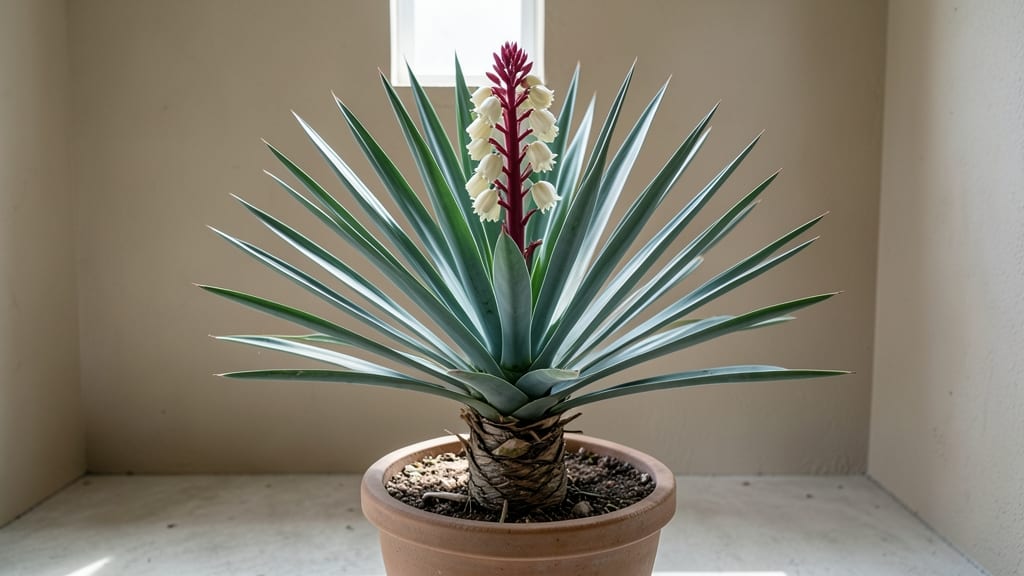
Red yucca flower stalks shoot up like fireworks in summer, and I’ve learned the exact tricks to keep them bold and productive year after year. 🌵 These striking, edible stems don’t just survive drought—they thrive in it, turning even the driest corner of your garden into a dramatic focal point.
The secret lies in how you prune, feed, and water them (or don’t water them), because red yucca doesn’t play by typical flower rules.
The plant’s resilience is its superpower, but it still needs a few basics: full sun, well-draining soil, and minimal fuss. I’ve killed more delicate perennials than I’d like to admit, but red yucca forgives mistakes—it’s the perfect plant for gardeners who want drama without the daily attention.
Once established, it handles heat like a champ, popping up with those signature red flower spikes every summer with almost no effort.
You’ll end up with striking vertical accents that last for weeks, plus edible stems for cooking (if you’re adventurous). The flowers attract hummingbirds, and the foliage stays lush even when other plants wilt.
The best part? These stalks grow taller and more abundant with just a little strategic pruning after blooming—no heavy-handed trimming required.
Whether you’re planting in a hot desert landscape or a container on a city balcony, red yucca adapts. The key is understanding its rhythm: when to cut back, when to let it go wild, and how to keep it looking its best through all four seasons.
Let’s get those stalks standing tall and proud!
📚 In This Guide
- What you need
- Instructions
- Tips and common mistakes
- Wrapping up and next steps
What you need
- ● Red yucca plant (Hesperaloe parviflora) – 1 mature plant (3+ years old) or 3-5 young nursery-grown plants for better yield.
- ● Well-draining soil – Mix 50% native soil + 50% coarse sand or perlite (10-15 gallons per planting hole).
- ● Sunlight access – Full sun (6+ hours daily) in USDA Zones 5-11.
- ● Watering can or hose with adjustable nozzle – For deep but infrequent watering (avoid overwatering!).
- ● Pruning shears or sharp knife – Sterilized (rubbing alcohol wipe) for harvesting.
- ○ Gloves (optional but recommended) – To protect hands from slight prickliness of leaves.
- ● Slow-release fertilizer – Low-nitrogen, phosphorus-rich (e.g., 5-10-10) for flowering (1 lb per plant, spring application).
- ● Mulch (gravel or decomposed granite) – 2-3 inches around the base to retain moisture and deter weeds.
- ● Support stake or trellis – If stalks grow tall (3-6 ft), lightweight stakes can prevent bending.
- ● Food processor or blender – For chopping stalks into salsas, teas, or jams.
- ● pH testing kit – Ideal soil pH: 6.0–7.5 (adjust with lime or sulfur if needed).
Step-by-step guide to cultivating red yucca flower stalks
Here's how to grow these drought-resistant beauties that reward you with edible stems!
🌱 Step 1: Choose the Perfect Planting Site
Red yucca thrives in full sun—at least 6-8 hours daily—so pick the sunniest spot in your yard. I always look for areas with well-draining soil because soggy roots will kill these plants fast. If your soil is heavy clay, mix in 2-3 inches of coarse sand or gravel to improve drainage before planting.
Check the soil moisture by digging down 4-6 inches—if it feels damp after a few days, you're in the right spot. Red yucca hates wet feet, so avoid low-lying areas where water pools after rain. A slight slope helps excess water run off naturally.
🪴 Step 2: Plant at the Right Depth and Spacing
Dig a hole twice as wide as the root ball but no deeper—yucca roots sit shallow, and burying too deep suffocates them. Gently remove the plant from its container and loosen any circling roots with your fingers. Place it in the hole so the top of the root ball sits just below soil level—never deeper.
Space plants 3-4 feet apart to give them room to spread. Crowding leads to competition for water and nutrients, which weakens those prized flower stalks. Tap the soil lightly around the roots to eliminate air pockets, then water deeply to settle everything. You'll know it's right when the soil looks firm but still crumbles easily.
☀️ Step 3: Water Deeply but Infrequently
After planting, water once a week for the first month to help roots establish. Let the soil dry out completely between waterings—stick your finger 2 inches down and only water when it feels dry. Once established, red yucca tolerates drought beautifully, so cut back to watering every 2-3 weeks unless your area experiences extreme heat.
Mulch around the base with 2-3 inches of gravel or crushed stone (never organic mulch) to conserve moisture and prevent soil-borne diseases. The mulch also keeps the roots cooler in summer, which prevents stress that can reduce flowering. You'll see strong, healthy growth when leaves stay vibrant green and stalks emerge upright.
✂️ Step 4: Prune and Harvest Flower Stalks
Harvest flower stalks when they reach 12-18 inches tall—this is when they're most tender and flavorful. Use clean pruners to cut 2-3 inches below the base of the stalk. Leave the lower leaves intact so the plant can continue photosynthesizing. I always harvest in the morning when stalks are crispest.
After harvesting, give the plant a light fertilizer boost with a balanced 10-10-10 formula to encourage new growth. Remove any dead or damaged leaves immediately to prevent pests. If stalks appear leggy or sparse, trim back overgrown foliage in early spring to promote bushier growth. You'll notice new shoots emerging within 2-3 weeks of pruning.
🌿 Step 5: Protect from Pests and Winter Conditions
Red yucca rarely faces pests, but watch for yucca moths—their larvae can damage flower buds. If you spot them, handpick the moths or spray with neem oil in the evening. Avoid chemical pesticides, as they can harm beneficial insects. Healthy plants naturally resist most pests, so focus on proper watering and sunlight.
In winter, if temperatures drop below 20°F, protect the base with a thick layer of mulch (4-6 inches) or wrap the crown with burlap. Yucca is cold-hardy but may suffer damage in freezing soil. In spring, remove any dead foliage and water lightly to encourage new growth. You'll see fresh shoots pushing through the soil by late March or early April in most climates.
Tips & tricks for perfect red yucca flower stalks
These simple tricks will help you grow the most vibrant, productive red yucca plants with minimal effort!
Sunlight Secret: The 6-8 hours of daily sunlight is non-negotiable, but here's the thing—morning sun is more valuable than afternoon. Position your plants to catch those bright morning rays first, especially in hot climates where afternoon sun can scorch leaves. If you notice yellowing or crispy edges, your plant might be getting too much intense afternoon heat.
Soil Test Tip: Before planting, do a quick moisture test by digging down 4-6 inches—if it's damp after a few days, that spot is too wet. I've seen red yucca plants die from soggy roots in just two weeks. For clay soil, mix in that 2-3 inches of coarse sand or gravel right before planting. The goal is soil that drains like a sponge—water should flow through easily but hold enough moisture for roots.
Watering Wisdom: That once-a-week watering for the first month might feel excessive, but trust me—establishing strong roots now means fewer problems later. Use your finger to check 2 inches down: if it's dry, water deeply until you see moisture at 4-6 inches. After establishment, let the soil dry completely between waterings. Overwatering is the #1 killer of red yucca, so when in doubt, wait another day.
Harvesting Hack: The 12-18 inch height range for harvesting is perfect, but here's what nobody tells you—harvest on a cloudy morning when stalks are most tender. I've found that cutting just as the first buds begin to open gives you the best flavor. Store harvested stalks upright in a jar with just an inch of water—they'll stay crisp for up to a week in the fridge.
Pro Tips for Red Yucca Flower Stalks
- These simple tricks will help you grow the most vibrant, productive red yucca plants with minimal effort!
- Sunlight Secret: The 6-8 hours of daily sunlight is non-negotiable, but here's the thing—morning sun is more valuable than afternoon.
- Soil Test Tip: Before planting, do a quick moisture test by digging down 4-6 inches—if it's damp after a few days, that spot is too wet.
Frequently asked questions
Got questions about growing, harvesting, or using red yucca flower stalks? You’re not alone! Here are some of the most common queries—and their answers—to help you navigate this drought-resistant, edible beauty with confidence.
Can I eat red yucca flower stalks raw, or do they need cooking?
The young, tender stalks (especially the unopened buds) are edible raw and have a mild, slightly tangy flavor—similar to asparagus or green beans. However, older stalks or those with a woody texture are best lightly cooked (steamed, sautéed, or roasted) to improve digestibility. Pro tip: Harvest buds before they bloom for the best texture!
How long does it take for red yucca to produce edible stalks?
Red yucca is a slow but steady grower. In ideal conditions (full sun, well-draining soil), you can expect edible stalks in 1–2 years from planting. Once established, it may produce new shoots year-round in warm climates or spring through fall in cooler regions. Patience pays off—this plant rewards consistency!
Why aren’t my red yucca stalks growing tall or producing buds?
Red yucca is drought-tolerant but not drought-proof. If stalks are stunted or leafless, check these common issues:
- Overwatering: Root rot is a silent killer—ensure soil is dry between waterings.
- Poor drainage: This plant hates soggy roots. Amend heavy soil with sand or gravel.
- Nutrient deficiency: A balanced low-nitrogen fertilizer (like 5-10-10) in early spring can encourage growth.
- Shade stress: It needs 6+ hours of direct sun daily to thrive.
If the problem persists, consider transplanting to a sunnier, drier spot.
Are there non-edible alternatives to red yucca for drought-resistant landscaping?
If you love red yucca’s heat tolerance and low-maintenance charm but want other options, try these:
- Agave (Century Plant): Bold, architectural leaves; some varieties (like Agave americana) produce edible hearts.
- Yucca (Soaptree or Adam’s Needle): Similar drought resistance; non-edible but stunning.
- Dwarf Palo Verde: Bright green foliage and yellow flowers; thrives in arid climates.
- Desert Spoon (Dasylirion wheeleri): Ornamental grass-like plant with edible flower stalks (harvest in early spring).
Each offers unique textures and colors while demanding minimal water.
Are red yucca stalks safe for pets or livestock to eat?
While non-toxic to humans, red yucca stalks can cause mild stomach upset in pets or livestock if consumed in large quantities. The saponins in the plant may irritate digestive systems. Keep pets away from chewed or fallen stalks, and avoid feeding them to animals unless you’ve confirmed safety with a vet. When in doubt, err on the side of caution!
Wrapping up and next steps
Red yucca flower stalks are a hardy, drought-tolerant gem that bring beauty and practicality to your garden—or even your plate! 🌵 Whether you’re drawn to their striking blooms, resilience in tough climates, or the unique culinary potential of their young shoots, these plants offer something for every green thumb.
Now that you know how to grow, harvest, and care for them, why not take the next step?
🌱 Start small: Try growing a single red yucca in a pot or your backyard this season. Experiment with harvesting a few shoots (if edible) or simply admire their bold flowers. Share your progress—or even a recipe—with fellow plant enthusiasts! The world of low-maintenance, high-impact gardening awaits.