Flowers
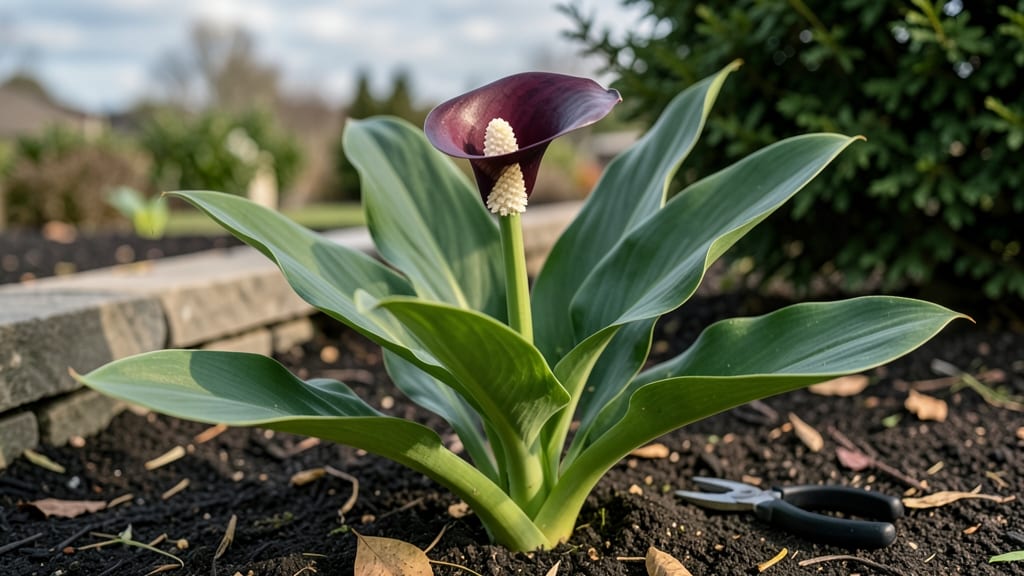
The red calla lily flower transforms any garden into a dramatic statement—those bold, striped stems and velvety blooms demand attention. 🌸 I remember my first batch: the way the deep red petals stood out against the green foliage, and how they thrived even after a light frost.
That resilience is what makes them special.
These tropical-looking plants actually handle cooler weather better than most people expect, especially in zones 8-11. They love rich, moist soil and partial shade, which makes them perfect for garden beds, containers, or even indoor arrangements.
The key is keeping their roots consistently damp without waterlogging them—once you get that balance, you’ll see those signature blooms emerge in just 8-12 weeks.
What you’ll love most is how they elevate any space—whether it’s a shady corner of your yard or a bright indoor pot. The blooms last for days when cut, and the foliage stays lush even in summer heat.
With the right care, you’ll have a garden that feels both exotic and effortlessly low-maintenance.
Ready to grow? We’ll cover everything from soil prep to frost protection, so you can enjoy these showstoppers all season long. The first step is choosing the right spot—let’s get started!
📚 In This Guide
- What you need
- Instructions
- Tips and common mistakes
- Wrapping up and next steps
What you need
- ● Red calla lily rhizomes: 3–5 healthy, firm rhizomes (ensure they have visible growth points).
- ● Well-draining potting mix: 5–10 gallons (for containers) or enriched garden soil (for in-ground planting). Mix in perlite or sand (20%) for aeration.
- ○ Containers (optional for pots): Large pots (12–18 inches deep) with drainage holes, or a raised bed (if growing in-ground).
- ● Slow-release fertilizer: Balanced 10-10-10 or organic options like composted manure (1–2 tbsp per plant).
- ● Watering can or hose with a gentle spray nozzle.
- ○ Mulch (optional but recommended): 2–3 inches of organic mulch (straw or shredded bark) to retain moisture and regulate soil temp.
- ● Pruning shears: For trimming dead foliage or spent blooms.
- ○ Gloves (optional): To protect hands from rhizome sap (can irritate skin).
- ● Epsom salt: 1 tbsp dissolved in water monthly for magnesium boost (great for vibrant blooms!).
- ● Plant support: Small stakes or cages if stems need extra stability.
- ● Shade cloth (30–50% coverage): For hot climates to protect leaves from scorching.
- ● Soil pH test kit: Calla lilies prefer slightly acidic soil (pH 6.0–7.0).
- ● Rhizome divider: For splitting and propagating mature rhizomes after 2–3 years.
Step-by-step guide to growing stunning red calla lilies
Here's how to cultivate bold, frost-tolerant blooms that thrive in partial shade.
🌱 Step 1: Choose the Right Planting Location
Callas love moisture but hate soggy roots. Pick a spot with partial shade (3-6 hours of morning sun) and well-draining soil. I dig a hole twice as wide as the root ball but only as deep as the container it came in—callas hate being buried too deeply. The soil should feel slightly damp but not wet when you squeeze it.
Here's the thing—callas spread aggressively. Space your 4 plants 18-24 inches apart to give them room to grow. If you're planting in containers, use pots at least 12 inches deep with drainage holes. I add a 1-inch layer of gravel at the bottom first to prevent root rot from sitting water.
💧 Step 2: Plant and Water for Establishment
Place the plant in the hole so the crown sits just 1 inch below soil level. Fill around the roots with native soil mixed with 2 inches of compost—this improves drainage while keeping moisture. Water deeply right after planting until the soil is 6 inches down feels saturated.
Don't overwater now. You'll know it's right when the surface looks slightly damp but not glistening. Mulch with 2-3 inches of shredded bark to keep roots cool and retain moisture. Callas are frost-resistant, but young plants need consistent moisture to establish roots before winter.
☀️ Step 3: Maintain Consistent Moisture and Light
Water once weekly during the first growing season, but check the soil first—if the top 2 inches feel dry, it's time. Callas are drought-tolerant once established, but they won't bloom well if stressed. I water in the morning so foliage dries quickly and reduces fungal risks.
Here's where it gets fun—watch for the first striped stems emerging in late spring. These are your blooms! If stems grow leggy or pale, your light is too low. Move plants to a sunnier spot gradually over a week to avoid shocking them. Too much direct afternoon sun can scorch the leaves, so partial shade is key.
✂️ Step 4: Divide and Prune for Long-Term Health
Every 3-4 years, divide clumps in early spring when new shoots appear. Dig up the plant and separate sections with 3-5 healthy tubers each. Replant immediately in fresh soil. This prevents overcrowding and keeps blooms vibrant. I use a sharp knife to cut through thick rhizomes—sterilize it with rubbing alcohol first to avoid spreading disease.
Deadhead spent blooms by cutting stems at the base. This encourages more flowers and keeps the plant tidy. In fall, cut back foliage to 4 inches tall after the first frost. The rhizomes will overwinter just fine, and you'll see fresh growth in spring without any extra work.
Tips & tricks for perfect red calla lily flower growth
Confession: I struggled with calla lilies for years until I learned these simple tricks that make all the difference.
Soil Preparation Secret: Before planting, mix a handful of perlite or coarse sand into your native soil to improve drainage. Callas hate soggy roots, and this extra step prevents the most common problem I see—yellowing leaves from root rot. I also recommend testing your soil pH; callas prefer slightly acidic soil around 6.5-7.0. If your soil is too alkaline, add peat moss to the planting hole to acidify it.
Planting Depth Matters: The crown should sit just 1 inch below soil level—no deeper! I've seen gardeners bury them too deeply, which causes the plant to rot. After planting, press the soil gently around the roots to eliminate air pockets, then water deeply. The soil should feel damp 6 inches down, not just at the surface. This ensures the roots establish properly right from the start.
Light Transition Strategy: If you're moving established callas to a new location, don't expose them to full sun immediately. Gradually increase sunlight over 7-10 days by moving them to slightly sunnier spots each day. Sudden full sun can scorch the leaves, and I've ruined more callas this way than any other mistake. The goal is 3-6 hours of morning sun, never harsh afternoon rays.
Frost Protection Tip: While callas are frost-resistant, young plants need extra care. After the first frost, cut back foliage to 4 inches tall but leave the rhizomes in the ground. They'll overwinter perfectly, and you'll see fresh growth in spring without any extra work. For extreme winters, add a thick layer of mulch (4-6 inches) around the base to insulate the rhizomes.
Pro Tips for Red Calla Lily Flower
- Confession: I struggled with calla lilies for years until I learned these simple tricks that make all the difference.
- Soil Preparation Secret: Before planting, mix a handful of perlite or coarse sand into your native soil to improve dr...
- Planting Depth Matters: The crown should sit just 1 inch below soil level—no deeper! I've seen gardeners bury them to...
Frequently asked questions
Got questions about growing red calla lilies? You’re not alone! Here are some of the most common queries—plus straightforward answers to help you cultivate these striking blooms with confidence.
How do I propagate red calla lilies from tubers?
Red calla lilies thrive when propagated from healthy tubers. In early spring, plant them 2–3 inches deep in well-draining soil, spacing them 12–18 inches apart. Water lightly after planting, and place them in bright, indirect light (they tolerate partial shade). Avoid overwatering—tubers rot easily!
Are red calla lilies frost-resistant?
While they’re hardy to USDA Zone 8+, red calla lilies aren’t frost-tolerant. In colder climates, dig up tubers before the first frost, store them in dry peat moss or sand at 40–50°F, and replant in spring. Mulch heavily if leaving them in the ground—never let soil freeze!
Why aren’t my red calla lilies blooming?
Blooms often lag due to light, nutrients, or dormancy. Ensure they get 6+ hours of sunlight daily and feed with a balanced fertilizer (10-10-10) every 4–6 weeks during growing season. If tubers aren’t dormant (6–8 weeks of rest in winter), they may skip flowering. Patience is key!
What’s the best alternative if red calla lilies don’t thrive in my climate?
Try black calla lilies (Zantedeschia aethiopica)—they’re hardier (Zone 7+) and bloom prolifically in cooler temps. For bold color, consider elephant ears (Alocasia) or ginger lilies (Hedychium). All three add tropical drama to gardens!
How do I keep pests away from my red calla lilies?
Watch for aphids, slugs, and spider mites. Spray leaves with neem oil or insecticidal soap for soft-bodied pests. Slugs? Set out beer traps or diatomaceous earth. For prevention, mulch with coarse bark to deter crawlers—keep plants healthy and hydrated to boost natural resistance!
Still stumped? Drop your question in the comments—we’re happy to help your red callas thrive!
Wrapping up and next steps
The red calla lily isn’t just a stunning addition to your garden—it’s a bold, low-maintenance superstar that thrives with minimal fuss! 🌸 Whether you’re drawn to its dramatic striped stems or frost-resistant charm, these flowers reward patience with breathtaking blooms year after year.
Ready to turn your outdoor space into a showstopper?
Your next step? Grab those gloves, mark your planting spots, and dive in! Start small—even a single calla lily can make a statement. And if you’re feeling adventurous, experiment with companion plants to create a lush, vibrant display. Happy gardening! 🌱