
Flowers
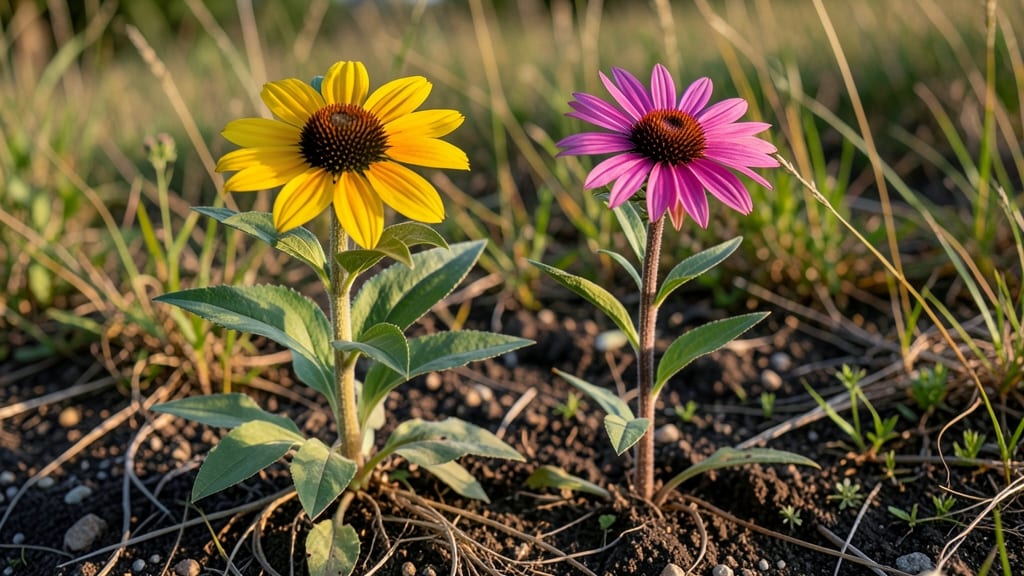
Indiana’s purple wildflowers turn ordinary gardens into vibrant pollinator magnets—and the best part? They thrive without fuss. 🌸 I’ve spent years watching these native beauties—like purple coneflower and wild bergamot—draw bees, butterflies, and hummingbirds while outcompeting weeds.
The secret lies in their deep roots and drought tolerance, making them perfect for Hoosier landscapes where summers stretch long and dry.
Start with three easy-to-find varieties: purple coneflower (Echinacea purpurea), butterfly milkweed (Asclepias tuberosa), and wild bergamot (Monarda fistulosa). These bloom from early summer through fall, offering months of color while supporting local ecosystems.
Plant them in sunny borders, meadows, or even modern containers—they adapt effortlessly to cottage charm or minimalist designs, as long as the soil drains well.
Your garden will hum with life by midsummer, as bees chase nectar and monarchs lay eggs on milkweed. The purple hues deepen as the season progresses, creating a living tapestry that changes with each passing week.
Pair them with silver foliage like lamb’s ear or goldenrod for contrast, and watch how these tough natives turn even rocky soil into a thriving ecosystem.
Whether you’re restoring a prairie patch or adding low-maintenance color to a small yard, these wildflowers deliver. They self-seed reliably, reducing annual replanting, and their deep roots prevent erosion—ideal for slopes or rain gardens. Let’s bring Indiana’s native purple power to your landscape!
📚 In This Guide
- What you need
- Instructions
- Tips and common mistakes
- Wrapping up and next steps
What you need
- ● Native purple wildflower seeds: Choose from Indiana favorites like Purple Coneflower (Echinacea purpurea), Butterfly Milkweed (Asclepias tuberosa), or Wild Bergamot (Monarda fistulosa). Aim for 1-2 lbs of seed mix for a 10’x10’ plot.
- ○ Well-draining soil: Native wildflowers thrive in sandy loam or clay-loam soil with a pH of 6.0–7.5. Test your soil with a pH test kit (optional but recommended).
- ● Compost or organic matter: Mix in 2–3 inches of compost to enrich soil before planting.
- ● Water source: A hose with a sprinkler attachment or drip irrigation system for consistent moisture.
- ● Hand trowel or transplanting tool for seedling placement.
- ● Rake (with fine teeth) to loosen soil and create seedbed furrows.
- ● Garden gloves to protect your hands from thorns (like those on Milkweed).
- ○ Mulch (optional): Use straw or shredded leaves (1–2 inches) to retain moisture and suppress weeds.
- ● A sunny location with at least 6 hours of direct sunlight daily (most native wildflowers are full-sun lovers!).
- ● Patience! Wildflowers may take 2–3 years to reach full bloom but require minimal upkeep once established.
- ○ Local knowledge (optional but helpful): Check with the Indiana DNR or native plant nurseries for region-specific recommendations.
How to design a stunning purple wildflower meadow in Indiana
Indiana's native wildflowers bring color, life, and pollinator support to any landscape—here's how to create a thriving purple-dominated meadow.
🌱 Step 1: Choose the Right Location and Prepare the Soil
Select a sunny spot with at least 6 hours of direct sunlight daily—most purple Indiana wildflowers thrive in full sun but tolerate light shade. Avoid low-lying areas where water pools, as soggy soil invites fungal diseases. I always test soil drainage by digging a 6-inch hole, filling it with water, and checking if it drains within 4-6 hours. If not, amend with 2-3 inches of compost or build a raised bed.
Native wildflowers prefer lean soil, so resist the urge to fertilize heavily. Instead, spread a ¼-inch layer of compost over the area and lightly rake it in. This improves soil structure without overwhelming plants with excess nutrients. The goal is loose, well-draining soil that mimics Indiana's natural prairie conditions.
🌿 Step 2: Select and Plant Native Purple Wildflowers
Indiana's purple wildflower stars include purple coneflower (Echinacea purpurea), wild bergamot (Monarda fistulosa), and butterfly milkweed (Asclepias tuberosa). I plant in 3-foot clusters to create natural drifts that attract pollinators. Start with 10-15 plants per cluster for immediate impact, spacing them 12-18 inches apart depending on mature size.
Plant in early spring or fall when soil temperatures are cool. Dig holes twice as wide as the root ball but no deeper. Place each plant so the top of the root ball sits ½ inch below soil level, then backfill with native soil. Water deeply to settle roots, and avoid fertilizing—these plants evolved in nutrient-poor prairie soils and perform best without extra food.
☀️ Step 3: Establish and Maintain the Wildflower Meadow
For the first 2-3 weeks, water deeply 2-3 times per week to encourage root establishment. After that, reduce watering to once weekly during dry spells, as established wildflowers are drought-tolerant. You'll know your meadow is thriving when purple blooms appear in late spring and persist through summer, with occasional reseeding keeping the display vibrant year after year.
Mulch lightly with straw or native grass clippings to suppress weeds without smothering new growth. Avoid synthetic mulches or heavy layers—wildflowers need sunlight to germinate. In late fall, cut back dead foliage to 2-3 inches above ground level to protect roots from winter winds while allowing sunlight to reach emerging seedlings in spring.
✂️ Step 4: Encourage Pollinators and Long-Term Growth
Leave seed heads on 10-20% of plants each year to provide food for birds and allow natural reseeding. I always leave a few stalks of purple coneflower and wild bergamot standing—they’re stunning in winter and critical for pollinator survival. If weeds become aggressive, spot-treat with vinegar-based herbicide in early spring before wildflowers emerge, or hand-pull when soil is moist.
After 2-3 years, your meadow will establish a self-sustaining ecosystem. At that point, you can reduce maintenance to one annual cut in late fall and occasional deadheading of spent blooms. The key is patience—Indiana's native wildflowers reward long-term care with vibrant purple blooms, pollinator activity, and minimal upkeep once established.
Tips & tricks for perfect purple Indiana wildflower meadows
Creating a thriving purple wildflower meadow takes more than just planting—it's about understanding the subtle details that make all the difference. Here's what I've learned after years of working with Indiana's native beauties.
Location and Drainage: That 6-hour sunlight requirement is non-negotiable for vibrant blooms, but here's what nobody tells you: test drainage in multiple spots. I've seen "sunny" areas that pool water after heavy rains—this leads to root rot. If your soil doesn't drain within 4-6 hours, consider building a raised bed with native soil and compost. The 2-3 inches of compost we add isn't just for nutrients—it's to create that perfect airy, prairie-like structure.
Planting Strategy: Those 3-foot clusters aren't arbitrary—they mimic natural prairie groupings where pollinators can efficiently navigate. When planting your 10-15 plants per cluster, stagger the clusters in a diagonal pattern. This creates visual interest and prevents the "row crop" look that detracts from natural beauty. Also, plant slightly deeper than the root ball—about ½ inch below soil level—so roots have room to expand without heaving up during freeze-thaw cycles.
Watering Wisdom: The 2-3 times weekly watering during establishment is crucial, but timing matters more than quantity. Water in the early morning so foliage dries quickly, preventing fungal issues. After the initial 2-3 weeks, you'll notice the plants develop deeper roots and become more drought-tolerant. That's when you can reduce to weekly watering—just remember, established wildflowers need less water, not more.
Long-Term Maintenance: When you leave those seed heads on 10-20% of plants, you're not just being lazy—you're creating a food source for goldfinches and other birds that time their migrations with wildflower seed availability. For the annual fall cut, use sharp pruners and cut at a 45-degree angle about 2-3 inches above ground level. This prevents disease spread and creates cleaner cuts that heal better.
Pro Tips for Purple Indiana Wildflowers
- Creating a thriving purple wildflower meadow takes more than just planting—it's about understanding the subtle details that make all the difference.
- Location and Drainage: That 6-hour sunlight requirement is non-negotiable for vibrant blooms, but here's what nobody tells you: test drainage in multiple spots.
- Planting Strategy: Those 3-foot clusters aren't arbitrary—they mimic natural prairie groupings where pollinators can efficiently navigate.
Frequently asked questions
about purple Indiana wildflowers—because every gardener deserves clarity! Whether you're a beginner or a seasoned pro, these answers will help you grow (and troubleshoot) with confidence.When is the best time to plant purple wildflowers in Indiana?
For most native purple wildflowers like Echinacea purpurea (coneflower) or Asclepias tuberosa (butterfly weed), spring (March–April) or early fall (September–October) are ideal. Spring planting gives roots time to establish before summer heat, while fall planting avoids drought stress. Pro tip: If sowing seeds, wait until after the last frost for best germination!
How much water do purple Indiana wildflowers need once established?
Once rooted, most native wildflowers are drought-tolerant! Water deeply once a week during the first growing season to encourage strong roots. After that, rainfall usually suffices—overwatering can harm them. Watch for wilting: If leaves droop in dry spells, give them a drink, but avoid soggy soil.
Are purple wildflowers attractive to pollinators like bees and butterflies?
Purple blooms like Monarda didyma (bee balm) and Lobelia cardinalis (cardinal flower) are pollinator magnets. Plant them in clusters to maximize their benefits for bees, butterflies, and hummingbirds. Bonus: Native species support local ecosystems better than non-natives.
What if my purple wildflowers aren’t blooming?
Common reasons include over-fertilizing (wildflowers prefer lean soil), poor sunlight (most need full sun), or immature plants (some take 2+ years to bloom). Fix it: Trim spent blooms to encourage reblooming, ensure 6+ hours of sun daily, and avoid high-nitrogen fertilizers.
Can I grow purple wildflowers in containers or small gardens?
Yes! Compact varieties like Salvia nemorosa (purple sage) or Coreopsis verticillata thrive in containers (12"+ pots). Use well-draining soil and place them in full sun. Tip: Group 3–5 plants together for a "wildflower meadow" effect, even in tight spaces!
Are there any purple wildflowers to avoid in Indiana?
Skip invasive species like Lythrum salicaria (purple loosestrife), which crowds out natives. Stick to Indiana-native options listed in the article—they’re low-maintenance, ecologically friendly, and perfect for Hoosier gardens! Check local resources: The Indiana DNR offers great plant guides.
Wrapping up and next steps
From the delicate Wild Bergamot to the bold Purple Coneflower, Indiana’s native purple wildflowers offer a burst of color and ecological benefits that are hard to match.
Whether you're a seasoned gardener or just starting, these resilient plants are perfect for adding beauty and supporting local wildlife to your Hoosier garden. 🌸
Ready to transform your outdoor space? Start small—pick one or two wildflowers to plant this season, and watch your garden thrive with vibrant purple blooms year after year!