
Lawn
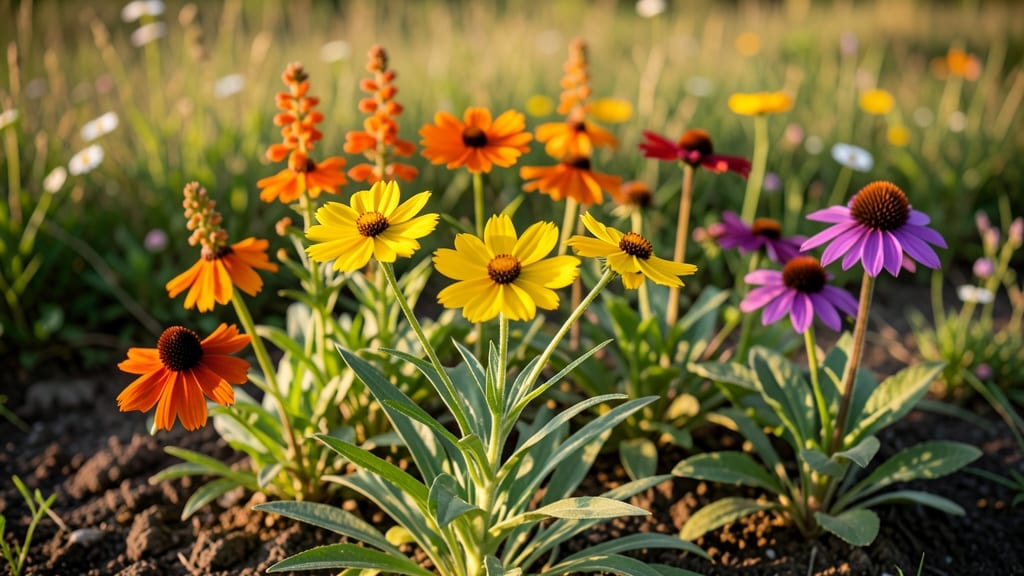
Planting a Georgia wildflower seed mix transforms your yard into a buzzing pollinator paradise that thrives year-round. 🌸 I’ve watched monarch butterflies, honeybees, and hummingbirds turn my once-dormant landscape into a vibrant ecosystem—all from a simple packet of native seeds.
The key isn’t just tossing seeds and hoping; it’s timing, soil prep, and understanding what Georgia’s wildlife actually needs to flourish.
The best time to sow is early spring or fall when soil temps hover around 60°F—cool enough to prevent seed burn but warm enough for quick germination. Skip the heavy tilling; wildflowers love loose, well-draining soil with minimal fuss.
Once planted, they’ll outcompete weeds naturally, so no need for fancy mulch or fertilizers. Just water lightly for the first two weeks, and let nature take over.
By midsummer, you’ll see a riot of color—purple coneflowers, golden black-eyed Susans, and delicate blue lupines—that keeps blooming until frost. The real magic? Your garden becomes a pollinator hotel, with bees, butterflies, and birds visiting daily.
Even better, these native plants require far less water and care than turfgrass, saving you time and money.
This mix works in full sun to part shade, whether you’re seeding a full yard or a small container. The only “mistake” I’ve made? Overwatering new seedlings—wildflowers hate soggy roots. Stick to the basics, and you’ll have a low-maintenance, high-reward garden that gives back to Georgia’s ecosystem every season.
📚 In This Guide
- What you need
- Instructions
- Tips and common mistakes
- Wrapping up and next steps
What you need
- ● Georgia Wildflower Seed Mix – 1-5 lbs (depending on area size; check the package for coverage rates).
- ● Garden soil or compost – Enough to amend 2-3 inches deep in your planting area.
- ● Garden rake – For loosening soil and leveling the area.
- ● Hose with a gentle spray nozzle – For watering seeds without disturbing them.
- ○ Garden twine or stakes – Optional but helpful for marking planting rows (if needed).
- ● Broadcast spreader – Makes seeding large areas easier and more even.
- ● Lightweight mulch or straw – ¼-inch layer to retain moisture (especially useful in hot Georgia summers).
- ● Garden gloves – Protects your hands from soil and prickly stems.
- ● Soil test kit – Ensures your soil pH (6.0-7.0 is ideal for most wildflowers).
- ○ Birdseed or suet feeder – Optional but fun for attracting pollinators early in the process!
Step-by-Step guide to planting a thriving Georgia wildflower meadow
Turn your yard into a buzzing pollinator haven with this seasonal planting approach.
🌱 Step 1: Prepare Your Planting Site for Season-Long Success
Start by selecting a sunny location with at least 6 hours of direct sunlight daily. Georgia wildflowers thrive in full sun, so avoid shaded spots where plants will grow leggy and weak. Clear the area of weeds and grass, then loosen the top 4-6 inches of soil with a garden fork or tiller to improve drainage and root penetration.
Here's the thing—wildflowers need good soil contact to establish quickly. Rake the surface smooth but don't compact it. You want soil that's firm enough to hold seeds but loose enough for roots to push through easily. For rocky or clay-heavy soil, mix in 1-2 inches of compost to improve texture and fertility before planting.
💧 Step 2: Scatter Seeds Strategically for Natural Beauty
Spread the wildflower seeds evenly across your prepared area using a broadcast spreader or by hand. For a 4,000 sq ft area, you'll need about 1-2 pounds of seed mix—this ensures good coverage without overcrowding. Lightly rake the seeds into the soil with a fine-toothed rake, pressing them just enough to make contact with the earth but not burying them deeper than ¼ inch.
Don't skip this step—proper seed-to-soil contact is critical for germination. If seeds are too deep, they may never emerge. After scattering, give the area a gentle misting with water to settle the seeds without disturbing their placement. You'll see the first tiny sprouts appear in 7-14 days, depending on soil moisture and temperature.
☀️ Step 3: Maintain Moisture Without Overwatering
Keep the soil consistently moist for the first 4-6 weeks after planting—this is when roots establish most deeply. Water deeply 2-3 times per week, aiming for ½ inch of water per session. Use a rain gauge or tuna can to measure—you want the top 2 inches of soil to stay damp but not soggy. Overwatering at this stage can lead to seed rot or fungal issues.
Once seedlings reach 2-3 inches tall, reduce watering to once per week unless you experience extended dry spells. Mature wildflowers are incredibly drought-tolerant, so the goal is to establish them without smothering them. You'll know moisture is right when the soil feels like a wrung-out sponge—damp but not dripping.
✂️ Step 4: Let Nature Take Over with Minimal Maintenance
Wildflowers thrive with very little intervention after establishment. Once plants reach 6-8 inches tall, you can mow the area to 4 inches in late summer to encourage new growth and prevent seed heads from dominating. This also helps control weeds naturally. Time your first mow for early September—just as the first frost approaches—to allow seeds to set properly.
Leave seed heads over winter if possible—they provide food for birds and shelter for beneficial insects. In early spring, you might spot some volunteer seedlings popping up naturally. This is a good sign! Wildflowers spread easily, so you'll likely see your meadow expand over time without additional planting.
🪴 Step 5: Enhance Your Meadow Year After Year
For a truly vibrant display, consider adding a top dressing of compost in early spring each year. This boosts soil fertility without the need for chemical fertilizers. You'll also want to monitor for invasive species—pull any aggressive weeds by hand before they crowd out your wildflowers. Georgia's native species are tough competitors once established, but early intervention makes all the difference.
Real talk: The first year might look sparse, but by year two, your meadow will explode with color and activity. This is when pollinators like bees, butterflies, and hummingbirds will truly notice—and so will your neighbors. The key is patience. Wildflowers grow at their own pace, and the results are worth every minute of waiting.
Tips & tricks for perfect Georgia wildflower meadow planting
Here's what nobody tells you about making your wildflower meadow truly thrive—these are the details that separate a patchy garden from a vibrant pollinator paradise.
Soil Preparation Secret: In Step 1, when loosening that 4-6 inches of soil, focus on breaking up any compacted layers without turning the soil into powder. Think of it like fluffing a pillow—you want to create pockets for roots to settle into, not a fine, airless dust. For clay-heavy soil, mix in that 1-2 inches of compost evenly and let it sit uncovered for 24 hours before planting. This pre-hydration helps the compost integrate better and prevents clumping when you work the seeds in.
Seed Scattering Technique: When you're scattering those 1-2 pounds of seed mix across your 4,000 sq ft area in Step 2, walk in a grid pattern rather than random circles. This ensures even distribution and prevents thick patches that can lead to overcrowding. After scattering, use your rake to create gentle furrows about ¼ inch deep—just enough to nestle seeds without burying them. Think of it like making tiny trenches for your seeds to settle into snugly.
Watering Wisdom: During those critical first 4-6 weeks in Step 3, water in the early morning rather than evening to prevent fungal issues. Use a sprinkler with a fine mist setting to deliver that ½ inch per session without disturbing the delicate seedlings. I've found that setting a timer for 20-30 minutes twice weekly works perfectly—just place a tuna can in the water path to verify depth. The goal is to keep the top 2 inches consistently damp, not soggy.
Mowing Mastery: When your plants reach 6-8 inches in Step 4, don't cut too short—always leave at least 4 inches of growth. This height protects beneficial insects and allows roots to photosynthesize. I use a string trimmer for edges and a scythe for larger areas; both leave cleaner cuts than most lawnmowers. And remember: that first mow in early September is crucial for setting next year's seeds while still allowing current blooms to finish their cycle.
Pro Tips for Georgia Wildflower Seed Mix
- Here's what nobody tells you about making your wildflower meadow truly thrive—these are the details that separate a patchy garden from a vibrant pollinator paradise.
- Soil Preparation Secret: In Step 1, when loosening that 4-6 inches of soil, focus on breaking up any compacted layers without turning the soil into powder.
- Seed Scattering Technique: When you're scattering those 1-2 pounds of seed mix across your 4,000 sq ft area in Step 2, walk in a grid pattern rather than random circles.
Frequently asked questions
Got questions about transforming your Georgia landscape with wildflowers?
Here are answers to the most common ones—so you can plant with confidence and watch your pollinator paradise bloom!
When is the best time to plant Georgia wildflower seed mix?
For spring blooms, sow seeds in late winter to early spring (February–March) after the last frost. For fall color, plant in September–October—this gives roots time to establish before winter. Avoid planting in peak summer heat, as seeds need moisture to germinate.
How much water do wildflower seeds need to germinate?
Keep soil consistently moist (not soggy!) for the first 2–3 weeks after planting. Water lightly daily (or more often in hot/dry spells) until seedlings sprout. Once established, wildflowers are drought-tolerant—reduce watering to once a week (or less in rainier seasons).
Will Georgia wildflower seed mix attract bees and butterflies?
Absolutely!
This mix includes native pollinator favorites like black-eyed Susan, coneflower, and milkweed—all magnets for bees, butterflies, and hummingbirds. For extra impact, pair with native grasses to create a full ecosystem. Just avoid pesticides to keep your winged visitors thriving!
Can I plant wildflower seeds in existing grass?
Yes, but prep is key! Mow grass short, then use a scratch hoe or rake to loosen soil and create furrows for seeds. For best results, kill grass first with a vinegar spray or solarization (cover with plastic for 4–6 weeks in summer). Wildflowers compete poorly with thick turf.
What if my seeds don’t sprout after 3–4 weeks?
Don’t panic! Try these fixes:
- Check moisture: Seeds need consistent dampness—water gently if soil feels dry.
- Test depth: Most wildflower seeds need only ¼-inch soil coverage (or none for larger seeds like milkweed).
- Wait longer: Some varieties (like coreopsis) sprout in 4–6 weeks.
- Replant: If no sprouts appear after 6 weeks, try a fresh batch—seed viability drops after 1–2 years.
Do I need to fertilize Georgia wildflower seeds?
No! Wildflowers thrive in low-nutrient soil and often outcompete weeds without extra fertilizer. Over-fertilizing can actually reduce blooms and attract pests. Instead, amend soil lightly with compost before planting for better germination.
Wrapping up and next steps
Transforming your Georgia landscape into a vibrant, pollinator-friendly haven is easier—and more rewarding—than you think! With the right Georgia wildflower seed mix, you’re not just beautifying your space; you’re supporting local ecosystems and creating a seasonal paradise.
Start small, stay consistent, and watch your garden burst with color, life, and joy.
Ready to take the next step? Grab your seeds, roll up your sleeves, and let nature do the rest! 🌸🐝