
Flowers
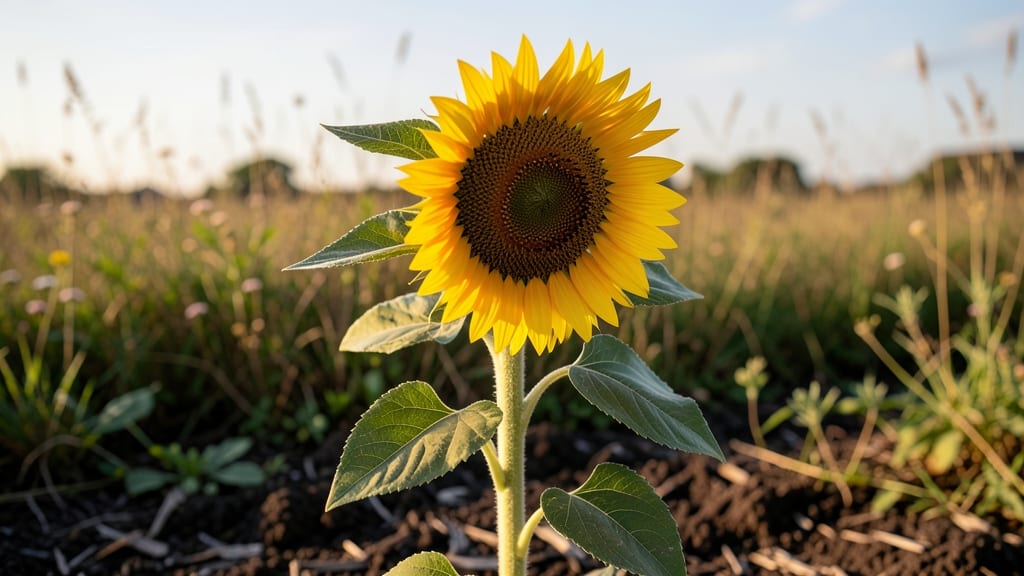
Sunflowers and Black Eyed Susans together create a garden that feels like a masterpiece in motion—tall golden sentinels paired with delicate daisy-like blooms that dance in the breeze. 🌻 I first spotted this combo in a neighbor’s border garden, and it changed how I think about height and texture in plant pairings.
The secret lies in their complementary traits: sunflowers towering at 5-6 feet while Black Eyed Susans stay compact at 1-3 feet, creating natural vertical layers that catch light differently throughout the day.
Planting them side by side is easier than you’d think—both thrive in full sun and well-drained soil, and their bloom times overlap beautifully from mid-summer through fall.
For maximum drama, space sunflowers 18-24 inches apart in the back of your bed, then tuck Black Eyed Susans 12-18 inches apart in front. The result? A living canvas where bold contrasts pop against green foliage, and late-season color keeps your garden lively when other annuals fade.
📚 In This Guide
- What you need
- Instructions
- Tips and common mistakes
- Wrapping up and next steps
What you need
- ● Sunflower seeds or seedlings: 10–20 seeds/seedlings (for height & impact)
- ● Varieties: ‘Moulin Rouge’ (red), ‘Autumn Beauty’ (multi-color), or ‘Russian Giant’ (tall & classic)
- ● Black-eyed Susan seeds or seedlings: 20–30 seeds/seedlings (for full coverage)
- ● Varieties: ‘Goldsturm’ (golden-yellow), ‘Indian Summer’ (deep red), or ‘Celebration’ (mixed colors)
- ● Well-draining soil: Mix garden soil with compost (ratio: 3:1) for optimal growth.
- ● Organic fertilizer: 10-10-10 or a slow-release granular blend (follow package instructions).
- ● Mulch: 2–3 inches of shredded bark or straw to retain moisture.
- ● Hand trowel or transplanting spade
- ● Garden gloves (to protect your hands!)
- ● Watering can or hose with a gentle spray nozzle
- ● Measuring tape (to space plants 12–18" apart)
- ○ Optional: Raised garden bed kit (for better drainage & control).
- ● Sunny location: 6+ hours of direct sunlight daily (sunflowers thrive in full sun!).
- ● Planting timeline: Sunflowers: Start indoors 4–6 weeks before last frost or direct-sow after frost.
- ● Black-eyed Susans: Direct-sow after last frost (they’re frost-sensitive!).
- ● Watering schedule: Keep soil consistently moist (not soggy) until established.
Step-by-step planting for stunning sunflower and Black Eyed Susan pairings
Here’s how to create a showstopping garden combo that thrives all season long.
🌱 Step 1: Choose Planting Sites for Sunlight and Soil
Sunflowers demand full sun—at least 6-8 hours daily—while Black Eyed Susans tolerate 5-6 hours but bloom best with more. I plant sunflowers in the sunniest spot, often near the garden’s edge, where their towering stems won’t shade the shorter Susans. Both need well-draining soil, so amend heavy clay with 2-3 inches of compost before planting.
Dig holes twice as wide as the root balls but only as deep as the containers they came in. Sunflowers have deep taproots—disturbing them too much slows growth. Loosen the soil around the roots gently with your fingers, then backfill with native soil mixed with a handful of compost. Pat lightly to remove air pockets but don’t compact.
🌿 Step 2: Plant for Height and Seasonal Flow
Place sunflowers in the back of your bed or along fences, where their 4-12 foot stems can reach their full height without toppling. I space mine 18-24 inches apart in rows 2 feet apart to allow airflow and prevent mildew. Black Eyed Susans, which grow 2-3 feet tall, go in front or interspersed between sunflowers for a layered look.
Here’s the thing—sunflowers bloom in late summer to fall, while Black Eyed Susans start in mid-summer and often rebloom into frost. By planting sunflowers slightly behind the Susans, you create a progressive color shift as the season moves along. Water deeply after planting to settle the soil and encourage root spread.
☀️ Step 3: Water and Feed for Maximum Impact
Both plants need deep watering 1-2 times weekly once established, but sunflowers drink the most—especially in their first month. I water at the base in the early morning to reduce evaporation and fungal risks. Black Eyed Susans are drought-tolerant once rooted but reward consistent moisture with bigger blooms.
Fertilize sunflowers with a balanced 10-10-10 formula at planting, then again when stems reach 12 inches tall. Susans don’t need extra food—too much nitrogen makes them leafy instead of flowery. Mulch both with 2 inches of straw to retain moisture and suppress weeds. Watch for yellowing leaves—a sign of overwatering or nutrient burn.
✂️ Step 4: Deadhead and Maintain for Long-Lasting Color
Cut back sunflower heads once they fade to redirect energy into new blooms (though most are annuals). For Black Eyed Susans, snip spent blooms just above the next set of leaves to encourage reblooming. I deadhead Susans every 2 weeks through summer and fall—this keeps them flowering until frost.
Watch for Japanese beetles on sunflowers or aphids on Susans. Blast pests off with water first, then treat with neem oil if needed. Stake tall sunflowers if your area gets windy—they can flop dramatically. Susans rarely need support but may lean if crowded. Thin them to 12-18 inches apart if they get too dense.
Tips & tricks for perfect sunflower and Black Eyed Susan pairings
A few simple tricks will help you create a garden display that steals the show from spring through fall.
Sunlight Strategy: I can't emphasize enough how critical those 6-8 hours of sunlight are for sunflowers. If your yard has partial shade, position them where they'll get the most direct morning sun—this is when the light is strongest. Black Eyed Susans will still perform well with just 5-6 hours, but I've noticed they produce more vibrant blooms when they get a few extra hours of light in the afternoon too.
Root Care Secret: When planting sunflowers, resist the urge to bury them too deeply. Their taproots are delicate, and planting them too deep can actually stunt their growth. Remember, the hole should only be as deep as the container they came in—no deeper! For both plants, gently loosening the soil around the roots with your fingers creates better contact with the earth, helping them establish faster.
Seasonal Layering: The real magic happens when you plant sunflowers slightly behind the Black Eyed Susans. This creates that beautiful progressive bloom sequence I mentioned—first the Susans in mid-summer, then the sunflowers taking over as summer fades. If you're working with a small space, consider staggering your sunflowers in rows with different heights. The tallest in the back, medium in the middle, and shorter varieties in front creates a stunning vertical effect.
Watering Wisdom: That first month is critical for sunflowers—they drink more than you'd expect! I've learned the hard way that giving them a deep watering 1-2 times weekly at the base (not overhead) prevents fungal issues and encourages those deep taproots to develop properly. For Susans, I water less frequently but more deeply once they're established—they'll reward you with bigger, showier blooms.
Pro Tips for Sunflowers And Black Eyed Susans
- A few simple tricks will help you create a garden display that steals the show from spring through fall.
- Sunlight Strategy: I can't emphasize enough how critical those 6-8 hours of sunlight are for sunflowers.
- Root Care Secret: When planting sunflowers, resist the urge to bury them too deeply.
Frequently asked questions
Got questions about pairing sunflowers and black-eyed Susans? You’re not alone!
These bold blooms create stunning contrasts, but timing, care, and placement can make all the difference. Here are answers to the most common queries to help you nail that garden drama.
When is the best time to plant sunflowers and black-eyed Susans together?
For a cohesive look, plant sunflowers first in early spring (after the last frost) since they germinate faster. Black-eyed Susans thrive when planted 2–3 weeks later (mid-spring) to avoid competition. If you’re in a warm climate, stagger plantings in fall for winter interest!
How do I keep black-eyed Susans from getting overshadowed by sunflowers?
Sunflowers cast serious shade! Place black-eyed Susans 3–4 feet away from sunflowers or opt for shorter varieties (like ‘Teddy Bear’ sunflowers). For height contrast, tuck black-eyed Susans behind sunflowers in mixed borders. Prune sunflowers lightly to open up light gaps.
Why aren’t my black-eyed Susans blooming near the sunflowers?
Black-eyed Susans need full sun (6+ hours/day)—if sunflowers block light, they’ll bolt or flop. Try:
- Thinning sunflower seedlings to 12–18 inches apart.
- Planting black-eyed Susans on the east side of sunflowers for morning sun.
- Deadheading spent sunflower blooms to redirect energy to leaves (not height).
What other flowers pair well with sunflowers and black-eyed Susans?
For a wow garden, try these combos:
- Height contrast: Statice, cosmos, or tall grasses (like maiden grass).
- Color pops: Purple coneflowers or salvia for a wildflower meadow vibe.
- Low-maintenance: Marigolds or zinnias for pollinator-friendly fill.
Do sunflowers and black-eyed Susans attract pests?
Both are pollinator magnets (bees, butterflies, birds—yay!), but watch for:
- Sunflowers: Aphids or bird damage (use netting for seeds).
- Black-eyed Susans: Japanese beetles (handpick or use neem oil).
Can I grow these together in colder climates?
Yes! Sunflowers are annuals (replant yearly), but black-eyed Susans are perennial in USDA zones 3–9. For winter interest:
- Plant sunflowers in late summer for fall color.
- Leave black-eyed Susan stems for winter structure (cut back in early spring).
- Mulch heavily to protect roots.
Wrapping up and next steps
Sunflowers and black-eyed Susans are a powerhouse duo for any garden, offering vibrant color, effortless charm, and year-round interest. Whether you’re a seasoned gardener or just starting, their bold contrast and low-maintenance nature make them a must-have for adding drama to your outdoor space. 🌻✨
Ready to transform your garden? Start by sketching a simple layout—place sunflowers as focal points and tuck black-eyed Susans around them for a natural, cascading effect. Grab your tools, and let your creativity bloom!