
Flowers
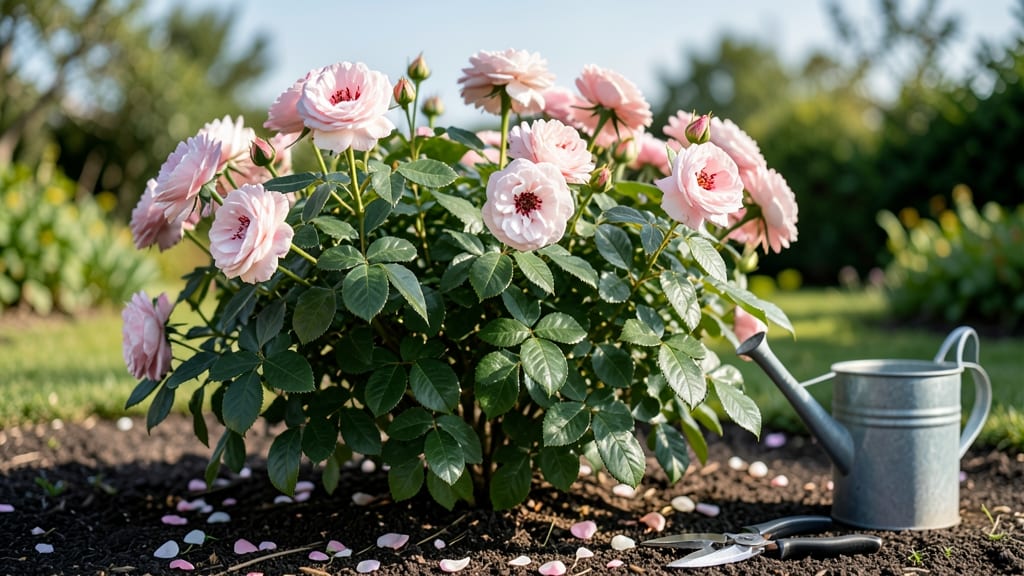
Pink, red, and white flowers in containers create a pollinator magnet that hums with bees and butterflies all summer long—especially in the Pacific Northwest’s mild, damp climate. 🌸 I’ve tested dozens of combinations, and the secret isn’t just color harmony but choosing plants that thrive together in our rainy seasons while still attracting wildlife.
The magic happens with low-maintenance perennials like catmint (Nepeta), salvia (Salvia nemorosa), and Russian sage (Perovskia)—they handle our wet springs and dry summers with ease.
Add in annuals like pink geraniums or red snapdragons for pops of color that last from June through frost, and you’ve got a container that’s both beautiful and functional.
By late July, your containers will be alive with movement—bees diving into white yarrow for nectar, monarchs fluttering through red coneflowers, and hummingbirds hovering over pink bee balm. The foliage stays lush even when blooms fade, and the scent? Pure summer in a pot.
Works for balconies, patios, or even window boxes—just swap out annuals for cold-hardy heuchera or hebe if you want year-round structure. Let’s build your pollinator paradise!
📚 In This Guide
- What you need
- Instructions
- Tips and common mistakes
- Wrapping up and next steps
What you need
- ● Flowering Plants (3-5 per container): 1 Eschscholzia californica (California Poppy) – pink or white varieties (6-12" tall)
- ● 1 Lupinus (Lupine) – pink or white (12-36" tall)
- ● 1 Achillea millefolium (Yarrow) – white or pink (12-24" tall)
- ● 1 Gaillardia (Blanket Flower) – red or pink (12-18" tall)
- ● 1 Penstemon (Beardtongue) – red or white (12-36" tall)
- ● Soil Mix: 1 5-gallon bag of high-quality potting mix (look for organic or peat-free options)
- ● Slow-Release Fertilizer: 1 pound of balanced, organic fertilizer (10-10-10 or similar)
- ● Container: 1 large container (12"+ diameter) with drainage holes (terracotta, fiberglass, or plastic)
- ○ Garden Gloves (1 pair) – Optional but recommended!
- ● Trowel or Small Shovel (for planting)
- ● Watering Can or Hose with Gentle Spray (1)
- ○ Mulch (Optional): 1 bag of cocoa hulls or bark mulch (to retain moisture)
- ○ Pollinator-Friendly Additions (Optional): Small solar-powered bug light (for evening pollinators)
- ● Decorative stones or pebbles (for drainage & aesthetics)
How to create a Pacific Northwest pollinator haven with containers
Here's how to design vibrant, low-maintenance containers that attract bees, butterflies, and hummingbirds.
🌱 Step 1: Select the Right Flower Varieties for Year-Round Interest
Choose plants that bloom sequentially to ensure continuous color and nectar. For the Pacific Northwest's mild climate, I recommend hebe for early spring blooms, salvia for mid-season color, and gaura for late summer. These varieties provide pink, red, and white flowers while supporting pollinators year-round.
Mix heights for visual appeal—tall salvia 'May Night' (3 feet) as a backdrop, mid-height hebe 'Red Tips' (2 feet), and low-growing gaura 'Crimson Butterflies' (18 inches) in front. This creates layers that attract pollinators at different heights.
🪴 Step 2: Choose Containers with Proper Drainage and Size
Use containers with at least one drainage hole to prevent root rot—especially important in the Pacific Northwest's frequent rain. I prefer 12-18 inch diameter pots for each plant, as they provide enough soil volume for strong roots while remaining manageable.
For a pollinator-friendly display, group plants in three 18-inch pots arranged at different heights. Place the tallest in the back, medium-height in the middle, and shortest in front. This creates a natural tiered effect that guides pollinators through the space.
☀️ Step 3: Position Containers for Maximum Sunlight and Wind Protection
The Pacific Northwest's partial shade and occasional wind require strategic placement. Position containers where they receive at least 6 hours of morning sun—this prevents heat stress while providing enough light for blooming. Avoid hot afternoon sun, which can scorch leaves.
Place containers near a windbreak like a fence or building. I notice my pollinator containers thrive when sheltered from prevailing winds, which can damage delicate blooms. A south-facing wall works perfectly for this climate.
💧 Step 4: Water and Fertilize for Continuous Blooms
Water when the top 1 inch of soil feels dry—this prevents soggy soil while ensuring roots stay hydrated. In the Pacific Northwest's damp climate, I water every 3-4 days in summer and reduce to once a week in winter when rainfall increases.
Feed plants with a balanced liquid fertilizer every 4-6 weeks during the growing season. I use a half-strength solution to avoid burning roots. This encourages lush, continuous blooms that keep pollinators visiting.
✂️ Step 5: Prune and Maintain for Year-Long Pollinator Support
Deadhead spent blooms regularly to encourage new flowers. I pinch off faded flowers every 2-3 weeks during the growing season—this prevents seed formation and redirects energy to new blooms. You'll see fresh flowers emerge within 10-14 days of pruning.
In late fall, cut back one-third of the plant's height to promote new growth in spring. This keeps plants compact and encourages vigorous blooming the following season. The Pacific Northwest's mild winters allow many pollinator plants to stay active year-round.
Tips & tricks for perfect pollinator haven containers
A few simple strategies will transform your containers into a thriving pollinator magnet that works with the Pacific Northwest's unique climate.
Layering for Pollinator Success: In Step 1, when arranging your salvia 'May Night' (3 feet), hebe 'Red Tips' (2 feet), and gaura 'Crimson Butterflies' (18 inches), think vertically like a forest understory. Bees prefer lower blooms (18-24 inches), while butterflies and hummingbirds will visit the taller flowers. This three-tiered approach mimics natural ecosystems where pollinators forage at different heights.
Container Material Matters: For Step 2, while terracotta pots are classic, they dry out faster in our climate. I recommend glazed ceramic or plastic containers for better moisture retention during summer's occasional dry spells. Just ensure they still have that critical drainage hole—root rot from poor drainage is the #1 killer of container plants here. The 12-18 inch diameter range gives roots enough space without becoming unwieldy.
Seasonal Sunlight Strategy: The 6 hours of morning sun in Step 3 is perfect, but watch for our famously unpredictable weather. If you notice leaves scorch after just 2-3 hours of afternoon sun, move containers to partial shade by late morning. A simple trick: place containers on casters so you can easily rotate them throughout the day to follow the sun's arc while avoiding the hottest afternoon rays.
Fertilizer Timing Tip: When feeding with balanced liquid fertilizer every 4-6 weeks (Step 4), I've found the best results come from fertilizing right after a heavy rain. The extra moisture helps dilute the fertilizer and prevents root burn. In winter, skip fertilizing entirely—our mild climate means some pollinator plants stay active, but they don't need extra nutrients during the dormant season.
Pro Tips for Pink Red White Flowers
- A few simple strategies will transform your containers into a thriving pollinator magnet that works with the Pacific Northwest's unique climate.
- Layering for Pollinator Success: In Step 1, when arranging your salvia 'May Night' (3 feet), hebe 'Red Tips' (2 feet), and gaura 'Crimson Butterflies' (18 inches), think vertically like a forest understory.
- Container Material Matters: For Step 2, while terracotta pots are classic, they dry out faster in our climate.
Frequently asked questions
about pink, red, and white flowers in Pacific Northwest containers—here’s what you need to know!What are the best low-maintenance pink, red, and white flowers for PNW containers?
Opt for hardy, drought-tolerant varieties like Geraniums (zonal or ivy types), Salvia (e.g., 'May Night'), Lobelia, or Petunias. These thrive in containers with minimal fuss and handle PNW’s variable weather. Pair them with Heuchera (for foliage contrast) and Sedum for resilience.
When is the ideal time to plant these flowers in containers in the Pacific Northwest?
Plant annuals after the last frost (mid-to-late May in most of the PNW) and perennials in early spring (March–April) or fall (September–October). Containers warm up faster than ground soil, so avoid planting tender annuals too early—wait until nighttime temps stay above 50°F (10°C) to prevent frost damage.
How do I attract more pollinators to my container garden with pink, red, and white flowers?
Choose native PNW pollinator favorites like Bee Balm (Monarda), Blanket Flower (Gaillardia), or Yarrow (Achillea) alongside your color palette. Add a shallow dish of water, avoid pesticides, and plant in clusters (3+ plants) to create "landing strips" for bees and butterflies. White flowers are especially bee-friendly!
Why are my container flowers wilting even though I’m watering them daily?
Overwatering or poor drainage are common culprits! Ensure containers have drainage holes and use well-draining soil. Check the top 1–2 inches of soil—if it’s damp, wait before watering. Pink and red flowers (like Geraniums) often wilt in heat; move containers to partial shade if temps exceed 85°F (29°C). Mulch with pebbles to retain moisture without suffocating roots.
Can I mix pink, red, and white flowers in one container successfully?
This trio creates stunning contrast and draws pollinators. Start with a neutral base (e.g., Silver Falls Dichondra or Heuchera), then layer tall reds (like Salvia), mid-height pinks (e.g., Petunias), and trailing whites (e.g., Lobelia or Sweet Alyssum). Group odd numbers (3, 5, or 7 plants) for a natural look.
Do pink, red, and white flowers survive PNW winters in containers?
Most annuals won’t survive, but perennials like Heuchera, Sedum, or Hardy Geraniums can overwinter with protection. Move containers to an unheated garage or wrap them in burlap and mulch heavily. Drainage holes should be covered to prevent waterlogging. White flowers (e.g., Hellebores) are often winter-hardy choices!
Wrapping up and next steps
Transforming your Pacific Northwest space into a vibrant pollinator haven with pink, red, and white flowers is simpler—and more rewarding—than you think! 🌸 Whether you’re a seasoned gardener or just starting, these container-friendly blooms bring color, life, and ecological benefits to your balcony or patio. Start small, experiment with combinations, and watch your garden thrive.
Ready to take the next step? Pick one or two flowers from this guide, grab your containers, and begin planting! Your local pollinators—and your garden—will thank you. 🐝✨