
Flowers
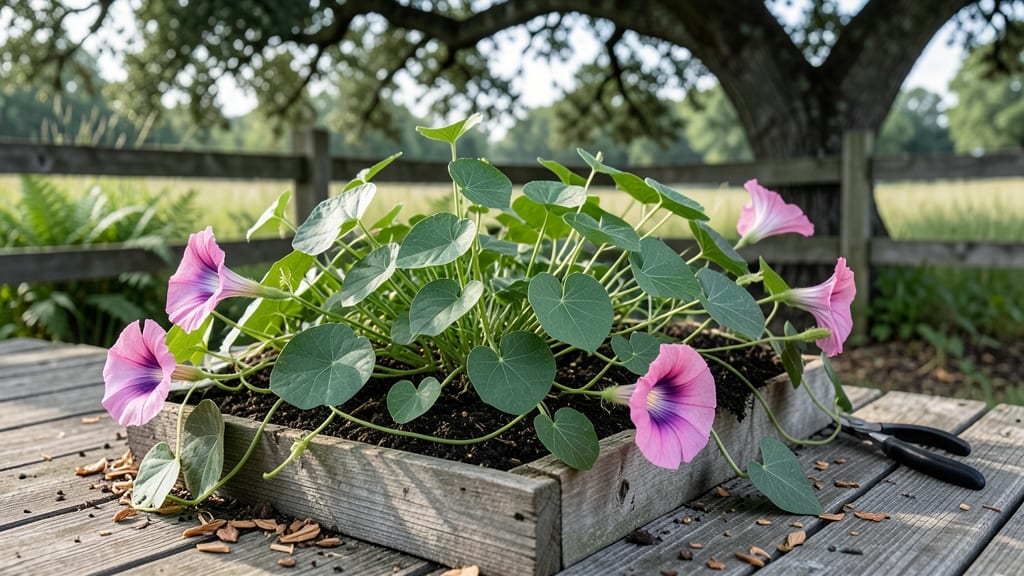
Pink morning glory flowers (Ipomoea purpurea) transform any space into a dreamy, vine-covered escape with their delicate pink blooms that greet the sun each morning. 🌸 I planted my first batch three years ago after seeing them climb a neighbor’s trellis, and now they’re the star of my summer garden—quick-growing, drought-tolerant, and impossible to kill once established.
The secret lies in their love of vertical space and forgiving nature, which makes them perfect for fences, arbors, or even hanging baskets.
You’ll need a sturdy support structure (think trellis, pergola, or even a simple wire frame), well-draining soil, and a spot that gets at least 6 hours of sunlight daily.
Morning glories thrive in average garden soil but bloom best when fertilized lightly with compost or a balanced 10-10-10 mix every 4-6 weeks. Seeds are the easiest way to start—just scatter them where you want vines to grow, as they dislike transplanting.
For a head start, you can also root cuttings in water, though seeds are faster and more reliable.
Once established, these vines are shockingly resilient—drought, heat, and even occasional neglect won’t stop them from producing those signature trumpet-shaped blooms. The key to keeping them vibrant is consistent watering (about 1 inch per week) and occasional deadheading to encourage more flowers.
By midsummer, your trellis will be a riot of pink, attracting hummingbirds and butterflies while adding a whimsical, fairy-tale charm to any garden corner.
For year-round interest, pair them with companion plants like marigolds (to deter pests) or nasturtiums (for color contrast). In colder climates, treat them as annuals—they self-seed prolifically, so you’ll likely wake up to new volunteers next spring.
Whether you’re a beginner or a seasoned gardener, morning glories are the low-maintenance, high-reward plant that’ll have your neighbors asking for cuttings.
📚 In This Guide
- What you need
- Instructions
- Tips and common mistakes
- Wrapping up and next steps
What you need
- ● Pink Morning Glory Seeds: 50–100 seeds (choose Ipomoea purpurea varieties like 'Heavenly Blue' or 'Flying Saucer' for vibrant pink hues).
- ● Growing Medium: Well-draining potting mix (10–15 lbs) for containers.
- ● Loamy garden soil (amended with compost) for in-ground planting.
- ○ Containers (Optional for Climbing): 5–10 gallon pots with drainage holes (1–2 per plant).
- ● Trellis or arbor (6–8 ft tall) for vertical growth.
- ● Planting Tools: Hand trowel or transplanting spade.
- ● Garden gloves (for protection).
- ● Watering Supplies: Watering can or hose with a gentle spray nozzle.
- ○ Drip irrigation kit (optional, for consistent moisture).
- ● Fertilizer: Balanced 10-10-10 fertilizer (1 lb) or organic compost (5 lbs).
- ● Pruning Shears (for trimming vines after flowering).
- ● Sunlight Check: Ensure a full-sun location (6+ hours of direct sunlight daily).
- ● Mulch (2–3 inches) to retain soil moisture.
- ● Epsom salt (1 tbsp/month) for magnesium boost.
- ● Decorative stakes or colorful ribbons for a whimsical touch.
Step-by-step guide for cultivating pink morning glory vines
Here's how to coax these fast-growing climbers into a stunning vertical display.
🌱 Step 1: Select and Prepare Your Planting Site
Pink morning glories thrive in full sun—at least 6-8 hours daily—so choose a location where they can scramble up a trellis, fence, or pergola. The soil should drain well but retain moisture; amend heavy clay with 2-3 inches of compost to improve aeration. I always test the soil pH first—morning glories prefer slightly acidic to neutral (6.0-7.0).
If planting in containers, select 5-gallon pots with drainage holes and fill with a mix of 50% potting soil and 50% perlite. This prevents root rot while keeping moisture available. Avoid planting too early; wait until after the last frost date when nighttime temperatures stay above 50°F. Cold-sensitive seedlings won't survive even light frosts.
☀️ Step 2: Sow Seeds Directly or Start Indoors
Morning glories germinate quickly—5-10 days—but they hate transplant shock, so I recommend direct sowing after warm soil. Plant seeds ½ inch deep, spacing them 6 inches apart in rows 18 inches apart. If starting indoors, use biodegradable pots and transplant seedlings after 2-3 true leaves appear, being careful not to disturb the roots.
Here's the thing—morning glories produce self-cleaning seed pods, meaning they reseed aggressively. If you want to control spread, deadhead spent blooms by pinching off the seed pods as they form. You'll see new flowers within 2-3 weeks of deadheading, keeping the display vibrant all season.
💧 Step 3: Water and Fertilize for Continuous Blooms
Water deeply once weekly during the first month to establish roots, then every 5-7 days thereafter—adjust based on rainfall. Morning glories are drought-tolerant once established but produce more blooms with consistent moisture. You'll know they're thirsty when the leaves start curling slightly at the edges.
Feed with a balanced, water-soluble fertilizer (10-10-10) every 4-6 weeks during the growing season. Too much nitrogen makes them focus on leaves over flowers, so I halve the recommended dose. Stop fertilizing 6 weeks before the first frost to encourage seed production for next year.
✂️ Step 4: Train and Prune for Maximum Impact
Use a strong trellis or arbor to guide the vines upward—morning glories can climb 10-15 feet in a single season. Gently tie the main stems to the structure with soft twine or plant ties every 2-3 feet as they grow. Prune leggy growth back by ⅓ to encourage bushier, flower-heavy vines.
Remove any yellowed or diseased leaves immediately to prevent fungal spread. I also snip off the first few blooms that appear—this redirects the plant's energy to later flowers, extending the display. Watch for Japanese beetles; they love morning glories. Handpick them early in the morning when they're sluggish and drop them into soapy water.
⏰ Step 5: Overwinter and Prepare for Next Season
In USDA Zones 8-11, morning glories are perennial and will reseed themselves. In colder zones, the plants die back in winter but return from seed. Collect seeds from dried pods in fall and store them in a cool, dry place until spring. You'll see volunteers popping up everywhere the following year—just thin them to 12 inches apart for best results.
If you want to protect established plants in colder climates, mulch heavily with 2-3 inches of straw after the first frost. This insulates the roots and may encourage some winter blooming in mild winters. In spring, remove old growth and fertilize lightly to jumpstart new growth.
Tips & tricks for perfect pink morning glory cultivation
Here's what I've learned from years of growing these stunning vines—tricks that'll make your morning glory display even more spectacular.
Sunlight Strategy: The 6-8 hours of full sun is non-negotiable, but here's the thing—morning glories actually perform best when they get a little afternoon shade in hot climates. If you're in Zone 9 or higher, consider planting where they receive morning sun and afternoon shade after 2 PM. This prevents the flowers from wilting in extreme heat while still getting the light they need. I've noticed my plants in full afternoon sun produce fewer blooms by late summer.
Germination Hack: For faster germination (those 5-10 days can feel like forever!), soak your seeds in warm water for 12 hours before planting. This mimics natural spring rains and can cut germination time by half. Just be sure to plant them immediately after soaking—they'll start sprouting quickly. I also like to cover newly planted seeds with a thin layer of vermiculite to retain moisture during germination.
Container Considerations: When using 5-gallon pots, don't skimp on the perlite—aim for that exact 50/50 mix with potting soil. The perlite creates air pockets that prevent root rot while still holding enough moisture. I've found that adding a handful of coarse sand to the mix helps with drainage in particularly rainy seasons. Also, make sure those drainage holes are large enough—morning glories hate soggy feet.
Pruning Timing: The 2-3 week window after deadheading is perfect for encouraging new growth, but here's a pro move: do your deadheading in the early morning. The plants have had all night to recover their energy, and you'll see new buds forming within days. I also recommend using clean, sharp pruners—dull tools crush stems and can introduce disease. Sterilize your tools with rubbing alcohol between cuts for best results.
Pro Tips for Pink Morning Glory Flower
- Here's what I've learned from years of growing these stunning vines—tricks that'll make your morning glory display even more spectacular.
- Sunlight Strategy: The 6-8 hours of full sun is non-negotiable, but here's the thing—morning glories actually perform best when they get a little afternoon shade in hot climates.
- Germination Hack: For faster germination (those 5-10 days can feel like forever!), soak your seeds in warm water for 12 hours before planting.
Frequently asked questions
Got questions about growing or caring for pink morning glory flowers? You’re not alone! Here are some of the most common queries—plus quick, expert-friendly answers to keep your vines thriving.
How fast do pink morning glories grow?
These fast climbers can sprout visible growth in just 2–3 days! With warm soil (60°F+) and consistent moisture, expect vines to reach 6–10 feet in a single season. Pro tip: Train them on trellises early to avoid tangled messes!
Are pink morning glories annuals or perennials?
In most climates, they’re tender annuals—they’ll die back in frost but self-seed prolifically for years of free blooms. In USDA Zones 9–11, they may return as perennials. Bonus: Deadhead spent flowers to encourage more vibrant blooms!
Why aren’t my morning glories blooming?
Common culprits: too much fertilizer (burns blooms), overcrowding (steals sunlight), or cool nights (<60°F stunts flowers). Try pruning leggy vines or moving pots to sunnier spots. Fix: A light pinch of low-phosphorus fertilizer can reboot blooms!
Can I grow pink morning glories in containers?
Use a 5+ gallon pot with drainage and a trellis or cage for support. Opt for well-draining soil and water when the top inch feels dry. Container hack: Mix in compost for nutrient-rich soil that keeps vines lush.
Are morning glories toxic to pets or kids?
Yes—all parts of the plant contain ergot alkaloids, which can cause nausea, vomiting, or dizziness if ingested. Keep them out of reach of curious pets and children. Safety note: Wear gloves when handling to avoid skin irritation.
What’s the best companion plant for morning glories?
Pair them with sun-loving, deep-rooted plants like marigolds (pest control), beans (nitrogen fixers), or nasturtiums (edible + colorful). Avoid heavy feeders like tomatoes—they’ll compete for nutrients!
Wrapping up and next steps
The pink morning glory isn’t just a stunning addition to your garden—it’s a symbol of resilience, beauty, and effortless charm! With its vibrant blooms and low-maintenance care, this climbing flower proves that nature’s most dazzling displays don’t require endless work.
Whether you’re a seasoned gardener or just starting out, adding pink morning glories to your space is a rewarding way to bring color and life to any corner.
Ready to grow your own? Start by gathering your supplies, picking the perfect spot, and giving these climbers the love they deserve. Your garden’s next masterpiece could be just a seed away! 🌸