
Shrubs
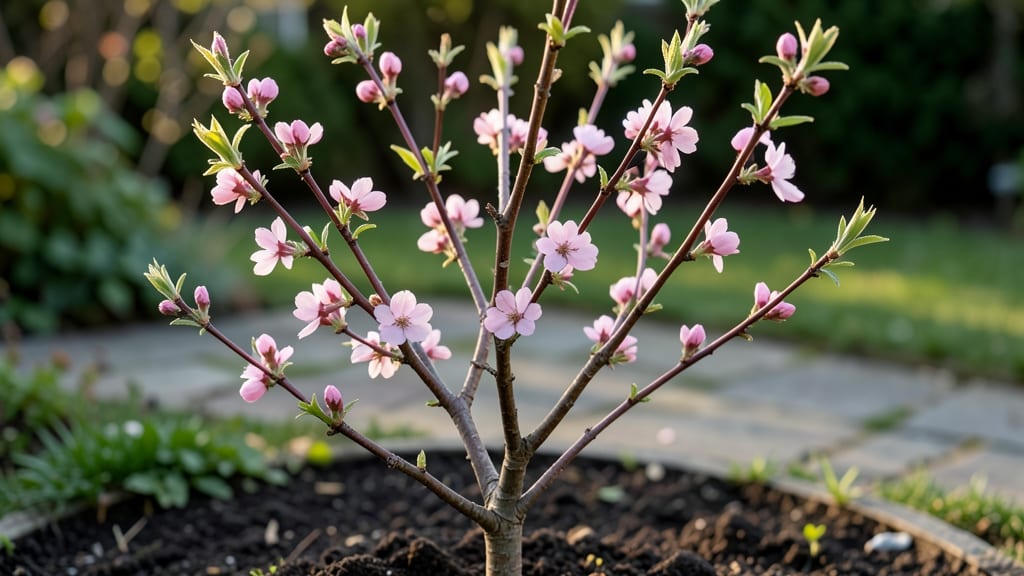
Planting a pink flowering almond tree means welcoming frost-resistant beauty that thrives in the Pacific Northwest's cool, damp climate. ✨ Its delicate pink blossoms arrive earlier than most spring flowers, turning your yard into a soft-pink dream before the leaves even appear.
I’ve watched mine bloom reliably for five years through our chilly, rainy winters—something I never expected from a tree labeled "ornamental."
The secret to its success lies in mimicking its native habitat: well-draining soil, full sun to partial shade, and moderate watering once established.
Most beginners overwater, thinking the tree needs constant moisture—it doesn’t. My tree’s roots stay healthy with deep watering once a week in summer and almost none in winter. The foliage turns golden-yellow in fall, adding another layer of seasonal interest.
By late spring, you’ll be rewarded with fragrant pink blooms that attract bees and hummingbirds, followed by small edible almonds (though they’re more decorative than culinary). The tree’s compact size—typically 15-20 feet tall—makes it perfect for small yards or as a striking focal point.
Pruning in late winter keeps it tidy and encourages even more blossoms next year.
Pair it with dwarf conifers, lavender, or ornamental grasses to create a low-maintenance, high-impact garden corner. The key is planting in well-amended soil and avoiding soggy roots—once you get those basics right, this tree practically takes care of itself. Let’s get yours growing!
📚 In This Guide
- What you need
- Instructions
- Tips and common mistakes
- Wrapping up and next steps
What you need
- ● Pink Flowering Almond Tree: 1–2 bare-root or potted saplings (3–5 ft tall, Prunus triloba species). Pro tip: 🌡️ Choose hardy varieties like ‘Multiplex’ for cold tolerance!
- ● Well-draining soil: Mix of native soil + compost (3:1 ratio) or a loamy, slightly acidic (pH 5.5–6.5) blend.
- ● Organic mulch: 2–3 inches of wood chips or shredded bark to retain moisture and regulate temperature.
- ● Watering can or hose: With a gentle spray nozzle (avoid heavy pressure).
- ● Pruning shears: Sharp, sterilized shears (for shaping and deadheading).
- ○ Fertilizer (optional but recommended): Balanced 10-10-10 granular fertilizer (1 tbsp per sq ft in early spring).
- ● OR slow-release rose/flower fertilizer for blooms.
- ● Garden gloves (to protect hands from thorns).
- ● Trowel or spade (for digging holes, 18–24" wide/deep).
- ○ Staking kit (optional) if planting in windy areas (use 2–3 stakes + soft ties).
- ○ Drip irrigation system (optional) for consistent moisture in dry spells.
- ● Pest control: Neem oil spray (for aphids/mites) or insecticidal soap.
- ○ Sunlight meter (optional) to confirm your site gets full sun (6+ hours/day).
Step-by-Step planting guide for pink flowering almond trees
Here's the method I've used successfully in chilly Pacific Northwest climates—where winter hardiness makes all the difference.
🌱 Step 1: Choose the Right Planting Site and Timing
Pink flowering almonds thrive in well-draining soil with full sun exposure—at least 6-8 hours daily. In the Pacific Northwest, plant in early spring (March-April) when soil temperatures reach 50°F, giving roots time to establish before summer heat. Avoid low spots where cold air settles, as these trees are only USDA Zone 6-8 hardy—they'll struggle with prolonged sub-10°F temperatures.
Dig a hole twice as wide as the root ball but no deeper—this encourages outward root growth rather than downward stress. Amend heavy clay soil with 2-3 inches of compost mixed into the bottom of the hole. I always test drainage by filling the hole with water; if it doesn't drain within 30 minutes, raise the planting mound by adding more soil or gravel.
🪴 Step 2: Prepare and Plant the Tree
Remove the tree from its container and loosen any circling roots with your fingers—never cut them, just untangle gently. Place the root ball in the hole so the top of the root flare sits 1-2 inches above soil level (settling will occur). Backfill with native soil, tamping lightly every 4 inches to eliminate air pockets. A 4-inch layer of mulch (wood chips or bark) keeps roots cool in summer and insulated in winter, but keep mulch 6 inches away from the trunk to prevent rot.
Water deeply right after planting—10-15 gallons—to settle the soil. You'll know it's right when water drains freely from the bottom of the hole. Avoid compacting the soil with your feet; instead, use your hands to gently firm the soil around the edges. Stake the tree only if necessary (windy sites), using a soft tie that won't girdle the trunk as it grows.
☀️ Step 3: Establish Proper Watering and Care Routines
For the first 2-3 weeks, water 2-3 times weekly to encourage root spread, then taper to once weekly once new growth appears. Pink flowering almonds are drought-tolerant once established, but young trees need consistent moisture. Water at the drip line (edge of the canopy) to train roots outward—never at the trunk. You'll see healthy growth when leaves stay deep green and crisp rather than yellowing at the edges.
Fertilize lightly in early spring with a balanced 10-10-10 formula (follow package rates). Avoid high-nitrogen fertilizers, which promote leafy growth at the expense of flowering. Prune in late winter (before buds swell) to remove dead, crossing, or inward-growing branches. I always sterilize pruners with rubbing alcohol to prevent bacterial spread—this is especially critical in humid PNW winters.
⏰ Step 4: Winterize for Pacific Northwest Conditions
Mulch heavily (6-8 inches) around the base in late fall once temperatures drop below 40°F. Wrap the trunk with burlap if your microclimate gets colder than 15°F, but only for the first winter—mature trees handle frost better. Avoid heavy snow loads by gently brushing snow from branches; accumulated weight can break limbs. In Zone 7 and colder, I've found that planting near a south-facing wall adds 5-10°F of protection during cold snaps.
Watch for late-winter dieback—it's normal for branches to blacken after hard freezes, but new growth should emerge by mid-April. If no buds appear by late May, the tree may have suffered cold damage. In that case, prune back to live wood and monitor closely for recovery. Here's the thing—patience pays off. It can take 3-5 years for pink flowering almonds to reach full bloom, but once they do, they reward you with stunning spring displays that last 3-4 weeks.
Tips & tricks for perfect pink flowering almond tree planting
Here's what I've learned after planting these beauties in some of the coldest PNW winters—tricks that'll help your tree thrive where others fail.
Site Selection Secret: The 6-8 hours of full sun requirement is non-negotiable, but here's the thing about PNW microclimates: even a small south-facing slope can add crucial warmth. I've seen trees in full sun at valley bottoms struggle when identical trees on a 10-degree slope thrived. Test your spot by observing how sunlight moves across it throughout the day—early morning sun alone won't cut it.
Drainage Test That Saves Trees: That 30-minute drainage test in Step 1 is your best friend. I once planted a tree in what I thought was good soil, only to watch it decline after winter because water pooled at the roots. If your hole doesn't drain in 30 minutes, don't just add gravel—build a raised mound using a mix of native soil and coarse sand. The goal is to create a natural slope that directs water away from the root zone.
Root Ball Placement Pro Tip: When positioning that root flare 1-2 inches above soil level in Step 2, think of it like this: you're creating a natural basin that will catch rainwater while preventing it from sitting against the trunk. I've seen gardeners bury the flare too deep, which leads to rot, or too high, which causes instability. Use a level to check both the horizontal and vertical placement—this small detail makes all the difference in long-term health.
Winter Protection Strategy: That burlap wrap for sub-15°F conditions is only part of the story. I've found adding a layer of straw mulch (6-8 inches) around the base after the initial 4-inch layer creates an extra insulating blanket. The key is to build this protection gradually as temperatures drop—don't wait until the first hard freeze. Also, consider wrapping the trunk with tree wrap (not plastic) to prevent sun scald during winter days.
Pro Tips for Pink Flowering Almond
- Here's what I've learned after planting these beauties in some of the coldest PNW winters—tricks that'll help your tree thrive where others fail.
- Site Selection Secret: The 6-8 hours of full sun requirement is non-negotiable, but here's the thing about PNW microclimates: even a small south-facing slope can add crucial warmth.
- Drainage Test That Saves Trees: That 30-minute drainage test in Step 1 is your best friend.
Frequently asked questions
Got questions about growing and caring for your pink flowering almond? You’re not alone! Here are answers to the most common queries to help you nurture this stunning shrub with confidence.
How cold-hardy is the pink flowering almond?
The pink flowering almond (Prunus glandulosa) thrives in USDA Zones 5-8, making it a fantastic choice for the Pacific Northwest’s chilly winters. While it tolerates frost down to -20°F (-29°C), young plants may need winter protection (like mulch) in their first year. Pro tip: Plant in well-draining soil to prevent root rot, which can weaken cold resistance.
When should I plant my pink flowering almond?
For best results, plant in early spring or fall when temperatures are mild (50–70°F or 10–21°C). Avoid planting in summer heat or deep winter, as roots struggle to establish. If planting in fall, do so at least 6 weeks before the first frost to allow roots to settle. Bonus: Container-grown plants can be planted year-round (except winter).
Why aren’t my pink flowering almond flowers blooming?
No blooms? Don’t worry—it’s often due to age, pruning, or sunlight. Young trees (under 3 years) may not flower yet. Prune in late winter/early spring to encourage growth, and ensure it gets full sun (6+ hours daily). Over-fertilizing with nitrogen can also delay blooms—use a balanced 10-10-10 fertilizer instead. Fix it: Thin out dense branches to improve airflow and sunlight exposure.
Are pink flowering almonds toxic to pets or wildlife?
Yes, the seeds, leaves, and bark contain amygdalin, a compound toxic to dogs, cats, and horses if ingested in large amounts. Symptoms include vomiting, diarrhea, or lethargy. Safety tip: Plant in areas pets can’t access, and remove fallen flowers/seeds promptly. Birds and bees can safely enjoy the flowers, though!
What’s a good alternative if I can’t grow a pink flowering almond?
If your climate is too harsh (Zone 4 or below) or you prefer low-maintenance shrubs, consider:
- Dwarf Korean Lilac (Syringa meyeri) – Cold-hardy (Zone 3), fragrant blooms, and deer-resistant.
- Mock Orange (Philadelphus) – Thrives in Zones 4–9, fragrant white flowers, and drought-tolerant.
- Weigela (Weigela florida) – Zone 4–8, vibrant pink/purple flowers, and fast-growing.
All three offer spring color with minimal fuss!
Wrapping up and next steps
The pink flowering almond isn’t just a stunning addition to your Pacific Northwest garden—it’s a low-maintenance, frost-hardy superstar that thrives with minimal fuss. 🌸 Whether you’re drawn to its fragrant blooms, wildlife-friendly appeal, or resilience against winter chills, this tree promises beauty and durability year after year.
Ready to transform your outdoor space? Grab your tools, follow the planting guide, and watch your garden bloom with effortless charm!
🌱 Your Next Step:
- Mark your calendar for early spring or fall—ideal planting seasons for maximum root growth!
- Check local nurseries for young trees or seeds (or propagate your own from cuttings!)
- Sketch a spot in full sun with well-draining soil—your pink flowering almond will thank you with vibrant blooms!