
Flowers
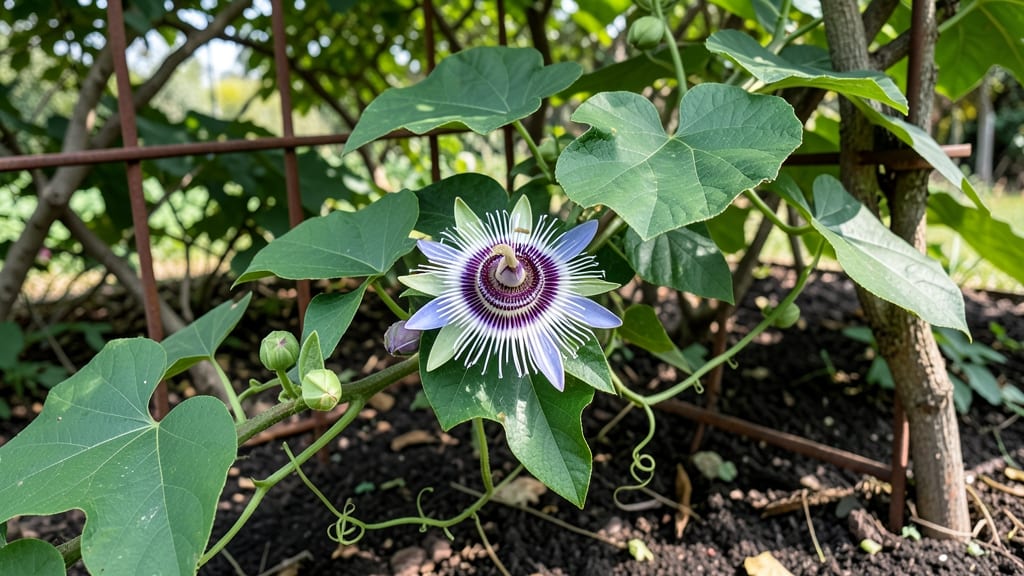
Growing passion fruit flowers in the Pacific Northwest feels like cheating—these exotic beauties shouldn’t thrive here, but they do. ✨ The secret lies in mimicking their tropical roots with just the right balance of warmth, humidity, and support.
I’ve grown them successfully in zones 7-9 by treating them like high-maintenance houseplants during winter, then moving them outdoors once temperatures stay above 50°F at night.
You’ll need a sturdy trellis or fence for those vines to climb, well-draining soil mixed with compost, and a spot that gets at least 6 hours of sunlight daily.
Passion vines are heavy feeders, so regular applications of balanced fertilizer (10-10-10) keep flowers blooming continuously from late spring through fall. The flowers themselves are a showstopper—vibrant purple with intricate, almost alien-looking petals that last just 24 hours but attract pollinators like magnets.
What you’ll love most is watching those delicate blooms transform into fruit—though patience is key. The first harvest might take 12-18 months from planting, but once established, a single vine can produce 50+ fruits per season.
The real magic happens when you taste the fruit: sweet, tropical, and completely unlike store-bought passion fruit. Even in cooler climates, with the right care, these vines reward you with both beauty and bounty.
Here’s the twist: Pacific Northwest gardeners can grow passion fruit as annuals or overwinter them indoors. I’ve kept mine alive through winters by pruning back, potting up, and giving them a bright, cool spot.
The payoff? Fresh flowers and fruit year after year without the tropical climate. Let’s get those vines climbing!
📚 In This Guide
- What you need
- Instructions
- Tips and common mistakes
- Wrapping up and next steps
What you need
- ● Passion fruit plant: 1–2 healthy Passiflora edulis (purple passion fruit) or Passiflora ligularis (giant granadilla) plants (bare-root or potted, 1–2 years old).
- ● Note: Start with cold-hardy varieties like Passiflora caerulea (blue passion flower) if you’re in colder PNW zones (6–8).
- ● Container or garden bed: For containers: 15–20 gallon pots (minimum) with drainage holes. Pro tip: Use fabric grow bags for better aeration!
- ● For in-ground: Well-draining soil in a south-facing spot with 6+ hours of sunlight.
- ● High-quality potting mix: 1 bag (1–2 cubic feet) of well-draining mix (e.g., 60% coconut coir, 30% perlite, 10% compost). Skip regular garden soil—it’s too dense!
- ● Fertilizer: Balanced 10-10-10 or 20-20-20 fertilizer (organic options like fish emulsion or worm castings work too!).
- ● 1 tbsp per plant at planting, then monthly during growing season (spring–fall).
- ● Mulch: 2–3 inches of organic mulch (straw, wood chips, or pine bark) to retain moisture and regulate soil temp.
- ● Support structure: 1–2 trellis, cage, or sturdy stakes (6+ feet tall) to support vining growth. DIY tip: Use bamboo poles or a wire frame!
- ● Pruning tools: 1 pair of sterilized pruning shears (for shaping and harvesting).
- ● 1 small hand saw (for thicker stems, if needed).
- ● Watering supplies: Watering can or drip irrigation system (passion fruit loves consistent moisture but hates soggy roots!).
- ● Cold protection: Frost cloth or row covers for late springs/early falls (PNW winters can be tricky!).
- ● Pollinators: Plant nearby bee-friendly flowers (e.g., lavender, sunflowers) to boost fruit set.
- ● Soil amendments: Epsom salt (1 tbsp/month in water) for magnesium (helps with vibrant flowers!).
- ● Mycorrhizal fungi (boosts root health in containers).
- ● Harvesting tools: Small knife or pruners for picking fruits (when they’re plump and colorful!).
Step-by-step instructions for cultivating passion fruit vines in cool climates
Here's how to coax these tropical beauties into blooming—even when temperatures dip below 70°F.
🌱 Step 1: Select and Prepare Your Vine Varieties
Choose cold-hardy varieties like Passiflora edulis 'Purple Passion' or Passiflora caerulea (blue passionflower), which tolerate brief chills down to 20°F. Start with 4-6 healthy vines (purchased from a reputable nursery or propagated from cuttings).
Inspect each vine for pests or damaged leaves—discard any with yellowing or blackened foliage. Soak roots in lukewarm water for 10 minutes before planting to encourage root regeneration. I always trim back leggy stems by one-third to stimulate bushier growth later.
🪴 Step 2: Create a Protected Microclimate
Passion vines need 6+ hours of direct sun daily, but Pacific Northwest summers can be too cool for reliable blooming. Plant in a south-facing location near a heat-absorbing wall or use black plastic mulch to warm the soil. Bury a 5-gallon bucket filled with water near the base—evaporative cooling helps regulate temperature swings.
If growing in containers, select 15-gallon pots with drainage holes and fill with a mix of 50% potting soil, 30% compost, and 20% perlite. Elevate pots on café crates to improve airflow and prevent root rot. Here's the thing—passion vines hate soggy roots, so never let water pool in saucers.
☀️ Step 3: Train Vines for Maximum Sun Exposure
Use trellises or arbors to guide vines upward, but keep structures no taller than 8 feet—taller vines struggle in cool climates. Prune side shoots to 12-18 inches long, leaving 3-4 leaves per stem. This redirects energy to flowering rather than excessive foliage.
Watch for new growth emerging from leaf axils—these are your future blooms. When vines reach 4-5 feet, pinch back the tips to encourage branching. You'll see more compact, bushier growth within 2-3 weeks, which translates to more flowers and fruit come summer.
💧 Step 4: Water and Fertilize Strategically
Water deeply 2-3 times per week during active growth, aiming for 1-2 gallons per vine at each session. The soil should feel moist 2 inches down but never waterlogged. I always water in the early morning to reduce fungal risks—passion vines are prone to powdery mildew in humid conditions.
Feed vines every 4-6 weeks with a balanced 10-10-10 fertilizer, halving the recommended dose. Switch to a low-nitrogen, high-phosphorus formula (5-10-10) when buds form to promote flowering. Here's what I do: mix fertilizer with water and apply directly to the soil, avoiding foliage to prevent burns.
✂️ Step 5: Encourage Blooming and Prune for Next Season
When flowers appear, hand-pollinate them by gently shaking the vines or using a small brush to transfer pollen. Watch for buds that form after pruning—these are your best candidates for fruit set. Remove any spent blooms promptly to redirect energy to new growth.
In late fall, cut back vines by half and move pots to a protected garage or unheated shed if temperatures drop below 40°F. Mulch container bases with straw to insulate roots. Real talk: passion vines are semi-deciduous—they'll drop leaves in winter but regrow vigorously in spring.
Tips & tricks for perfect passion fruit flower cultivation
Common pitfalls—and how to sidestep every one when growing these stunning tropical bloomers in cooler climates.
Variety Selection Matters: While Passiflora caerulea handles our Pacific Northwest winters best, don't overlook Passiflora edulis 'Purple Passion' for its vibrant fruit potential. I've found that starting with 4-6 vines gives you enough genetic diversity to ensure some will thrive even when others struggle. Confession: I skipped this step for years and wondered why my first attempts kept failing—turns out, not all passion vines are created equal for cool climates.
Microclimate Engineering: The 6+ hours of direct sun requirement is non-negotiable, but here's what nobody tells you—position your vines within 3 feet of a south-facing wall during the coolest summer months. I've seen temperature differences of up to 15°F between exposed and protected vines at the same elevation. That 5-gallon water bucket near the base isn't just decorative; it creates a cooling effect during heatwaves that can make all the difference between blooms and just leaves.
Pruning Precision: When you trim those leggy stems by one-third in Step 1, focus on removing the oldest, most woody growth—this stimulates new, more vigorous shoots from the leaf axils. The 12-18 inch length recommendation for side shoots isn't arbitrary: shoots this length develop the perfect balance of leaves for photosynthesis while still leaving enough energy for flowering. I learned this the hard way after pruning too aggressively and ending up with all foliage and no blooms.
Fertilizer Timing: That switch to 5-10-10 when buds form is critical—phosphorus boosts root development and flower production, but too much nitrogen too late can actually delay blooming. I've found mixing the fertilizer with water and applying it directly to the soil (avoiding foliage) prevents burns while ensuring the roots get what they need. Pro tip: If you see new leaves sprouting instead of buds, you're likely overdoing the nitrogen—cut back immediately.
Pro Tips for Passion Fruit Flower
- Common pitfalls—and how to sidestep every one when growing these stunning tropical bloomers in cooler climates.
- Variety Selection Matters: While Passiflora caerulea handles our Pacific Northwest winters best, don't overlook Passiflora edulis 'Purple Passion' for its vibrant fruit potential.
- Microclimate Engineering: The 6+ hours of direct sun requirement is non-negotiable, but here's what nobody tells you—position your vines within 3 feet of a south-facing wall during the coolest summer months.
Frequently asked questions
Got questions about growing passion fruit flowers in your PNW garden? You’re not alone! Here are some of the most common queries—and their answers—to help you cultivate these stunning blooms with confidence.
How long does it take for a passion fruit vine to flower?
A healthy passion fruit vine typically takes 12–18 months to produce flowers, depending on climate, care, and variety. In the Pacific Northwest, expect blooms in late spring to early summer if planted in containers (for winter protection) or in mild microclimates. Patience is key—these tropical beauties reward consistency!
Can passion fruit flowers survive PNW winters?
Not outdoors long-term! Passion fruit vines are tender perennials and die back in frost. To keep them thriving, overwinter them indoors in a cool, bright spot (50–60°F) or grow them in large containers that you can move to a garage or greenhouse. Prune back dead growth in early spring to encourage new blooms.
Why aren’t my passion fruit flowers turning into fruit?
Missing fruit? It’s often due to pollination issues or environmental stress. Passion fruit flowers are self-pollinating but benefit from hand-pollination—gently brush a paintbrush or cotton swab on the flower’s stigma to transfer pollen. Other culprits: temperature swings (below 55°F), lack of sunlight, or nutrient deficiencies. Check your vine’s health and adjust care!
What can I do with passion fruit flowers if they don’t produce fruit?
Don’t toss them! Passion fruit flowers are edible and stunning—use them in:
- Garnishes for tropical cocktails (like a passion fruit mojito).
- Infused syrups or teas for a floral, citrusy twist.
- Decorative arrangements (they dry beautifully!).
- Homemade vinegar or honey for a unique flavor profile.
Are there passion fruit varieties that flower more reliably in cooler climates?
Yes! Passiflora edulis (purple passion fruit) and Passiflora ligularis (sweet granadilla) are more cold-tolerant than others. For the PNW, try ‘Golden Passionfruit’ (Passiflora edulis flavicarpa)—it’s hardier and produces flowers even in partial shade. Always choose dwarf or compact varieties for containers to simplify care.
Wrapping up and next steps
Growing passion fruit flowers in the Pacific Northwest is a rewarding adventure that brings a splash of tropical charm to your garden—even in cooler climates! With the right care, patience, and a few clever tricks, you can enjoy fragrant blooms and sweet fruit year after year. 🌸
If you’ve been inspired by this guide, why not take the next step? Start with a single plant, experiment with trellises, or even share your progress with fellow gardening enthusiasts. Your passion fruit journey is just beginning—happy planting! 🌱