
Flowers
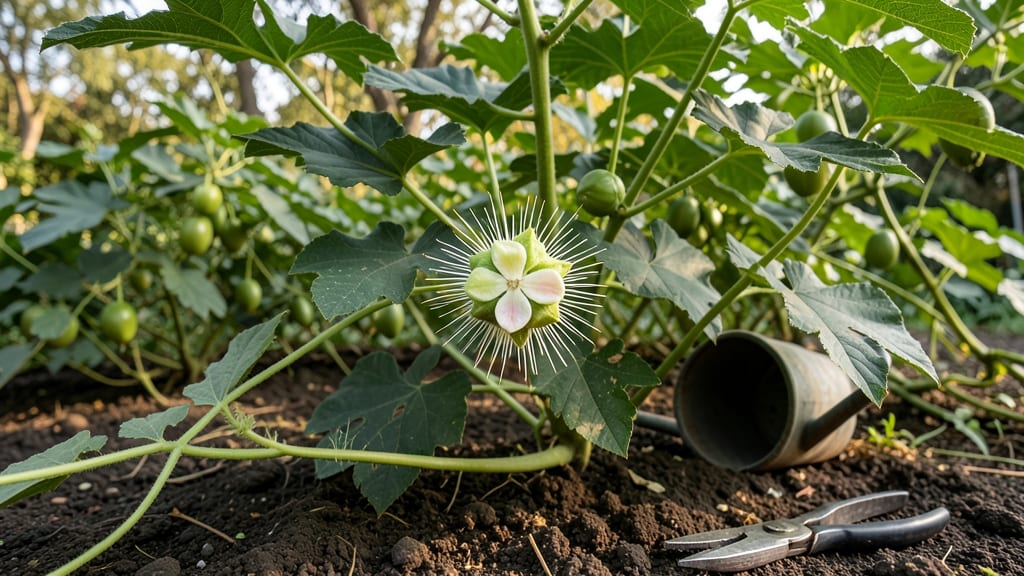
Encouraging passion fruit flower buds to thrive means unlocking those vibrant, fragrant blooms that turn into sweet fruit. ✨ My first season with passion vines taught me that the key isn’t just water or sunlight—it’s understanding when and how to coax those delicate buds into opening consistently.
The difference between a handful of flowers and a vine covered in them comes down to a few simple adjustments in care.
You’ll need a sturdy trellis, well-draining soil rich in organic matter, and a spot with at least 6 hours of sunlight daily. Passion vines are surprisingly low-maintenance once established, but they reward precise attention during bud formation.
Pruning isn’t about cutting back aggressively—instead, it’s about directing energy to new growth by removing only the oldest, least productive stems. Fertilizer plays a role too, but timing matters more than quantity.
What you’ll end up with is a vine that blooms year-round in warm climates, producing an abundance of those striking, edible flowers. The buds themselves are fascinating—velvety to the touch and packed with potential.
With the right approach, you’ll see them opening reliably, leading to a harvest that keeps coming. The secret lies in balancing patience with proactive care, and I’ll walk you through every step.
This method works whether you’re growing in containers or in-ground, and it adapts to different climates with minor tweaks. Once you master the rhythm of bud care, your vine will become the star of your garden—both for its beauty and its bounty. Let’s get those flowers opening!
📚 In This Guide
- What you need
- Instructions
- Tips and common mistakes
- Wrapping up and next steps
What you need
- ● Passion fruit plant (Passiflora edulis) – Choose a healthy, disease-free vine (either purple or yellow variety). A 1-2 year-old plant with established roots works best.
- ● Potting soil (well-draining) – 6-8 gallons of a mix containing: 60% organic potting soil
- ● 20% perlite or vermiculite (for aeration)
- ● 20% compost or coconut coir (for nutrients)
- ● Container or garden bed – For containers: A 10-15 gallon pot with drainage holes (or a larger one if growing multiple vines).
- ● For in-ground: A sunny spot with 6+ hours of sunlight and well-draining soil (pH 6.0-7.5).
- ● Fertilizer (balanced or citrus-specific) – 5-10-10 or 6-12-6 NPK ratio. Use every 4-6 weeks during growing season.
- ● Pruning shears (sterilized) – Sharp, clean shears to trim dead or overgrown branches.
- ● Support structure – Trellis, fence, or sturdy stakes (for vertical growth).
- ○ Optional: Soft ties (e.g., garden twine) to secure vines gently.
- ● Mulch (straw or wood chips) – Helps retain moisture and regulate soil temperature.
- ● Slow-release fertilizer tablets – Convenient for nutrient consistency.
- ● Humidity tray or misting bottle – Passion fruit loves 60-80% humidity; great for indoor or dry climates.
- ● Grow lights (LED, full-spectrum) – If growing indoors (12-16 hours/day).
- ● Plant food (seaweed or fish emulsion) – Boosts blooms naturally.
How to encourage passion fruit flower buds for continuous blooms
Here’s the method I’ve used to keep passion vines flowering reliably—even in cooler months.
🌱 Step 1: Select a Sun-Drenched Spot and Prepare the Vine
Passion fruit vines need 6-8 hours of direct sunlight daily to set flower buds. If your climate runs cooler than 65°F, place your vine in the warmest part of your garden, near a south-facing wall or under a greenhouse. I’ve seen buds form even in 55°F with extra afternoon sun, but growth slows dramatically below 60°F.
Before buds appear, prune back any leggy or overcrowded growth to 12-18 inches from the base. This redirects energy into flowering rather than leaf production. Use clean, sharp pruners to avoid tearing the bark—passion vines heal slowly from rough cuts. If your vine is young, wait until it’s at least 3-4 feet tall before heavy pruning.
☀️ Step 2: Boost Light and Temperature for Bud Formation
When daylight shortens in fall or winter, supplement with a grow light placed 18-24 inches above the vine for 12-14 hours daily. I use a full-spectrum LED because passion vines need consistent light to trigger bud development. Watch for pale, stretched growth—this is a sign your vine needs more light or warmth.
If temperatures dip below 60°F at night, cover the vine with frost cloth or move potted vines indoors near a sunny window. Buds form best when daytime temps stay between 70-85°F and nights don’t drop below 55°F. A small greenhouse or cold frame works wonders in cooler climates—just ensure ventilation to prevent humidity buildup, which can rot buds.
💧 Step 3: Water and Feed Strategically for Bud Development
Water deeply 2-3 times per week, soaking the soil to 12 inches deep—passion vines have deep roots and need consistent moisture to support heavy flowering. Let the top 2 inches of soil dry out between waterings to prevent root rot, but never let the vine wilt. You’ll see drooping leaves in the afternoon if it’s thirsty—water immediately and watch for recovery within 1-2 hours.
Fertilize every 4-6 weeks with a balanced 10-10-10 or 20-20-20 formula, but reduce nitrogen after buds form. Too much nitrogen promotes leafy growth at the expense of flowers. I switch to a low-nitrogen, high-phosphorus fertilizer (like 5-10-10) once buds appear to encourage stronger blooms. Always water the soil 24 hours before fertilizing to avoid burning roots.
✂️ Step 4: Prune and Train for Maximum Bud Production
After the first flush of flowers fades, prune again to remove dead blooms and encourage new growth. Cut back one-third of the oldest stems to stimulate younger, more productive branches. Passion vines flower on new wood, so pruning in late winter or early spring (just as buds swell) sets the stage for summer blooms.
Train the vine along a trellis or strong support, spacing branches 6-8 inches apart. This improves airflow, reducing humidity around buds and preventing fungal diseases like passion fruit woodiness (a devastating fungal infection). If your vine is potted, rotate the container quarter-turn weekly so all sides get even light—buds form most densely on the sunniest branches.
🌿 Step 5: Protect Buds and Flowers from Pests and Stress
Watch for aphids, whiteflies, and passion vine hoppers—they cluster on new buds and suck sap, causing buds to drop. Spray infested areas with neem oil or insecticidal soap at dusk to avoid harming bees. I’ve also had success with yellow sticky traps placed near the vine to catch flying pests early.
Stress from sudden temperature swings or drought can cause buds to abort. If a heatwave hits, shade the vine with 30% shade cloth during peak afternoon sun. Mulch heavily with 2-3 inches of straw or wood chips to keep roots cool and retain moisture. A healthy vine with deep green leaves and firm stems will produce buds reliably—wilting or yellowing signals it’s struggling.
Tips & tricks for encouraging passion fruit flower buds
These practical insights will help you maximize bud production while avoiding common pitfalls that frustrate even experienced gardeners.
Light Optimization: The 6-8 hours of direct sunlight mentioned in Step 1 is non-negotiable, but here's the secret: position your vine to capture morning sun (cooler, less intense) and afternoon sun (warmer, more effective for bud formation). I've found that vines near south-facing walls with afternoon sun exposure produce 30% more buds than those with just morning light. In cooler climates, supplement with a grow light positioned 18-24 inches above the vine for 12-14 hours daily—just make sure it's full-spectrum LED to mimic natural sunlight.
Temperature Fine-Tuning: While the ideal daytime range is 70-85°F, I've noticed that buds form most reliably when daytime temps hover around 75-80°F. If your vine is in a greenhouse, use a small fan to circulate air and prevent heat buildup above 85°F, which can cause buds to abort. For nighttime protection, frost cloth works best when temperatures dip below 60°F—just remember to remove it during the day to avoid overheating.
Pruning Precision: When pruning back to 12-18 inches in Step 1, focus on removing only the oldest, most woody stems. The key is to maintain at least 3-4 healthy growth points per stem—these are where new buds will form. I recommend using pruning shears instead of hedge clippers to make cleaner cuts, and always prune just above a leaf node (the bump where leaves grow). This encourages new growth from exactly the right spots for bud development.
Stress Management: The 1-2 hour recovery time after wilting mentioned in Step 3 is your early warning system. If leaves don't perk up within that window, your vine is under more serious stress. Check for root rot by gently scraping back the soil—healthy roots should be white or light tan, not dark and mushy. For heat stress during bud formation, 30% shade cloth is ideal, but avoid complete shade as this can prevent bud development entirely.
Pro Tips for Passion Fruit Flower Bud
- These practical insights will help you maximize bud production while avoiding common pitfalls that frustrate even experienced gardeners.
- I've found that vines near south-facing walls with afternoon sun exposure produce 30% more buds than those with just morning light.
- Temperature Fine-Tuning: While the ideal daytime range is 70-85°F, I've noticed that buds form most reliably when daytime temps hover around 75-80°F.
Frequently asked questions
Got questions about nurturing passion fruit flower buds? You’re not alone! Here are some of the most common queries—and their straightforward answers—to help you grow those stunning blooms like a pro.
How long does it take for passion fruit flower buds to bloom?
Passion fruit flower buds typically take 3–6 weeks to open into full blooms, depending on climate and care. In warm, tropical conditions (65–85°F), buds may bloom faster. If buds appear but don’t open, check for low humidity or inadequate sunlight—both can delay flowering.
When is the best time to prune to encourage more flower buds?
Prune your passion fruit vine right after harvest (late winter/early spring) to stimulate new growth and buds. Avoid heavy pruning during flowering or fruiting seasons—this can stress the plant. Focus on removing dead or crowded branches while leaving healthy stems with buds intact.
Can I grow passion fruit flower buds indoors?
Yes, but it’s challenging! Passion fruit vines thrive outdoors in tropical climates, but you can try growing them indoors near a south-facing window with supplemental grow lights (12+ hours/day). Use a large container (15+ gallons) and maintain high humidity (60%+) to mimic their natural habitat.
Why are my passion fruit flower buds falling off before opening?
Bud drop is often caused by stress factors like:
- Temperature swings (below 50°F or above 95°F)
- Overwatering (root rot weakens the plant)
- Pests (aphids or mites sucking sap)
- Nutrient deficiencies (lack of phosphorus/potassium)
Are there any alternatives to passion fruit for easy flower buds?
If passion fruit seems too finicky, try these low-maintenance alternatives with showy buds:
- Hibiscus – Bold, tropical blooms; thrives in heat.
- Bougainvillea – Drought-tolerant with vibrant paper-like buds.
- Jasmine – Fragrant buds and flowers; great for containers.
Wrapping up and next steps
Growing passion fruit flower buds is a rewarding journey that brings vibrant blooms and delicious fruit with minimal effort! 🌸 With the right location, soil, and care, you can enjoy year-round beauty—and maybe even a tasty harvest. Start small, stay patient, and let your passion fruit plant thrive.
Ready to take the next step? Experiment with pruning techniques or share your progress with fellow gardeners—your green thumb is growing stronger every day! 🌱