
Flowers
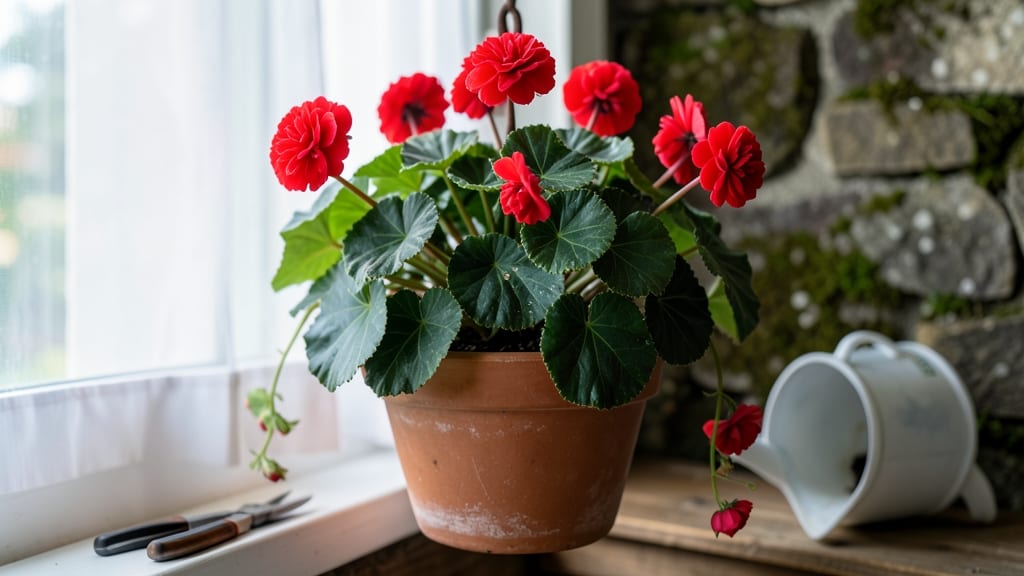
The vibrant scarlet begonia flower transforms the Pacific Northwest into a year-round canvas of bold color, far surpassing any fleeting seasonal bloom. These velvety blooms thrive where others falter, bringing bold reds even in cool, damp summers—no greenhouse needed.
I’ve grown them in partial shade under towering firs, and they reward me with nonstop blooms from spring through frost, then again indoors when winter arrives.
The secret starts with moist, well-draining soil mixed with peat or coconut coir—scarlet begonias hate soggy roots but love humidity. A 5-10 gallon pot with drainage holes works wonders, and you’ll need a spot that gets morning sun and afternoon shade (or filtered light all day).
Water when the top inch feels dry, but never let them wilt—they’ll drop leaves faster than you can say “rainy season.”
By summer’s end, you’ll have a bushy plant covered in glossy, waxy leaves and clusters of deep scarlet flowers that hummingbirds adore. The real magic? They keep flowering indoors with a grow light or sunny windowsill, making them the ultimate four-season houseplant for PNW gardeners.
Even my black thumb can’t kill these.
They multiply easily too—just snip off leaf cuttings in spring, dip in rooting hormone, and pot them up. Before you know it, you’ll have scarlet begonias gracing every room and patio, proving that bold color doesn’t need a warm climate. Let’s get yours growing!
📚 In This Guide
- What you need
- Instructions
- Tips and common mistakes
- Wrapping up and next steps
What you need
- ● Scarlet Begonia Tubers: 3–5 healthy tubers (ensure they’re firm, not shriveled, and have visible buds).
- ● Well-draining potting mix: 1–2 bags (look for a blend labeled for tender perennials or mix equal parts peat moss, perlite, and compost).
- ● Containers: For tubers: 4–6-inch diameter pots (1 per tuber) with drainage holes.
- ● For mature plants: 8–12-inch pots or garden beds (if hardiness zone allows).
- ● Slow-release fertilizer: 1–2 packets (10-10-10 or similar, for balanced nutrients).
- ● Watering can or spray bottle: With a fine rose attachment for gentle hydration.
- ● Pruning shears or sharp scissors: For trimming dead foliage or dividing tubers.
- ○ Gloves (optional): To protect hands from soil and thorns.
- ○ Thermometer (optional): To monitor soil temps (ideal: 65–75°F for sprouting).
- ○ Grow lights (optional): LED or fluorescent for 12–14 hours/day if indoor-growing.
- ○ Mulch (optional): Pine bark or straw to retain moisture in outdoor beds.
Step-by-step guide for cultivating scarlet begonias in Pacific Northwest conditions
Here’s how to keep these striking bloomers thriving year-round—no matter how many rainy seasons you face.
Select the Right Variety and Prepare Containers
Scarlet begonias (Begonia x semperflorens-cultorum) thrive in well-draining containers with 4-6 inches of depth—shallow pots prevent root rot, which is the #1 killer in damp climates. Choose glazed ceramic or plastic pots with drainage holes; terra cotta dries too fast in our humid summers. I use 4-inch pots for single plants or hanging baskets for cascading varieties like ‘Scarlet O’Hara.’
Fill the bottom 1 inch with perlite or orchid bark to improve drainage—this mimics the airy soil they prefer in tropical understories. Skip garden soil entirely; it compacts and holds too much moisture. Instead, blend 50% premium potting mix with 50% coarse sand or bark fines for that perfect air-to-moisture balance. Moisten the mix until it’s damp but not soggy—think of a wrung-out sponge.
Plant and Position for Light Without Direct Sun
Gently remove the begonia from its nursery pot and tease apart roots if they’re circling. Place the plant so the crown sits just above soil level—burying it too deep invites rot. Fill around the roots with your prepared mix, pressing lightly to eliminate air pockets. Water immediately after planting to settle the soil, but avoid oversaturating.
Here’s the trick for PNW growers: bright, indirect light is non-negotiable. Scarlet begonias scorch in direct afternoon sun (common here after 2 PM), but they’ll languish in deep shade. Position them 3-5 feet from an east- or north-facing window, or under 50% shade cloth outdoors. If using grow lights, keep them 12-18 inches away for 12-14 hours daily—closer distances lead to leaf burn.
Maintain Consistent Moisture and Humidity
Water when the top inch of soil feels dry to the touch, but never let the pot sit in saucers of standing water. In summer, this might mean every 2-3 days; in winter, stretch it to once a week. I use a moisture meter to avoid guesswork—begonias hate soggy roots but also wilt dramatically when thirsty. Water at the base and avoid wetting leaves to prevent fungal issues like powdery mildew.
Humidity is key for these tropical plants. In dry indoor air, set pots on pebble trays filled with water or use a humidifier nearby. If outdoors, group plants together to create a microclimate. Watch for crispy leaf edges—a sure sign the air is too dry. Misting helps temporarily, but it’s not a long-term fix; invest in a humidifier or terrarium-style cover for winter.
Fertilize and Prune for Continuous Blooms
Feed every 4-6 weeks with a balanced liquid fertilizer (10-10-10) diluted to half-strength—over-fertilizing burns delicate roots. I switch to a low-phosphorus formula (like 5-5-5) in late summer to encourage more foliage than flowers. Always water the soil first to prevent salt buildup from fertilizer. Stop fertilizing in fall and winter unless you’re growing under lights; dormant plants need a break.
Deadhead spent blooms by pinching off stems just above a leaf node to encourage new flowers. Prune leggy growth in early spring by cutting back one-third of the plant to promote bushier, fuller growth. Use clean, sharp scissors to avoid tearing stems—begonias heal slowly. If your plant outgrows its pot, repot in spring using the same mix and a container 1-2 inches larger in diameter.
Overwinter for Year-Round Success
As temperatures drop below 50°F, move begonias indoors to a bright, cool spot (60-65°F). Reduce watering to once every 7-10 days, letting the soil dry more between waterings. If growth slows, reduce fertilizer to every 8-10 weeks—they’re entering a natural rest period. Check for pests like spider mites (common in dry indoor air) and treat with neem oil if needed.
In late winter, resume regular care by increasing light and water. Prune back any dead or weak stems, then rotate the pot weekly to prevent lopsided growth. By March, you’ll see new shoots—your signal to start fertilizing again. With this routine, your scarlet begonias will bloom continuously from spring through fall, even in our famously damp PNW winters.
Tips & tricks for cultivating scarlet begonias in Pacific Northwest climates
Here’s what I’ve learned after years of growing scarlet begonias in our famously damp region—these details make all the difference between plants that merely survive and ones that thrive.
Soil Mix Precision: When blending your 50% premium potting mix with 50% coarse sand or bark fines, sift the sand first to remove any fine particles that could compact. I’ve found that adding a handful of worm castings to the mix boosts microbial activity without altering drainage—a game-changer for root health in our rainy winters. The key is maintaining that air-to-moisture balance we discussed, but with an extra nutrient kick for continuous blooming.
Light Positioning Trick: For indoor growers, rotate your plants quarter-turn daily to prevent lopsided growth toward the light source. This is especially critical during our short, overcast winter days. If you notice leaves stretching toward the window (a sign of light deprivation), supplement with a full-spectrum LED grow light placed 12-18 inches away for 12-14 hours daily—just as the instructions specify. The difference in plant structure is dramatic after just two weeks.
Humidity Hacks for Winter: When indoor air gets dry, place your begonias on a pebble tray with warm water (not hot—just room temperature) to create natural humidity. For extra insurance, group plants together—they’ll create their own microclimate. I’ve seen crispy leaf edges disappear completely within 48 hours of implementing this simple fix during our driest winter months.
Fertilizer Timing: The 4-6 week feeding schedule works beautifully, but I’ve found that applying fertilizer in the early morning prevents salt buildup from evaporating onto leaves. For the low-phosphorus 5-5-5 formula in late summer, I mix it with water first, then apply—this ensures even distribution without burning delicate roots. Remember to always water the soil first to flush out any excess salts from previous feedings.
Pro Tips for Scarlet Begonia Flower
- Here’s what I’ve learned after years of growing scarlet begonias in our famously damp region—these details make all the difference between plants that merely survive and ones that thrive.
- Soil Mix Precision: When blending your 50% premium potting mix with 50% coarse sand or bark fines, sift the sand first to remove any fine particles that could compact.
- Light Positioning Trick: For indoor growers, rotate your plants quarter-turn daily to prevent lopsided growth toward the light source.
Frequently asked questions
Got questions about growing scarlet begonia flowers? You’re not alone! Here are answers to the most common queries—from care tips to troubleshooting—so you can keep your plants thriving in the Pacific Northwest’s unique climate.
How often should I water my scarlet begonia?
Water your Begonia semperflorens when the top inch of soil feels dry. In PNW’s humid summers, aim for 2–3 times per week, but reduce to once weekly in winter. Always use room-temperature water and avoid soggy soil—these beauties hate wet feet! Pro tip: Use a moisture meter for precision.
Can scarlet begonias survive PNW winters outdoors?
Nope! Scarlet begonias are tender perennials and cannot tolerate frost. Bring them indoors before temps drop below 50°F (10°C). Overwinter in a cool, bright spot (55–65°F) with reduced watering. Bonus: Prune leggy stems in late winter to encourage bushier regrowth.
Why are my begonia leaves turning yellow or spotted?
Yellow leaves often signal overwatering or poor drainage, while spots may mean fungal issues (like powdery mildew) or pests like spider mites. Fix it: Repot in well-draining mix, trim affected leaves, and spray with neem oil. Quick fix: Increase airflow with a small fan!
Are there scarlet begonia alternatives for low-light spaces?
Yes! Try Wax Begonias (Begonia x tuberhybrida)—they thrive in bright, indirect light and bloom year-round. For shadier spots, opt for Begonia rex (rhizome types) with stunning foliage. Both handle PNW’s overcast days better than scarlet begonias.
How do I encourage more blooms on my begonia?
Scarlet begonias bloom best with bright, indirect light (6+ hours daily) and balanced fertilizer (like 10-10-10) every 4–6 weeks in spring/summer. Deadhead spent blooms to redirect energy, and avoid overcrowding—prune stems to improve airflow. Secret: A light pinch of stems can boost bushiness!
Where’s the best place to buy healthy scarlet begonia plants?
Local PNW nurseries (like Bare Root Nursery or Swansons) offer hardy, region-adapted stock. For online options, check Etsy or Planters.com—look for plump stems, vibrant leaves, and no pests. Avoid big-box stores; their begonias often struggle with transplant shock.
Wrapping up and next steps
Growing scarlet begonia flowers in the Pacific Northwest’s unique climate is not just possible—it’s a rewarding journey that brings year-round color to your garden. 🌸 With the right care, these vibrant blooms will thrive, adding a splash of energy to your outdoor space.
Whether you’re a seasoned gardener or just starting, take the first step: plant a begonia today and watch your garden transform!
Need more inspiration? Explore our next guide on companion plants to create an even more stunning garden ecosystem! 🌱