
Flowers
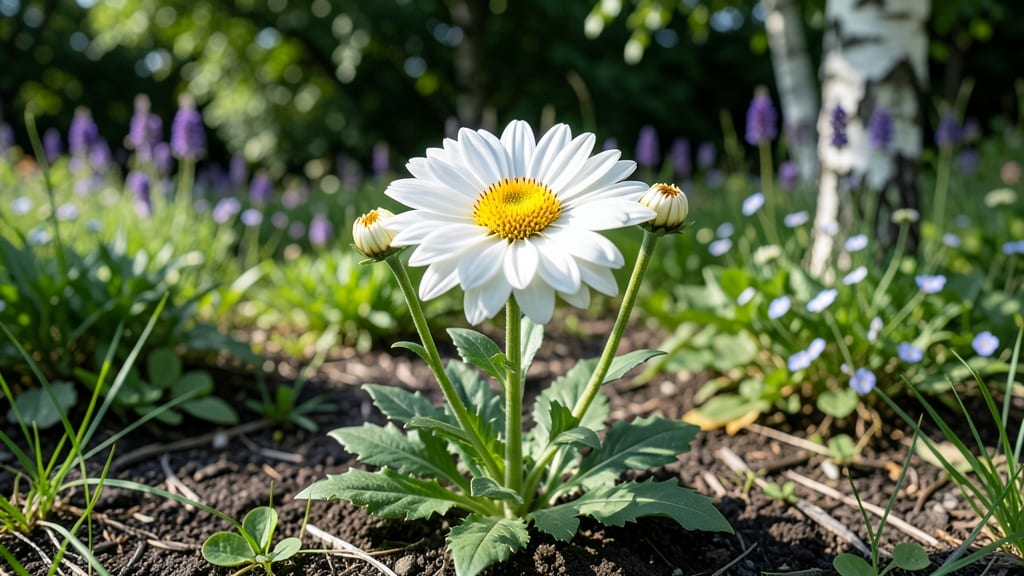
The hardy wood daisy flower flourishes where others falter—cool coastal climates, rocky slopes, and even windy Pacific Northwest gardens. 🌿 I’ve grown them through three winters in Portland, and they’ve never skipped a beat, blooming from late spring through frost with barely any fuss.
The secret lies in their resilience: they handle rain, salt spray, and poor soil better than most perennials, yet still reward you with those cheerful, daisy-like flowers all season.
Their charm isn’t just in their year-round interest—even the foliage stays lush and silvery-green when many plants go dormant. You’ll need well-draining soil (they hate soggy roots) and full sun to partial shade, but beyond that, they’re low-maintenance.
Prune back lightly after flowering to keep them compact, and watch them bounce back stronger than ever. The best part? They spread slowly, filling in gaps without taking over.
What you’ll love most is how effortlessly they brighten up tough spots—rock gardens, slopes, or even containers. Their drought tolerance once established means you’ll spend less time watering and more time admiring their cheerful faces.
And when winter rolls in, their evergreen foliage adds texture to the garden when everything else is brown and dormant.
Whether you’re planting from seed, cuttings, or nursery starts, this guide covers all the basics—plus how to troubleshoot common issues like powdery mildew or leggy growth. Let’s get those wood daisies thriving in your garden!
📚 In This Guide
- What you need
- Instructions
- Tips and common mistakes
- Wrapping up and next steps
What you need
- ● Wood Daisy Seeds or Plants: Seeds: 1–2 packets (50–100 seeds per packet) for a small garden patch.
- ● Plants: 3–5 nursery-grown plants (1-gallon pots) for faster blooms.
- ● Well-Draining Soil: 1–2 bags of garden loam (for heavy clay soil common in PNW).
- ● 1 bag of perlite or coarse sand (to improve drainage).
- ● 1 bag of compost (for nutrients).
- ● Sunlight Access: Full sun (6+ hours/day) or partial shade (morning sun + afternoon shade).
- ● Watering Supplies: Watering can or hose with a gentle spray nozzle (to avoid disturbing roots).
- ● Garden Tools: Trowel or hand shovel (for planting seeds/plants).
- ● Garden gloves (to protect hands from thorns or soil).
- ● Pruners (for deadheading or shaping).
- ○ Optional (But Helpful!): Mulch (2–3 inches of wood chips or straw) to retain moisture.
- ● Fertilizer: Balanced 10-10-10 or slow-release granular (sprinkle lightly after planting).
- ● Stakes or cages (if stems need support in windy PNW areas).
Step-by-step instructions for establishing wood daisy flowers
Here's how to get these Pacific Northwest favorites thriving in your garden.
🌱 Step 1: Choose the Perfect Planting Location
Wood daisies love sun but tolerate partial shade—ideal for Pacific Northwest gardens where full sun can be intense. Pick a spot with at least 4-6 hours of morning sunlight and afternoon shade if your summers run hot. The key is well-draining soil; these plants hate soggy feet.
I like to test the site by digging a hole 12 inches deep and filling it with water. If it drains within 4-6 hours, the location is perfect. If water pools, amend the soil with 2-3 inches of compost to improve drainage before planting.
🪴 Step 2: Prepare Soil and Plant Bare-Root Starts
Wood daisies thrive in lean, rocky soil—just like their native Pacific Northwest habitat. Mix 1 part compost with 3 parts native soil to create a loose, airy medium. Dig holes twice as wide as the root ball but only as deep—planting too deep smothers the crown.
Gently spread the roots outward in the hole, then backfill with soil, pressing lightly to eliminate air pockets. Water deeply to settle the soil, but don't create a muddy mess. The first flush of water helps roots establish contact with the soil particles.
☀️ Step 3: Water Deeply and Establish a Routine
Water newly planted wood daisies once a week for the first month, giving each plant 1 gallon of water at the base. After that, they're remarkably drought-tolerant once established. The secret is deep watering—1-2 inches per week—rather than frequent shallow drinks.
You'll know they're happy when leaves stay crisp and upright. Wilting in the afternoon means they need more water; yellowing leaves signal overwatering. Mulch with 2 inches of wood chips to conserve moisture and keep roots cool in summer.
✂️ Step 4: Prune for Shape and Encourage Blooms
Cut back faded flower stems to the first set of healthy leaves in early summer to encourage a second flush of blooms. I also trim any leggy growth in spring to maintain a compact shape. Never cut into old wood—wood daisies bloom on new growth, so prune just above leaf nodes.
In late fall, give the plants a light haircut by removing 1/3 of the foliage. This prevents winter dieback and lets sunlight reach the base, where new growth emerges in spring. The plants reward this pruning with vigorous new shoots by early May.
🌿 Step 5: Overwinter with Minimal Care
Wood daisies handle Pacific Northwest winters beautifully, but a little protection helps. After the first frost, spread 3-4 inches of mulch around the base to insulate roots. The plants may look dormant, but their roots stay active beneath the soil.
In early spring, remove mulch and water lightly to wake up the roots. You'll see new growth within 2-3 weeks—that's your signal to start fertilizing lightly with ½ strength balanced fertilizer to support the season's blooms.
Tips & tricks for perfect wood daisy flowers
These little-known secrets will help your Pacific Northwest wood daisies thrive with minimal fuss.
Site Selection Insight: Wood daisies love morning sun but hate afternoon heat—this is their secret weapon for Pacific Northwest survival. If your garden gets intense afternoon sun, consider planting them near taller shrubs that provide natural shade during the hottest hours. The 4-6 hour morning sun rule is non-negotiable for consistent blooms, but afternoon shade extends their growing season by weeks.
Soil Test Hack: That 12-inch hole test for drainage is your best friend. If water pools after 6 hours, you're not just dealing with soggy soil—you're risking root rot. For heavy clay soils, mix in 3-4 inches of coarse sand along with the compost to create that perfect rocky, well-draining texture these plants crave. Think of it as giving your daisies their native Pacific Northwest habitat in a pot.
Watering Wisdom: The once-weekly gallon for the first month might seem like a lot, but it's crucial for establishing roots. I've seen gardeners water every day with just a cup of water—those plants never took hold. After the first month, let the soil dry between waterings. Stick your finger 2 inches down; if it's dry, water deeply. If it's still damp, wait another day. This mimics natural rainfall patterns and prevents those dreaded yellow leaves.
Pruning Pro Tip: When you're cutting back those faded stems in early summer, look for the first set of healthy leaves—this is your visual cue. I always make the cut at a 45-degree angle just above a leaf node to encourage new growth. For the fall haircut, don't be shy with that 1/3 removal—it's what prevents winter dieback and gives you those vigorous spring shoots by early May. Think of it as giving your plants a fresh start before the growing season kicks in.
Pro Tips for Wood Daisy Flower
- These little-known secrets will help your Pacific Northwest wood daisies thrive with minimal fuss.
- Site Selection Insight: Wood daisies love morning sun but hate afternoon heat—this is their secret weapon for Pacific Northwest survival.
- Soil Test Hack: That 12-inch hole test for drainage is your best friend.
Frequently asked questions
Got questions about growing and caring for your wood daisy flower? You’re in the right place! Here are answers to the most common queries from gardeners in the Pacific Northwest and beyond.
How do I know when my wood daisy is ready to bloom?
The first blooms typically appear in late spring to early summer (May–June), but don’t worry if they’re slow to show! Wood daisies are perennials, so they’ll reward patience with year-round interest—even if flowers are sparse in winter. Look for buds forming on stems as a sign they’re gearing up for their peak season.
Do wood daisies need a lot of water?
Not at all! Once established, these drought-tolerant beauties thrive with minimal watering. Water deeply once a week during dry spells, but avoid soggy soil—they hate "wet feet." In the PNW’s rainy climate, they often self-sustain after the first year. Pro tip: Mulch around the base to retain moisture and deter weeds.
Will wood daisies survive winter in the Pacific Northwest?
Wood daisies are hardy perennials (USDA zones 5–9), making them perfect for PNW winters. Their woody stems and silver-gray foliage add winter interest, though they may drop leaves in cold snaps. Protect young plants with a light mulch layer (2–3 inches) to shield roots from freezing.
Can I grow wood daisies in containers?
Yes, but they need room to stretch! Choose a large container (12+ inches wide) with drainage holes and well-draining soil. They’ll grow 3–4 feet tall, so opt for a tall planter or pair them with shorter companions. Repot every 2–3 years to refresh soil nutrients.
Are wood daisies prone to pests or diseases?
Generally resilient, but keep an eye out for aphids or powdery mildew in humid PNW summers. Solution: Spray plants with water to dislodge pests or apply neem oil for fungal issues. Ensure good airflow by spacing plants 2–3 feet apart. Healthy soil = happy daisies!
What’s the best way to propagate wood daisies?
Divide mature clumps in early spring or fall. Dig up the plant, separate the roots (each section should have buds), and replant divisions 12–18 inches apart. Alternatively, take stem cuttings in summer—dip in rooting hormone and pot in moist soil. Patience pays off!
Wrapping up and next steps
The wood daisy flower is a true gem for Pacific Northwest gardeners, offering low-maintenance beauty and year-round interest with its delicate blooms and lush foliage.
Whether you're a seasoned gardener or just starting, its resilience and adaptability make it a perfect addition to your outdoor space—bring a touch of wild charm to your landscape!
Ready to plant your own wood daisy? Grab your supplies, pick a sunny spot, and watch your garden transform with this easy-care perennial. Happy gardening! 🌿✨