
Flowers
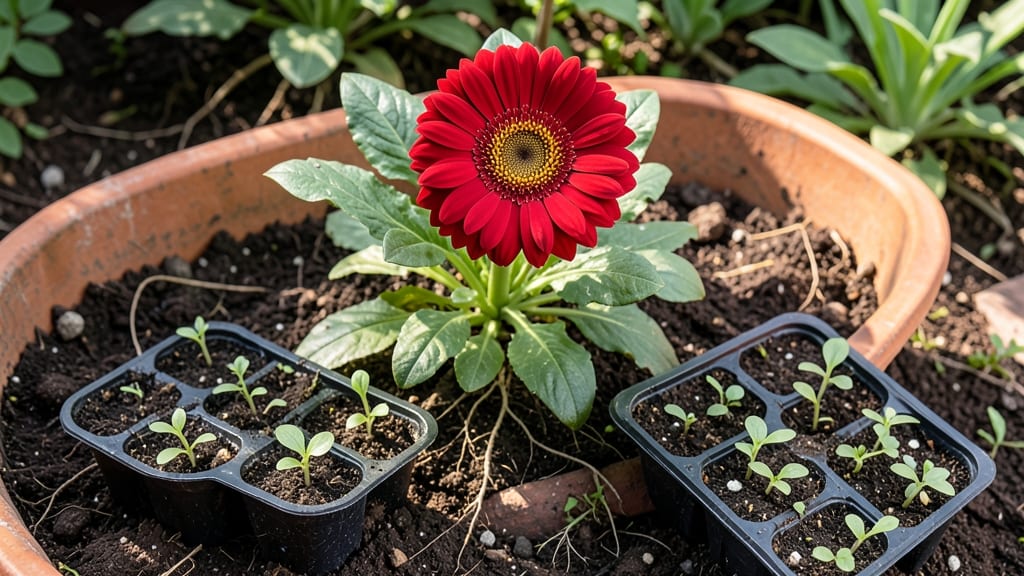
Harvesting gerbera daisy seeds from flowers isn’t as tricky as it sounds—once you know the right technique, you’ll be growing new plants from last season’s blooms in no time. I’ve turned wilted gerbera centers into thriving seedlings just by following a few key steps, and the best part?
You don’t need any special equipment beyond what’s already in your garden shed.
The secret lies in timing and patience—collect seeds when the flower heads turn brown and papery, then dry them properly to ensure viability. Most beginners rush this step, but taking 10-14 days to dry seeds indoors prevents mold and boosts germination rates.
Once stored correctly, these seeds can last for years, giving you a nearly free way to expand your garden.
You’ll end up with cheerful, vibrant gerberas that bloom just like their parent plants, often even more prolifically. The first flush of color arrives in about 8-12 weeks, and the process becomes second nature after your first successful batch.
Perfect for gardeners who love propagating from cuttings or seeds but want a foolproof method.
Works equally well in containers or garden beds, and the same technique applies to other daisy varieties too. Let’s break down each step so you can start growing your own gerbera seedlings this season.
📚 In This Guide
- What you need
- Instructions
- Tips and common mistakes
- Wrapping up and next steps
What you need
- ● Mature gerbera daisy flowers: Choose healthy, fully bloomed flowers with seeds (usually in the center). Aim for at least 3-5 flowers for better success.
- ● Scissors or pruning shears: Sharp and clean to avoid damaging the flower heads.
- ● Paper towels or coffee filters: For drying seeds (use 2-3 sheets per batch).
- ● Small containers or seed trays: With drainage holes (e.g., 4-6 inch pots or a seed-starting tray).
- ● Well-draining potting mix: A lightweight, seed-starting mix (avoid garden soil—it’s too dense!).
- ● Spray bottle: For gentle watering (a 16 oz misting bottle works perfectly).
- ● Plastic wrap or clear lid: To create a humidity dome (e.g., a plastic bag or propagator lid).
- ● Grow lights or sunny windowsill: Gerbera seeds need bright, indirect light (6-8 hours/day).
- ● Seedling heat mat: Keeps soil warm (70-75°F) for faster germination.
- ● Fertilizer (diluted): A balanced liquid fertilizer (5-5-5) for young seedlings (use half-strength!).
- ● Humidity tray: A shallow tray with pebbles and water to boost moisture levels.
- ● Labels and markers: To track planting dates and varieties (trust us, it helps!).
How to extract and grow gerbera daisy seeds from flowers
Here's the straightforward method I've used to propagate gerberas from store-bought blooms—no fancy tools needed.
Select and Prepare the Right Flowers
Choose fully mature gerbera daisy flowers with dry, brown centers—this signals seed development. Cut the flower head cleanly from the stem, leaving about 1 inch of stem attached. Remove all petals by gently pulling them away from the center disc where the seeds reside.
Place the bare flower heads in a paper bag (not plastic) and tie the top loosely. Hang the bag upside down in a warm, dry spot for 2-3 weeks. The seeds will naturally drop into the bag when fully mature. Check daily—overripe seeds may sprout inside the bag.
Clean and Store the Seeds Properly
Once seeds have fallen into the bag, carefully remove them and spread them on a clean paper towel to dry completely. This prevents mold and ensures good germination. Store the dried seeds in an airtight container with a moisture-absorbing packet (like those for electronics) in a cool, dark place for up to 6 months.
Gerbera seeds lose viability quickly, so don't rush planting. If you see any fuzzy mold on seeds, discard them immediately—this is a sign of rot.
Start Seeds Indoors Under Controlled Conditions
Fill small seed trays with a light, sterile seed-starting mix (never garden soil). Scatter seeds ¼ inch deep—they're tiny, so don't worry about perfect spacing. Cover lightly with additional mix and mist gently until the surface is damp but not soggy.
Place the tray in a warm spot (70-75°F) with bright, indirect light. A seedling heat mat speeds germination, which typically takes 14-21 days. Keep the soil consistently moist but never waterlogged—gerbera seedlings rot easily.
Transplant and Care for Young Seedlings
When seedlings develop 2-3 true leaves, transplant them into individual 3-inch pots with fresh potting mix. Handle them carefully—they're delicate. Place pots in a sunny window or under grow lights for 14-16 hours daily. Gerberas need strong light to prevent leggy growth.
Water from the bottom to encourage deep root growth. Once seedlings are 4-6 inches tall, gradually introduce them to outdoor conditions by placing them outside for 1-2 hours daily, increasing time over 10-14 days. Plant outdoors after the last frost when soil is at least 60°F.
Tips & tricks for perfect gerbera daisy seed propagation
Here's what I learned the hard way after trying—and failing—to grow gerbera daisies from store-bought flowers.
Flower Selection Tip: In Step 1, those dry, brown centers are your golden ticket. If you pick flowers too early, the seeds won't develop properly. I've wasted weeks using flowers with green centers—always wait until they're completely brown and papery. Also, choose blooms from healthy plants; diseased flowers can pass problems to your seeds.
Bag Placement Strategy: For the 2-3 week drying period in Step 1, place your paper bag in a spot with gentle airflow—like a kitchen shelf near an open window. Too much heat can cause seeds to sprout prematurely inside the bag, while too little air circulation might encourage mold. I learned this after finding fuzzy mold on seeds that sat in a closed cabinet.
Germination Environment: When starting seeds in Step 3, maintain that 70-75°F range consistently. I've seen germination rates drop dramatically when temperatures dipped below 70°F. Consider using a seedling heat mat if your home tends to run cool. And remember—those 14-16 hours of light are crucial; gerbera seedlings need strong light to develop properly, not just any old window spot.
Transplanting Timing: In Step 4, wait until you see those 2-3 true leaves before transplanting—don't rush it. I made the mistake of moving seedlings too soon, and they struggled to recover. Also, when hardening off your 4-6 inch seedlings, start with just 1 hour outside on day one, not the full 1-2 hours. Gradual exposure prevents shock.
Pro Tips for Gerbera Daisy Seeds From Flowers
- Here's what I learned the hard way after trying—and failing—to grow gerbera daisies from store-bought flowers.
- Flower Selection Tip: In Step 1, those dry, brown centers are your golden ticket.
- Bag Placement Strategy: For the 2-3 week drying period in Step 1, place your paper bag in a spot with gentle airflow—like a kitchen shelf near an open window.
Frequently asked questions
Got questions about growing gerbera daisy seeds from flowers? You’re not alone! Here are some of the most common concerns—and their straightforward answers—to help you succeed.
Can I really get seeds from a store-bought gerbera daisy?
Most commercial gerbera daisies are hybrid varieties and won’t produce viable seeds. For seed-saving success, opt for heirloom or open-pollinated gerbera daisies (like ‘Red Torch’ or ‘Marmalade’). If you’re unsure, ask local nurseries or seed swap groups for seed-bearing varieties!
How long does it take for gerbera daisy seeds to germinate?
Gerbera seeds are slow starters—expect germination in 2–4 weeks under ideal conditions (warmth, 70–75°F, and consistent moisture). Patience is key! Use a heat mat or seedling tray to speed things up. Pro tip: Keep soil lightly damp (not soggy) to avoid mold.
What’s the best soil mix for gerbera daisy seedlings?
A well-draining, airy mix is critical. Combine 50% peat or coco coir, 30% perlite or vermiculite, and 20% compost. Avoid heavy garden soil—it compact and suffocates delicate roots. For extra insurance, add a handful of sand for drainage.
Why aren’t my gerbera seedlings sprouting? Troubleshooting tips.
If seeds aren’t germinating, check these common culprits:
- Cold soil: Gerbera seeds need warmth. Move your tray to a sunny windowsill or use a seedling heat mat.
- Old seeds: Store-bought seeds lose viability quickly. Use fresh seeds (under 1 year old) for best results.
- Overwatering: Damp soil can rot seeds. Water from the bottom (tray method) to avoid excess moisture.
Can I grow gerbera daisies from flower seeds indoors year-round?
Yes, but with adjustments! Gerbera daisies thrive in full sun (6+ hours/day), so supplement with grow lights if natural light is limited. Keep humidity high (use a humidity dome) and maintain 60–70°F temperatures. Once seedlings sprout, thin to 1–2 inches apart to prevent overcrowding.
Wrapping up and next steps
Growing gerbera daisy seeds from flowers is a rewarding journey that connects you to nature’s beauty! With the right tools—like mature flower heads, patience, and a cozy growing setup—you can nurture vibrant blooms right from your own home. 🌱
Now that you’re armed with step-by-step guidance and answers to common questions, it’s time to roll up your sleeves and start propagating! Pick a sunny spot, keep an eye on moisture, and watch your gerbera daisies thrive. Ready to turn those petals into a garden full of color?
Try it today!