
Flowers
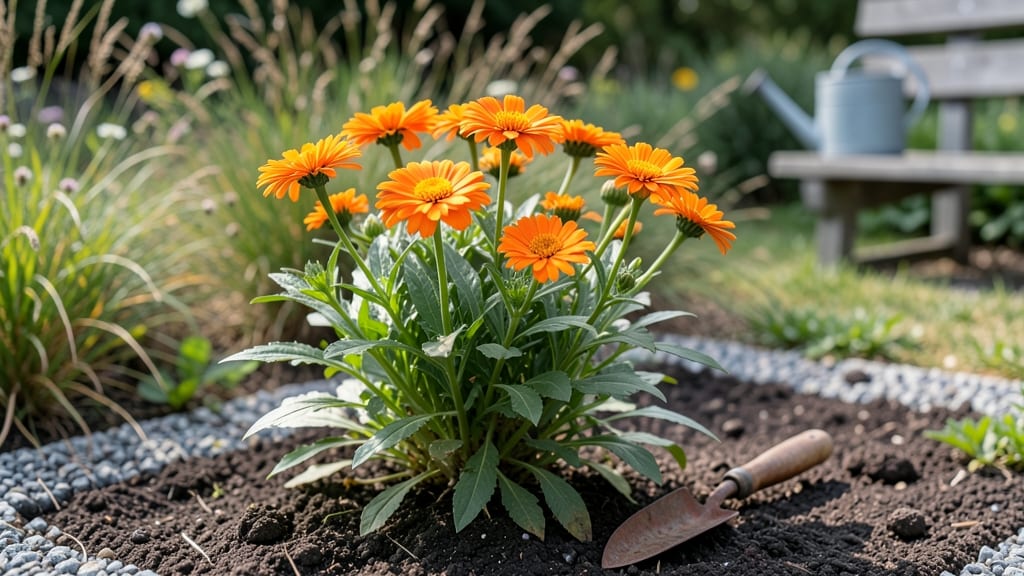
Sun-kissed gardens don’t happen by accident—they start with orange-colored flowers that bring warmth and energy to every season. 🌼 I’ve designed countless spaces where these fiery blooms steal the show, from cottage borders to modern containers, and the secret isn’t just picking the right varieties—it’s knowing how to layer them for maximum impact.
The best orange flowers—like marigolds, daylilies, and roses—aren’t just pretty; they’re versatile. Marigolds pop in summer borders, daylilies add height in late-season arrangements, and roses bring romantic drama to any setting. Pair them with deep purples, creamy whites, or even bold reds for contrast that feels intentional, not random.
What you’ll end up with is a garden that feels alive—vibrant even in winter when you include calendula or orange snapdragons. These plants thrive in full sun, making them perfect for sunny spots, while their nectar-rich blooms attract pollinators all season long.
The effect? A space that looks effortlessly polished, no matter the time of year.
Whether you’re refreshing a tired border or filling containers for a patio, these orange stars will transform your outdoor space. Let’s bring that sunlit energy to your garden—one bloom at a time.
📚 In This Guide
- What you need
- Instructions
- Tips and common mistakes
- Wrapping up and next steps
What you need
- ● Orange flower seeds: Choose from Calendula officinalis (Pot Marigold), Tagetes erecta (African Marigold), or Zinnia elegans (Zinnia). Buy 1-2 packets (50-100 seeds each) for a vibrant display.
- ● Well-draining potting mix: 1-2 bags (10-20 lbs) of organic garden soil or a seed-starting mix.
- ● Containers or garden beds: For seedlings: 6-12 4-inch biodegradable pots or cell trays.
- ● For transplanting: 1-2 12-inch pots or a 6-inch garden bed per plant.
- ● Watering can or spray bottle: With a gentle misting nozzle for seedlings.
- ● Fertilizer: A balanced liquid fertilizer (10-10-10) or compost tea for nourishment.
- ● Decorative mulch: 1 bag of orange or red mulch to enhance color contrast.
- ● Garden markers: 5-10 wooden or plant labels to track varieties.
- ● Epsom salt: 1 small box (for magnesium boost, especially for zinnias).
- ● Companion plants: 1-2 packets of basil or nasturtium seeds to attract pollinators.
How to design a striking orange flower garden
Vibrant orange blooms bring bold energy to any landscape—here’s how to create a showstopping display.
🌱 Step 1: Choose the Right Orange-Blooming Varieties
Start with a mix of annuals and perennials for year-round drama. My go-to orange flowers include marigolds (drought-tolerant and pest-repelling), black-eyed Susans (perennial sun-lovers), and orange daylilies (low-maintenance and heat-resistant). For height, add orange snapdragons or celosia—both thrive in full sun and bloom prolifically.
If your garden gets partial shade, opt for orange impatiens or coleus (which also offers striking foliage). I always include at least one orange flowering shrub, like abelia or potentilla, to anchor the design. Check each plant’s mature size to avoid overcrowding—marigolds need 6-12 inches of space, while daylilies can spread 2-3 feet wide.
☀️ Step 2: Select the Perfect Sun and Soil Conditions
Most orange flowers crave full sun (6+ hours daily), but a few, like orange impatiens, tolerate morning sun with afternoon shade. Test your garden’s light by observing how shadows shift—if a spot gets less than 4 hours of sun, choose shade-tolerant varieties instead.
Amend your soil with 2-3 inches of compost before planting to ensure good drainage—orange flowers wilt quickly in soggy conditions. I like to mix in a slow-release granular fertilizer (like 10-10-10) at planting time for a nutrient boost. For containers, use a well-draining potting mix with perlite to prevent root rot.
🪴 Step 3: Plant for Season-Long Color and Texture
Layer plants by height for a dynamic look: tall celosia (24-36 inches) in the back, medium marigolds (12-18 inches) in the middle, and low-growing orange alyssum (6 inches) as a spiller. Plant bulbs like tiger lilies in early fall for spring blooms, then fill gaps with annuals for summer color.
Space perennials like daylilies and black-eyed Susans 12-18 inches apart—they’ll multiply over time. For annuals, follow spacing on seed packets (usually 6-12 inches). Water deeply after planting to settle roots, then let the soil dry slightly between waterings to encourage strong growth.
💧 Step 4: Water and Feed for Continuous Blooms
Water deeply once or twice a week (depending on rain) to encourage deep root growth. Most orange flowers prefer slightly dry soil over soggy conditions—wilting leaves mean it’s time to water, but yellowing foliage signals overwatering. Mulch with 2-3 inches of shredded bark to retain moisture and suppress weeds.
Feed every 4-6 weeks with a balanced liquid fertilizer (like 20-20-20) during the growing season. Deadhead spent blooms regularly—this redirects energy to new flowers. For long-lasting color, I also add a slow-release fertilizer in early spring to keep plants thriving all season.
✂️ Step 5: Prune and Extend the Season
Cut back leggy stems in early summer to encourage bushier growth. For perennials, trim back orange daylilies and black-eyed Susans in late fall to remove dead foliage. In containers, pinch back celosia and snapdragons to promote branching.
To extend blooms, move potted orange flowers to a sheltered spot before frost. In mild climates, annuals like marigolds may rebloom if deadheaded consistently. For winter interest, leave dried orange flowers (like celosia) on stems—they add texture to winter arrangements.
Tips & tricks for stunning orange flower gardens
Real talk: the secret to a vibrant orange garden isn't just picking the right flowers—it's understanding how they work together. Here's what nobody tells you about creating that showstopping display.
Layering for Maximum Impact: In Step 3, when you're arranging your plants by height, don't just think vertical—consider color intensity too. Place your most vibrant orange flowers like celosia and marigolds where they'll catch the eye first (usually the front or center), then layer in slightly muted tones like orange daylilies behind them. This creates depth and prevents visual fatigue. The 6-inch orange alyssum makes an excellent trailing edge that spills beautifully over containers or garden borders.
Sunlight Strategy: Step 2 mentions full sun requirements, but here's the nuance: most orange flowers actually perform best with morning sun and afternoon shade in hot climates. If your garden gets intense afternoon sun (especially in summer), consider planting taller varieties like celosia where they'll provide shade for lower-growing plants. I've seen marigolds in full sun wilt by afternoon—this simple adjustment can double their bloom time.
Soil Secrets: The instructions mention compost and drainage, but what about pH? Most orange flowers thrive in slightly acidic to neutral soil (pH 6.0-7.0). If your soil is heavy clay or very alkaline, mix in 2-3 inches of peat moss or pine bark fines with that 2-3 inches of compost to create the perfect growing medium. I've noticed black-eyed Susans produce more vibrant blooms when their soil pH is around 6.5—just a little test kit makes all the difference.
Seasonal Extension Hack: For that winter interest mentioned in Step 5, try this: after your celosia or snapdragons have finished blooming, cut some stems and hang them upside down in a dry, dark place for 2-3 weeks. The dried flowers will maintain their brilliant orange color and add unexpected texture to winter arrangements. I've used them in everything from holiday wreaths to dried flower bouquets—trust me on this.
Pro Tips for Orange Colored Flowers
- Real talk: the secret to a vibrant orange garden isn't just picking the right flowers—it's understanding how they work together.
- Layering for Maximum Impact: In Step 3, when you're arranging your plants by height, don't just think vertical—consider color intensity too.
- Sunlight Strategy: Step 2 mentions full sun requirements, but here's the nuance: most orange flowers actually perform best with morning sun and afternoon shade in hot climates.
Frequently asked questions
Got questions about those vibrant orange blooms? You’re not alone!
Whether you’re dreaming of a sun-drenched garden or troubleshooting your floral project, here are the answers you need to bring that fiery color to life—year-round.
What are the easiest orange flowers to grow for beginners?
Start with marigolds or calendula—they’re hardy, pest-resistant, and thrive in full sun. For containers, try geraniums or zinnia varieties like ‘Benary’s Giant.’ All three bloom prolifically with minimal fuss!
When is the best time to plant orange flowers for continuous blooms?
For annuals (like zinnias), sow seeds 2–3 weeks after your last frost in spring. Perennials (e.g., daylilies) can go in early spring or fall. Deadhead spent blooms to encourage reblooming—consistency is key!
How can I mix orange flowers with other colors for a stunning look?
Pair deep oranges (like dahlias) with purples (e.g., salvia) for drama, or balance them with soft whites (e.g., shasta daisies) for a fresh contrast. For warmth, add yellows (e.g., black-eyed Susans). Odd-numbered arrangements (3, 5, 7 stems) create natural flow!
Why aren’t my orange flowers blooming—what’s wrong?
Common culprits: over-fertilizing with nitrogen (promotes leaves, not blooms), poor sunlight (most need 6+ hours), or root-bound pots. Try balanced bloom fertilizer, prune leggy stems, or repot if needed. Patience pays off—some varieties take 6–8 weeks to flower!
Can I force orange flowers to bloom indoors year-round?
Yes! Try amaryllis or paperwhite narcissus (both have orange cultivars). For long-term indoor color, grow geraniums in a sunny window and supplement with grow lights (12–14 hours/day). Just mimic their outdoor needs—well-draining soil and moderate watering!
Still stumped? Drop your specific flower type or growing zone in the comments—we’ve got more tips!
Wrapping up and next steps
From vibrant marigolds to delicate calendulas, orange flowers bring warmth, joy, and effortless beauty to any space—whether your garden, a vase, or a creative project. 🌼 Whether you're a seasoned gardener or a beginner, these sun-kissed blooms prove that nature’s simplest colors can make the biggest impact.
Now that you’re armed with the right materials and answers to common questions, it’s time to get growing!
Ready to turn your outdoor (or indoor!) oasis into a showstopper? Start small—plant a single pot of orange zinnias or mix a few varieties for a bold, cheerful display. Tag a friend who loves gardening and share your progress—let the sun shine brighter together! 🌻