
Flowers
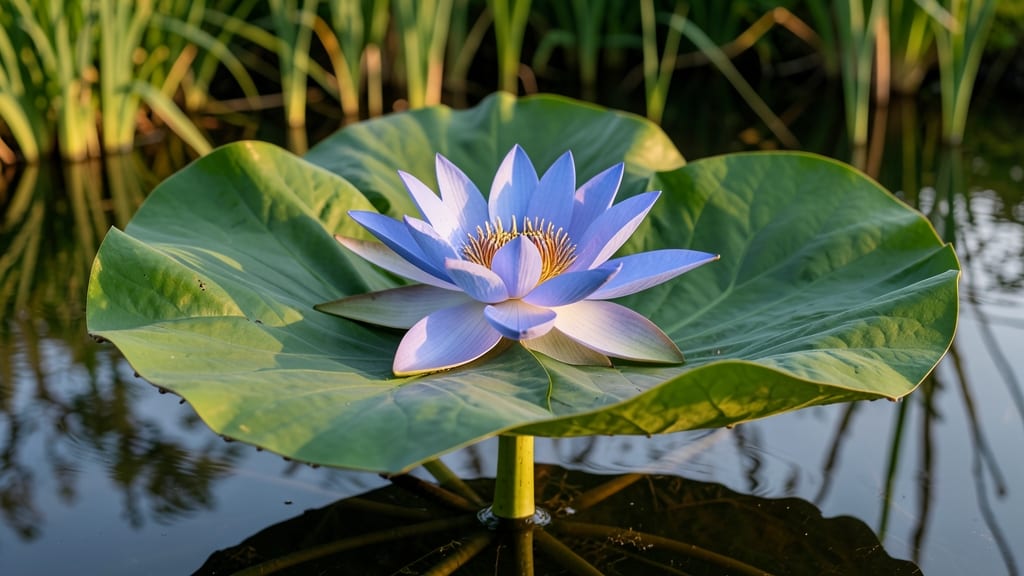
The Nymphaea caerulea flower—also called the sacred blue lotus—isn’t just stunning; it’s a plant with a history of spiritual symbolism and mesmerizing aquatic beauty.
I’ve grown these delicate blooms for years, and the first time I saw their deep blue petals unfurl on my pond, I knew I’d never go back to ordinary water lilies again. Their fragrance at dusk is unforgettable, too—like a mix of honey and something ancient.
Growing them isn’t as tricky as it seems, but they do demand a few key things: at least 3 feet of water depth, full sun (6+ hours daily), and a nutrient-rich, slightly mucky substrate to anchor those heavy tubers.
Containers work too—just use a 55-gallon barrel or larger with a sturdy mesh bottom to prevent root escape. The real magic happens when you replicate their natural habitat, whether in a pond or a deep, wide pot.
By midsummer, you’ll be rewarded with vibrant blue blooms that open at dawn and close by afternoon, only to reopen the next day. The flowers are edible too—historically used in teas and rituals—though they’re prized more for their ornamental value.
Their lily pads create a stunning, almost surreal surface on the water, and the contrast of their deep blue against green leaves is pure poetry.
Whether you’re drawn to their spiritual significance or just their breathtaking appearance, these lotuses thrive best in USDA Zones 6-10 with consistent warmth. Cold snaps can be deadly, so in colder climates, overwinter tubers in a cool, dark spot.
Pests are rare, but watch for aphids on new growth—just a blast of water usually does the trick. Ready to cultivate a piece of history in your garden?
📚 In This Guide
- What you need
- Instructions
- Tips and common mistakes
- Wrapping up and next steps
What you need
- ● Blue Lotus Tubers: 3–5 healthy, dormant tubers (ensure they’re disease-free; avoid pre-sprouted ones unless experienced).
- ● Pond or Container: Pond: Minimum 18" depth (deeper for larger tubers).
- ● Container: At least 12" deep x 18" wide (use a breathable fabric liner or heavy-duty plastic).
- ● Pond Soil or Aquatic Substrate: 3–4 inches of sand or fine gravel (for drainage) + 2 inches of pond mud or aquatic soil.
- ● Water Source: Dechlorinated, stagnant water (chlorine-free; use a water conditioner if tap water is unavoidable).
- ○ Fertilizer (Optional but Recommended): Slow-release aquatic fertilizer tablets (e.g., pond fertilizer tablets with iron).
- ● Liquid seaweed extract (1 tsp/month for nutrient boost).
- ● Gloves: Waterproof gardening gloves (to protect from sharp tuber edges).
- ● Trowel or Spade: For planting and soil adjustments.
- ● pH Test Kit: Ideal pH range: 6.5–7.5 (adjust with sulfur or lime if needed).
- ● Water Thermometer: Tubers thrive in 68–86°F (20–30°C) water.
- ○ Floating Pond Plants (Optional): Water hyacinth or duckweed to provide shade and reduce algae.
- ● USDA Hardiness Zones: 8–11 (or indoors with grow lights in cooler climates).
- ● Sunlight: Full sun (6+ hours/day) for vibrant blooms.
- ● Water Quality: Stagnant, warm, and low in movement (blue lotus hates currents!).
- ● Patience: Germination can take 4–8 weeks—stay consistent!
Step-by-step instructions for cultivating Nymphaea caerulea
Here's how I've successfully grown this ancient aquatic treasure—no shortcuts, just proven techniques.
🌱 Step 1: Prepare the Correct Water Environment
The blue lotus demands clean, still water with a depth of 12-18 inches—shallow ponds won't work. I use a pre-formed pond liner (not clay) to prevent leaks, and always test water quality first. This plant tolerates 5.0-7.5 pH but thrives at 6.5-7.0, so I add pond buffer if needed. The water must stay warm (70-80°F)—colder temperatures stall growth entirely.
Place the container in full sun (6+ hours daily)—partial shade produces fewer blooms. I position mine where morning sun warms the water gradually; direct afternoon heat can scorch emerging leaves. If using a koi pond, ensure no fish disturb the rhizomes—they'll uproot them within days.
🪴 Step 2: Plant Rhizomes at the Right Depth
Blue lotus rhizomes must be buried horizontally at 6-8 inches deep, with roots facing downward. I plant them in sand or gravel (not soil) to prevent rot—this mimics their natural muddy riverbed habitat. Space 12-18 inches apart for mature plants, since each rhizome can spread 3-4 feet over time.
Use sterilized pond gravel (not river rocks) to cover the rhizomes—this prevents fungal infections. I mark planting locations with floating bamboo stakes so I don't accidentally disturb them when harvesting. The first leaves appear in 4-6 weeks if conditions are perfect; if nothing emerges after 8 weeks, check water temperature and pH again.
☀️ Step 3: Manage Fertilization and Water Chemistry
Blue lotus doesn't need heavy feeding—too much fertilizer causes algae blooms that smother the plant. Instead, I add slow-release aquatic tablets (1 per plant) in early spring only. For nutrient-rich water, I use pond algae wafers (not fish food)—these release minerals gradually without spiking ammonia levels.
Test water monthly for nitrates and phosphates. Levels above 20 ppm signal over-fertilization. If leaves develop yellow patches, flush the pond with dechlorinated tap water (let it sit 24 hours first). The plant signals stress by dropping buds—this is your cue to adjust either light or nutrients immediately.
✂️ Step 4: Prune and Divide for Long-Term Health
After 3-4 years, blue lotus rhizomes become overcrowded. I dig them up in early spring (before new growth) and separate offsets with a sterilized knife. Replant the largest sections immediately—smaller divisions take longer to establish. Discard any rhizomes with soft, mushy spots (a sign of rot).
Trim yellowed or damaged leaves at the base with clean pruners—never pull them, or you'll uproot new shoots. I leave 3-4 healthy leaves per plant to maintain photosynthesis. The first blooms appear in year 2 or 3—patience is key here. If flowers fail to open, check for aphids on the undersides of leaves and treat with neem oil solution (1 tsp per gallon of water).
⏰ Step 5: Overwintering for Year-Round Growth
In zones below 8, blue lotus needs winter protection. I drain the pond slightly (leave 4-6 inches of water) and cover with 12 inches of straw. The rhizomes stay dormant but viable. In warmer climates, I reduce feeding and increase water depth to 24 inches—deeper water insulates against temperature swings.
Resume normal care in early spring when water reaches 60°F. You'll see new shoots within 2-3 weeks. If you notice blackened leaf edges after winter, it's a sign of cold damage—replace affected plants immediately. The oldest rhizomes (5+ years) produce the most vibrant blue flowers, but I refresh divisions every 3-4 years to maintain vigor.
Tips & tricks for cultivating sacred blue lotus
Mastering blue lotus growth means paying attention to details most gardeners overlook—here's what I've learned after years of trial and error.
Water Depth and Temperature: The 12-18 inch depth requirement isn't arbitrary—it creates the perfect balance between buoyancy and root stability. I've found that maintaining water temperatures between 70-80°F is critical, especially during the first 4-6 weeks when new shoots emerge. If your pond drops below 65°F, growth stalls completely. Consider using a small submersible heater during cooler months to maintain this range without shocking the plant.
Rhizome Placement Technique: When planting rhizomes at 6-8 inches deep, I make a small trench in the sand or gravel rather than simply covering them. This creates better drainage and prevents waterlogging that leads to rot. The roots should face downward naturally, but if they don't, gently reposition them—this mimics their natural orientation in riverbeds. I've seen rhizomes planted upside-down fail to sprout after 8 weeks, so this step matters more than you'd think.
Light Management Strategy: While blue lotus needs full sun, I've learned that gradual exposure works better than immediate full sunlight. Start with morning sun only for the first week, then gradually increase exposure. This prevents leaf scorch that can occur when moving plants from indoor conditions to direct afternoon sun. Position your container where morning sunlight warms the water gradually—this creates the ideal environment for initial growth.
Fertilization Timing: The instruction to use slow-release aquatic tablets in early spring only is crucial. I've made the mistake of fertilizing in summer, which causes rapid algae growth that smothers new shoots. Test your water monthly for nitrates and phosphates—anything above 20 ppm means you're over-fertilizing. When you see yellow patches on leaves, it's already too late to prevent damage, so prevention is key here.
Pro Tips for Nymphaea Caerulea Flower
- Mastering blue lotus growth means paying attention to details most gardeners overlook—here's what I've learned after years of trial and error.
- Water Depth and Temperature: The 12-18 inch depth requirement isn't arbitrary—it creates the perfect balance between buoyancy and root stability.
- Rhizome Placement Technique: When planting rhizomes at 6-8 inches deep, I make a small trench in the sand or gravel rather than simply covering them.
Frequently asked questions
Can I grow Nymphaea caerulea in a small pond or container?
This sacred blue lotus thrives in containers as small as 10–15 gallons (for tubers) or 20+ gallons (for mature plants). Use a deep, wide container (minimum 12" depth) with 6–12 inches of water and a gravel or sand base for root support. Ensure it’s placed in full sun (6+ hours daily) and avoid overcrowding—space tubers 12–18 inches apart.
How long does it take for Nymphaea caerulea to flower?
Patience is key! From planting tubers, expect 3–5 months in ideal conditions (warm water, full sun, nutrient-rich soil). First flowers may appear in late spring to early summer, but full blooming (with vibrant blue petals) can take up to 2 years for mature plants. Pro tip: Keep water temps between 70–85°F to speed up growth.
What’s the best water temperature for Nymphaea caerulea?
The blue lotus loves warm water—ideal temps range from 70–85°F (21–29°C). Below 60°F (15°C), growth slows or stops, while temps above 90°F (32°C) can stress the plant. Use a pond heater in cool climates or place containers in south-facing spots for natural warmth. Winter care: Overwinter tubers in 50–60°F (10–15°C) water or store them in a cool, moist medium.
Are blue lotuses safe for ponds with fish or wildlife?
Generally yes, but with caution! Nymphaea caerulea is non-toxic and won’t harm fish or wildlife, but its thick roots can compete with aquatic plants. Avoid planting near small ponds where fish might get tangled in roots. Bonus: The flowers attract bees and butterflies—just keep an eye on curious critters!
Why aren’t my blue lotus leaves or flowers opening?
Common culprits include insufficient light, cold water, or nutrient deficiencies. Try these fixes:
- Move to full sun (evenings help in hot climates).
- Warm the water (use a heater or black pond liner).
- Fertilize with a low-phosphorus aquatic plant food (e.g., 5-5-5 ratio).
- Check for pests (aphids or snails can damage buds—use neem oil if needed).
If tubers are dormant, they may need 6+ weeks of warm water to wake up.
What are some low-maintenance alternatives to Nymphaea caerulea?
If the blue lotus seems too high-maintenance, try these hardy water plants with similar beauty:
- Water Lily (Nymphaea spp.) – Easier to grow, but fewer blue varieties.
- Blue Pickerelweed (Pontederia cordata) – Thrives in sun, attracts pollinators.
- Dwarf Water Hyacinth (Eichhornia crassipes) – Fast-growing, but invasive in warm climates.
- Lotus (Nelumbo nucifera) – Hardy and drought-tolerant once established.
For true blue, Nymphaea caerulea is unmatched—but these options offer less fuss!
Wrapping up and next steps
The Nymphaea caerulea isn’t just a stunning blue lotus—it’s a living piece of history and beauty waiting to bloom in your own space.
With the right patience, care, and a little magic (like its sacred symbolism), you can cultivate this rare gem and transform your pond or container into a serene sanctuary. 🌊✨
Ready to dive deeper? Start small—try propagating a single tuber or experimenting with companion plants to enhance its growth. Every gardener’s journey begins with one step, and yours could be the next chapter in Nymphaea caerulea’s legacy!