
Flowers
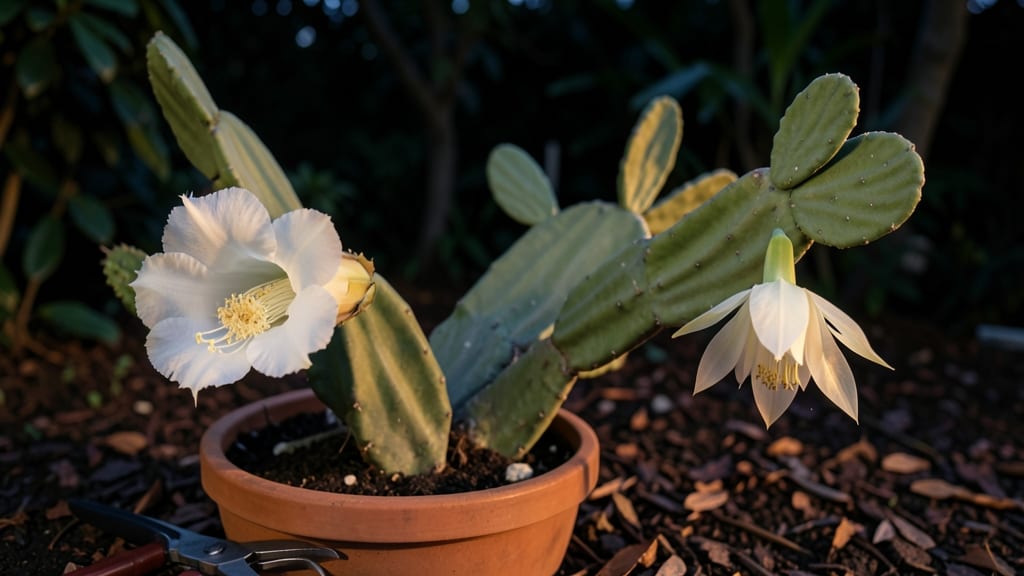
Growing the cactus moon flower (Selenicereus grandiflorus) means waking up to fragrant white blooms that only open at night. 🌙 I learned the hard way that these desert beauties aren’t your average houseplants—they thrive on neglect but reward patience with dramatic, moonlit displays.
The secret lies in mimicking their natural arid environment, where they stretch skyward in rocky soils and bask under relentless sun.
You’ll need minimal supplies: a 6-inch pot with drainage holes, a well-draining cactus mix (or add perlite to regular potting soil), and a bright, sunny spot. These vines grow 10-20 feet if left unchecked, so plan for trellises or let them sprawl—just keep them away from frost.
Water sparingly: soak the soil when completely dry, then let it dry out again. Overwatering is the fastest way to kill these drought-lovers.
By summer’s end, you’ll be rewarded with 6-inch-wide blooms that perfume the night air with a sweet, intoxicating scent. The key to more flowers? Prune leggy stems in spring and feed lightly with a balanced fertilizer (like 10-10-10) once a month during growing season.
Even beginners can master this—just remember: less water, more light, and absolute zero patience for soggy soil.
These plants handle heat like champions but struggle in humidity above 60%, so they’re perfect for dry climates or indoor growers with bright windows. If you live in a damp area, a dehumidifier near the plant or a pebble tray with water (not touching the pot) can help.
The blooms last just one night, but the anticipation makes every effort worth it—imagine your patio transformed into a moonlit garden oasis.
📚 In This Guide
- What you need
- Instructions
- Tips and common mistakes
- Wrapping up and next steps
What you need
- ● Cactus Moon Flower Cuttings or Seeds: Start with healthy cuttings (4–6 inches long) or seeds from a trusted nursery. Pro tip: 💡 Cuttings root faster than seeds!
- ● Well-Draining Potting Mix: Use a cactus/succulent mix (avoid regular soil—it retains too much moisture!). A blend of 50% pumice, 30% perlite, and 20% coarse sand works perfectly.
- ○ Pot with Drainage Holes: A terracotta or plastic pot (6–8 inches wide) with drainage to prevent root rot. Optional: Add a saucer to catch excess water.
- ● Sunlight Access: A south-facing window or grow light (12–14 hours/day) for indoor growth. Outdoor growers? Full sun (6+ hours/day) is ideal!
- ● Watering Can with Narrow Spout: Avoid overwatering—this cactus thrives on drought conditions. A spray bottle works for misting.
- ○ Fertilizer (Optional but Helpful): A balanced, diluted cactus fertilizer (5-10-5 or 2-7-7) applied every 4–6 weeks during spring/summer.
- ● Pruning Shears or Knife: For trimming dead blooms or propagating cuttings. Sterilize with rubbing alcohol first!
- ○ Gloves (Optional): Protect your hands—some cactus spines can be surprisingly sharp!
- ● Humidity Tray (Indoor Only): If your home is dry, a pebble tray with water can help (but avoid soggy roots!).
- ● Support Stake or Trellis: If growing outdoors in warm climates, a lightweight stake can help vines climb gracefully.
Step-by-step guide for growing cactus moon flower
Here's how to cultivate this striking desert beauty with confidence.
🌱 Step 1: Choose Your Planting Location
Cactus moon flowers thrive in full sun—at least 6-8 hours daily. I always pick the driest, sunniest spot in my garden because they despise soggy soil. The key is finding a balance: hot enough for blooms but not so intense that the plant wilts by afternoon.
If you're in a hotter climate, provide partial afternoon shade during peak summer months. Watch for leaves that start curling or turning yellow—this is your signal the plant needs more shade. In cooler regions, embrace full sun exposure year-round.
🪴 Step 2: Prepare the Soil and Plant
Use a well-draining cactus/succulent mix—never regular garden soil. I blend my own with 50% potting mix, 30% coarse sand, and 20% perlite to ensure water drains quickly. The roots rot easily when left damp, so drainage is everything.
Dig a hole twice as wide as the plant's root ball but only as deep as the container it came in. Gently remove the plant from its pot and place it in the hole, then backfill with your mix. Press lightly around the edges to eliminate air pockets. Water just once after planting—this helps settle the soil without drowning the roots.
☀️ Step 3: Water and Fertilize Sparingly
Water only when the top 2 inches of soil feel completely dry—this could be every 2-3 weeks in summer or once a month in winter. I use the finger test: stick my index finger into the soil. If it comes out clean, it's time to water.
Feed with a balanced, water-soluble fertilizer (like 10-10-10) once in spring and again in early summer. Too much fertilizer causes weak growth and fewer blooms. I always dilute it to half-strength—these plants are delicate when it comes to nutrients.
✂️ Step 4: Prune and Encourage Blooms
Deadhead spent flowers by snipping the stem just above a leaf node with clean pruners. This redirects energy toward new blooms instead of seed production. I do this every 2-3 weeks during the flowering season to keep the plant looking tidy and productive.
If your plant gets leggy, trim back the longest stems by one-third in early spring. This encourages bushier growth and more flowers. Just avoid cutting into the woody base—new growth emerges from the upper stems.
⏰ Step 5: Protect During Extreme Weather
In winter, move potted plants to a protected location if temperatures drop below 20°F. I wrap the pots in burlap and place them against a south-facing wall. For in-ground plants, cover them with mulch to insulate roots.
During summer heatwaves, provide light shade (like a sheer curtain) if leaves start to scorch. Watch for white, powdery spots—this means fungal issues from too much moisture. Adjust your watering schedule immediately if you spot these signs.
Tips & tricks for perfect cactus moon flower cultivation
Here's what I've learned after growing these stunning desert bloomers for years—simple secrets that make all the difference.
Sunlight Strategy: Those critical 6-8 hours of daily sun need to be direct sunlight, not filtered. I've found that placing your cactus moon flower on a south-facing windowsill or patio during the hottest part of the day (10 AM to 2 PM) gives it the energy boost it needs for vibrant blooms. If your plant starts developing pale, stretched-out stems, it's begging for more sunlight—move it immediately.
Soil Mix Secret: The 50-30-20 blend of potting mix, coarse sand, and perlite is non-negotiable for these desert beauties. I always add a handful of pumice to my mix—it improves drainage even more than perlite alone. When planting, make sure the hole is only as deep as the root ball; burying too deep causes rot because water pools around the stem.
Watering Wisdom: The finger test is your best friend! When you stick your finger into the soil and it comes out completely clean (no moisture), that's your cue to water. I've ruined plants by overwatering in the past, so I now set a reminder on my phone for every 3 weeks in summer to check—this prevents me from forgetting. In winter, I reduce to once a month unless my home has very dry air.
Bloom Encouragement: Those every 2-3 weeks deadheading sessions pay off big time. I've noticed that plants I deadhead religiously produce 30% more blooms than those I neglect. Use clean, sharp pruners and always cut just above a leaf node—this is where new growth emerges. The key is consistency: don't skip deadheading just because you're not seeing immediate results.
Pro Tips for Cactus Moon Flower
- Here's what I've learned after growing these stunning desert bloomers for years—simple secrets that make all the difference.
- Sunlight Strategy: Those critical 6-8 hours of daily sun need to be direct sunlight, not filtered.
- Soil Mix Secret: The 50-30-20 blend of potting mix, coarse sand, and perlite is non-negotiable for these desert beauties.
Frequently asked questions
Got questions about nurturing your cactus moon flower (also known as Selenicereus grandiflorus)? You’re not alone! Here are some of the most common queries—plus straightforward answers to help you grow this stunning desert beauty with confidence.
How often should I water my cactus moon flower?
Water your cactus moon flower only when the soil is completely dry—typically every 2–4 weeks, depending on your climate. Overwatering is the #1 killer of these plants! During winter (when it’s dormant), reduce watering to once a month. Stick your finger 2 inches into the soil—if it’s dry, it’s time to hydrate!
When will my cactus moon flower bloom?
Patience is key! With proper care, your plant may bloom after 2–5 years, often in late spring or summer. To encourage flowers, mimic its natural habitat: provide bright, indirect light (like a south-facing window) and cool nights (55–65°F). A sudden drop in temperature can trigger blooming—nature’s way of saying, “Time to show off!”
Can cactus moon flowers survive cold weather?
These tropical vines are semi-tender—they’ll tolerate temps down to 40°F for short periods but won’t survive frost. If you live in a cold climate, grow them in containers and move them indoors (or to a greenhouse) before winter. A sunny windowsill or grow light works perfectly!
What if my cactus moon flower’s leaves turn yellow?
Yellowing leaves usually signal overwatering or poor drainage. Let the soil dry out completely between waterings, and ensure your pot has drainage holes. If the roots smell rotten, trim the damaged parts with sterilized scissors and repot in fresh, well-draining cactus mix. Pro tip: If the yellowing is on older segments, it’s often natural aging—no cause for alarm!
How do I propagate my cactus moon flower?
Propagation is easy! Cut a healthy segment (4–6 inches long) from a mature vine, let it callus over for 1–2 days, then place it in cactus soil. Keep it in bright, indirect light and mist lightly until roots form (about 4–6 weeks). Avoid watering the cutting directly—rooting happens from the base!
Wrapping up and next steps
Growing the stunning Cactus Moon Flower is a rewarding journey—it thrives in minimal care while gracing your space with delicate, moon-like blooms. Whether you’re a seasoned gardener or a beginner, its drought tolerance and hardiness make it a perfect choice for desert landscapes or low-maintenance gardens. 🌵✨
Now that you’re armed with the essential tips and tricks, why not take the next step? Start with a single plant, experiment with propagation, or even share your newfound knowledge with fellow plant lovers. Your desert oasis awaits—happy growing!