
Shrubs
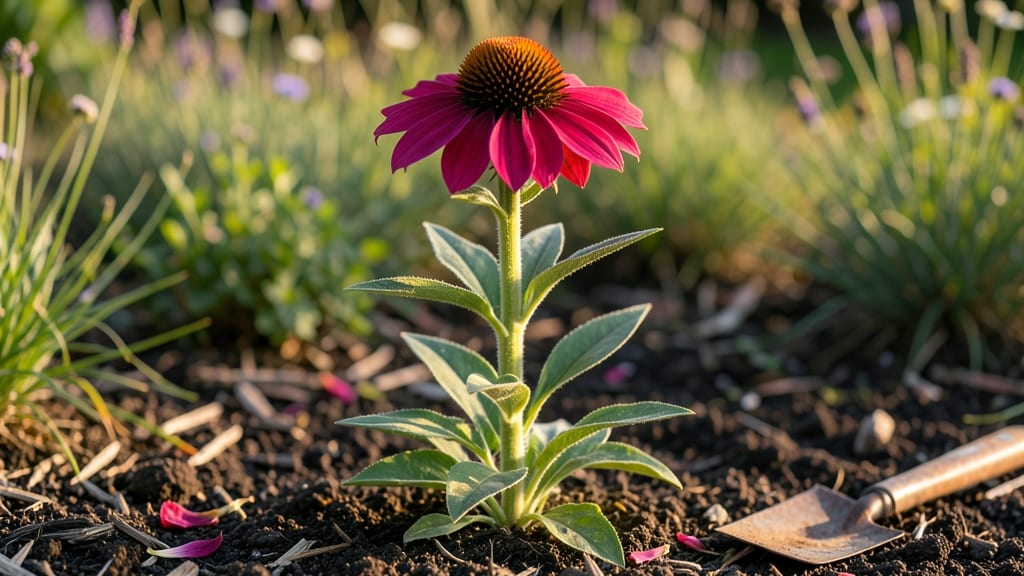
Growing Sunseekers Red coneflower in the Pacific Northwest means you get bold, frost-tough blooms that outshine most garden center varieties. 🌿 I’ve watched mine thrive through damp winters and soggy springs—something many coneflowers can’t handle.
The secret lies in mimicking their native prairie habitat: well-draining soil, full sun, and minimal fuss once established.
This variety needs 3-4 hours of morning sun (afternoon shade helps in hot summers) and tolerates clay-heavy soils better than most. Plant in fall or early spring when roots can establish before summer heat hits.
Spacing them 18-24 inches apart prevents overcrowding and keeps those deep red blooms standing tall all season.
Water deeply once a week after planting, then let nature take over—drought tolerance kicks in after the first year. Deadhead spent blooms in late summer to encourage a second flush of flowers, and avoid heavy fertilizers (they prefer lean soil).
By mid-July, your garden will buzz with pollinators, all thanks to these hardy survivors.
Pair with black-eyed Susans or Russian sage for a PNW-friendly prairie look, and rest easy knowing deer and rabbits usually leave them alone. Propagation from seed is easy—just scatter in fall and forget about it until spring. Let’s get those roots in the ground!
📚 In This Guide
- What you need
- Instructions
- Tips and common mistakes
- Wrapping up and next steps
What you need
- ● Sunseekers Red Coneflower plants: 3–5 nursery-grown starts (6–12" tall, in 1-gallon containers). Pro tip: 💡 Choose healthy plants with deep green foliage and no signs of wilting!
- ● Well-draining soil: Native PNW soil amended with 2–3 inches of organic compost or a 50/50 mix of garden soil and perlite (for sandy or clay-heavy areas).
- ● Sunlight access: A full-sun location (6+ hours daily)—even in the PNW’s cooler climates, these plants crave light!
- ● Watering can or hose: With a gentle spray nozzle (to avoid disturbing roots).
- ● Mulch: 2–3 inches of wood chips or straw to retain moisture and protect roots from frost.
- ● Garden trowel or shovel (for planting).
- ● Gloves (to protect hands from thorns and soil).
- ● Pruners (sharp, sterilized—for deadheading or shaping).
- ○ pH test kit (optional but helpful): Aim for a slightly acidic to neutral soil (pH 6.0–7.0).
- ○ Frost cloth (optional for early planting): Lightweight fabric to shield young plants from late frosts (🌡️ Use if temps dip below 25°F!).
- ● Slow-release fertilizer: 5–10-5 blend (apply once in early spring).
- ● Drip irrigation system: For consistent moisture in dry spells.
- ● Companion plants: Pair with black-eyed Susans, bee balm, or ornamental grasses for a pollinator paradise!
Step-by-step guide for planting Sunseekers Red Coneflower in the Pacific Northwest
This hardy perennial thrives in PNW conditions—here's how to plant it for maximum winter resilience and summer blooms.
🌱 Step 1: Choose the Right Location and Soil Prep
Sunseekers Red Coneflower loves full sun—at least 6 hours daily—but tolerates partial shade in hotter inland areas. In the PNW's cooler climates, morning sun with afternoon shade works well to prevent leaf scorch. Test your spot: if the area gets direct sunlight until 2 PM, it's ideal.
Amend heavy clay soil with 2-3 inches of compost (the 3 gallons you've prepped) to improve drainage. Coneflowers hate soggy roots, and PNW winters can leave soil waterlogged. Work the compost into the top 6 inches of soil—just enough to loosen it without disturbing deeper layers.
Here's the thing—coneflowers are drought-tolerant once established, but they need well-draining soil from day one. If your soil feels compacted when squeezed, add an extra 1 inch of perlite to the planting hole mix. The roots will thank you when winter rains come.
🪴 Step 2: Plant at the Correct Depth and Spacing
Dig a hole twice as wide as the root ball but only as deep—never deeper. Coneflowers have shallow roots that need to breathe. Gently remove the plant from its container and tease apart any circling roots with your fingers. This prevents girdling as the plant matures.
Place the plant so the top of the root ball sits level with the surrounding soil. Pressing it below ground encourages rot in wet PNW winters. Space plants 2-3 feet apart—they'll spread over time, but crowding leads to weak stems and fewer blooms. Mark the spot with a small stake if you're planting multiple clumps.
Real talk: I've seen gardeners plant too deep, thinking it'll anchor the plant better. But in heavy PNW winters, shallow roots actually help prevent heaving. The key is firm but not compacted soil around the roots.
☀️ Step 3: Water Deeply and Mulch for Winter Protection
Water deeply immediately after planting—1 gallon per plant—to settle the soil and eliminate air pockets. Let the water soak in completely; you'll see it disappear into the amended soil within 10-15 minutes. This first watering signals the roots to spread outward.
Apply 2-3 inches of mulch (using your prepped 3 gallons) around—but not touching—the plant's base. In the PNW, this mulch layer acts like a blanket, protecting roots from freezing and thawing cycles that can damage tender new growth. Use shredded bark or straw; both insulate better than wood chips.
Don't skip this step (I learned the hard way). Without proper mulch, coneflowers in exposed sites can suffer winter dieback. Check mulch depth in spring—if it's broken down below 1 inch, add more to maintain protection through the growing season.
✂️ Step 4: Deadhead and Fertilize for Next Year's Blooms
Once blooms fade in late summer, deadhead spent flowers by cutting back the stems to just above the first set of healthy leaves. This redirects the plant's energy into root growth for next year's stronger, more abundant blooms. Use clean, sharp pruners to avoid tearing stems.
In early spring, apply a low-nitrogen, balanced fertilizer (5-5-5 ratio) around the base of the plant. Coneflowers don't need much—just enough to encourage vigorous foliage without excessive leaf growth at the expense of flowers. Water lightly after fertilizing to help nutrients penetrate the soil.
Here's where it gets fun—watch for new growth in early spring. Healthy plants will push up bright green shoots within 2-3 weeks of warming soil. If you see weak, yellowing growth, it's a sign of over-fertilization or poor drainage. Adjust next year's feeding to a half-strength application.
Tips & tricks for perfect Sunseekers Red Coneflower planting
These PNW-specific insights will help you establish resilient, vibrant coneflowers that thrive through winter and bloom beautifully each summer.
Location Intelligence: Pay close attention to that 6-hour sun requirement—it's the foundation for healthy growth. In coastal areas, morning sun with afternoon shade prevents leaf scorch while still providing enough light. I've noticed that plants in full afternoon sun often develop brown edges by late summer, so test your spot before planting. The ideal location gets direct sunlight until at least 2 PM, which aligns perfectly with PNW's summer sun patterns.
Soil Prep Secret: The 2-3 inches of compost you're adding is crucial, but here's the thing—don't just dump it in the hole. Work it into the top 6 inches of surrounding soil to create a well-draining zone. For heavy clay soils common in the PNW, mix in that extra inch of perlite right at planting time. I've seen coneflowers struggle in waterlogged sites, so this amendment prevents root rot during our wet winters. The key is creating that loose, aerated soil structure that mimics natural forest floors.
Planting Depth Hack: When you're planting at the correct depth (root ball level with soil), gently press the surrounding soil around the roots to eliminate air pockets. This helps establish immediate root contact with the amended soil. I've found that using your fingers to create small channels in the soil before placing the plant helps guide roots outward rather than circling the root ball. This technique prevents girdling as the plant matures, which is especially important for our vigorous PNW coneflowers.
Winter Protection Upgrade: That 2-3 inch mulch layer is your best defense against winter dieback, but here's what nobody tells you—check mulch depth every spring. If it's broken down below 1 inch, add more immediately. I've seen plants survive harsh winters only to struggle when spring rains come too early. The mulch acts like insulation, protecting roots from temperature fluctuations that can damage tender new growth. Use shredded bark or straw—they insulate better than wood chips and won't compact like leaves.
Pro Tips for Sunseekers Red Coneflower
- These PNW-specific insights will help you establish resilient, vibrant coneflowers that thrive through winter and bloom beautifully each summer.
- Location Intelligence: Pay close attention to that 6-hour sun requirement—it's the foundation for healthy growth.
- Soil Prep Secret: The 2-3 inches of compost you're adding is crucial, but here's the thing—don't just dump it in the hole.
Frequently asked questions
Got questions about cultivating Sunseekers Red Coneflower? You’re not alone—this striking shrub has a few quirks! Here are answers to the most common queries to help you grow with confidence.
When is the best time to plant Sunseekers Red Coneflower in the Pacific Northwest?
The ideal window is early spring or early fall (March–April or September–October). This timing avoids extreme heat or frost, giving roots time to establish before winter. If planting in summer, water deeply and mulch to retain moisture—PNW’s dry spells can stress young plants!
How often should I water this drought-tolerant plant?
While Sunseekers Red Coneflower thrives on low water, newly planted shrubs need consistent moisture for the first 6–8 weeks. After establishment, water 1–2 times per week during dry spells (like PNW summers). Once mature, it’s drought-resistant—just 1 deep watering every 2–3 weeks suffices!
Will Sunseekers Red Coneflower survive PNW winters?
Absolutely!
This hardy shrub tolerates USDA zones 3–9, making it perfect for the PNW’s chilly winters. No special protection is needed—just a 3–4 inch mulch layer around the base to shield roots from freeze-thaw cycles. Its deep taproot also helps it bounce back after frost.
Are there any pests or diseases I should watch for?
Sunseekers Red Coneflower is pest-resistant, but keep an eye out for aphids (rare) or powdery mildew in humid summers. Improve airflow by spacing plants 2–3 feet apart, and avoid overhead watering. Aphids? Blast them off with water or use neem oil if needed.
Can I grow Sunseekers Red Coneflower in containers?
Yes, but size matters! Choose a large container (at least 18–24 inches wide) with drainage holes and well-draining soil. Containers dry out faster, so water more frequently (every 3–4 days in summer). Move pots to partial shade in extreme heat to prevent stress.
What’s a good companion plant for Sunseekers Red Coneflower?
Pair it with native PNW companions like salmonberry, Oregon grape, or lavender for a pollinator-friendly garden. Avoid overly competitive plants (e.g., invasive mint or bamboo). For height contrast, try Russian sage or catmint—they share similar care needs and bloom times!
Wrapping up and next steps
Growing Sunseekers Red Coneflower in the Pacific Northwest isn’t just about adding beauty to your garden—it’s about embracing a hardy, low-maintenance plant that thrives where others falter. 🌸 With its vibrant blooms and resilience to frost, this coneflower is your ticket to year-round color and pollinator-friendly charm.
Whether you’re a seasoned gardener or just starting, now’s the perfect time to plant, nurture, and enjoy this stunning shrub.
Ready to take the next step? Mark your calendar for early spring or fall—when the soil is workable—and get those roots in the ground. Before you know it, your garden will be buzzing with life (and pollinators!) thanks to your new Sunseekers Red Coneflower.