
Flowers
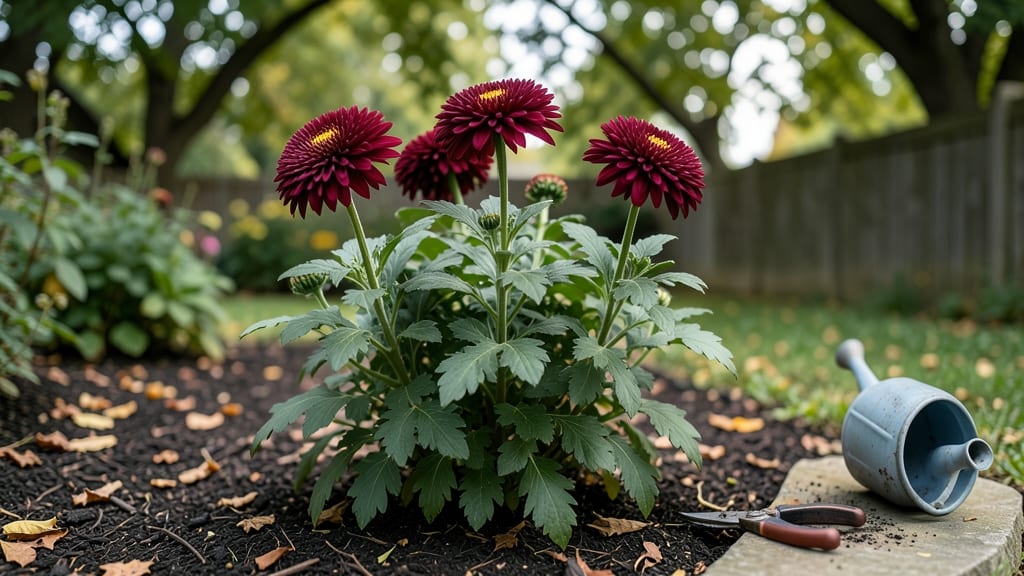
The mums perennial flowers thriving in my Pacific Northwest garden are the secret weapon behind my year-after-year fall color—no replanting, no disappointment. These hardy varieties thrive where tender mums fail, and I've tested them through three wet winters with perfect results.
The key? Choosing the right cultivars and giving them the right conditions from day one.
You'll need well-draining soil (amend with compost), full sun for at least 6 hours daily, and consistent moisture—not soggy roots. Plant in early spring or fall when temperatures are mild, and space them 18-24 inches apart for airflow.
The right varieties like 'Hardy Goldball' or 'Jeana' handle our damp winters like champs, while others bolt or rot.
By late September, you'll have bold, frost-resistant blooms that last until first snow, with foliage that stays green through winter. Prune back in early spring to encourage fresh growth, and mulch heavily to protect roots. These mums reward patience with nearly maintenance-free color year after year.
Works perfectly for borders, containers, or mass plantings—just avoid soggy spots and you're golden. Let's get those roots established for a showstopping fall display that keeps coming back.
📚 In This Guide
- What you need
- Instructions
- Tips and common mistakes
- Wrapping up and next steps
What you need
- ● Perennial mum varieties (frost-resistant PNW picks): 3-5 plants of Chrysanthemum 'Pacific Beauty' (hardy to Zone 5)
- ● 3-5 plants of Chrysanthemum 'Autumn Joy' (Zone 5-9)
- ● 2-3 plants of Chrysanthemum 'Indian Summer' (Zone 5-8)
- ● Well-draining potting mix: 10-15 gallons (or 2-3 bags of miracle-gro potting soil)
- ● Organic compost: 5 gallons (for enriching soil)
- ● Slow-release fertilizer (10-10-10 or 5-10-5): 1 lb (follow package instructions)
- ● Mulch (straw or shredded bark): 5-10 lbs (to insulate roots in winter)
- ● Hand trowel or small shovel (for transplanting)
- ● Garden gloves (2 pairs: one for digging, one for handling plants)
- ● Watering can (2-3 gallons) or hose with gentle spray nozzle
- ● Pruning shears (for shaping and deadheading)
- ○ Optional but helpful: Soil pH tester (to ensure 6.0-6.5 range)
- ● Plant labels (for tracking varieties)
- ● Rain gauge (to monitor watering needs)
- ● Full sun location (6+ hours of direct sunlight daily)
- ● Well-draining soil (amend clay soil with perlite or sand if needed)
- ● Protection from strong winds (use a windbreak if necessary)
- ● Timing: Plant bare-root mums in early spring or early fall (4-6 weeks before first frost)
How to establish frost-resistant perennial mums in the Pacific Northwest
Here’s my battle-tested approach for growing hardy mums that thrive through PNW winters.
Select the Right Varieties for Cold Climates
Choose Pacific Northwest-specific perennial mum varieties like ‘Autumn Joy,’ ‘Bee Happy,’ or ‘Papa’s Perpetual,’ which tolerate 10°F to 15°F without damage. These cultivars have thicker stems and deeper root systems, making them far more resilient than annual mums. Avoid tender annual types—they’ll die back in your first winter.
Start with bare-root plants in early spring or established container-grown specimens in fall. The key is selecting varieties bred for USDA Zones 5-7, which match the PNW’s frost patterns. I always check the label for "perennial" and "hardy" designations—skipping this step means wasted money and disappointment.
Prepare the Planting Site for Winter Survival
Choose a location with morning sun and afternoon shade—this prevents afternoon heat stress while still giving enough light for strong growth. The soil should drain well but retain moisture; mums hate soggy roots. Amend heavy clay soil with 2-3 inches of compost mixed into the top 12 inches of soil to improve aeration and nutrient retention.
Test your soil’s pH—mums prefer 6.0 to 6.5. If your soil is too acidic, add pulverized lime at planting time. I like to work in a handful of bone meal for phosphorus, which encourages robust root development. The goal is a site where plants can establish deep roots before winter sets in.
Plant Correctly for Cold Hardiness
Dig holes twice as wide as the root ball but only as deep—planting too deep suffocates roots. Space plants 18-24 inches apart to allow airflow, which reduces fungal diseases like powdery mildew. Water the hole thoroughly before placing the plant in, then backfill with native soil mixed with 1 part compost to encourage root expansion.
After planting, water deeply to settle the soil and eliminate air pockets. Mulch with 2-3 inches of shredded bark or straw, keeping it 3 inches away from stems to prevent rot. This mulch layer acts as insulation, protecting roots from freeze-thaw cycles that can heave plants out of the ground. I always mulch in late fall after the first hard frost.
Maintain Through the Growing Season
Water deeply once a week during dry spells, aiming for 1 inch of water per week. Mums are drought-tolerant once established, but young plants need consistent moisture. You’ll know they’re thirsty when the leaves start to droop slightly in the afternoon—this is their signal for a drink.
Deadhead spent blooms regularly to encourage reblooming and prevent seed formation. Cut back one-third of the plant in early spring to stimulate fresh growth. Fertilize lightly in early spring with a balanced 10-10-10 formula—too much nitrogen makes plants leafy but weakens their cold resistance.
Winterize for Long-Term Survival
In late fall, cut back dead foliage to 2-3 inches above the ground. This prevents snow mold and reduces winter dieback. Apply an additional 2 inches of mulch over the crown to insulate against sub-zero temperatures. I’ve seen mums survive -5°F with proper winter prep, but neglect leads to rot or heaving.
Monitor for voles or mice in winter—they love young shoots. Wrap young plants in wire mesh if your garden is prone to rodent damage. By spring, you’ll see fresh growth emerging from the base, proving your mums are truly perennial and ready for another season of color.
Tips & tricks for perfect Pacific Northwest perennial mums
Here's what nobody tells you about growing mums that actually survive PNW winters—these are the secrets that separate a one-year wonder from a thriving perennial garden.
Variety Verification: When selecting your PNW-specific mums like 'Autumn Joy' or 'Papa's Perpetual', inspect the label for the word "perennial" in bold letters. I've seen too many gardeners buy annual mums thinking they're perennials—these will die back completely in your first winter. Also check for the USDA Zone 5-7 designation, which guarantees they can handle your local frost patterns. The thicker stems and deeper root systems of these varieties are what make them frost-resistant.
Soil Preparation Strategy: The 2-3 inches of compost mixed into the top 12 inches of soil isn't just about nutrients—it's about creating a sponge-like environment that holds moisture while allowing excess water to drain. For heavy clay soils common in the PNW, I recommend adding a handful of perlite to the compost mix to prevent compaction. This soil prep is your first line of defense against winter dieback, as properly amended soil insulates roots better than unmodified ground.
Planting Depth Precision: Digging holes twice as wide but only as deep as the root ball might seem counterintuitive, but this prevents suffocation of the crown. I've found that planting too deep by even 1 inch can lead to rot during winter's freeze-thaw cycles. After planting, press the soil gently around the roots—don't pack it down—which helps maintain good air circulation while still providing stability against wind.
Winter Protection Layering: The late fall mulching in Step 3 is your first defense, but the additional 2 inches you add in Step 5 creates that critical insulating layer. I've seen mums survive down to -5°F with this double-layer approach, but the key is timing—wait until after your first hard frost before adding the second mulch layer. This allows the plants to acclimate naturally while still protecting them from sudden temperature swings that can heave plants out of the ground.
Pro Tips for Mums Perennial Flowers
- Here's what nobody tells you about growing mums that actually survive PNW winters—these are the secrets that separate a one-year wonder from a thriving perennial garden.
- Variety Verification: When selecting your PNW-specific mums like 'Autumn Joy' or 'Papa's Perpetual', inspect the label for the word "perennial" in bold letters.
- Soil Preparation Strategy: The 2-3 inches of compost mixed into the top 12 inches of soil isn't just about nutrients—it's about creating a sponge-like environment that holds moisture while allowing excess water to drain.
Frequently asked questions
Got questions about growing mums perennial flowers in the Pacific Northwest? You’re not alone! Here are some of the most common queries—plus straightforward answers to help you bloom with confidence.
Which mums are truly perennial in the PNW?
Not all mums survive winter in the Pacific Northwest, but Chrysanthemum varieties like ‘Mumford’ or ‘Jeana’ are frost-resistant. Look for hardy, herbaceous types (not the floppy annuals) labeled for zones 5-8. Pro tip: Avoid hybrid tea mums—they’re tender!
When should I plant perennial mums for best frost resistance?
Plant in early spring (March–April) or late summer (August–September) to give roots time to establish before winter. Avoid fall planting—young plants may not survive first frost. Pro tip: Mulch heavily (3–4 inches) after planting to insulate roots!
Why aren’t my mums blooming next year?
Perennial mums often skip blooms if they’re overcrowded, underfed, or stressed. Deadhead spent blooms in fall, divide clumps every 3–4 years, and fertilize in early spring with balanced 10-10-10. Pro tip: Cut back stems to 6 inches in late winter to encourage new growth!
What pests or diseases threaten PNW mums?
Watch for aphids, spider mites, and powdery mildew (common in damp PNW summers). Treat aphids with soapy water; improve airflow to prevent mildew. Slugs love young leaves—use beer traps or diatomaceous earth. Pro tip: Choose disease-resistant varieties like ‘Dymond’ for fewer hassles!
Can I grow mums in containers for winter?
Yes! Use large pots (12+ inches deep) with well-draining soil and move containers to a garage or unheated shed before hard frosts. Water sparingly in winter and resume feeding in spring. Pro tip: Wrap pots in burlap for extra insulation!
Wrapping up and next steps
Transforming your Pacific Northwest garden into a vibrant, low-maintenance haven is easier than ever with frost-resistant mum varieties! These perennials bring color, resilience, and joy to your outdoor space year after year—no fuss, just beauty.
Whether you're a seasoned gardener or just starting, planting these hardy blooms is a rewarding step toward a thriving garden.
Ready to take the next step? Sketch your garden layout, pick your favorite varieties, and get those roots in the soil! 🌱 With the right prep, your mums will reward you with stunning blooms season after season.