
Flowers
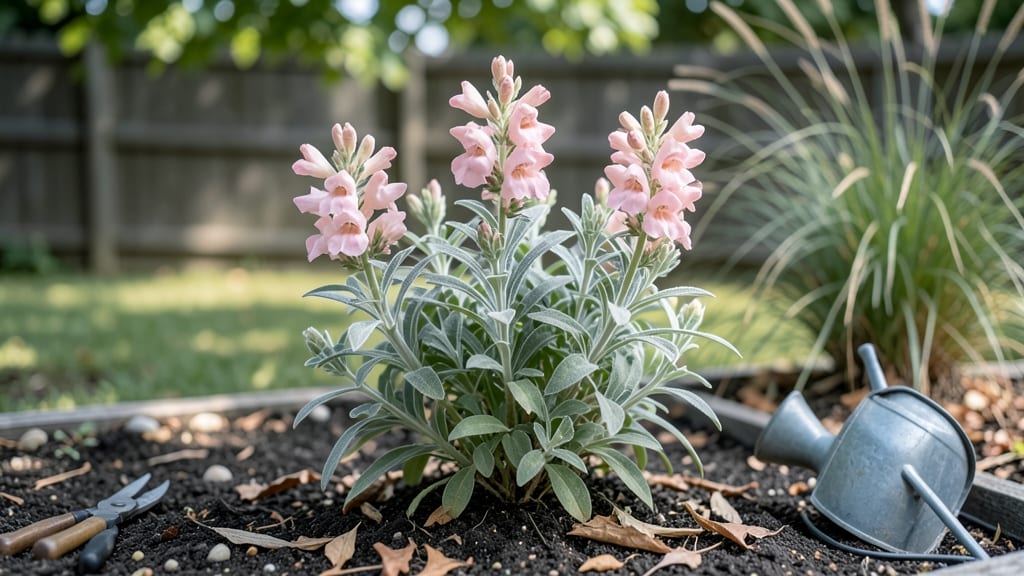
The delicate blush snapdragon flower transforms gardens into dreamy retreats, thriving through Pacific Northwest winters—unlike my frost-killed regular snapdragons. These frost-resistant varieties thrive where others fail, their blush-pink blooms adding delicate color even in chilly springs and late summers.
The secret lies in their hardiness: they bounce back from light freezes and tolerate damp soil better than most annuals.
You’ll need well-draining soil mixed with compost (they hate soggy roots), 4-6 hours of sunlight daily, and regular watering—deep but infrequent—to prevent floppy stems. The key to their frost resistance?
Planting in late spring after the last frost date (usually mid-May in most of the PNW) and choosing varieties like 'Black Prince' or 'Rocket' for extra toughness. Even in rainy seasons, they stay upright and bloom reliably.
What you’ll end up with is a year-round display of vertical blooms that attract hummingbirds and butterflies while keeping weeds at bay. Their spiky, velvety flowers open gradually, giving you weeks of color instead of just a few days.
The best part? They self-seed easily, so you’ll get free plants next season—just thin them in early spring.
Works in containers, borders, or cottage gardens—even in partial shade if you pick the right variety. For experienced growers, try deadheading spent blooms to encourage more flowers, and watch for slugs in damp weather. Here’s how to keep them thriving through every PNW season.
📚 In This Guide
- What you need
- Instructions
- Tips and common mistakes
- Wrapping up and next steps
What you need
- ● Blush snapdragon seeds or seedlings: Choose frost-hardy varieties like Antirrhinum majus ‘Blush’ or ‘Pink Ice’ (10–20 seeds or 3–5 seedlings per plant).
- ● Well-draining potting mix: 1–2 cubic feet (for containers) or 50–100 lbs (for in-ground planting). Opt for a mix with perlite or compost for aeration.
- ● Containers or garden bed: Containers: 6–8" deep pots (3–5 plants per container) with drainage holes.
- ● Garden bed: Full sun (6+ hours daily) or partial shade (4–6 hours). Amend soil with compost if clay-heavy.
- ● Slow-release fertilizer: 10–15–10 NPK ratio (1 tbsp per plant or per 1 sq ft of bed).
- ● Mulch: 2–3 inches of straw or shredded bark to insulate roots in winter.
- ● Hand trowel or transplant spade.
- ● Watering can or hose with a gentle spray nozzle.
- ○ Gloves (optional but helpful for handling soil/seeds).
- ● Pruning shears (for deadheading or shaping plants).
- ● Cold frame or row covers: Protect seedlings from late frosts (spring/fall).
- ● Grow lights: Extend daylight to 12–14 hours for indoor seed starts.
- ● Epsom salt: Boost magnesium for vibrant blooms (1 tbsp per gallon of water, monthly).
- ● Companion plants: Pair with thyme or marigolds to deter pests naturally.
How to plant and maintain frost-resistant blush snapdragons in the Pacific Northwest
These hardy annuals thrive in cool climates and reward patience with vibrant blooms.
Select the Right Varieties and Planting Time
Choose Pacific Northwest-adapted snapdragon varieties like 'Blush Queen' or 'Blush F1 Hybrid,' which tolerate temperatures down to 20°F without damage. Start seeds indoors 8-10 weeks before your last frost date (typically early March for most PNW regions) or sow directly outdoors 4-6 weeks before for fall blooms.
Direct sowing works best in spring or early fall when soil temperatures remain below 70°F. Snapdragons dislike summer heat and may bolt prematurely. I always plant mine in late April or September—this timing ensures they establish roots before summer's peak temperatures arrive.
Prepare Soil and Plant with Proper Spacing
Amend your garden soil with 2-3 inches of compost to improve drainage, as snapdragons hate soggy roots. These plants prefer well-draining, slightly acidic soil with a pH between 6.0-7.0. Work in a balanced 10-10-10 fertilizer at planting time to encourage strong early growth.
Space seeds 12-18 inches apart in rows 18-24 inches apart to allow airflow and prevent mildew. Snapdragons grow upright and can reach 3-4 feet tall, so avoid crowding. If planting in containers, use 5-gallon pots for each plant, ensuring they have drainage holes to prevent root rot.
Provide Consistent Moisture and Light
Water deeply 2-3 times per week, keeping the soil evenly moist but not waterlogged. Snapdragons develop shallow roots, so mulch with 2 inches of straw or shredded bark to retain moisture and suppress weeds. Avoid wetting the foliage when watering, as this encourages fungal diseases like powdery mildew.
Plant in full sun to partial shade—6 hours of direct sunlight daily is ideal. In the PNW, where summers can be overcast, snapdragons will still bloom well with 4-5 hours of sun, though flower production may be slightly reduced. If growing in containers, move them to a sheltered, sunny spot during cooler months to maximize blooms.
Deadhead and Fertilize for Continuous Blooms
Pinch back the first set of flowers when they begin to fade to encourage bushier growth and more blooms. Snapdragons are prolific rebloomers, but they need regular deadheading—remove spent blooms every 2-3 weeks to prevent seed formation and redirect energy into new flowers.
Fertilize every 4-6 weeks with a low-nitrogen, high-phosphorus fertilizer (like 5-10-10) to promote flowering. Over-fertilizing with nitrogen will result in lush foliage but fewer blooms. I also side-dress with compost tea in early spring and late summer to boost microbial activity in the soil.
Prepare for Winter and Extend the Season
Snapdragons are frost-tolerant but may suffer damage in prolonged sub-zero temperatures. In the PNW, where winters are mild but damp, mulch heavily with 4-6 inches of straw or leaves to insulate roots. If you experience hard freezes below 15°F, consider covering plants with frost cloth or bringing container-grown snapdragons indoors temporarily.
For year-round color, stagger plantings: sow a new batch every 3-4 weeks from early spring through early fall. This ensures a continuous display of blush blooms, even as older plants fade. In containers, overwinter snapdragons by moving them to a cool, bright garage or unheated greenhouse where temperatures stay above 30°F.
Tips & tricks for perfect blush snapdragon blooms
These hardy flowers reward careful attention with stunning, frost-resistant blooms—here's how to maximize their potential in the Pacific Northwest climate.
Timing is Everything: The 8-10 week indoor starting window (early March for most PNW regions) ensures seedlings mature just as soil warms. If you miss this, don't despair—direct sowing 4-6 weeks before your last frost date still works well for fall blooms. I've found that starting seeds in late February gives me a slight edge, especially in colder microclimates like the Cascades foothills where frost dates can vary by weeks.
Soil Science Matters: That 2-3 inches of compost isn't just about drainage—it creates the perfect slightly acidic environment (pH 6.0-7.0) these plants crave. Test your soil before planting; if it's too alkaline, add sulfur gradually over several weeks. I've seen snapdragons struggle in heavy clay soils even with compost, so consider raised beds if your native soil compacts easily during our wet winters.
Light Strategy for Overcast Days: While 6 hours of direct sunlight is ideal, PNW gardeners know our summers can be disappointingly cloudy. Position your snapdragons where they'll catch the midday sun (10am-2pm) even if morning and evening light is diffused. In containers, rotate pots weekly to ensure even growth—this prevents the plants from leaning toward the light source and becoming lopsided.
Winter Protection Secrets: The 4-6 inches of mulch recommendation is non-negotiable for our damp winters, but here's the pro move: mix in 1 inch of coarse sand or perlite at the base of plants before adding mulch. This creates tiny air pockets that prevent the classic PNW winter problem of soggy, suffocating mulch. For container plants, wrap pots in bubble wrap before moving to garages—it adds an extra 5°F of insulation during hard freezes.
Pro Tips for Blush Snapdragon Flower
- These hardy flowers reward careful attention with stunning, frost-resistant blooms—here's how to maximize their potential in the Pacific Northwest climate.
- Timing is Everything: The 8-10 week indoor starting window (early March for most PNW regions) ensures seedlings mature just as soil warms.
- Soil Science Matters: That 2-3 inches of compost isn't just about drainage—it creates the perfect slightly acidic environment (pH 6.0-7.0) these plants crave.
Frequently asked questions
Got questions about growing blush snapdragon flowers in the Pacific Northwest? You’re not alone! Here are answers to the most common queries—from frost resilience to care hacks—to help you cultivate stunning, long-lasting blooms.
Can blush snapdragons survive PNW winters?
These frost-resistant varieties thrive in cold climates like the PNW. With proper mulching and winter protection (like burlap wraps), they’ll bounce back in spring. Some even bloom sporadically through mild winters. Pro tip: Plant in well-draining soil to prevent root rot during wet winters.
When is the best time to plant blush snapdragons?
For year-round color, start seeds indoors 8–10 weeks before your last frost date (typically late March–early April in the PNW). Transplant seedlings outdoors after frost danger passes (mid-May). For fall blooms, sow seeds directly in late summer. Bonus: Succession planting every 4–6 weeks ensures continuous flowers!
What if my snapdragons wilt or droop?
Wilting often signals underwatering or overheating. Snapdragons prefer consistent moisture—water deeply 1–2 times per week (more in summer). If leaves yellow, check for overwatering or nutrient deficiency. Trim spent blooms to encourage new growth, and avoid planting in soggy spots.
Are there alternatives to blush snapdragons for PNW gardens?
Yes! Try these cold-hardy, long-blooming options:
- Stock (Matthiola incana): Fragrant, drought-tolerant, and thrives in cool weather.
- Sweet William (Dianthus barbatus): Hardy, clumping flowers in pastel hues.
- Lobelia (Lobelia erinus): Compact, shade-tolerant, and blooms all season.
- Sweet Alyssum (Lobularia maritima): Frost-resistant ground cover with delicate clusters.
How do I prevent pests from eating my snapdragons?
Snapdragons are relatively pest-resistant, but watch for aphids or slugs. Spray aphids with soapy water or introduce ladybugs. For slugs, use copper tape barriers or diatomaceous earth around plants. Healthy soil (rich in compost) boosts plant resilience. Quick fix: Handpick pests early in the morning!
Wrapping up and next steps
The blush snapdragon is a stunning, frost-resistant gem that brings year-round charm to your Pacific Northwest garden—whether you’re a seasoned gardener or just starting out! 🌸 With the right variety and care, these flowers can thrive in cooler climates, offering vibrant blooms that brighten up any space.
Ready to bring these beauties home? Start by selecting a variety suited to your region, gather your supplies, and dive into planting or propagation. Whether you’re adding them to containers, borders, or cutting gardens, your efforts will reward you with months of color and joy.
Now, grab your gloves and get growing—your garden (and future pollinators!) will thank you. 🌱 Ready to take the next step?