
Flowers
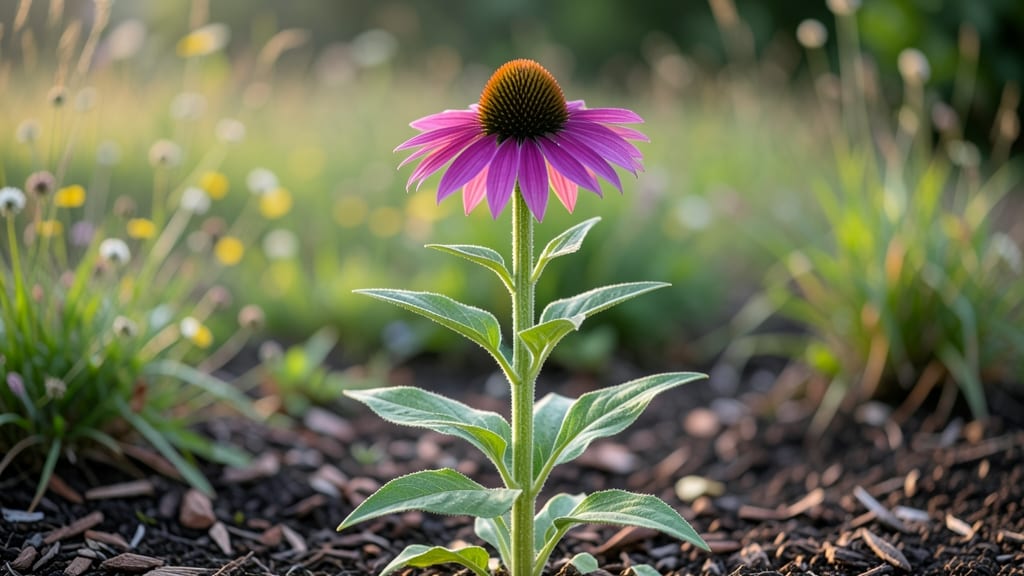
Echinacea purpurea thrives where winters bite hardest—like my Pacific Northwest garden after the first frost. 🌿 This dog cone flower isn’t just tough; it’s a pollinator magnet that blooms from June until hard freezes, even in Zone 7.
The secret lies in its deep roots and adaptability to poor soil, which means less work for you and more beauty for bees and butterflies.
You’ll need a sunny spot with well-draining soil—even rocky ground works—and minimal fuss once planted. Water deeply once a week after establishment, and watch as those iconic purple cones rise above the garden like little fireworks.
Pruning spent blooms in early fall keeps the plant tidy and encourages next year’s flowers, while its resistance to deer and rabbits makes it a low-maintenance superstar for busy gardeners.
Beyond its striking appearance, echinacea boosts immunity (hence the "cone of steel" nickname) and attracts monarchs when other flowers have faded. By midsummer, your garden will hum with life, and you’ll have cut flowers for bouquets that last weeks in a vase.
The best part? It multiplies over time, giving you free plants to share with neighbors.
Perfect for borders, meadow-style gardens, or even containers—just remember to deadhead faded blooms to keep the show going. Whether you’re a beginner or a seasoned gardener, this plant delivers year after year with almost no effort. Let’s get those roots in the ground!
📚 In This Guide
- What you need
- Instructions
- Tips and common mistakes
- Wrapping up and next steps
What you need
- ● Seeds or nursery-grown plants: Choose frost-resistant varieties like Echinacea purpurea 'White Swan' or Echinacea pallida 'Narrow Leaf.' Aim for 3–5 plants for a small garden bed.
- ● Well-draining soil: Amend heavy clay soil with 2–3 inches of compost or organic matter (e.g., peat moss or coconut coir). Aim for a pH of 6.0–7.0.
- ● Sunlight access: A spot with full sun (6+ hours/day) or partial shade (4–6 hours) in hotter PNW summers.
- ● Watering tools: Watering can or hose with a gentle spray nozzle (to avoid damaging stems).
- ○ Drip irrigation system (optional) for consistent moisture.
- ● Mulch: 2–3 inches of organic mulch (e.g., straw, wood chips, or shredded leaves) to retain moisture and protect roots.
- ● Fertilizer: Balanced, slow-release fertilizer (10-10-10) or compost tea at planting time.
- ● Avoid high-nitrogen fertilizers—they promote leafy growth over flowers.
- ● Pruning shears for deadheading spent blooms and shaping plants.
- ● Garden gloves to protect hands from thorns (especially on Echinacea paradoxa).
- ● Plant stakes or cages (4–6 feet tall) to support taller varieties in windy PNW conditions.
- ● Soil test kit to check nutrient levels before planting.
- ● Bird-friendly deterrents (e.g., netting) if local wildlife loves your blooms!
Step-by-Step instructions for growing Pacific Northwest dog cone flowers
Here's how I grow these hardy perennials—frost-resistant and perfect for PNW climates.
🌱 Step 1: Choose the Right Location and Soil
Dog cone flowers thrive in full sun to partial shade, with at least 6 hours of sunlight daily. In the Pacific Northwest, where summers can be mild, a spot with morning sun and afternoon shade works well. Avoid low-lying areas where cold air pools—these plants hate soggy roots.
Amend your soil with 2-3 inches of compost to improve drainage and fertility. These plants tolerate poor soil but reward you with bigger blooms when given rich, well-draining conditions. Test your soil's pH—dog cone flowers prefer slightly acidic to neutral soil (pH 6.0-7.0). If your soil is heavy clay, mix in sand or perlite to prevent waterlogging.
💧 Step 2: Plant Bare-Root or Container-Grown Plants
If planting bare-root plants, soak the roots in lukewarm water for 1-2 hours before planting. This jumpstarts growth and reduces transplant shock. Dig a hole twice as wide as the root ball but only as deep as the plant was growing in its container. The top of the root ball should sit just below soil level—burying too deep can suffocate the plant.
For container-grown plants, remove them carefully from their pots and loosen any circling roots with your fingers. Place the plant in the hole, backfill with soil, and water deeply to settle everything. Space plants 2-3 feet apart to allow for mature growth. Mulch around the base with 2-3 inches of organic mulch to retain moisture and regulate soil temperature.
☀️ Step 3: Water and Fertilize for Strong Growth
Water deeply once a week during the first growing season, allowing the soil to dry out slightly between waterings. Overwatering is the fastest way to kill these plants—soggy roots lead to rot. In the Pacific Northwest’s damp climate, focus on even moisture rather than frequent watering. You’ll know it’s time to water when the top 1-2 inches of soil feel dry to the touch.
Fertilize lightly in early spring with a balanced, slow-release fertilizer (10-10-10). Avoid high-nitrogen fertilizers—they encourage leafy growth at the expense of flowers. Once established, these plants need little extra care. In late summer, reduce watering slightly to encourage blooming. Deadhead spent flowers to promote continuous blooms throughout the season.
✂️ Step 4: Prune and Maintain for Longevity
After the first frost, cut back the stalks to 2-3 inches above the ground. This prevents disease and prepares the plant for next year’s growth. Dog cone flowers are tough—they’ll bounce back stronger after a good pruning. In early spring, remove any dead or damaged stems before new growth appears.
These plants are drought-tolerant once established, but they still appreciate regular mulching to retain moisture. Watch for powdery mildew in humid PNW summers—improve airflow by spacing plants properly and avoid overhead watering. If you notice yellowing leaves, it’s often a sign of overwatering or poor drainage. Adjust your watering routine and let the soil dry out more between sessions.
Tips & tricks for growing Pacific Northwest dog cone flowers
These simple tricks will help you cultivate thriving dog cone flowers that thrive in our region's unique climate.
Sunlight Strategy: In the Pacific Northwest, where sunlight can be inconsistent, prioritize morning sun exposure—this gives plants the energy they need without overheating in afternoon shade. If your garden gets less than 6 hours of sunlight, consider growing dog cone flowers in containers so you can move them to sunnier spots during peak growing months. I've seen them flourish in partial shade, but the blooms will be more abundant with full morning sun.
Soil Preparation: The 2-3 inches of compost mentioned in Step 1 is non-negotiable for PNW gardens. Our naturally acidic soils often need extra help to reach that ideal pH of 6.0-7.0. I like to mix in a handful of lime if my soil test shows pH below 6.0—just enough to nudge it into the sweet spot. For heavy clay soils, blend in equal parts sand and perlite to create that perfect drainage without making the soil too sandy.
Transplanting Technique: That 1-2 hour root soak before planting is your secret weapon against transplant shock. I've found that adding a tablespoon of seaweed extract to the water gives plants an extra boost of nutrients. When handling container-grown plants, gently squeeze the sides of the pot to loosen the root ball—this prevents circling roots that can strangle growth. Remember, the top of the root ball should sit just below soil level, never buried deeper than it was in the container.
Watering Wisdom: The once-a-week watering guideline works for most PNW gardens, but timing matters more than frequency. Water in the early morning so leaves have time to dry before evening humidity sets in. In summer, check soil moisture at the 1-2 inch depth—if it's dry, water deeply until you see moisture seeping from the bottom of the hole. This encourages roots to grow downward where they'll find more stable moisture during our dry spells.
Pro Tips for Dog Cone Flower
- These simple tricks will help you cultivate thriving dog cone flowers that thrive in our region's unique climate.
- Sunlight Strategy: In the Pacific Northwest, where sunlight can be inconsistent, prioritize morning sun exposure—this gives plants the energy they need without overheating in afternoon shade.
- Soil Preparation: The 2-3 inches of compost mentioned in Step 1 is non-negotiable for PNW gardens.
Frequently asked questions
Got questions about growing dog cone flower (also known as Echinacea) in the Pacific Northwest?
You’re not alone! Here are some of the most common queries—and their answers—to help you grow this hardy, frost-resistant beauty with confidence.
How long does it take for dog cone flower to bloom after planting?
Most Echinacea varieties planted from nursery stock bloom in their first year, typically between 60–90 days after transplanting. If starting from seed, expect blooms in 2–3 years—patience pays off with vibrant purple, pink, or white flowers!
Can dog cone flower survive Pacific Northwest winters?
This native perennial is frost-resistant and thrives in USDA zones 3–9, making it perfect for PNW climates. Mulch around the base in late fall to protect roots from freezing temperatures and retain moisture during winter dormancy.
When and how should I prune dog cone flower?
Prune deadheading spent blooms to encourage more flowers, but avoid cutting back foliage until late fall or early spring. Trim 1/3 of the plant to the ground in early spring to promote bushier growth. Never prune in fall—it can harm new growth before winter.
Are dog cone flowers deer- or rabbit-resistant?
While Echinacea is deterrent to many pests, deer and rabbits may still nibble—especially in hungry seasons. Use repellent sprays or plant near thorny companions like roses or barberry to discourage visitors. A chicken wire fence around young plants can also help!
Can I grow dog cone flower in containers?
Yes! Choose a large container (12+ inches deep) with drainage holes and use well-draining potting mix. Place in full sun and water regularly. Container-grown Echinacea may need annual division to prevent overcrowding, but they’re great for patios or small gardens!
Pro Tip:
For longer blooms, fertilize lightly in early spring with a balanced, slow-release fertilizer (10-10-10). Avoid over-fertilizing—Echinacea prefers lean soil and blooms best when slightly stressed!
Wrapping up and next steps
Growing dog cone flower in the Pacific Northwest is a rewarding adventure—especially when you choose frost-resistant varieties that thrive in your climate! 🌱 From selecting the right soil to mastering care techniques, this guide has given you the blueprint for success.
Whether you're a beginner or a seasoned gardener, your garden will soon bloom with these striking, low-maintenance beauties.
Now that you’re armed with knowledge, take the next step! Start with a small patch, experiment with companion plants, or even share your progress with fellow gardeners. Happy planting—your future dog cone flower oasis awaits! 🌸