
Flowers
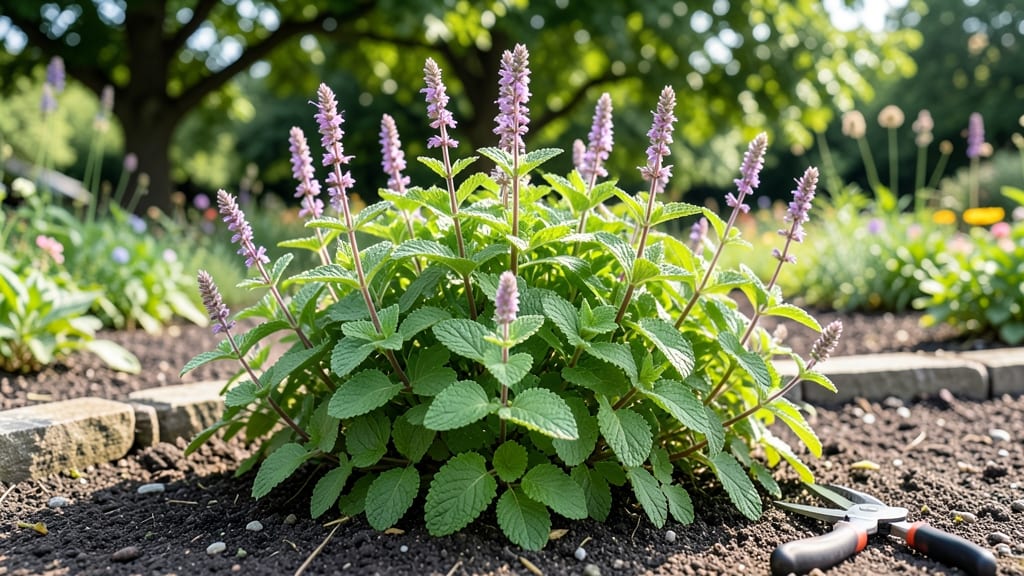
Creating a mint flower bouquet transforms your garden into a fragrant sanctuary that lasts for weeks. 🌿 The key is balancing mint’s bold aroma with softer blooms—think lavender, roses, or snapdragons—to create a sensory masterpiece that smells as good as it looks.
Mint’s bright green foliage and delicate blossoms add a fresh, unexpected twist to traditional arrangements. Pair it with flowers that complement its cool tones—white daisies or purple statice work beautifully—and you’ll get a bouquet that feels both wild and refined.
The secret to longevity? Trim stems at an angle and change the water every two days.
Imagine this: a vase on your dining table, filling your home with that crisp, herbal scent every time you walk by. The bouquet stays vibrant for 10-14 days, making it perfect for summer weddings, patio parties, or just brightening up a lazy afternoon.
Plus, mint’s natural pest-repelling properties keep bugs away while you enjoy it.
Works year-round in most climates, though spring and summer mint varieties bloom the most prolifically. For winter bouquets, opt for dried mint or pair it with everlasting flowers like strawflowers. Let’s get arranging!
📚 In This Guide
- What you need
- Instructions
- Tips and common mistakes
- Wrapping up and next steps
What you need
- ● Fresh mint flowers: 10–15 stems (choose a mix of spearmint, peppermint, or apple mint for variety). Opt for blooms with vibrant colors and minimal wilting.
- ● Filler flowers: 5–8 stems of complementary blooms (e.g., lavender, roses, or daisies) to add texture and depth.
- ● Greenery: 3–5 stems of eucalyptus, baby’s breath, or ferns for volume and contrast.
- ● Floral preservative: 1 packet (or 1 tsp of sugar + 1 tsp bleach in 1 cup water as a DIY alternative).
- ● Scissors or floral shears: Sharp, clean pair to trim stems at a 45° angle.
- ● Vase or container: A clean, wide-mouthed vessel (glass, ceramic, or even a mason jar).
- ● Water: Fresh, room-temperature.
- ● Floral tape or twine: For securing stems if prepping ahead.
- ● Decorative elements: Ribbon, beads, or dried flowers for a whimsical touch.
- ● Essential oils: A drop of lavender or citrus oil in the water to enhance fragrance.
- ● Chalkboard or label: To add a personal note or care instructions.
How to craft a mint flower bouquet that keeps its fragrance and beauty
Here's my approach to arranging mint flowers—where science meets art for bouquets that last.
🌿 Step 1: Select and Harvest Mint Blooms at Peak Freshness
Choose mint varieties with abundant flowers—spearmint or peppermint work best. Harvest stems in the early morning when dew is still on the leaves, as this ensures maximum moisture retention. Cut stems at a 45-degree angle about 3 inches from the base to increase water uptake. This angle also prevents air bubbles from blocking the stem's vascular system.
Look for stems with fully open buds—they'll last longer in arrangements. Avoid stems with yellowing leaves or wilted flowers, as these will spoil the bouquet faster. I like to bundle stems in groups of 5-7 and store them upright in a bucket of lukewarm water until arranging. This keeps them hydrated and fresh for up to 24 hours before arranging.
✂️ Step 2: Prepare Stems for Long-Lasting Arrangements
Remove any lower leaves that will sit below the waterline in your vase. These leaves rot quickly and can foul the water. Use sharp floral shears to trim stems again under warm water—this removes any air pockets and encourages better hydration. I like to recut stems every 2-3 days to keep them fresh.
For extra longevity, I add a commercial floral preservative (like Chrysal Clear) to the water. This slows bacterial growth and extends vase life by 3-5 days. If you don’t have preservative, crush the ends of the stems gently with a hammer or your hand—this creates microscopic openings that help water absorb faster.
🪴 Step 3: Arrange Stems for Balance and Fragrance
Fill your vase with room-temperature water (cold water can shock stems). Start by placing 3-5 of the longest stems at an angle in the vase, fanning them out evenly. This creates the bouquet’s foundation. Next, add medium-length stems to fill gaps, working your way to the shortest stems for texture and depth.
Step back frequently to check balance—aim for a natural, slightly asymmetrical look. Mint’s fragrance is strongest when stems are tightly grouped, so cluster blooms in the center. Avoid overcrowding, though; stems need room to breathe. Once arranged, trim any stems that stick out awkwardly to refine the shape.
💧 Step 4: Maintain Freshness for Maximum Longevity
Place your bouquet in a cool, indirect light spot—direct sunlight accelerates wilting. Change the water every 2 days and recut stems at a fresh angle each time. This simple step can double the bouquet’s lifespan. If leaves turn yellow or water gets cloudy, it’s time for a fresh water change.
For extra fragrance, add a drop of mint-scented essential oil to the water (optional). This enhances the bouquet’s aroma without overpowering it. Mist the blooms lightly with water every day or two to keep petals hydrated and vibrant. With these care steps, your mint bouquet will stay fragrant and fresh for up to 2 weeks—far longer than typical cut flowers.
Tips & tricks for perfect mint flower bouquets
Creating a bouquet that lasts requires more than just arranging stems—it's about understanding the science behind freshness and fragrance.
Harvest Timing: The 24-hour window between harvesting and arranging is critical. I've found that stems harvested just after sunrise, when morning dew is still present, absorb and retain moisture far better than those picked later in the day. This initial hydration sets the foundation for your bouquet's longevity. Store stems upright in lukewarm water during this period—never cold water, as it can shock the stems and reduce their ability to absorb moisture later.
Stem Preparation Secret: When you recut stems every 2-3 days under warm water (as mentioned in Step 2), make sure to use a clean, sharp pair of floral shears each time. Dull blades crush stems instead of cleanly cutting them, which can actually reduce water uptake. I keep a small bucket of warm water nearby specifically for this purpose—it's the little details like this that make the difference between a bouquet that lasts a week and one that wilts in days.
Fragrance Preservation: The optional mint-scented essential oil in Step 4 is a game-changer for maintaining that signature fresh scent. If you choose to use it, add just a drop—too much can overpower the natural mint aroma. I've also discovered that placing the bouquet in a cool, shaded area (like a north-facing window) preserves fragrance better than any artificial fragrance additive. The cooler temperatures slow down the natural breakdown of aromatic compounds in the flowers.
Pro Tips for Mint Flower Bouquet
- Creating a bouquet that lasts requires more than just arranging stems—it's about understanding the science behind freshness and fragrance.
- Harvest Timing: The 24-hour window between harvesting and arranging is critical.
- Stem Preparation Secret: When you recut stems every 2-3 days under warm water (as mentioned in Step 2), make sure to use a clean, sharp pair of floral shears each time.
Frequently asked questions
Got questions about crafting or caring for your mint flower bouquet? You’re not alone! Here are some of the most common queries—and their simple solutions—to help you create (and keep) a stunning, fragrant centerpiece.
How long will a mint flower bouquet last?
A well-cared-for mint bouquet can last 7–14 days in a vase! To extend its life, trim stems at an angle, change the water every 2–3 days, and avoid direct sunlight. Mint’s natural oils make it slightly shorter-lived than roses, but its fresh scent is worth it!
Can I use fresh mint leaves in my bouquet?
Fresh mint leaves add texture and fragrance to your bouquet. Pair them with mint blooms for a cohesive look. Just avoid overcrowding—balance is key. Pro tip: Gently rinse leaves before arranging to remove dirt while preserving their aroma.
What’s the best water for my mint bouquet?
Use room-temperature, filtered water to prevent bacterial growth. Add a flower food packet (or a pinch of sugar + bleach) to keep stems hydrated. Avoid tap water with high chlorine—it can shorten bloom life. Change water every 2–3 days for maximum freshness.
What flowers pair best with mint blooms?
Mint’s cool tones and fragrance pair beautifully with:
- Lavender (calming contrast)
- White roses (elegant simplicity)
- Sunflowers (bold contrast)
- Baby’s breath (airy texture)
Why are my mint flowers wilting so fast?
Wilting can stem from:
- Poor hydration: Trim stems and refresh water immediately.
- Heat exposure: Keep bouquets away from radiators or direct sun.
- Ethylene gas: Remove wilted leaves/stems ASAP to prevent spread.
Bonus Tip:
For a longer-lasting bouquet, mist stems lightly with water daily. This mimics natural dew and keeps mint perky!
Wrapping up and next steps
A mint flower bouquet isn’t just a stunning addition to your garden—it’s a fragrant, long-lasting centerpiece that brings freshness and charm to any space. 🌿 Whether you’re crafting one for yourself or gifting it to a loved one, the key lies in selecting vibrant blooms, pairing them thoughtfully, and caring for them with simple techniques.
Now that you’re armed with the know-how, why not take the next step? Try experimenting with different mint varieties or adding complementary flowers like lavender or roses. Your green thumb (and nose!) will thank you for the beautiful, aromatic results. Happy arranging! ✨