
Flowers
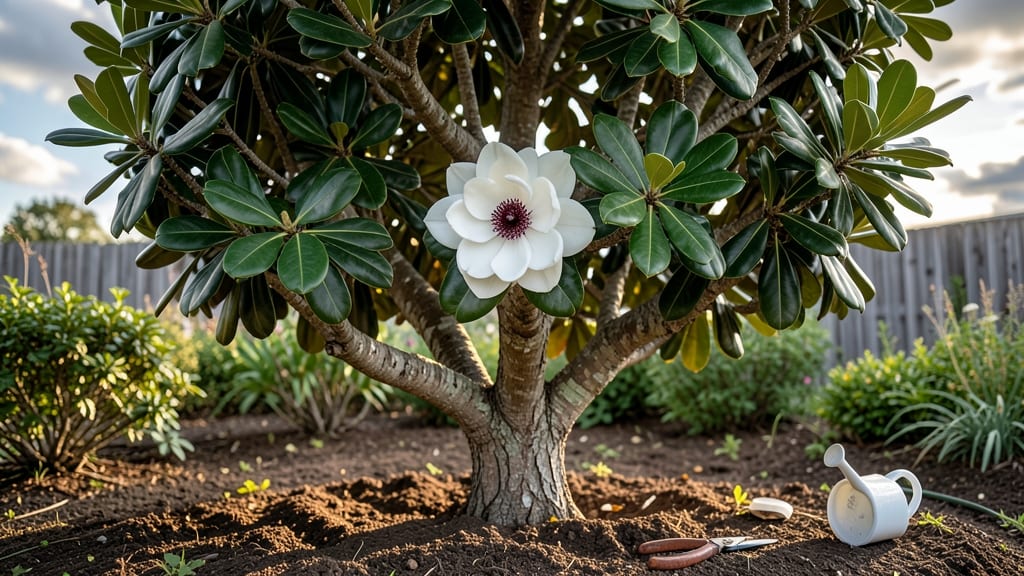
The magnolia grandiflora flower brings Southern charm to any landscape with its glossy evergreen leaves and intoxicating summer blooms. 🌿 I’ve grown mine for eight years, and the secret to their success isn’t complicated—it’s about patience, good soil, and knowing when to step back.
These trees thrive on neglect almost as much as they do on care, which makes them perfect for busy gardeners who still want drama.
What you’ll need is simple: 6 hours of sunlight daily, well-draining soil rich in organic matter, and a spot where it can grow 20-40 feet wide over time. Watering is easy once established—just keep the roots moist during the first year, then let nature take over.
The real magic happens when you resist the urge to prune unless absolutely necessary; these trees reward minimal interference with bold, fragrant blooms that last for weeks.
By summer’s end, you’ll have a tree that smells like a magnolia grove and stays lush all winter long. The flowers attract pollinators, the leaves provide year-round texture, and the minimal pruning means less work for you.
It’s the kind of plant that makes neighbors stop and ask, “What’s that?”—then tells you its name with pride.
Whether you’re planting a sapling or nurturing a mature specimen, this guide covers everything from soil prep to pest control, so you can enjoy its elegance with confidence. Let’s get your magnolia thriving!
📚 In This Guide
- What you need
- Instructions
- Tips and common mistakes
- Wrapping up and next steps
What you need
- ● Magnolia grandiflora plant: 1 nursery-grown sapling (3–5 ft tall) for fastest results, or
- ● Seeds (fresh or stratified) if starting from scratch (note: slower germination).
- ● Well-draining soil: 5–10 bags (1–2 cubic feet each) of a mix: 60% acidic loam (pH 5.0–6.0)
- ● 30% organic matter (compost or peat moss)
- ● 10% perlite or sand for aeration.
- ● Organic mulch: 2–3 cubic yards of pine bark or pine needles (to retain moisture and acidity).
- ● Slow-release fertilizer: 1 bag of acid-loving plant fertilizer (e.g., 8-3-6 or 10-10-10 with sulfur).
- ● Watering can or hose: With a gentle spray nozzle (1–2 gallons capacity).
- ● Garden trowel or spade: For digging holes (6–12 inches deep).
- ● Pruning shears: Bypass pruners (sharp, sterilized) for minimal shaping.
- ● Gloves: Heavy-duty gardening gloves (to protect from thorns).
- ○ pH testing kit: Digital or liquid test strips (optional but helpful).
- ○ Support stake (optional): 1–2 wooden or metal stakes (4–6 ft tall) for young plants in windy areas.
- ● Climate: USDA Zones 7–10 (or equivalent temperate regions).
- ● Sunlight: Full sun (6+ hours/day) or partial shade in hotter zones.
- ● Spacing: Plant 15–25 ft apart to allow mature canopies to spread.
- ● Timing: Best planting season: Fall (September–November) or early spring (March–April).
- ● Avoid transplanting during extreme heat or frost.
Step-by-step instructions for planting and maintaining magnolia grandiflora
Here's how to cultivate these majestic evergreens for decades of drama.
🌱 Step 1: Plant in the Right Spot With Proper Soil
Magnolia grandiflora thrives in full sun to partial shade—at least 6 hours of direct sunlight daily. Choose a location with sheltered protection from harsh winds, which can damage its large leaves and delicate blooms. The soil must be well-draining, slightly acidic (pH 5.0-6.0), and rich in organic matter. I always test soil pH before planting—amending with sulfur or peat moss if needed.
Dig a hole twice as wide as the root ball but no deeper. Gently loosen the roots if they're circling tightly in the container. Place the plant so the top of the root ball sits 1-2 inches above ground level—this prevents waterlogging. Backfill with native soil mixed with 3 inches of compost to improve fertility without compacting.
☀️ Step 2: Water Deeply and Mulch for Moisture Retention
Water deeply immediately after planting to eliminate air pockets and encourage root contact with soil. Aim for 1-2 gallons per week during the first year, adjusting for rainfall. The soil should stay evenly moist but never soggy—grandiflora hates "wet feet." I use a soaker hose to deliver water slowly at the base, avoiding leaf wetting to prevent fungal diseases.
Apply a 3-inch layer of organic mulch (like pine bark or shredded leaves) around the base, keeping it 6 inches away from the trunk. Mulch conserves moisture, regulates soil temperature, and slowly releases nutrients. Refresh the mulch annually—it breaks down faster than you'd expect.
✂️ Step 3: Prune Only When Necessary
This is where grandiflora earns its "minimal pruning" reputation. Prune only to remove dead, diseased, or crossing branches—never to shape. The best time is late winter or early spring, just before new growth begins. Use clean, sharp pruners to make cuts at a 45-degree angle just above a bud or branch collar.
Never prune in fall—new growth won't harden off before winter, and you risk losing next year's blooms. If you must prune for safety (near power lines, for example), remove no more than 25% of the canopy in one season. The tree's glossy leaves and fragrant flowers are its natural beauty—interference often backfires.
🌿 Step 4: Fertilize Lightly and Monitor for Pests
Feed once in early spring with a balanced, slow-release fertilizer (10-10-10 or similar). Over-fertilizing causes excessive leaf growth at the expense of flowers. I use half the recommended dose for established trees—grandiflora grows slowly and doesn't need heavy feeding. Water thoroughly after applying to prevent root burn.
Watch for scale insects, spider mites, or aphids—common pests that target stressed trees. Treat infestations immediately with neem oil or horticultural oil applied in early morning or late evening to avoid harming beneficial insects. A strong, healthy grandiflora rarely has pest problems, so proper watering and mulching are your first line of defense.
⏰ Step 5: Winter Care for Cold-Hardy Elegance
Magnolia grandiflora is USDA zones 7-10, but young trees need winter protection. Wrap the trunk with burlap in late fall to prevent sunscald, and avoid heavy snow accumulation on branches—it can break limbs. In colder zones, mulch 6 inches deep around the base to insulate roots.
Resist the urge to prune winter-damaged branches until late spring, when you can assess the full extent of injury. Damaged limbs often recover surprisingly well—grandiflora is resilient once established. With proper winter care, your tree will reward you with fragrant blooms in late spring and glossy foliage year-round.
Tips & tricks for perfect magnolia grandiflora growth
These hard-won insights will help you cultivate a thriving magnolia that rewards you with decades of drama.
Site Selection Strategy: The 6 hours of daily sunlight requirement isn't just about quantity—it's about quality. South-facing locations get optimal light, but west-facing spots work too if you're in cooler climates. I've seen grandifloras thrive with morning sun and afternoon shade in zones 8-10, but the key is avoiding hot afternoon sun that can scorch leaves. Test your spot by observing how sunlight moves across the area throughout the day before planting.
Soil Preparation Secret: That 3 inches of compost isn't just for fertility—it's a moisture retention game-changer. I mix in an additional 1 inch of worm castings during planting for established trees, which adds beneficial microbes that help roots establish faster. For clay-heavy soils, amend with 25% perlite to improve drainage while maintaining that crucial slightly acidic pH (5.0-6.0). The root ball's elevated position (1-2 inches above ground) prevents waterlogging that can suffocate roots.
Watering Wisdom: The 1-2 gallons per week guideline assumes average rainfall conditions. In my experience, newly planted trees often need supplemental watering every 3-4 days during dry spells, especially in the first growing season. A simple test: stick your finger 2 inches into the soil—if it's dry, water again. The soaker hose method is ideal because it delivers water directly to the roots where it's needed most, avoiding fungal diseases that can develop from wet foliage.
Pruning Precision: That 45-degree angle cut isn't just aesthetic—it's essential for proper healing. When pruning in late winter, I make sure to cut just above a bud that's facing outward from the branch. This encourages healthy growth patterns and prevents the formation of weak crotches. For safety pruning (like near power lines), I never exceed that 25% canopy removal limit—grandifloras are surprisingly resilient but can become stressed if you take too much at once.
Pro Tips for Magnolia Grandiflora Flower
- These hard-won insights will help you cultivate a thriving magnolia that rewards you with decades of drama.
- Site Selection Strategy: The 6 hours of daily sunlight requirement isn't just about quantity—it's about quality.
- Soil Preparation Secret: That 3 inches of compost isn't just for fertility—it's a moisture retention game-changer.
Frequently asked questions
Got questions about growing and caring for your Magnolia grandiflora? You’re not alone!
Here are some of the most common queries—plus quick, practical answers to keep your evergreen beauty thriving with minimal fuss.
How fast does a Magnolia grandiflora grow, and how big will it get?
A mature Magnolia grandiflora can reach 60–80 feet tall (though dwarf cultivars stay under 20 feet) and spread 30–40 feet wide. Growth is slow—expect 12–24 inches per year—so patience pays off for that iconic, grand scale! Plant it with space in mind, especially in windy areas.
When is the best time to plant a Magnolia grandiflora?
For optimal root establishment, plant in late fall or early winter (before buds swell) or early spring (after frost risk passes). Avoid extreme heat or drought stress—bare-root seedlings need moisture to thrive. Pro tip: Amend heavy clay soil with compost to improve drainage.
Why isn’t my Magnolia grandiflora flowering, even though it’s years old?
Patience is key—Magnolias often take 5–10 years to bloom! Common culprits for no flowers:
- Improper sunlight: Needs full sun (6+ hours/day)—partial shade delays blooms.
- Over-pruning: Avoid heavy cuts; prune only to shape after flowering.
- Nutrient deficiency: Test soil pH (ideal: 5.0–6.0) and fertilize lightly in spring.
What pests or diseases should I watch for with Magnolia grandiflora?
These tough trees are disease-resistant, but keep an eye out for:
- Scale insects: Sticky residue on leaves? Scrape off or use horticultural oil.
- Magnolia scale: Tiny bumps on branches? Prune infested areas and treat with neem oil.
- Fungal issues (rare): Brown spots? Improve airflow and avoid overhead watering.
Can I grow Magnolia grandiflora in a container, or is it strictly a landscape tree?
Yes! Dwarf cultivars (like ‘Little Gem’ or ‘Southern Beauty’) thrive in large containers (20+ gallons) with:
- Well-draining soil (add perlite/pine bark).
- Winter protection (move indoors or wrap roots in burlap).
- Regular watering (containers dry faster!).
Wrapping up and next steps
The Magnolia grandiflora is a stunning, low-maintenance addition to any garden, offering year-round elegance with its glossy leaves and fragrant blooms. 🌿 With the right care—like well-draining soil, partial shade, and minimal pruning—you can enjoy its beauty for decades.
Whether you're a seasoned gardener or just starting, this majestic tree is well worth the effort!
Ready to grow your own? Plant one today and watch your garden transform into a lush, evergreen sanctuary. 🌸 For extra tips, explore local nurseries or gardening forums—your future magnolia awaits!