
Flowers
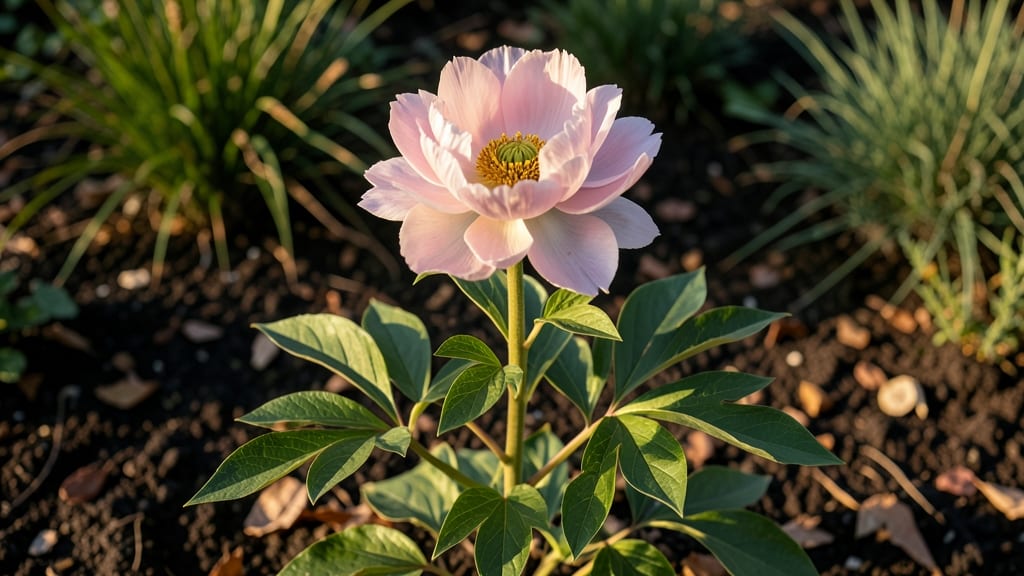
Growing single flower peonies is like planting a living masterpiece—each bloom unfurls like delicate lace against the spring sky. 🌸 These heirloom varieties stand out with their bold, open centers and rich fragrance, unlike their double-flowered cousins that overwhelm the eye.
My first garden had a single 'Sarah Bernhardt' peony, and it became the star of the show every June, returning year after year with almost no effort from me.
The secret to their success lies in three things: rich, well-draining soil, full sun, and patience. They thrive in zones 3-8, handling frost like a champ, and once established, they demand minimal pruning—just a light cleanup after blooming.
The roots need space to spread, so plant them deep (eyes 2 inches below soil) and give them 3-4 feet of room to avoid competition. Most gardeners overwater, but peonies prefer the soil to dry slightly between waterings once established.
By late summer, you'll see lush, feathery foliage that stays green until frost, and next spring, those dramatic blooms will reward you with 3-5 weeks of show-stopping color. The fragrance alone makes them worth growing—imagine walking past a bush heavy with blooms on a warm afternoon.
Even better, they multiply over time, giving you free plants to share with neighbors.
They're not fussy about pests or diseases, but watch for botrytis blight in humid summers and peony wilt if the soil stays too wet. A quick cleanup of fallen petals prevents most issues.
Once planted, these perennials will outlive you, blooming more reliably than many annuals. Ready to add a classic that keeps giving for decades?
📚 In This Guide
- What you need
- Instructions
- Tips and common mistakes
- Wrapping up and next steps
What you need
- ● Single flower peony bareroot plants: 3–5 (choose disease-resistant varieties like ‘Sarah Bernhardt’ or ‘Bowl of Beauty’).
- ● Well-draining soil: Mix equal parts garden soil, compost, and coarse sand (or perlite) for optimal aeration.
- ● Organic matter: 2–3 cups of aged compost or well-rotted manure per planting hole.
- ● Bone meal or phosphorus-rich fertilizer: ½ cup per plant (boosts root and bloom health).
- ● Mulch: 2–3 inches of straw, wood chips, or shredded leaves (protects roots in winter).
- ● Garden trowel or spade: For digging planting holes (12–18 inches deep).
- ● Pruning shears: Sharp, clean pair (sterilize with rubbing alcohol between cuts).
- ● Gloves: Heavy-duty garden gloves (peony thorns are sharp!).
- ● Watering can or hose with a gentle nozzle: For deep, even watering (avoid overhead spraying).
- ● Measuring tape or ruler: To ensure proper spacing (2–3 feet between plants).
- ● Sunlight: Full sun (6–8 hours daily) for vibrant blooms.
- ● Climate: Hardy in USDA Zones 3–8 (frost-resistant once established!).
- ● Planting time: Early fall or late winter (before buds swell).
- ● Drainage: Avoid soggy soil—peonies hate "wet feet."
- ● Peony rings or stakes (to prevent flopping stems).
- ● Slow-release fertilizer (applied in early spring).
- ● Pest deterrents (neem oil for aphids or slug bait).
- ● Garden journal (to track growth and blooming patterns!).
Step-by-Step instructions for planting and caring for single flower peonies
Here's how to establish these hardy perennials for decades of effortless blooms.
🌱 Step 1: Choose the Perfect Planting Location
Peonies thrive in full sun—select a spot that receives at least 6-8 hours of direct sunlight daily. I always check the afternoon sun exposure first, as peonies need warmth to develop strong buds. Avoid low-lying areas where cold air settles, as these frost-sensitive plants need good air circulation to prevent rot.
Test your site's drainage by digging a 12-inch deep hole. If water pools after 30 minutes, amend the soil with 2-3 inches of coarse sand or gravel mixed into the bottom 6 inches of the hole. Peonies hate soggy roots, and poor drainage is the fastest way to lose them.
🪴 Step 2: Plant Bare-Root Peonies at the Right Depth
Dig a hole 18-24 inches wide and 12-18 inches deep, depending on your climate—warmer regions need deeper planting to protect buds from heat. Place the peony roots in the hole with the "eyes" (buds) facing upward. These look like tiny pink or green knobs on the roots.
Here's the thing—peony eyes must sit 1-2 inches below the soil surface for strong blooms. If planted too shallow, stems will flop; too deep, and flowers won't emerge. Mix the removed soil with 2-3 cups of bone meal (from your materials) for phosphorus, which encourages root and flower development. Backfill gently, tamping lightly to remove air pockets.
☀️ Step 3: Water and Mulch for Frost Protection
Water deeply immediately after planting to settle the soil around roots. Give the plant 1 gallon of water per 12 inches of plant height—so about 2-3 gallons total for a newly planted peony. Keep the soil consistently moist but never soggy for the first 2-3 weeks while roots establish.
Spread 3-4 inches of mulch (like shredded bark) around the base, keeping it 4-6 inches away from the crown to prevent rot. This mulch layer protects roots from winter freeze-thaw cycles and summer heat. I always check mulch depth in early spring—if it's compressed to 1 inch thick, add more to maintain insulation.
✂️ Step 4: Prune Only When Necessary
Peonies need minimal pruning—cut back foliage in late fall or early spring to 1-2 inches above the ground only if it looks diseased or dead. Never prune blooms until they've fully faded and browned, as this signals the plant to store energy for next year's flowers.
Real talk: I've seen gardeners over-prune peonies in spring, thinking they're helping. But cutting back too early removes the plant's food source. Wait until after the first hard frost when foliage turns yellow-brown naturally, then clean up with sharp shears to prevent disease spread.
Tips & tricks for perfect single flower peonies
Common pitfalls—and how to sidestep every one when planting these showstopping perennials.
Sunlight Strategy: Those 6-8 hours of sunlight are non-negotiable, but here's the thing: morning sun is less intense than afternoon heat. I always prioritize the south-facing side of my garden for peonies, where they get that critical afternoon warmth. If your yard has afternoon shade, consider a raised bed with full sun exposure instead.
Drainage Test: The 30-minute water pooling test in Step 1 is your best friend. I've seen peonies drown in heavy clay soil that looked fine at first glance. If you're unsure about your soil, grab a shovel and dig down 12 inches—if water still pools after 30 minutes, you'll need to amend that bottom layer with 2-3 inches of coarse sand or gravel before planting.
Eye Level: Getting those peony eyes 1-2 inches below soil level is crucial, but here's what nobody tells you—measure from the soil surface to the top of the eyes, not the roots. I use a ruler to mark the depth before backfilling, and I always double-check with my finger to ensure the crown sits just right. Too shallow? Buds won't develop. Too deep? Flowers won't emerge.
Mulch Maintenance: That 3-4 inch mulch layer is your winter insurance policy, but it needs spring check-ups. I always remove the old mulch in early spring and replace it with fresh, checking that it's still 3-4 inches thick and kept 4-6 inches away from the crown. Compressed mulch loses its insulating power—think of it like a deflated winter coat.
Pro Tips for Single Flower Peony
- Common pitfalls—and how to sidestep every one when planting these showstopping perennials.
- Sunlight Strategy: Those 6-8 hours of sunlight are non-negotiable, but here's the thing: morning sun is less intense than afternoon heat.
- Drainage Test: The 30-minute water pooling test in Step 1 is your best friend.
Frequently asked questions
When is the best time to plant single flower peonies?
Plant your peonies in early fall (4–6 weeks before the ground freezes) or early spring (after the last frost). Fall planting gives roots time to establish before winter, while spring planting works if you’re in a mild climate. Avoid planting in extreme heat or cold—peony roots are sensitive to stress!
Can single flower peonies survive heavy frost?
These hardy beauties thrive in USDA Zones 3–8 and tolerate frost down to –30°F. Their woody stems and deep roots act like natural insulation. Just mulch around the base in winter to protect tender new growth. Pro tip: Avoid heavy mulch piles—keep it loose to prevent rot.
How much should I prune single flower peonies?
Minimal pruning is key! Cut back dead or damaged foliage in late fall or early spring, but leave healthy stems until after blooming. Never prune more than one-third of the plant at once. Over-pruning reduces next year’s flowers. Pro tip: Wait until after the first frost to prune—it signals dormancy and prevents disease.
Why aren’t my single flower peonies blooming?
Common culprits include too much shade, over-fertilizing, or planting too deep. Peonies need 6+ hours of sun and barely covered crowns (1–2 inches below soil). If they’ve been in the ground 3+ years with no blooms, they might need division or a low-phosphorus fertilizer (like 5-10-10).
What’s a good alternative if I want fewer pests?
Try ‘Sarah Bernhardt’ or ‘Bowl of Beauty’—both are single-flowered varieties with strong disease resistance. For even fewer pests, plant peonies near garlic or chives, which naturally deter aphids and spider mites. Pro tip: Avoid overhead watering to prevent fungal issues like botrytis.
How long do single flower peony blooms last?
With proper care, single flower peonies bloom for 7–10 days per stem, but the whole plant can extend blooms for 2–3 weeks if you deadhead spent flowers (cut just above a leaf node). For longer vase life, harvest blooms when buds are half-open and change water daily.
Wrapping up and next steps
Growing single flower peonies is a rewarding journey that brings lush, frost-resistant blooms to your garden with minimal fuss! 🌸 With the right soil, sunlight, and a little patience, these stunning flowers will thrive for decades—adding elegance and charm to your outdoor space.
Whether you're a beginner or a seasoned gardener, their resilience and beauty make them a must-have.
Ready to dive in? Start by selecting healthy plants or tubers, then follow the steps above to give them the perfect home. Before you know it, your garden will be bursting with romantic, single-blossom peonies that turn every season into a celebration. Happy planting! 🌱