
Flowers
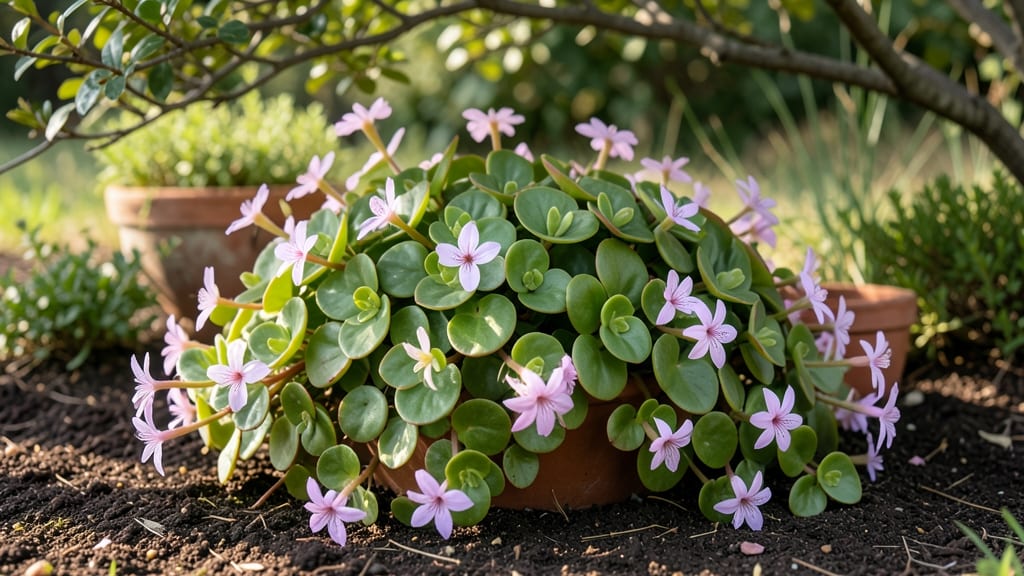
The lady's lace flower (Aptenia cordifolia) thrives where others freeze—its frost-resistant blooms paint the Pacific Northwest with delicate pink lacework all season long. 🌸 I planted mine last spring after seeing how it blanketed a neighbor’s rocky slope, and now it’s the star of my drought-tolerant border.
The secret lies in its love for well-draining soil and its ability to bounce back after winter’s chill, making it the perfect low-maintenance ground cover for zones 9-11 (and protected spots in cooler climates).
This succulent-like beauty needs just 6 hours of sunlight daily and water only when the top inch of soil feels dry—overwatering is its only true enemy.
Start with cuttings from a healthy plant (they root in water or soil in about 2 weeks), and you’ll soon have a sprawling mat of tiny pink flowers that hummingbirds adore. The key to keeping it lush?
A light trim after blooms fade to encourage fresh growth, and a thick layer of mulch to shield roots from winter’s occasional frost.
By summer’s end, your garden will hum with activity as lady’s lace spreads effortlessly, its trailing vines softening edges and suppressing weeds. The flowers may fade in cold snaps, but the foliage stays green year-round, offering year-long texture and color.
Even in rainy seasons, it stays vibrant—just avoid soggy soil, and you’ll have a foolproof ground cover that outshines traditional options.
Works beautifully in rock gardens, slopes, or as a living border, and pairs well with lavender, sedum, or other drought-tolerant perennials. Once established, it’s nearly self-sufficient, making it ideal for busy gardeners who want low-fuss beauty without the upkeep. Let’s get those cuttings growing!
📚 In This Guide
- What you need
- Instructions
- Tips and common mistakes
- Wrapping up and next steps
What you need
- ● Lady lace flower bulbs or plants: 3–5 bulbs (or 1–2 potted plants) for a stunning display. Choose Hymenocallis caroliniana for its frost-resistant charm.
- ● Well-draining potting mix or garden soil: 5–10 gallons, amended with compost (30% organic matter) for nutrient-rich growth.
- ● Perlite or sand: 1–2 cups to improve drainage (critical for preventing bulb rot!).
- ● Slow-release fertilizer (10-10-10 or 5-10-5): 1–2 cups to kickstart root development.
- ● Mulch (pine bark or shredded leaves): 2–3 inches to insulate bulbs in winter.
- ● Trowel or garden spade
- ○ Gloves (optional but recommended—those roots can be spiky!)
- ● Watering can or hose with a gentle spray nozzle
- ● Measuring cup or scale (for precise fertilizer/mix ratios)
- ○ Garden twine or stakes (optional, for supporting tall stems in windy PNW climates)
- ● Epsom salt (magnesium sulfate): 1 tbsp dissolved in water monthly for vibrant blooms.
- ● Fish emulsion or worm castings: 1 cup every 4–6 weeks for a nutrient boost.
- ● Frost cloth: Lightweight fabric to protect young plants during late frosts (common in early PNW springs!).
- ● Decorative rocks or pebbles: For a polished look around planted bulbs.
Step-by-Step guide for planting and maintaining lady's lace flowers
Here's how to establish these hardy perennials for year-round Pacific Northwest blooms.
🌱 Step 1: Choose the Perfect Planting Location
Lady's lace thrives in partial shade to full sun—at least 4-6 hours of morning sunlight protects delicate blooms from afternoon heat. In the Pacific Northwest's cooler climate, a spot with dappled shade (like under tall trees with open canopies) works beautifully. Avoid low-lying areas where frost pools overnight—these plants handle cold but despise soggy roots.
Test your site by observing it for a week. If leaves on nearby plants show sun scorch (brown, crispy edges) by midday, your spot gets too much afternoon sun. Amend heavy clay soil with 2-3 inches of compost to improve drainage. The ideal soil should crumble easily between your fingers when moist—like a well-worn pencil eraser.
🪴 Step 2: Prepare the Soil and Plant with Care
Dig holes twice as wide as the root ball but only as deep as the container's base—planting too deep suffocates roots. Gently tease apart any circling roots before placing the plant in the hole. The top of the root ball should sit level with the surrounding soil, not buried deeper than it grew in the container.
Backfill with a mix of native soil and compost (equal parts) to encourage root establishment. Water deeply to settle the soil, then add a 1-inch layer of mulch (like cedar chips) around the base, keeping it 2 inches away from the stem. This protects against winter heaving and conserves moisture. Tap the soil lightly after watering—if it springs back when pressed, you've got perfect firmness.
☀️ Step 3: Water Strategically for Pacific Northwest Conditions
Water newly planted lady's lace once weekly for the first month, providing 1 inch of water each time. Check moisture by sticking your finger 2 inches into the soil—if it feels dry, water again. Overwatering causes root rot, especially in our region's damp winters, while underwatering leads to floppy stems and missed blooms.
After establishment, these plants are remarkably drought-tolerant. In summer, water every 10-14 days unless you see wilting foliage or drooping stems—signs it's time to hydrate. Always water at the base of the plant in the morning to prevent fungal issues from evening moisture. The soil should feel like a wrung-out sponge when dry—slightly damp but not wet.
✂️ Step 4: Prune for Continuous Blooms and Winter Readiness
Deadhead spent blooms every 2-3 weeks throughout summer to encourage nonstop flowering. Use clean, sharp pruners and cut just above a set of healthy leaves (look for pairs of leaves growing opposite each other). This redirects energy from seed production to new growth. If you see yellowing leaves in late summer, trim them back by one-third to rejuvenate the plant before winter.
In fall, cut back one-third of the foliage to a strong set of leaves. This prevents weak, leggy growth and helps the plant conserve energy. Leave the lower leaves intact—they protect the crown from winter cold. In early spring, remove any dead or damaged stems before new growth begins. You'll know pruning worked when you see fresh green shoots within 2-3 weeks of spring's first warm days.
Tips & tricks for perfect lady's lace flower planting
These practical insights will help you establish thriving lady's lace that thrives through Pacific Northwest winters.
Site Selection Secret: The 4-6 hours of morning sunlight mentioned in Step 1 is non-negotiable for our region's climate. I've learned the hard way that afternoon sun causes leaf scorch—look for spots where nearby plants show consistent morning light but no midday browning. A simple week-long observation test will save you from struggling with heat-stressed plants later.
Planting Depth Technique: When preparing holes in Step 2, use a garden trowel to verify depth—your finger should fit snugly around the root ball's top edge. I've seen many gardeners accidentally bury the crown, which leads to rotting. Remember, the root ball's top should sit flush with the surrounding soil, not buried beneath it.
Watering Wisdom: The 1-inch weekly watering guideline in Step 3 works perfectly for our damp climate, but timing matters just as much. Water in the morning so foliage dries quickly, preventing fungal issues. I use a rain gauge to measure—if we get 1 inch of rain, I skip watering that week entirely. Overwatering is the #1 killer of lady's lace in our region.
Pruning Precision: For the every-2-3-weeks deadheading in Step 4, I mark my calendar with reminders. Cut just above a leaf pair to encourage bushier growth—this small detail makes all the difference in plant density. In fall, when cutting back one-third of foliage, leave the lower leaves intact as natural insulation against winter cold. This simple adjustment prevents winter dieback in our frosty climate.
Pro Tips for Lady Lace Flower
- These practical insights will help you establish thriving lady's lace that thrives through Pacific Northwest winters.
- Site Selection Secret: The 4-6 hours of morning sunlight mentioned in Step 1 is non-negotiable for our region's climate.
- Planting Depth Technique: When preparing holes in Step 2, use a garden trowel to verify depth—your finger should fit snugly around the root ball's top edge.
Frequently asked questions
Got questions about growing lady’s lace flower (Amsonia hubrichtii) in the Pacific Northwest? We’ve got answers!
Whether you’re a beginner or a seasoned gardener, these FAQs will help you cultivate these stunning, frost-resistant blooms with ease.
How cold-hardy is lady’s lace flower?
Lady’s lace flower thrives in USDA zones 3–8, making it perfect for the Pacific Northwest’s chilly winters. It handles frost beautifully and even blooms in early spring before many other perennials. Just ensure it gets well-draining soil to prevent root rot in heavy winter rains.
When is the best time to plant lady’s lace flower?
Plant in early spring or fall for optimal root establishment. Avoid summer heatwaves, as they can stress young plants. If transplanting, water deeply for the first 2 weeks to help it adjust—especially in dry PNW summers!
Why isn’t my lady’s lace flower blooming?
Common reasons include over-fertilizing (too much nitrogen), poor sunlight (needs 6+ hours of sun/day), or crowded roots. Prune spent blooms in early summer to encourage more flowers. If it’s still struggling, check for pests like spider mites or fungal issues.
Can I grow lady’s lace flower in containers?
Yes! Use a large container (at least 12” deep) with well-draining soil and ensure it gets enough sunlight. Containers dry out faster, so water regularly during the growing season. Just avoid keeping it in soggy soil—root rot is a risk!
Are lady’s lace flowers deer-resistant?
While somewhat deer-resistant, they’re not foolproof. Young plants may get nibbled, so consider deer repellent sprays or companion planting with lavender or Russian sage to deter them. Mature plants are usually left alone!
How do I propagate lady’s lace flower?
Divide mature clumps in early spring or fall—simply dig up the plant, separate the roots, and replant. You can also try stem cuttings in summer, but rooting success varies. For best results, use rooting hormone and keep cuttings moist until established.
Still stumped? Drop your question in the comments—we’re happy to help your lady’s lace garden flourish!
Wrapping up and next steps
The lady’s lace flower is a stunning, low-maintenance gem perfect for the Pacific Northwest’s unique climate—adding year-round charm with minimal effort! Whether you’re a seasoned gardener or just starting, these frost-resistant blooms bring beauty and resilience to any space.
Ready to transform your garden? Grab your supplies, follow the steps, and watch your yard flourish with delicate, ever-blooming elegance.
🌱 Next step: Start small—plant a single lady’s lace flower today and let its magic inspire your green thumb! 🌸