Container Gardens
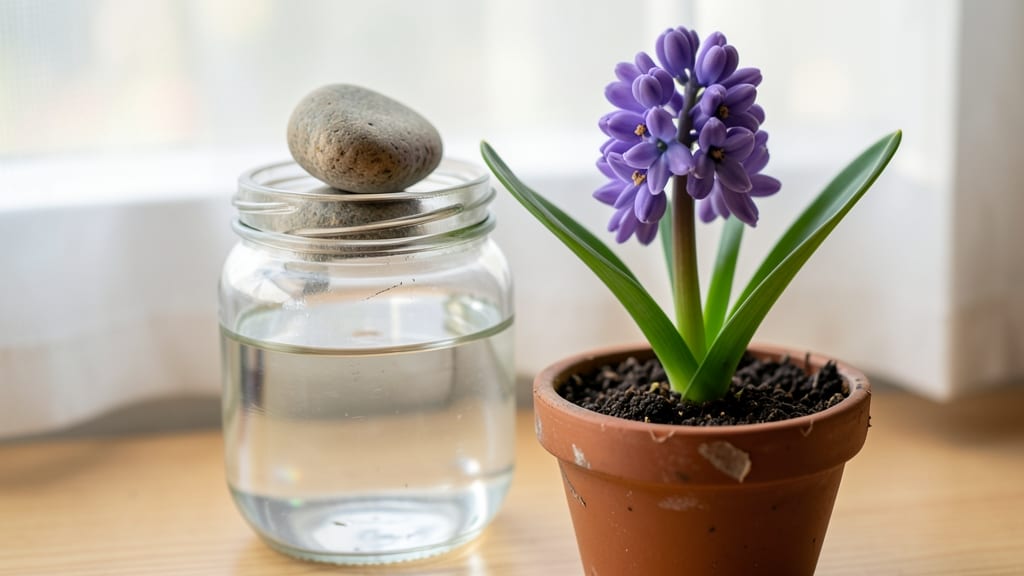
Growing flower bulbs in water is the easiest way to bring spring indoors months early—no dirt, no mess, just vibrant blooms that last for weeks. 🌷 I’ve watched hyacinths, daffodils, and tulips push through water like magic, their stems thickening and flowers unfurling right on my kitchen counter.
The secret lies in choosing the right bulbs and keeping the water fresh, but once you get it right, you’ll never buy cut flowers again.
You only need three supplies: food-safe bulbs (hyacinths, daffodils, or tulips work best), a clear vase or jar, and room-temperature water. Place the bulbs in the container with their bases submerged—about half their height—and change the water every 3-5 days.
A sunny windowsill or grow light keeps them happy, and in 4-6 weeks, you’ll have blooms that smell like spring and last another 2-3 weeks in a vase.
The best part? These bulbs keep growing after flowering—just move them to soil when the stems reach 6-8 inches, and they’ll establish roots for next year. No black thumb required; even my first attempt with a wobbly hyacinth bulb produced 12 perfect blooms.
The only downside? You’ll want to try every color combination, and your neighbors will ask where you got them.
Perfect for small spaces, renters, or anyone who wants instant color without a garden. Whether you’re forcing bulbs for holidays or just love watching roots grow, this method proves you don’t need soil to grow beauty. Ready to turn your vase into a blooming masterpiece?
📚 In This Guide
- What you need
- Instructions
- Tips and common mistakes
- Wrapping up and next steps
What you need
- ● Flower bulbs: Choose from daffodils, tulips, hyacinths, or paperwhites (1-3 bulbs per container). Ensure they’re firm, plump, and free of soft spots.
- ● Clear glass or vase: A wide-mouth jar (8–12 oz) or a shallow bowl with a minimum 2-inch depth for bulb stability.
- ● Water: Use room-temperature, filtered water (chlorine-free if possible) to avoid shocking the bulbs.
- ○ Decorative pebbles or gravel: 1–2 inches of small pebbles (optional but helps anchor bulbs and prevents rot).
- ● Scissors or knife: For trimming bulb roots (if needed).
- ● Newspaper or bulb tray: To store bulbs before planting (if not using immediately).
- ○ Food coloring (optional): A few drops for a fun, colored water effect (use sparingly!).
- ○ Fertilizer (optional): A water-soluble bulb fertilizer (follow label for dilution).
Step-by-step instructions for growing flower bulbs in water
Here’s how to coax vibrant blooms from bulbs without a single shovel or pot—just clear water and patience.
🌱 Step 1: Select and Prep Your Bulbs
Choose firm, plump bulbs like hyacinths, tulips, daffodils, or paperwhites—these thrive in water. Avoid bulbs labeled "tropical" (like lilies) or those that rot easily. I like to pick bulbs with a slight papery skin still intact; this protects them during the rooting phase.
Peel away any loose outer layers, but leave the base intact. If your bulb has dried roots still attached, don’t trim them—these will anchor it in water. For bulbs without roots, soak them in room-temperature water for 12-24 hours to kickstart root growth. This step is non-negotiable for stubborn varieties like daffodils.
💧 Step 2: Choose Your Vessel and Water Setup
Any clear container works—a vase, jar, or even a repurposed glass bottle—but the vessel must hold at least 3-4 inches of water to submerge half the bulb’s height. I use a wide-mouth vase for tulips because their stems grow tall and need stability. Narrow-necked containers force bulbs to compete for space, stunting growth.
Fill the container with room-temperature water (never cold). Tap water is fine, but if it’s heavily chlorinated, let it sit uncovered for 24 hours first. Add 1-2 drops of bleach per gallon to prevent bacterial growth—this is the secret to keeping water crystal clear for weeks. Change the water every 3-5 days to avoid stagnation.
☀️ Step 3: Position for Light and Wait for Roots
Place your bulb-filled container in bright, indirect light—a north-facing window or under a grow light. Direct sunlight scorches leaves, while too little light weakens stems. You’ll see tiny white roots emerge in 7-14 days, signaling it’s time to add more water. Roots need 1-2 inches of water coverage to thrive.
Here’s the thing—don’t rush it. Some bulbs (like hyacinths) will sprout leaves first, while others (like paperwhites) may shoot roots immediately. Watch for green shoots breaking through the top—that’s your cue to move to a sunnier spot. If your bulb stays dormant after 3 weeks, it might be rotting; drain the water and start fresh.
🌿 Step 4: Encourage Blooms with Light and Patience
Once roots are 2-3 inches long and green shoots appear, shift the container to a sunny windowsill (6+ hours of light daily). For indoor growers, supplement with a 12-hour grow light if natural light is weak. You’ll notice stems elongating rapidly—this is normal! Water levels drop fast as stems grow, so top off daily with fresh room-temperature water.
Blooms typically arrive in 4-8 weeks, depending on the bulb. Tulips and daffodils often take longer, while paperwhites burst into fragrance in 3-4 weeks. The moment buds open, move the container to a cooler spot (like a basement) to extend bloom time. Cut stems at an angle for bouquets, but leave leaves intact—they feed the bulb for next season.
⏰ Step 5: Extend Life and Plan for Next Year
After blooming, let the leaves yellow naturally—this recharges the bulb for future growth. If you’re keeping the bulb alive, reduce water to 1 inch and place it in bright, indirect light. Feed it half-strength liquid fertilizer every 4 weeks to rebuild energy. In 8-10 weeks, the leaves will brown and die back—this is normal. Let the bulb dry completely, then store it in a paper bag in a cool, dark place until next year.
Real talk: Most bulbs rebloom successfully if cared for properly. I’ve had hyacinths flower three years in a row this way. For a fresh start, repeat the process with new bulbs—each cycle yields brighter blooms. The key is consistency: light, water, and patience are your only tools.
Tips & tricks for perfect zero-soil flower blooms
Here's what nobody tells you—these small tweaks make all the difference between wilting disappointment and showstopping blooms.
Bulb Selection Matters: For the fastest results, choose paperwhites—they're the most reliable for water culture and bloom in just 3-4 weeks. Hyacinths are my personal favorite for fragrance, but they require slightly more patience (6-8 weeks). Avoid any bulb with soft spots or mold, even if it's on sale. The papery skin isn't just decoration—it protects against rot during the rooting phase.
Water Chemistry Hack: The 1-2 drops of bleach per gallon isn't just for clarity—it creates a mild disinfectant that prevents fungal growth. I've seen bulbs develop black mold in just days when people skip this step. For extra insurance, especially in humid climates, add a pinch of cinnamon to the water. It's a natural antifungal that won't harm your bulbs but will keep the water environment clean. Change that water religiously every 3-5 days—stagnant water is the #1 reason bulbs fail.
Light Transition Strategy: The shift from indirect to direct light in Step 4 is crucial but often rushed. I recommend a gradual transition over 3-4 days rather than moving directly to full sun. Start by placing your container near a window where it gets morning sun and afternoon shade, then gradually increase the sunlight exposure. This prevents the dramatic shock that can cause leaves to yellow or stems to weaken. Think of it like sunbathing—you wouldn't go from zero to full sun exposure either!
Bloom Extension Pro Tip: Once your flowers open, move them to a cooler spot (like a basement or garage) to extend their vase life. The temperature drop mimics natural autumn conditions, which triggers a survival response that keeps blooms fresh. I've had paperwhite bouquets last nearly 3 weeks this way! Just remember to bring them back to room temperature when you want to enjoy them indoors again.
Pro Tips for Growing Flower Bulbs In Water
- Here's what nobody tells you—these small tweaks make all the difference between wilting disappointment and showstoppi...
- Bulb Selection Matters: For the fastest results, choose paperwhites—they're the most reliable for water culture and b...
- Water Chemistry Hack: The 1-2 drops of bleach per gallon isn't just for clarity—it creates a mild disinfectant that p...
Frequently asked questions
Got questions about growing flower bulbs in water? You’re not alone! Here are some of the most common queries—and their simple solutions—to help you master this zero-soil gardening trick.
Can I reuse the same water for multiple blooms?
Yes, but with a few tweaks! Change the water every 3–5 days to prevent bacterial growth and algae. If you notice cloudiness or a foul smell, refresh it immediately. For long-term use, add a drop of hydrogen peroxide (3%) to the water weekly to keep it fresh and oxygen-rich.
How long does it take for bulbs to sprout in water?
Most bulbs—like tulips, daffodils, or hyacinths—sprout in 2–4 weeks, depending on the variety and temperature. Place them in a warm, sunny spot (60–70°F) to speed up germination. Patience is key! Some slow growers (like fritillaries) may take up to 6 weeks.
Do I need to add fertilizer to the water?
Not required, but it helps! Use a water-soluble bulb fertilizer (like 5-10-5) at half-strength every 2 weeks once sprouts appear. Avoid over-fertilizing—too many nutrients can harm delicate roots. A pinch of sugar (1 tsp per gallon) also gives a gentle energy boost!
Why did my bulb rot instead of bloom?
Overwatering or poor bulb health are the top culprits. Ensure the bulb is firm and dry before soaking, and never submerge the top half. If mold forms, discard the bulb and sterilize your container with vinegar or bleach water. Use fresh, room-temperature water and avoid tap water with high chlorine.
Can I grow indoor bulbs in water year-round?
Many bulbs (like paperwhites or amaryllis) thrive indoors all year. Just rotate them toward light sources and adjust water levels as they grow. For seasonal bloomers (e.g., tulips), mimic their natural cycle: 12–14 hours of light and cool temps (50–60°F) encourage longer-lasting blooms.
Wrapping up and next steps
Growing flower bulbs in water is a simple, rewarding, and space-saving way to bring vibrant blooms into your home—no green thumb required! 🌸 Whether you're a beginner or a seasoned gardener, this method offers months of beauty with minimal effort.
The key is patience, a little creativity, and the joy of watching nature thrive in unexpected places.
Ready to level up your indoor garden? Start by experimenting with one or two bulbs—then expand your collection based on what thrives best in your space. Share your progress, try new varieties, and soon, you’ll have a year-round floral display that brightens every room. Happy growing! 🌱