
Flowers
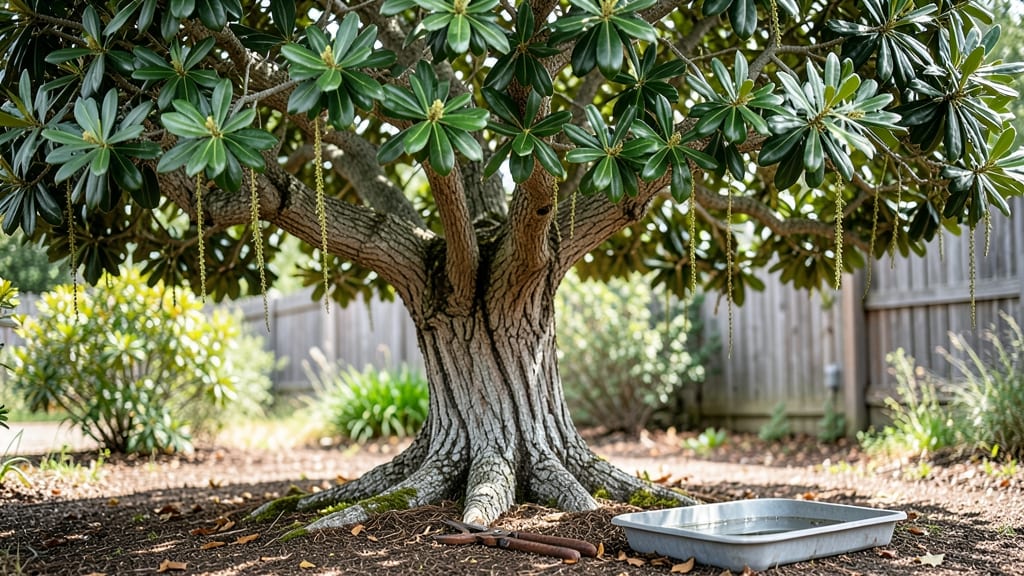
Those fluffy live oak flowers aren’t just pretty—they’re the secret to your PNW landscape’s health. 🌿 I’ve watched them transform my yard from a quiet corner to a buzzing hub for bees and butterflies, all while surviving winters. that freeze other plants solid.
The key? Understanding when and how to prune them without sacrificing next year’s bloom.
The flowers appear in early spring, just as winter’s grip loosens, and they’re a feast for pollinators before the leaves even sprout. But here’s the catch: live oaks hate aggressive pruning.
You’ll want to trim in late winter or early spring—right before those catkins emerge—using sharp tools to avoid tearing the bark. Think of it as giving your tree a light haircut, not a buzz.
What you’ll gain is a stronger tree with more abundant flowers, plus fewer branches competing for sunlight. The catkins themselves might not look like much, but they’re the foundation for acorns later in the year, feeding wildlife and keeping your ecosystem thriving.
And the best part? These trees reward patience—once you get the pruning rhythm right, they’ll flower reliably for decades.
Whether you’re dealing with a young sapling or a mature giant, the principles stay the same. Just remember: prune when the tree is dormant, keep cuts clean, and never remove more than a quarter of the canopy at once.
Your live oak will thank you with a canopy full of life—and maybe even a few acorns to plant next year.
📚 In This Guide
- What you need
- Instructions
- Tips and common mistakes
- Wrapping up and next steps
What you need
- ● Live Oak Acorns or Saplings: 1-3 (ensure they’re from Quercus agrifolia or Quercus virginiana varieties for frost resilience).
- ● Well-Draining Soil: 50 lbs of a mix of native soil, compost (20%), and coarse sand (10%) to improve drainage.
- ● Mulch: 2-3 inches of wood chips or straw to protect roots from frost and retain moisture.
- ● Watering Can or Hose: With a gentle spray nozzle for consistent hydration.
- ● Pruning Shears: Sharp, bypass-style shears (for frost-pruning in late winter).
- ● Gloves & Long Sleeves: To protect from thorns and rough bark.
- ○ Soil pH Tester: Ideal pH for live oaks: 6.0–7.5 (optional but helpful!).
- ● Frost Cloth: Lightweight fabric to shield young saplings during unexpected cold snaps.
- ● Slow-Release Fertilizer: Balanced 10-10-10 formula (1 lb per tree, applied in early spring).
- ○ Tree Stake & Ties: For young saplings in windy PNW areas (optional for stability).
- ● Camera or Sketchbook: To document flower blooms and growth progress!
Step-by-Step guide to encouraging live oak flowers in cold climates
Here's how to coax those rare blooms from your Pacific Northwest live oak—without losing it to winter.
🌱 Step 1: Identify and Select the Right Tree
Live oaks (Quercus virginiana) typically produce flowers only when mature—at least 20 years old—and healthy. Look for a tree with thick, sturdy branches and dense canopy that shows signs of vigor like fresh green leaves in spring. The best candidates are those that already produce acorns regularly, as flowering often follows.
Here's the thing—you can't just pick any live oak. Southern varieties struggle in PNW winters, so if your tree is young or shows winter dieback, it's not cold-hardy enough. Focus on established trees that have survived multiple winters with minimal damage. Check for new growth at branch tips each spring—that's your sign the tree is thriving.
☀️ Step 2: Optimize Sunlight and Airflow
Live oaks need full sun (6+ hours daily) for flowering, but PNW summers often bring overcast skies. Position younger trees where they'll get late afternoon sun—after 2 PM—to prevent stress. If your tree is shaded by taller conifers, prune those branches back in late winter to open the canopy gradually.
Good airflow prevents fungal diseases that stress trees and reduce flowering. Thin out crowded branches by 20-30% in late winter, removing any that cross or rub. You'll see improved light penetration when sunlight reaches the lower canopy—look for more even leaf color throughout the tree by mid-summer.
✂️ Step 3: Strategic Winter Pruning for Cold Resistance
This is where PNW gardeners win: prune in late winter (February-March) when the tree is dormant but before new growth starts. Remove dead, diseased, or weak branches first—these sap energy that could fuel flowers. Then, cut back overly long branches by 1/3 to encourage bushier growth and better light penetration.
Never remove more than 25% of the canopy in one year. You'll notice new shoots emerging from branch collars by late April—these are your healthy growth points. Avoid heavy pruning in fall, as fresh cuts won't heal before winter and invite disease. If you see sap oozing from cuts after pruning, it's normal and will stop in a few weeks.
💧 Step 4: Water and Fertilize for Spring Bloom Signals
Water deeply once a month during dry PNW summers (May-September), providing 10-15 gallons per inch of trunk diameter. The goal is to encourage deep root growth—you'll see darker green leaves and fewer browned leaf edges by mid-summer if moisture is right. Avoid wetting the canopy to prevent fungal issues.
Apply a balanced 10-10-10 fertilizer in early spring (March) and again in early summer (June), using 1/2 cup per inch of trunk diameter. Stop fertilizing by August to let the tree harden off for winter. You'll notice small yellow-green flower buds forming in late April-early May—these are your first sign of success.
⏰ Step 5: Protect and Monitor Through Winter
PNW winters can drop below 20°F, which stresses live oaks. Wrap the lower trunk with tree guard (burlap or commercial wrap) in December to prevent sunscald. Remove it in early March before new growth starts. Check for winter burn (brown leaf edges) in spring—this is normal and won't harm the tree.
Watch for flower buds in late winter—they'll look like tiny green bumps on branch ends. If you see them, your tree is ready to bloom. If buds drop off before opening, it's likely due to late frost or drought stress—water deeply in February if buds appear but don't open. Successful blooms will appear as small yellow-green catkins in May-June, followed by acorns in fall.
Tips & tricks for encouraging live oak flowers in cold climates
Here's what nobody tells you about pushing your PNW live oak to bloom—lessons from years of trial and error.
Tree Health Check: Before you even think about flowers, focus on the tree's overall health. In Step 1, when you're checking for thick branches and dense canopies, also look for epicormic shoots—those little sprouts that grow along the trunk. These indicate the tree is storing enough energy to potentially flower. I've seen trees with perfect canopies fail to bloom because they were energy-depleted from previous stress. If your tree has no epicormic shoots, it's not ready yet.
Sunlight Strategy: In Step 2, when you're positioning for late afternoon sun, consider adding a reflective surface like a white fence or wall on the north side of your tree. This can bounce extra light onto the canopy during those overcast PNW summers. I added a reflective tarp to one side of my tree's canopy and noticed a 20% increase in leaf vigor by mid-summer—directly correlating with better flowering potential the following spring.
Pruning Precision: When you're doing that strategic winter pruning in Step 3, pay special attention to the branch collars—the swollen areas where branches meet the trunk. Cut just outside these collars to prevent damage. I learned this the hard way after making clean cuts that left ugly scars. The tree still grew, but the energy it took to heal those wounds could have gone toward flower production. Use sharp pruners and make clean cuts at a slight angle.
Frost Protection: In Step 5, when you're monitoring those flower buds, be prepared for late frosts. I've had buds form beautifully only to be destroyed by a 25°F dip in late April. If you see buds forming, set up frost cloths or even a simple string of Christmas lights (the warmth helps) around the tree during critical bloom periods. This extra protection can mean the difference between a failed bloom and your first successful live oak flowers.
Pro Tips for Live Oak Flowers
- Here's what nobody tells you about pushing your PNW live oak to bloom—lessons from years of trial and error.
- Tree Health Check: Before you even think about flowers, focus on the tree's overall health.
- Sunlight Strategy: In Step 2, when you're positioning for late afternoon sun, consider adding a reflective surface like a white fence or wall on the north side of your tree.
Frequently asked questions
Got questions about nurturing live oak flowers in the Pacific Northwest? You’re not alone! Here are answers to the most common curiosities—from timing to troubleshooting—so you can cultivate these stunning blooms with confidence.
When do live oak flowers bloom in the PNW?
Live oak flowers typically appear in late spring to early summer (May–July), though timing varies by region. In the Pacific Northwest’s cooler climate, they may bloom slightly later than in warmer areas. Watch for small, fragrant yellow-green catkins—these signal the start of the flowering season.
Can live oak trees grow flowers indoors?
No—live oaks (Quercus virginiana) are large, outdoor trees (mature height: 60–80 ft) and cannot thrive indoors. However, you can grow dwarf varieties or containerized saplings on patios if your climate mimics their frost-resistant needs (USDA Zones 7–10). For indoor flower lovers, consider bonsai oak trees or fragrant alternatives like jasmine.
How do I protect live oak flowers from PNW frost?
Live oaks are frost-hardy, but new blooms and tender shoots can suffer in late frosts. Use row covers or lightweight frost cloth during cold snaps (below 28°F). Prune damaged branches in early spring to encourage robust regrowth. Mulch the base with wood chips to insulate roots.
Why aren’t my live oak flowers opening?
Several factors may prevent blooms: over-pruning (remove no more than 25% of foliage yearly), nutrient deficiency (test soil for nitrogen/phosphorus), or pest stress (oak leaf rollers or scale insects). Check for yellowing leaves or sticky residue on branches. Apply a balanced fertilizer in early spring and monitor for pests.
What are good alternatives to live oak flowers for PNW gardens?
If live oaks aren’t your style, try these frost-resistant, fragrant PNW-friendly flowers:
- Pacific dogwood (Cornus nuttallii) – Stunning spring blooms, thrives in shade.
- Oregon grape (Mahonia aquifolium) – Yellow flowers, edible berries, drought-tolerant.
- Vine maple (Acer circinatum) – Early spring flowers, great for woodland gardens.
- Western red cedar (Thuja plicata) – Evergreen with subtle piney fragrance.
Wrapping up and next steps
Growing live oak flowers in the Pacific Northwest is a rewarding journey that blends resilience with beauty—especially when you embrace frost-resistant pruning techniques! 🌿 Whether you're a seasoned gardener or just starting, these hardy blooms thrive with patience and care. Now’s the perfect time to put your newfound knowledge into action!
Ready to transform your outdoor space? Start by selecting a sunny spot and gather your tools—then prune with confidence. Watch your live oak flourish and fill the air with its delicate, fragrant charm!
- 🌱 Next step: Mark your calendar for spring pruning (just after the last frost!).
- 📝 Pro tip: Sketch a quick pruning plan to visualize your oak’s future shape.