
Flowers
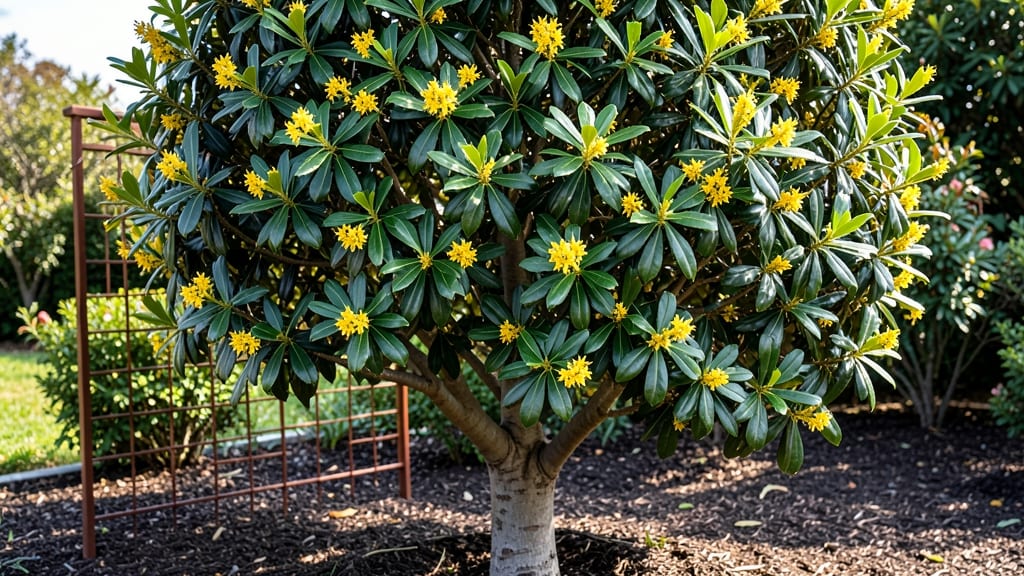
This striking holly tree with yellow flowers, Ilex × 'Golden Glory', bursts into bloom each spring like a burst of sunshine against evergreen leaves—especially dazzling in Pacific Northwest gardens. 🌟 The bright flowers contrast beautifully with its dark green foliage, and the berries add winter color, making it a year-round stunner.
I planted mine last fall, and the first flush of yellow blossoms last April completely transformed my yard.
The secret to growing this holly successfully starts with full sun—at least 6 hours daily—and well-draining soil rich in organic matter. Pacific Northwest gardens often have acidic soil, which this holly thrives in, but avoid waterlogged spots.
Once established, it’s drought-tolerant, though young trees appreciate consistent moisture. Prune in late winter to shape and encourage dense growth before the flowers appear.
You’ll love how this holly stays compact (10–15 feet tall) while delivering bold seasonal interest—fragrant spring blooms, glossy summer foliage, and red berries that persist through winter. The key to flowering?
Avoid heavy pruning after spring, and feed lightly in early spring with an acidic fertilizer. Even in rainy climates, it stays healthy with proper care.
Common challenges include sparse flowering or yellowing leaves—usually signs of overwatering or poor drainage. If you spot aphids, a strong spray of water often clears them up. This holly handles urban pollution well, making it perfect for city gardens too. Ready to add a sun-loving evergreen with year-round flair?
📚 In This Guide
- What you need
- Instructions
- Tips and common mistakes
- Wrapping up and next steps
What you need
- ● Holly tree with yellow flowers (Ilex verticillata 'Golden Glow') – 1 nursery-grown sapling (3–5 gallons, 2–3 feet tall).
- ● Well-draining soil mix – 1 bag of organic potting soil (if planting in containers) or amended native soil (for in-ground planting).
- ● Garden gloves – 1 pair (for protection while handling soil and plants).
- ● Trowel or shovel – 1 medium-sized (for digging holes).
- ● Watering can or hose with a gentle spray nozzle – For consistent hydration.
- ● Mulch (pine bark or wood chips) – 2–3 cubic feet (to retain moisture and regulate soil temperature).
- ● Slow-release fertilizer (10-10-10 or balanced organic) – 1 small bag (for initial planting and seasonal feeding).
- ● Pruning shears – For shaping or trimming as needed.
- ● Soil pH tester kit – To ensure your soil is slightly acidic (pH 5.0–6.5).
- ● Container or raised bed – If you prefer growing in pots (choose a 15+ gallon container with drainage holes).
- ● Epsom salt (magnesium sulfate) – 1 small bottle (for yellowing leaves, if needed).
- ● Frost cloth or burlap wrap – For young trees in colder zones (USDA 6–9).
Step-by-step guide for cultivating Pacific Northwest holly trees with striking yellow flowers
Here's how to establish these sun-loving evergreens with minimal fuss.
🌱 Step 1: Select and Prepare the Planting Site
Choose a location with full sun to partial shade—at least 6 hours of direct sunlight daily—and well-draining soil. Pacific Northwest clay often needs amending: mix in 3-4 inches of compost and 1 inch of coarse sand to improve aeration. Test the pH—holly thrives in slightly acidic soil (pH 4.5-6.0).
Dig a hole twice as wide as the root ball but only as deep—planting too deep suffocates roots. Loosen the edges of the hole with a shovel to encourage root spread. I always rake the bottom to remove any rocks or clumps that could restrict growth.
🪴 Step 2: Plant and Stake for Stability
Remove the holly from its container and gently tease apart any circling roots. Place the plant in the hole so the top of the root ball sits level with the surrounding soil—burying the trunk crown invites rot. Backfill with the amended soil mix, pressing lightly to eliminate air pockets.
Water deeply to settle the soil, then add 2-3 inches of organic mulch (like cedar chips) around the base, keeping it 6 inches away from the trunk. Install a 5-foot stake on the windward side and secure the tree with 3 crisscrossed ties—this prevents flopping in Pacific Northwest's frequent storms. Water again until the soil is evenly moist to 12 inches deep.
☀️ Step 3: Establish Watering and Fertilizing Routines
For the first 30 days, water 2-3 times weekly—enough to keep the soil consistently moist but not soggy. After that, holly becomes drought-tolerant once established, but deep watering every 7-10 days maintains vibrant foliage and those showy yellow spring blooms. I test moisture by pushing a finger 3 inches into the soil—if it's dry, it's time to water.
Apply a balanced, slow-release fertilizer (10-10-10) in early spring and again after flowering. Follow package rates—over-fertilizing causes salt buildup that burns roots. I avoid high-nitrogen blends; they promote leafy growth at the expense of those prized yellow flowers.
✂️ Step 4: Prune for Shape and Flower Health
Prune immediately after flowering (late spring) to shape the tree and encourage next year's blooms. Remove any dead, crossing, or inward-growing branches first—these compete for energy. Then thin out 10-15% of the canopy to improve air circulation, which prevents fungal issues common in Pacific Northwest's damp summers.
Never prune in fall—new growth won't harden off before winter. I use clean, sharp pruners and seal larger cuts with pruning sealant to prevent disease entry. For mature trees, I limit pruning to no more than 25% of the canopy per year—holly responds poorly to drastic cuts.
Tips & tricks for perfect Pacific Northwest holly trees with yellow flowers
Here's what I've learned after years of growing these showstopping evergreens in the Pacific Northwest.
Soil Preparation Strategy: That 3-4 inches of compost and 1 inch of coarse sand mix is non-negotiable for our heavy clay soils. I like to add a handful of sulfur to the hole when planting—it helps maintain that ideal pH 4.5-6.0 range holly loves. The sulfur breaks down slowly, giving you consistent acidity without the risk of over-acidification. For existing trees, work compost into the top 6 inches of soil annually to maintain fertility without compacting the roots.
Staking Technique: The 5-foot stake and 3 crisscrossed ties are essential, but here's my secret: I add a second stake on the opposite side for the first year, even if it doesn't seem necessary. Pacific Northwest's summer winds can be deceptive—what feels like a gentle breeze can topple a young tree when combined with saturated soil. Remove the extra stake after the first growing season if the tree shows good stability.
Watering Visual Cue: When testing soil moisture with your finger 3 inches down, aim for the texture of a damp sponge—not wet, not dry. In our rainy climate, I often find the real issue isn't underwatering but poor drainage. If water pools around the base after watering, you need to amend that soil with more sand or consider raised beds for better root health.
Pro Tips for Holly Tree With Yellow Flowers
- Here's what I've learned after years of growing these showstopping evergreens in the Pacific Northwest.
- Soil Preparation Strategy: That 3-4 inches of compost and 1 inch of coarse sand mix is non-negotiable for our heavy clay soils.
- Staking Technique: The 5-foot stake and 3 crisscrossed ties are essential, but here's my secret: I add a second stake on the opposite side for the first year, even if it doesn't seem necessary.
Frequently asked questions
What’s the best time to plant a holly tree with yellow flowers in the PNW?
Plant your holly tree with yellow flowers in early spring (March–April) or fall (September–October). This gives roots time to establish before summer heat or winter frost. Avoid planting in extreme heat—soil stays moist longer in cooler months, reducing transplant shock. Pro tip: Water deeply after planting and mulch to retain moisture.
How much sunlight does this holly tree need?
While it tolerates partial shade, your yellow-flowering holly thrives in full sun (6+ hours daily). In the PNW’s cooler climates, morning sun + afternoon shade can prevent leaf scorch. If leaves yellow or drop, it may need more light—or better drainage. Watch for: Brown edges = too much sun; pale leaves = too little.
Why aren’t my holly tree’s yellow flowers blooming?
Yellow holly blooms (like Ilex × ‘Dansuke’) need 3–4 years to mature before flowering. Common culprits for no blooms:
- Young age – Patience! Focus on healthy growth first.
- Over-fertilizing – Too much nitrogen = leafy growth, fewer flowers.
- Stress – Check for pests (aphids, spider mites) or root rot.
Try a balanced fertilizer (10-10-10) in early spring to encourage blooms.
Can I grow this holly tree in a container?
Yes! Dwarf varieties (like ‘Soft Touch’) adapt well to containers. Use a 15–20 gallon pot with drainage holes and a mix of potting soil + perlite. Repot every 2–3 years. Key tip: Move containers indoors or to a sheltered spot if temps drop below 15°F—PNW winters can be harsh!
How do I prune a holly tree with yellow flowers?
Prune in late winter or early spring before new growth starts. Remove:
- Dead/diseased branches
- Crossing or crowded branches
- Overly leggy stems to encourage bushier growth
Avoid heavy pruning—holly trees bloom on old wood. Pro tip: Sanitize tools with rubbing alcohol to prevent disease spread.
Does this holly tree need winter protection in the PNW?
Most yellow-flowering hollies (e.g., Ilex × ‘Dansuke’) are hardy to USDA Zone 6, but young trees or coastal areas may need help. Wrap the trunk with burlap if temps dip below 10°F, and mulch heavily (3–4 inches). Watch for: Frost damage on new growth—trim back affected branches in spring.
Wrapping up and next steps
Growing a holly tree with yellow flowers in your Pacific Northwest garden is a rewarding way to add vibrant color and texture while supporting local ecosystems. With the right soil, sunlight, and care, this sun-loving evergreen thrives beautifully—whether as a striking focal point or a lush backdrop. 🌿
Ready to transform your outdoor space? Start by selecting the perfect spot (well-drained soil, full sun) and gather your supplies. Then, plant with confidence, knowing your efforts will bloom into a stunning, low-maintenance addition to your garden. Happy planting! 🌸