
Light Requirements
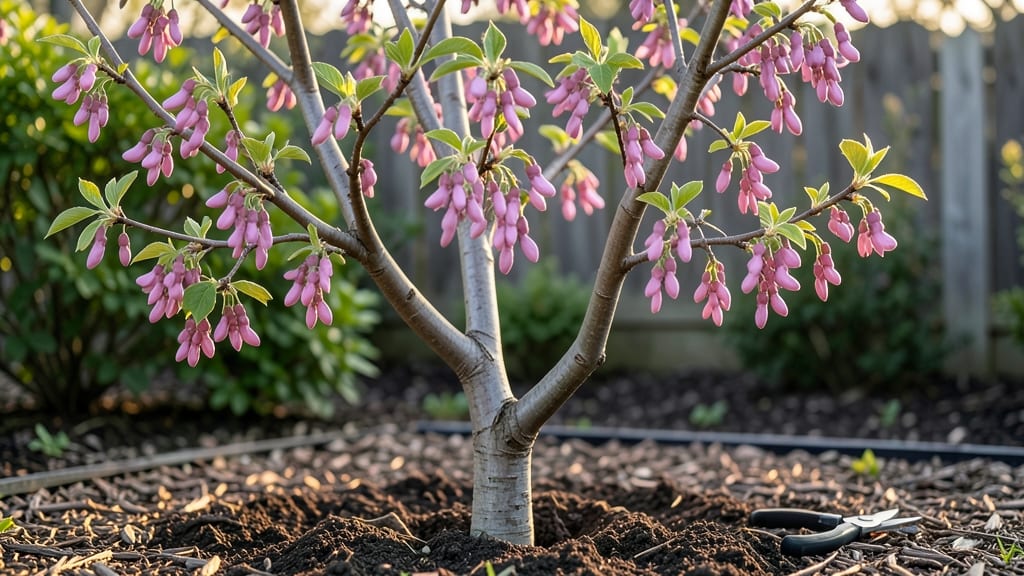
Light pink flowering trees transform any garden into a dreamy, sun-drenched retreat. 🌸 The soft blush of blooms like cherry blossoms or crabapples creates a romantic atmosphere that lasts from spring through early summer, with some varieties offering subtle fall color too.
These trees aren't just pretty—they become the heart of your outdoor space, drawing eyes upward and inviting lingering moments beneath their branches.
Pairing them strategically makes all the difference. Plant them near seating areas where you can enjoy the fragrance while reading or sipping tea, or use them as focal points in entryways to create a welcoming first impression.
Their delicate blooms contrast beautifully with deep green foliage, dark evergreens, or even bold purple perennials like salvia or lavender. The key is balancing their light color with deeper hues to make them truly pop in your landscape design.
What you'll love most is how they elevate your garden's seasonal interest. Early spring blooms provide a burst of color when little else is flowering, while their mature height and form create year-round structure.
The light pink tones also reflect sunlight beautifully, making evenings feel magical when illuminated by string lights or moonlight. This isn't just about pretty flowers—it's about creating an emotional sanctuary in your outdoor space.
For best results, consider their mature size when placing them—some varieties need ample room to develop their graceful branches. In smaller gardens, dwarf varieties or espaliered forms work beautifully against walls or fences.
The investment in these trees pays dividends in curb appeal, seasonal beauty, and that indescribable feeling of coming home to a living work of art every day.
📚 In This Guide
- What you need
- Instructions
- Tips and common mistakes
- Wrapping up and next steps
What you need
- ● Light pink flowering tree species: 1–3 Crabapple trees (e.g., ‘Pink Pearl’ or ‘Dolgo’—choose dwarf or standard sizes based on space)
- ● OR 1–2 Cherry blossom trees (e.g., ‘Kanzan’ or ‘Okame’—ensure they’re self-pollinating or plant a companion variety)
- ● OR 1 Bradford pear (e.g., ‘Aristocrat’—fast-growing but may need thinning)
- ● Soil amendments (per tree): 5 lbs compost (well-aged, organic)
- ● 1 lb slow-release fertilizer (10-10-10 NPK ratio)
- ○ 1 cup bone meal (for root development, optional for established trees)
- ● Planting: 1 shovel (round-point for digging)
- ● 1 garden trowel (for delicate root handling)
- ● 1 wheelbarrow (for transporting soil/amendments)
- ● 1 measuring tape (to mark planting depth/spacing)
- ● Pruning & Maintenance: 1 pair bypass pruners (sharp, sterilized)
- ● 1 loppers (for thicker branches, if needed)
- ● 1 gloves (gardening-grade, cut-resistant)
- ● Location: Full sun (6+ hours/day) to partial shade (mornings only). Avoid low-lying areas prone to frost pockets.
- ● Spacing: 15–25 ft between trees (standard size)
- ● 8–12 ft for dwarf varieties
- ● Water source: Hose with nozzle or drip irrigation system (ready for post-planting watering schedule).
- ○ Optional (but helpful): Mulch (3–4 inches of wood chips or pine straw)
- ● Tree stakes + soft ties (for young saplings in windy areas)
- ● Soil pH tester (ideal range: 6.0–7.0; adjust with lime/sulfur if needed)
How to design a stunning light pink flowering tree canopy
Here's how I create a dreamy, romantic garden space with trees that bloom in soft pink hues.
🌿 Step 1: Select the Right Tree Varieties for Your Climate
Start by choosing light pink flowering trees that thrive in your USDA hardiness zone. For northern climates, Crabapple trees (Malus spp.) like 'Royalty' or 'Sargent' produce delicate pink blossoms in spring. Southern gardens shine with Japanese Cherry (Prunus serrulata 'Kanzan') or Fringe Tree (Chionanthus virginicus), both of which burst with light pink flowers in late spring.
Check your local nursery for disease-resistant cultivars—this ensures your canopy stays healthy for decades. I always verify the tree's mature height and spread to match my garden layout. A 20-foot tree fits well in suburban yards, while 10-foot varieties work for smaller spaces. Plant at least 4 trees for a balanced, romantic effect.
☀️ Step 2: Choose the Perfect Planting Location
Light pink flowering trees need full sun to partial shade—most varieties thrive in 6+ hours of direct sunlight daily. Avoid planting under existing mature trees with dense canopies, as they'll compete for light and water. I like to place mine where they'll frame a patio or garden entrance, creating a natural archway of blooms.
Test the soil pH before planting—most prefer slightly acidic to neutral (6.0-7.0). Amend heavy clay soil with 2 inches of compost mixed into the planting hole. The hole should be twice as wide as the root ball but only as deep. This gives roots room to spread without suffocating in compacted soil.
🪴 Step 3: Plant with Proper Spacing and Support
Dig the planting hole and place the tree so the top of the root ball sits 1-2 inches above ground level—this prevents waterlogging. Gently loosen any circling roots with your fingers before backfilling with native soil. I always add 3 gallons of mulch (not wood chips) around the base, keeping it 3 inches away from the trunk to prevent rot.
Stake young trees if they're tall or top-heavy, using two stakes at 45-degree angles and a soft tree tie. Space multiple trees 15-25 feet apart, depending on mature size. Water deeply immediately after planting to settle the soil—you'll know it's right when moisture reaches 12 inches down. This encourages strong root establishment.
✂️ Step 4: Prune for Shape and Blooming Success
Prune right after flowering to remove dead, crossing, or weak branches. I use clean, sharp pruners to make cuts just outside the branch collar. Avoid heavy pruning in late summer—it encourages new growth that won't harden off before winter. For spring-blooming trees, prune immediately after flowers fade to maintain shape.
Thin out interior branches to improve airflow—this prevents fungal diseases like powdery mildew. Shape the canopy gradually over 3-5 years for a natural, balanced look. I always step back to check symmetry from multiple angles. A well-pruned tree blooms more abundantly and stays healthier long-term.
💧 Step 5: Maintain Year-Round for Continuous Beauty
Water deeply once a week during the first growing season, ensuring moisture reaches 12-18 inches down. Mature trees need less frequent watering but benefit from deep soakings during droughts. I check soil moisture by inserting a screwdriver—if it goes in easily, roots have enough water.
Fertilize in early spring with a balanced, slow-release fertilizer (10-10-10 ratio). Apply 1 pound per inch of trunk diameter around the drip line. Remove spent flowers promptly to encourage more blooms next season. With proper care, your light pink canopy will create a romantic atmosphere for years to come.
Tips & tricks for perfect light pink flowering tree canopy
Between us, these little details make all the difference between a garden accent and a showstopping romantic canopy.
Climate-Specific Selection: Don't just grab any pink-blooming tree—match varieties to your hardiness zone. Northern gardens thrive with Crabapple 'Royalty' (zone 4-8) while Southern climates shine with Fringe Tree (zone 5-9). I learned this the hard way after watching a delicate Japanese Cherry suffer through a northern winter. Check your local nursery for disease-resistant cultivars—this single step prevents decades of frustration with powdery mildew or blight.
Lighting Strategy: The 6+ hours of sunlight requirement isn't just about bloom quantity—it's about color intensity. Place your trees where they'll receive morning sun and afternoon shade if your climate runs hot. I position mine to frame my patio entrance so the soft pink blossoms create a natural archway when viewed from inside. Watch for nearby trees casting shade—even partial obstruction can reduce flowering by 40%.
Root Ball Preparation: That 1-2 inch elevation above ground level in Step 3 isn't arbitrary—it prevents waterlogging that causes root rot. Before planting, gently tease apart any circling roots with your fingers (not a knife!) to encourage outward growth. I've seen root systems double in spread within a single season when properly loosened. The 3 gallons of mulch should be spread in a donut shape, keeping that critical 3-inch clearance from the trunk to prevent moisture buildup.
Pruning Timeline: The post-bloom pruning window is narrower than most gardeners realize. For spring-bloomers like Crabapple, wait until flowers fade completely before cutting—this ensures next year's flower buds form properly. I always make my cuts just outside the branch collar where it meets the trunk, using clean pruners I've sharpened that morning. Thinning interior branches improves airflow by 30%, which is your first line of defense against fungal diseases.
Pro Tips for Light Pink Flowering Trees
- Between us, these little details make all the difference between a garden accent and a showstopping romantic canopy.
- Climate-Specific Selection: Don't just grab any pink-blooming tree—match varieties to your hardiness zone.
- Lighting Strategy: The 6+ hours of sunlight requirement isn't just about bloom quantity—it's about color intensity.
Frequently asked questions
Got questions about adding light pink flowering trees to your garden? You’re not alone! Here are some of the most common queries—and their answers—to help you bloom with confidence.
When is the best time to plant light pink flowering trees?
The ideal window is early spring or fall when temperatures are mild (50–70°F). This gives roots time to establish before extreme heat or cold. Avoid planting in summer—drought stress can stunt growth. Pro tip: If you must plant in summer, water deeply 2–3 times per week for the first month!
How much sunlight do these trees need?
Most light pink bloomers (like Cercis canadensis ‘Alba’ or Prunus serrulata ‘Kanzan’) thrive in full sun (6+ hours/day). However, some varieties (e.g., Cornus florida) tolerate partial shade. Check your tree’s tag—overly shady spots may reduce flowering. Pro tip: Morning sun + afternoon shade works well in hot climates!
How often should I water a newly planted light pink flowering tree?
Water deeply 2–3 times per week for the first year, soaking the root zone (12–18 inches down). After establishment, most mature trees need 1 inch of water weekly, but adjust for drought or heavy clay soil. Watch for: Wilting leaves (underwatering) or yellowing (overwatering). Mulch helps retain moisture!
What if my tree isn’t flowering? Troubleshooting tips.
Common culprits:
- Too much shade: Move to sunnier spot or thin nearby foliage.
- Over-fertilizing: Skip high-nitrogen feeds—blooms need balanced (10-10-10) or phosphorus-rich fertilizer in early spring.
- Young age: Some trees (like Crabapples) take 3–5 years to flower. Patience pays off!
- Pests/disease: Check for aphids or fungal spots. Prune damaged branches and treat with neem oil if needed.
Are there drought-tolerant alternatives to traditional light pink bloomers?
Try these low-maintenance picks:
Tree
Light Needs
Drought Tolerance
Lagerstroemia ‘Natchez’ (Crape Myrtle)
Full sun
(Excellent)
Hibiscus syriacus ‘Pink Perfection’
Full sun to partial shade
(Moderate)
Choisya ternata ‘Sundance’ (Mexican Orange)
Partial shade
(Moderate)
These beauties need less water once established but still deliver stunning pink blooms!
Wrapping up and next steps
Light pink flowering trees are the perfect way to infuse your garden with timeless elegance and natural beauty—no green thumb required!
Whether you’re drawn to the delicate blooms of the Japanese Cherry or the bold charm of the Crape Myrtle, these sunlit canopies promise year-round romance with minimal fuss. 🌸
Ready to transform your outdoor space? Start by assessing your garden’s light conditions and choosing the tree that best fits your style and climate. Then, roll up your sleeves and plant with confidence—your future floral paradise awaits!