
Companion Plants
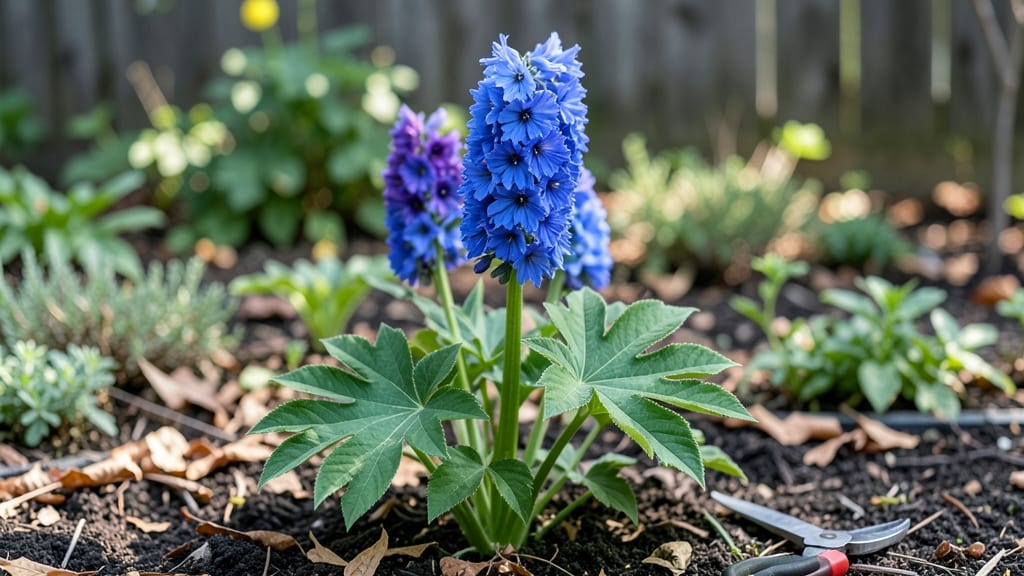
Blue flowering plants transform gardens into serene, high-impact spaces without the fuss of constant watering. 🌿 I’ve designed drought-tolerant combinations that thrive on neglect—think delphiniums reaching skyward, salvias humming with bees, and lobelias spilling over edges—all while demanding minimal care.
The secret lies in their natural resilience and strategic placement where water drains quickly.
These plants work together beautifully: pair deep blues like Russian sage with silvery foliage to create contrast, or combine lighter lavender-blue lobelias with warm oranges for a striking pop. Most bloom from late spring through fall, giving you color from May through October with almost no effort.
They’re perfect for sunny borders, containers, or mixed beds where you want drama without the upkeep.
What you’ll end up with is a garden that feels effortlessly polished—cool-toned blooms that stand out against green foliage while attracting pollinators all season. The best part?
Once established, they handle dry spells like champions, making them ideal for water-conscious gardeners. Let’s dive into the exact plants and pairings that deliver this look.
Whether you’re working with a small patio container or a sprawling border, these combinations adapt easily. For hot climates, prioritize salvias and catmint; in cooler regions, delphiniums and hydrangeas shine.
The key is matching plants to your local conditions while keeping the color palette cohesive. Ready to create a low-maintenance blue paradise?
📚 In This Guide
- What you need
- Instructions
- Tips and common mistakes
- Wrapping up and next steps
What you need
- ● Blue flowering plants (choose 3–5 varieties): 1 Agapanthus (perennial, 1–2 ft tall)
- ● 3 Salvia nemorosa (dwarf variety, 1–2 ft tall)
- ● 5 Nepeta 'Walker’s Low' (catmint, 1–2 ft tall)
- ● 1 Delphinium (tall variety, 3–5 ft tall, for drama!)
- ● 5 Ceratostigma plumbaginoides (leadwort, 1–2 ft tall, great for borders)
- ● Well-draining potting mix: 5–10 gallons (depending on pot size)
- ● Organic compost: 1–2 cups per plant (for nutrient boost)
- ● Slow-release fertilizer (10-10-10 or similar): 1 tbsp per plant
- ● Garden gloves & trowel: 1 pair and 1 medium-sized
- ● Watering can or hose with gentle spray nozzle: 1
- ● Mulch (gravel, pebbles, or wood chips): Enough to cover soil surface (2–3 inches)
- ● Blue-tinted mulch: For a cohesive, polished look
- ● Epsom salt (magnesium sulfate): 1 tsp per gallon of water (boosts blue hues in flowers!)
- ● Drip irrigation system: For automated, low-water care
- ● Companion plants: Pair with silver foliage (e.g., Artemisia) for contrast
- ● Decorative rocks or stepping stones: To define planting areas
Step-by-step guide to designing a drought-tolerant blue flower garden
Here's how to create a stunning, water-wise blue flower display that thrives with minimal fuss.
🌱 Step 1: Select the Right Blue-Blooming Species
Start with proven drought-tolerant blue flowers like salvia, lavender, and agastache. These plants naturally store water in their thick leaves and stems, making them perfect for low-maintenance gardens. I always choose varieties with silvery foliage—it reflects sunlight and reduces water loss even more.
For maximum impact, include a mix of heights: lavender (18-24 inches), salvia (2-4 feet), and agastache (2-3 feet). This creates visual layers while keeping the design balanced. Check each plant's mature size before purchasing to avoid overcrowding—blue flowers need good air circulation to prevent fungal issues.
☀️ Step 2: Prepare the Planting Site for Water Efficiency
Choose a location with full sun exposure (6+ hours daily) to maximize drought tolerance. Blue flowers thrive in well-draining soil, so amend heavy clay with 2-3 inches of coarse sand or gravel mixed into the top 12 inches of soil. This prevents water pooling around roots, which can cause rot.
Here's the thing—mulch is non-negotiable. Spread 2-3 inches of organic mulch (like wood chips) around each plant, keeping it 2 inches away from stems to prevent moisture buildup. This mulch layer locks in soil moisture while suppressing weeds that compete for water. Water deeply right after planting to settle the soil and encourage root growth.
💧 Step 3: Establish a Watering Routine That Works
Water deeply but infrequently—this is the key to drought tolerance. Soak the soil to 12 inches deep every 7-10 days during the first growing season. You'll know you've watered enough when water runs out the drainage holes if planted in containers, or when the top 4 inches of soil feel moist in the ground.
After the first year, most blue perennials will establish deep root systems and need watering only during prolonged dry spells. I always check soil moisture by digging a finger down 2-3 inches—if it feels dry, that's your cue. Avoid overhead watering, especially in the evening, as it promotes fungal diseases in blue-flowering plants.
✂️ Step 4: Maintain with Minimal Effort
Deadhead spent blooms regularly to encourage continuous flowering—this is especially important for salvia and agastache, which reward you with long seasons of color. I use clean, sharp pruners and cut just above a set of healthy leaves to promote bushier growth. Never cut into old wood, as blue-flowering perennials often bloom on new growth.
Fertilize lightly in early spring with a balanced, slow-release fertilizer (10-10-10) to support new growth without encouraging excessive foliage that competes with flowers. Blue flowers generally don't need much feeding—over-fertilizing leads to weak stems and fewer blooms. Monitor for pests like aphids, but most drought-tolerant blue flowers are naturally resistant.
Tips & tricks for perfect drought-tolerant blue flower gardens
These simple yet powerful strategies will help your blue flowering plants thrive with minimal effort and maximum beauty.
Selection Tip: When choosing blue-flowering varieties, prioritize those with silvery foliage—it's nature's built-in water conservation feature. Look for salvia varieties like 'May Night' or 'Bee's Bliss' which have thick, fleshy leaves that store moisture. For agastache, 'Blue Fortune' is a standout performer with deep blue spikes that attract pollinators while requiring almost no attention. These varieties naturally resist drought once established.
Soil Preparation Strategy: The 2-3 inches of coarse sand or gravel mixed into your top 12 inches of soil isn't just about drainage—it's about creating an air pocket system that prevents compaction. I like to add perlite to the mix for extra porosity. For heavy clay soils, consider creating raised beds where you can control the soil composition entirely. This gives your blue flowers the perfect foundation to develop deep root systems that reach water sources naturally.
Watering Wisdom: That 7-10 day watering interval might seem long, but it's crucial for developing drought tolerance. Use a moisture meter to verify when the top 4 inches are dry—this is more reliable than guessing. For container plants, let water run through completely to ensure thorough hydration. The key is to mimic natural rainfall patterns: deep soakings that penetrate deeply rather than frequent light waterings that only wet the surface.
Pruning Pro Tip: When deadheading salvia and agastache, don't just cut off the spent blooms—snip back to the first set of healthy leaves below the flower cluster. This encourages bushier growth and prevents leggy stems. For lavender, I use a technique called "pinching" where I gently rub my fingers over the new growth to encourage branching. This creates that lush, full look while keeping the plants compact and manageable.
Pro Tips for Blue Flowering Plants
- These simple yet powerful strategies will help your blue flowering plants thrive with minimal effort and maximum beauty.
- Selection Tip: When choosing blue-flowering varieties, prioritize those with silvery foliage—it's nature's built-in water conservation feature.
- Soil Preparation Strategy: The 2-3 inches of coarse sand or gravel mixed into your top 12 inches of soil isn't just about drainage—it's about creating an air pocket system that prevents compaction.
Frequently asked questions
Got questions about growing blue flowering plants in your drought-tolerant garden? You’re not alone! Here are some of the most common queries—and their easy, practical answers to help you succeed.
Which blue flowering plants are the easiest for beginners?
Start with Agapanthus (African lily), Salvia (sage), or Delosperma (ice plant). These thrive in dry conditions, require minimal fuss, and pack vibrant blue blooms. For containers, try Lobelia—it’s compact and loves partial shade!
When is the best time to plant blue flowers for year-round color?
Plant perennials like Agapanthus or Salvia in early spring (after the last frost) or fall (6 weeks before your first frost). Annuals like Petunia or Lobelia can go in late spring once soil warms up. Pro tip: Delosperma blooms spring to fall—plant it in early spring for instant impact!
How often should I water drought-tolerant blue flowers?
Once established (after 2–3 months), most blue flowering plants need water every 1–2 weeks, depending on your climate. Agapanthus and Salvia are especially forgiving—let the soil dry out between waterings. Newly planted specimens may need weekly watering until roots settle in.
What can I do if my blue flowers aren’t blooming?
Check these fixes:
- Light: Most blue flowers need full sun (6+ hours/day). Move them if they’re in shade.
- Deadheading: Snip spent blooms to encourage more flowers.
- Fertilizer: Use a low-phosphorus, high-potassium feed (like 5-10-10) in spring.
- Age: Some perennials (like Agapanthus) take 2–3 years to bloom fully.
Are there non-toxic blue flowers safe for pets?
Yes! Salvia nemorosa and Lobelia erinus are pet-friendly (non-toxic to dogs/cats). Avoid Delphinium (toxic) or Hydrangea (mildly toxic). When in doubt, check the ASPCA’s plant list before planting.
Wrapping up and next steps
Transforming your garden into a drought-resistant paradise with blue flowering plants is easier—and more rewarding—than you think! From lavender’s soothing hues to salvia’s bold spikes, these low-maintenance beauties bring color, pollinators, and peace of mind to any space. 🌿✨
Ready to elevate your outdoor oasis**? Start small—pick one or two blue bloomers to test your soil and sunlight conditions, then expand as you gain confidence. Whether you’re a green thumb or a beginner, these plants prove that stunning gardens don’t require constant care. Happy planting!