
Companion Plants
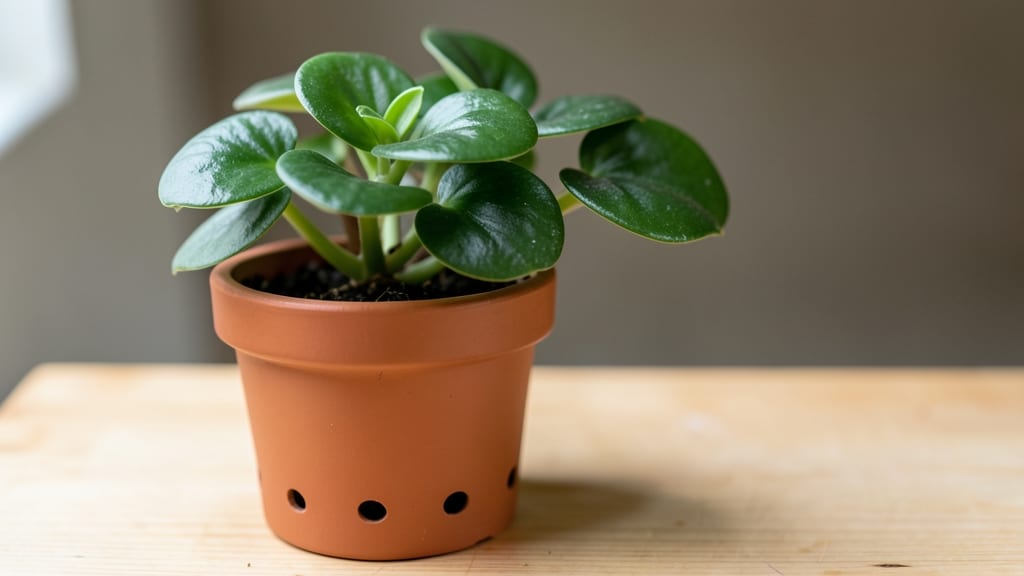
Indoor flowering house plants bring color to my grayest winter days—no greenhouse or sunny patio required. 🌸 The secret isn’t fancy equipment but matching the right plant to your light, watering rhythm, and humidity quirks.
My African violets still bloom in my dim office, while my orchids thrive under my grow light, proving even apartments can rival botanical gardens.
Start with low-maintenance stars like peace lilies, spider plants, or wax begonias—they forgive mistakes and reward consistency. You’ll need pots with drainage, a spray bottle for humidity, and a simple watering schedule: let the top inch dry between drinks.
The payoff? Flowers that last months, not weeks, and foliage so lush it makes your space feel alive.
Here’s the game-changer: most indoor blooms need bright, indirect light—not harsh sun—and cooler nights trigger more flowers. Rotate plants weekly so they grow evenly, and pinch back dead blooms to encourage new ones. Within weeks, you’ll have a windowsill full of color that outshines any store-bought bouquet.
Works for tiny apartments or sprawling homes—just adjust light and space. Let’s get those blooms going strong all year.
📚 In This Guide
- What you need
- Instructions
- Tips and common mistakes
- Wrapping up and next steps
What you need
- ● Flowering House Plants: Choose 1-3 low-light or medium-light tolerant varieties like African Violet, Peace Lily, or Orchids (1-2 plants per container).
- ● Containers: 1-3 pots with drainage holes (6-12 inches in diameter, depending on plant size).
- ○ Optional: Decorative cache pots (1-2) for aesthetic appeal.
- ● Potting Mix: 1-2 bags of well-draining, peat-based or cactus/succulent mix (1-2 cubic feet per plant).
- ● Drainage Material: Small pebbles or perlite (1 cup per pot).
- ● Watering Can: 1 with a narrow spout for precise watering.
- ● Fertilizer: Balanced liquid fertilizer (e.g., 10-10-10, 1-2 bottles).
- ○ Optional: Slow-release granules (1 packet).
- ● Plant Food: 1 bottle of bloom-boosting fertilizer (e.g., 20-20-20).
- ● Pruning Shears: 1 pair for trimming dead blooms or foliage.
- ● Humidity Tray or Spray Bottle: 1 for maintaining moisture-loving plants.
- ● Light Source: South- or east-facing window (or grow lights for 12-16 hours/day).
- ● Temperature Control: Keep between 65-75°F (18-24°C).
- ● Patience & Consistency: Flowering takes 4-12 weeks, depending on the plant!
- ○ Optional: Self-watering pots for convenience.
- ● Plant stands or shelves to optimize light exposure.
- ● Soil moisture meter to track hydration needs.
Step-by-step guide to reviving indoor flowering house plants
Bring your blooms back to life with this light-focused care routine.
🌱 Step 1: Assess Light Requirements for Each Plant
Start by identifying your plants' native light needs—most flowering houseplants fall into three categories: low light (like peace lilies), medium light (like African violets), or bright indirect light (like orchids). Move plants to their ideal spot within 24 hours to prevent stress. You'll notice leaves adjusting within 7-10 days—new growth will be darker green in low light and slightly lighter in bright conditions.
Here's the thing—many homes have inconsistent light. If your plants are near a west-facing window, they'll get strong afternoon sun that can scorch leaves. Rotate pots quarter-turn weekly so all sides receive even exposure. Watch for yellowing leaves on one side—they're begging for repositioning.
☀️ Step 2: Supplement Natural Light Strategically
For plants needing 6+ hours of light daily, a grow light becomes essential. Position a full-spectrum LED 2-4 inches above the plant and run it for 12-14 hours daily. I use a timer to automate this—consistency matters more than intensity. You'll see flowers budding within 4-6 weeks if light levels improve.
Don't skip the warm-up period. If you're introducing artificial light, increase exposure gradually over 3-5 days. Sudden bright light shocks plants, causing leaves to drop. Place the light at 6 inches away initially, then adjust upward as you notice new growth reaching toward it.
💧 Step 3: Adjust Watering Based on Light Changes
Light intensity directly affects moisture needs. Plants in low light need watering every 7-10 days, while those under grow lights may require water every 5-7 days. Stick your finger 1 inch deep into the soil—if it's dry, it's time. Overwatering in bright conditions leads to root rot, while underwatering in low light causes buds to drop.
Use room-temperature water to avoid shocking roots. I always water in the morning so excess moisture evaporates by evening. Watch for wilting leaves—this is your plant's SOS signal. Most flowering plants prefer slightly dry soil between waterings, especially those in bright light.
✂️ Step 4: Prune and Encourage Continuous Blooming
Deadhead spent flowers immediately to redirect energy into new blooms. Use clean, sharp scissors to cut stems just above a leaf node. This prevents leggy growth and encourages bushier, more productive plants. You'll notice new buds forming within 2-3 weeks if you're consistent.
For plants like African violets, pinch back leggy stems to promote compact growth. Never cut more than one-third of the plant at once—this shocks the system. Fertilize lightly with a balanced 10-10-10 solution every 4-6 weeks during active growth. The key is patience—reviving flowering plants takes 8-12 weeks of consistent care.
Tips & tricks for perfect indoor flowering house plants
Don't let inconsistent light or care mistakes ruin your plants' revival journey—these insights will help you troubleshoot and optimize every step.
Light Transition Strategy: When moving plants to their ideal light spot within the 24-hour window, do it during overcast conditions or in the evening. This gradual adjustment prevents leaf scorch from sudden light exposure. I've seen plants with crispy edges after direct morning sun placement—trust me, timing matters! The 7-10 day adjustment period is your safety net, but starting right helps prevent stress.
Grow Light Placement Precision: The 2-4 inch distance for grow lights might seem tight, but it's crucial for proper light penetration. Use a ruler to measure—too far and you'll get weak growth, too close and you risk burning. For plants needing 12-14 hours of light, position the light so it covers the entire plant canopy evenly. I always check for brown spots after a few days to ensure proper distance.
Watering Technique Refinement: The finger test for soil moisture works, but here's the pro move: Use your middle finger for deeper testing (1-2 inches down) rather than just the tip. In bright light conditions, the top inch can dry quickly while lower soil stays moist—this is why many plants show wilting before they truly need water. Morning watering is ideal because it mimics natural rainfall patterns and gives roots time to absorb moisture before evening.
Pruning Recovery Timeline: After deadheading, give your plants 2-3 weeks before expecting new buds, but don't be discouraged if it takes longer. Some varieties like African violets respond faster, while others need the full 8-12 week recovery window. The key is consistency—never skip the one-third pruning rule, even if you're eager for new growth. I've seen dramatic turnarounds in plants that were previously struggling after just 6 weeks of proper pruning and care.
Pro Tips for Indoor Flowering House Plants
- Don't let inconsistent light or care mistakes ruin your plants' revival journey—these insights will help you troubleshoot and optimize every step.
- Light Transition Strategy: When moving plants to their ideal light spot within the 24-hour window, do it during overcast conditions or in the evening.
- Grow Light Placement Precision: The 2-4 inch distance for grow lights might seem tight, but it's crucial for proper light penetration.
Frequently asked questions
Got questions about keeping your indoor flowering plants blooming beautifully? You’re not alone! Here are some of the most common concerns—and their solutions—to help you nurture vibrant blooms year-round.
How often should I water my indoor flowering plants?
Watering needs vary by plant, but most flowering houseplants prefer consistently moist (not soggy) soil. Check the top inch of soil—if it’s dry, it’s time to water. Overwatering is a bigger risk than underwatering, so err on the side of caution. Pro tip: Use a pot with drainage holes to prevent root rot!
Why aren’t my indoor flowering plants blooming?
Lack of light, improper care, or seasonal changes often stunt blooms. Most flowering plants need bright, indirect light (like near an east or south-facing window). If they’re not blooming, check for:
- Insufficient light (try a grow light if needed)
- Over-fertilizing (too much nitrogen = leafy growth, not flowers)
- Sudden temperature changes (keep them cozy, ideally 65–75°F)
Can I keep flowering plants in low-light rooms?
Some flowering plants thrive in low light (like Peace Lilies or Zamioculcas), but most need at least 4–6 hours of indirect light daily to bloom. If your space is dim, opt for low-light-tolerant varieties or supplement with a full-spectrum LED grow light (12–14 hours/day). Rotate pots occasionally for even growth!
How do I get rid of pests like spider mites or aphids?
Pests love stressed plants, so start with good airflow and hygiene. For mild infestations, wipe leaves with a soapy water solution (1 tsp mild soap per quart of water). For stubborn pests:
- Spray with neem oil (mix 1 tsp with 1 quart water, reapply weekly)
- Introduce beneficial insects like ladybugs
- Isolate the plant to prevent spreading
What’s the best fertilizer for flowering houseplants?
Use a balanced, water-soluble fertilizer (like 10-10-10 or 20-20-20) specifically labeled for flowering plants. Feed every 4–6 weeks during spring and summer, then reduce in fall/winter. Pro tip: Avoid high-nitrogen fertilizers—they encourage leaves over blooms! For organic options, try fish emulsion or compost tea.
Wrapping up and next steps
Bringing indoor flowering house plants into your home isn’t just about aesthetics—it’s about creating a thriving, vibrant space that lifts your spirits year-round! 🌸 With the right light, care, and a little patience, you can enjoy bursts of color and fresh blooms even in the coziest corners.
Whether you’re a seasoned plant parent or just starting, every petal you nurture is a small victory worth celebrating.
Ready to dive in? Start with one plant—maybe a low-maintenance peace lily or a bold anthurium—and let your green thumb grow! Before you know it, your home will be a blooming paradise. Happy planting! 🌱