
Planting
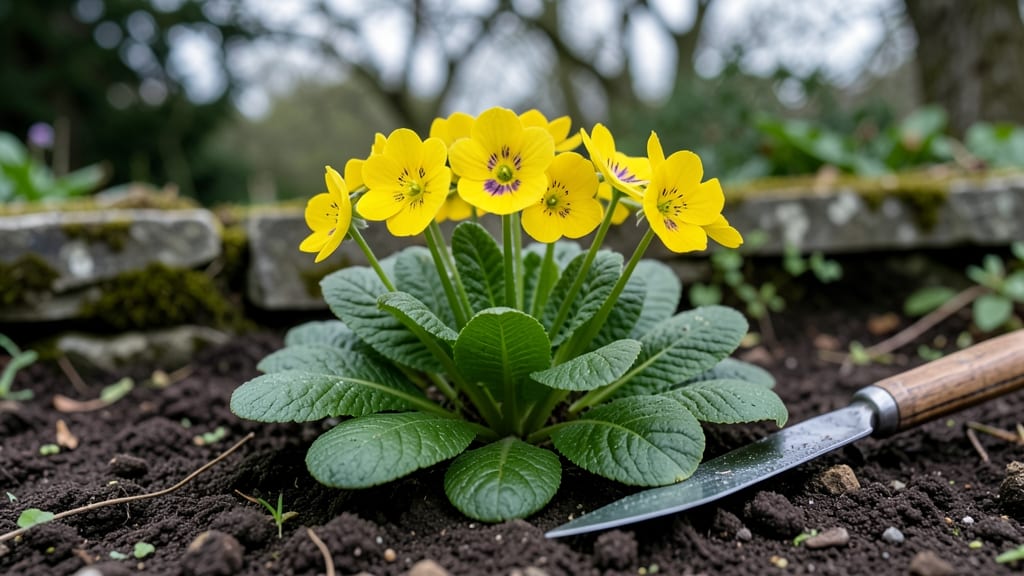
That little yellow flower plant you're admiring might be one of the Pacific Northwest's most resilient bloomers—like coreopsis or black-eyed Susans—thriving where others struggle. 🌱 I've watched these cheerful yellow suns brighten shady corners and droughty slopes, proving they're the unsung heroes of local gardens.
The key is matching their care to their natural toughness: they handle partial shade, poor soil, and even forgetful watering better than most plants.
Most of these plants—like coreopsis with its daisy-like petals or buttercups with their glossy leaves—top out between 12 to 36 inches, making them perfect for borders, wildflower meadows, or even container gardens. They bloom from summer through fall, giving you months of golden cheer without fuss.
The secret to keeping them happy? Well-draining soil (even rocky) and occasional deadheading to encourage more flowers. They're tough enough that they'll forgive you if you skip fertilizing entirely.
You'll love how these plants attract pollinators while staying nearly pest-free—no aphids, no fuss. Plant them near coneflowers or salvias for a long-blooming yellow-and-purple combo that never looks tired.
The best time to plant is in early spring, but they'll pop up just fine if you toss them in during fall too. Once established, they'll spread happily, filling in bare spots with their cheerful faces.
For the PNW's wet winters, these plants handle moisture surprisingly well—just avoid soggy soil. If you're unsure what you have, check the leaf shape: coreopsis has fern-like foliage, while black-eyed Susans have rough, toothed edges.
Either way, you're growing a plant that's as easygoing as it is beautiful. Ready to turn your garden into a yellow paradise?
📚 In This Guide
- What you need
- Instructions
- Tips and common mistakes
- Wrapping up and next steps
What you need
- ● Seeds or seedlings: 1–2 packets of Erigeron karvinskianus or Lupinus arboreus seeds (or 3–5 nursery-grown seedlings for faster blooms).
- ○ Optional: Pre-germinated seeds (save 2–4 weeks of wait time!).
- ● Well-draining soil: 50 lbs of native PNW soil mix (or 70% topsoil + 30% perlite/pumice for rocky areas).
- ● Pro tip: Test soil pH (ideal: 6.0–7.0 for Lupines; 5.5–6.5 for Daisies).
- ● Growing containers or garden bed: For containers: 5–7 gallon pots with drainage holes (1 per plant).
- ● For in-ground: A 6-inch-deep bed with 3–4 feet of spacing between plants.
- ● Watering tools: Watering can (1–2 gallons) or hose with a gentle spray nozzle.
- ○ Optional: Drip irrigation kit for automated care.
- ● Hand trowel (for transplanting seedlings).
- ● Garden gloves (to protect from prickly Lupine stems!).
- ● Mulch: 2–3 inches of cedar chips or straw (retains moisture + suppresses weeds).
- ○ Fertilizer (optional): Balanced 10-10-10 fertilizer (use sparingly—these plants thrive in lean soil!).
- ● PNW tip: Skip fertilizer if planting in native soil—over-fertilizing can reduce blooms!
- ● Pruners (for deadheading spent flowers or shaping plants).
- ● ✅ Sunlight: Full sun (6+ hours/day)—PNW’s partial shade won’t cut it!
- ● ✅ Hardiness Zone: USDA Zones 7–10 (ideal for PNW’s mild winters).
- ● ✅ Water access: Regular deep watering 1–2x/week (drought-tolerant once established!).
Step-by-step guide to cultivating Pacific Northwest native yellow bloomers
Here's how to coax vibrant yellow flowers from hardy PNW natives like erigeron or erodium.
🌱 Step 1: Select and Prepare Your Site
Choose a location with 6-8 hours of sunlight daily—even the toughest PNW yellow bloomers need this much light to thrive. I always test the spot first by observing how long shade lasts; if it's shaded after 10 AM, supplement with a partial shade plant nearby. The Pacific Northwest's mild summers mean you can plant as early as late February in most zones.
Loosen the soil to a depth of 12 inches with a garden fork, breaking up any compacted layers. These plants hate soggy roots, so if your soil drains poorly, amend with 2-3 inches of compost mixed into the top 6 inches. The goal is soil that crumbles easily when squeezed—like a damp sponge.
☀️ Step 2: Plant at the Right Time and Depth
For seeds, sow directly after the last frost date when soil temperatures reach 50°F. I like to plant mine in early April in Western Washington. Press seeds just below the soil surface—no deeper than ¼ inch—since they need light to germinate. Cover lightly with a thin layer of soil or fine mulch, then water gently until the surface looks evenly moist.
For established plants, dig holes twice as wide as the root ball but only as deep. The top of the root ball should sit ½ inch above ground level—settling happens after watering. Space plants 12-18 inches apart depending on the variety; erodium needs more room than erigeron. Water deeply right after planting to eliminate air pockets around the roots.
💧 Step 3: Water Strategically for PNW Conditions
Water deeply once per week during the first growing season, providing 1 inch of water total. The Pacific Northwest's frequent drizzle can make it easy to overlook watering, but these plants need consistent moisture to establish strong roots. Check by sticking your finger 2 inches deep—if it feels dry, water again.
Once established, reduce watering to every 10-14 days unless we experience an extended dry spell. Yellow bloomers in the PNW have adapted to occasional drought; wilting is normal during heatwaves, but the plants bounce back quickly once rains return. Always water at the base to prevent fungal issues from overhead moisture.
✂️ Step 4: Prune and Maintain for Continuous Blooms
Deadhead spent flowers by pinching off the bloom stem just above the next set of leaves. This encourages more blooms and prevents the plant from putting energy into seed production. I do this every 2-3 weeks throughout the growing season, always using clean pruners to avoid spreading disease.
In late summer, cut back the plant by ⅓ of its height to promote fresh growth. This is especially important for perennials that need to rebuild energy for next year. The PNW's mild winters mean many of these plants stay green year-round, so a light pruning in early spring keeps them tidy without harming the plant.
Tips & tricks for perfect Pacific Northwest native blooms
Real talk: These PNW natives are tough but not foolproof—here's how to give them their best shot at thriving.
Light Matters: That 6-8 hour sunlight rule is non-negotiable, but here's the catch: morning sun is more important than afternoon in the PNW. If your spot gets intense afternoon sun, consider a light shade cloth during peak hours (12-3 PM). I've seen erigeron scorch when planted in full western exposure—better to err on the side of morning light dominance.
Soil Science: The 12-inch deep loosening is crucial, but don't stop there. For the top 6 inches where you're adding compost, mix in a handful of perlite or coarse sand if your native soil is particularly dense. This creates those tiny air pockets that prevent waterlogging—something these plants absolutely hate. Think of it as giving their roots a breath of fresh air.
Timing is Everything: When checking soil temperature at 50°F, use a soil thermometer for accuracy—your finger isn't reliable. I've planted too early when temps were still in the 40s, and germination suffered. Pro tip: In coastal areas, wait until mid-April when ocean breezes warm the soil faster. The ¼-inch depth rule applies to both seeds and cuttings—any deeper and they'll suffocate.
Pruning Precision: That ⅓ height cutback in late summer might seem drastic, but it's actually a growth hack. When you remove that much foliage, the plant redirects energy to root development rather than just leaf production. I've seen plants that were cut back aggressively bounce back with more vibrant blooms the following season—it's like giving them a reset button.
Pro Tips for Little Yellow Flower Plant
- Real talk: These PNW natives are tough but not foolproof—here's how to give them their best shot at thriving.
- Light Matters: That 6-8 hour sunlight rule is non-negotiable, but here's the catch: morning sun is more important than afternoon in the PNW.
- Soil Science: The 12-inch deep loosening is crucial, but don't stop there.
Frequently asked questions
Got questions about your little yellow flower plant? You’re not alone! Whether you're a first-time gardener or a seasoned green thumb, these common queries can help you grow with confidence. Here’s what you need to know:
What are the best little yellow flower plants for the Pacific Northwest?
Top picks for the PNW include Erigeron karvinskianus (Seaside Daisy), Coreopsis (Tickseed), and Calendula officinalis (Pot Marigold). These thrive in the region’s mild, wet climate and tolerate partial shade. For native options, Lupinus (Lupine) or Clarkia amoena (Farewell-to-Spring) add vibrant yellow blooms and support local ecosystems.
How long does it take for little yellow flowers to bloom after planting?
Bloom times vary! Annuals like Calendula may flower in 6–8 weeks, while perennials like Coreopsis could take 8–12 weeks or even a full season. Factors like sunlight, soil quality, and water consistency play a role. Pro tip: Deadhead spent blooms to encourage continuous flowering!
Why aren’t my little yellow flowers blooming? Troubleshooting tips.
Lack of blooms often stems from over-fertilizing (too much nitrogen = leafy growth), insufficient sunlight (6+ hours/day for most), or underwatering. Check for pests like aphids or powdery mildew, which can stress plants. Try this: Prune leggy stems to redirect energy to flowering and ensure well-draining soil. If the issue persists, your plant may need repotting or a transplant to a sunnier spot.
Can I grow little yellow flowers in containers? What’s the best setup?
Containers work great for compact varieties like Calendula or Bachelor’s Button. Use pots at least 6–12 inches deep with drainage holes, and mix in compost or slow-release fertilizer. Ensure the container gets adequate sunlight (south- or west-facing is ideal). For trailing varieties, add a trellis or let them spill over edges for a cascading effect. Watering tip: Containers dry out faster—check soil moisture daily in hot weather!
What are some low-maintenance alternatives to little yellow flowers?
If you want zero-fuss yellow blooms, try Black-Eyed Susan (Rudbeckia), Goldenrod (Solidago), or Sunflower (Helianthus). These drought-tolerant perennials thrive with minimal care and attract pollinators. For annuals, Zinnia or Marigold are resilient and bloom prolifically. Bonus: Many of these are native to the PNW or closely related species!
Wrapping up and next steps
From Erigeron speciosus to Lupinus varieties, the Pacific Northwest’s little yellow flower plants aren’t just hardy—they’re easy to grow and packed with charm! Whether you’re a beginner or a seasoned gardener, these sun-loving blooms bring joy with minimal fuss. 🌸
Ready to transform your garden? Start small—pick one variety that matches your space, soil, and sunlight, then grab your tools and get planting! Your future blooms will thank you.