
Shrubs
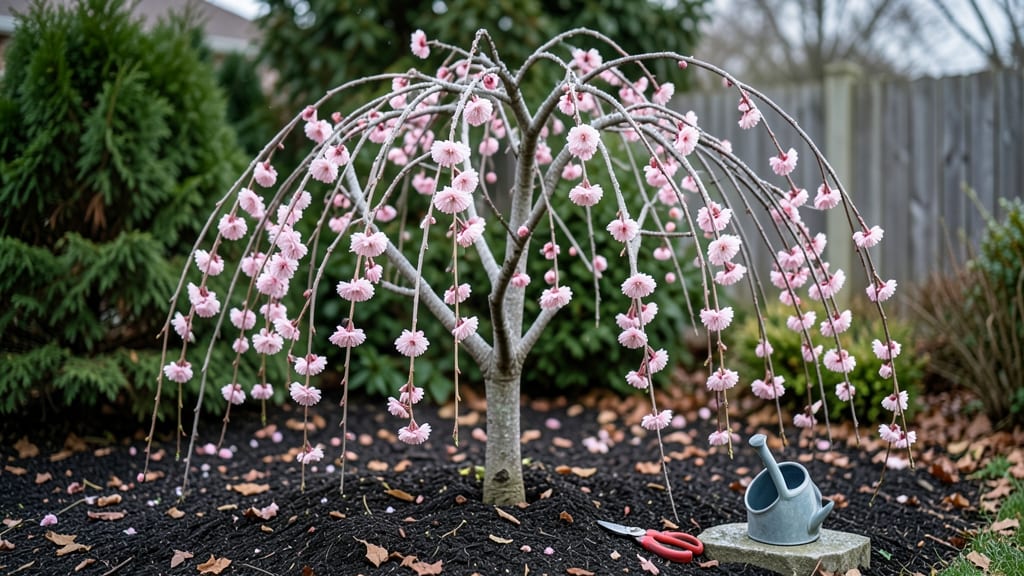
The double flowering weeping cherry tree transforms any yard into a Pacific Northwest masterpiece with its cascading branches and clouds of blossoms. 🌸 I planted mine last spring after years of admiring neighbors' trees—now it's the focal point of my garden, especially when the pink flowers spill over the deck like a waterfall.
This isn't just an ornamental; it's a living sculpture that rewards patience with dramatic seasonal interest.
Perfect for urban gardens or large landscapes, this tree thrives in zones 5-8 with morning sun and afternoon shade—ideal for our rainy climate. The soil needs good drainage (amend heavy clay with compost), and once established, it handles drought better than most cherries.
You'll spend less time fussing over it than other ornamentals, but the payoff is those three weeks of nonstop blooms in spring that attract pollinators by the hundreds.
Pruning is the key to maintaining its graceful weeping form—focus on shaping in late winter before buds swell, and never cut more than 25% of the canopy at once. The tree responds with vigorous new growth, and those cascading branches will eventually reach 15-20 feet wide if given space.
In winter, the bare branches create striking silhouettes against the sky, proving this tree's value extends beyond its famous flowers.
Fair warning: these trees grow slowly at first, but they're worth the wait. Start with a 5-gallon container if planting young, and expect 5-10 years before full maturity. The trade-off? A tree that outshines most ornamentals with minimal effort once established. Here's how to give yours the best start possible.
📚 In This Guide
- What you need
- Instructions
- Tips and common mistakes
- Wrapping up and next steps
What you need
- ● Double-flowering weeping cherry tree (choose a Prunus serrulata or Prunus avium cultivar like 'Kwanzan' or 'Shirofugen'—ensure it’s labeled "weeping" or "pendula" for that graceful arch!)
- ● Planting hole: Width: 3x wider than the root ball
- ● Depth: Slightly shallower than the root ball (to avoid burying the trunk)
- ● High-quality planting soil (amend with 1/3 compost or peat moss for drainage—PNW soils can be heavy!)
- ● Mulch (3–4 inches of wood chips, cedar bark, or pine needles—avoid fresh mulch near the trunk!)
- ● Watering can or hose (with a gentle spray nozzle for post-planting care)
- ● Garden gloves (to protect your hands from thorns and rough bark)
- ● Pruning shears (sterilized, for shaping or cleanup—sharpness is key!)
- ● Slow-release fertilizer (balanced 10-10-10 or acid-loving plant formula for the first year)
- ● Tree stake & ties (if planting in windy areas—choose biodegradable ties)
- ● Drip irrigation system (for consistent moisture, especially in dry PNW summers)
- ● Fungicide spray (preventative copper-based or neem oil to combat powdery mildew or leaf spot)
- ● Soil pH test kit (ideal range: 5.5–6.5—cherries thrive in slightly acidic soil!)
- ● Staking or support wires (if your tree is top-heavy or in a high-wind zone)
Step-by-Step guide to planting and cultivating double flowering weeping cherry trees
Here's how to establish these stunning trees for long-lasting Pacific Northwest blooms.
🌱 Step 1: Select and Prepare the Planting Site
Choose a location with full sun exposure—at least 6 hours of direct sunlight daily. The Pacific Northwest's mild climate means these trees thrive in USDA zones 5-8, but they particularly love the region's cool summers and wet winters. Avoid low spots where cold air pools, as young trees are vulnerable to frost damage.
Test your soil's drainage by digging a 12-inch deep hole and filling it with water. If it doesn't drain within 4-6 hours, amend the soil with 3-4 inches of organic matter (like compost or peat moss) mixed into the native soil. Double flowering weeping cherries despise soggy roots, which can lead to root rot—a common issue in heavy Pacific Northwest clay soils.
🪴 Step 2: Plant at the Right Time and Depth
Plant your double flowering weeping cherry in early spring or fall, when temperatures are mild. This timing allows roots to establish before summer heat or winter frost stress. Dig a hole twice as wide as the root ball but no deeper—planting too deep can suffocate the tree's trunk.
Gently remove the tree from its container and loosen any circling roots with your fingers. Place it in the hole so the top of the root ball sits 1-2 inches above ground level. This slight elevation prevents water from pooling at the base. Backfill with native soil, tamping lightly as you go to eliminate air pockets. Water deeply to settle the soil around the roots.
☀️ Step 3: Establish Proper Watering and Mulching
Water deeply once a week for the first two months, ensuring the soil is moist 6-8 inches down. The Pacific Northwest's frequent rain can make overwatering tempting, but these trees need well-draining soil—not soggy conditions. You'll know you're on track when the soil feels like a wrung-out sponge at the 4-inch depth.
Apply a 3-inch layer of mulch (like wood chips or shredded bark) around the base, keeping it 6 inches away from the trunk. This mulch layer helps retain moisture, regulate soil temperature, and suppress weeds. Refresh the mulch annually in early spring to maintain its effectiveness. Avoid piling mulch against the trunk, as this can invite pests and disease.
✂️ Step 4: Prune for Shape and Health
Prune your tree in late winter or early spring, just before new growth begins. Remove any dead, diseased, or crossing branches first—these are the easiest to spot and address. Then, shape the tree by thinning out overcrowded branches to improve airflow and sunlight penetration. Aim to maintain the tree's natural weeping form while opening up the canopy.
For double flowering varieties, avoid heavy pruning that removes more than 25% of the foliage in one season. These trees flower on both old and new wood, so aggressive pruning can reduce next year's blooms. Instead, focus on light pruning to encourage a balanced, graceful shape. Sterilize your pruners with rubbing alcohol between cuts to prevent the spread of disease.
🌿 Step 5: Monitor and Maintain for Long-Term Success
Fertilize in early spring with a balanced, slow-release fertilizer (like 10-10-10) to support new growth. Apply it 6 inches away from the trunk and water it in immediately. Double flowering weeping cherries aren't heavy feeders, so one application per year is sufficient unless your soil test shows deficiencies.
Watch for signs of stress, like yellowing leaves (often a sign of overwatering or nutrient deficiency) or leaf curl (common with aphid infestations). Pacific Northwest cherry trees are generally pest-resistant, but aphids and scale can still appear. Treat infestations early with neem oil or insecticidal soap for organic control. Regularly inspect the undersides of leaves and new growth for early signs of trouble.
Tips & tricks for perfect double flowering weeping cherry cultivation
These pro-level insights will help you nurture a thriving weeping cherry that becomes the star of your Pacific Northwest landscape.
Site Selection Nuance: While full sun is essential, prioritize locations with afternoon shade if your region experiences intense summer sun—this prevents leaf scorch while maintaining the 6 hours of morning sunlight these trees crave. I've seen dramatic differences in bloom quality between trees in open sun versus those with gentle afternoon shade.
Root Ball Elevation Secret: That 1-2 inch elevation above ground level in Step 2 isn't just about drainage—it creates an air gap that prevents water from pooling against the trunk during our region's frequent winter rains. This simple adjustment dramatically reduces the risk of trunk rot, which I've seen destroy otherwise healthy specimens.
Watering Precision: The "wrung-out sponge" test at 4-inch depth is your golden standard, but here's the pro move: use a soil moisture meter for the first two months to track exactly when you need that weekly deep watering. Pacific Northwest's unpredictable spring rains can make this tricky—some years you'll need to water more frequently than others.
Pruning Timing Hack: Mark your calendar for late February to early March for pruning—this gives you a 4-6 week window before bud break when the tree is most dormant. I've found that pruning just as buds begin to swell (rather than waiting until full dormancy) actually stimulates more vigorous blooming in the following season.
Pro Tips for Double Flowering Weeping Cherry
- These pro-level insights will help you nurture a thriving weeping cherry that becomes the star of your Pacific Northwest landscape.
- I've seen dramatic differences in bloom quality between trees in open sun versus those with gentle afternoon shade.
- This simple adjustment dramatically reduces the risk of trunk rot, which I've seen destroy otherwise healthy specimens.
Frequently asked questions
Got questions about your double flowering weeping cherry? You’re not alone!
Here are answers to the most common queries from PNW gardeners—helping you nurture this stunning tree with confidence.
How fast does a double flowering weeping cherry grow?
A young double flowering weeping cherry grows 12–24 inches per year under ideal conditions (moist, well-drained soil + full sun). Mature growth slows to 6–12 inches annually. Patience pays off—these trees take 10–15 years to reach their full 15–25 ft height and spread. Pro tip: Prune lightly in late winter to encourage bushier blooms!
When do double flowering weeping cherries bloom, and how long does it last?
Expect spring blooms in late April to early May in the PNW, with a 2–3 week display of delicate double flowers. Some varieties (like ‘Kanzan’) may rebloom lightly in fall with cooler weather. Pro tip: Avoid heavy pruning after bud set (late summer) to preserve next year’s flowers!
Why aren’t my weeping cherry flowers opening, or are they falling off?
Common culprits include:
- Frost damage: Late frosts (<32°F) can scorch buds. Use frost cloth if temps dip unexpectedly.
- Overwatering: Soggy roots stress the tree. Ensure soil drains well—these cherries hate “wet feet.”
- Nutrient deficiency: Yellow leaves? Test soil and amend with acid-loving fertilizer (e.g., 10-10-10).
- Pests/disease: Check for cherry leaf spot (fungus) or borers. Prune infected branches immediately.
Can I grow a double flowering weeping cherry in a container?
Yes, but with limitations! Choose a large (20+ gallon) container with drainage holes and use well-draining potting mix (add perlite or sand). Expect:
- Slower growth
- Smaller blooms
- More frequent watering
What’s a good alternative if I want a weeping cherry but need low maintenance?
Consider these PNW-friendly alternatives:
Tree
Pros
Cons
Weeping Higan Cherry (Prunus subhirtella ‘Pendula’)
Cold-hardy, longer blooms (fall rebloom), fragrant
Smaller flowers, messy fruit
Weeping Kousa Dogwood (Cornus kousa ‘Chocolate Highlights’)
Drought-tolerant, no fruit mess, vibrant foliage
Slower growth, less dramatic flowers
Dwarf Fountain Cherry (Prunus ‘Spire’)
Compact (6–8 ft), low-maintenance, prolific blooms
Less weeping habit, shorter lifespan
Wrapping up and next steps
The double flowering weeping cherry is a stunning, low-maintenance addition to any Pacific Northwest garden, offering year-round beauty with its cascading branches and abundant blooms.
Whether you’re drawn to its delicate flowers, vibrant foliage, or graceful form, this tree delivers effortless elegance—perfect for both seasoned gardeners and beginners alike. 🌸
Ready to transform your outdoor space? Start by sketching your design, gathering supplies, and planting with confidence. The reward? A breathtaking centerpiece that brings joy for decades to come!