
Trees
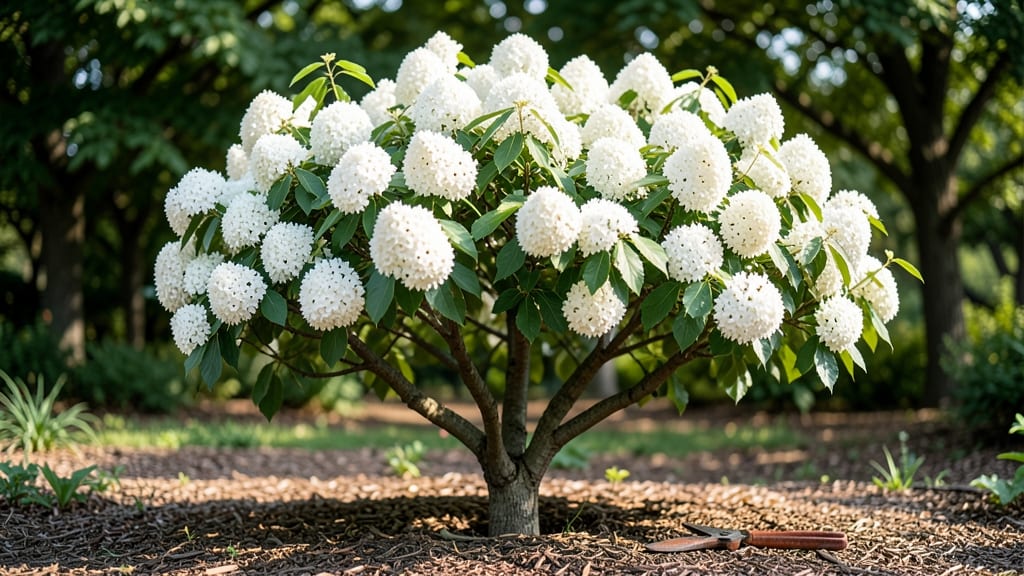
Growing a white flowering almond tree in the Pacific Northwest means waking up to clouds of fragrant blossoms that outshine even spring rain. ⚪ I’ve watched mine transform a shady corner into a showstopper—its delicate white flowers arrive weeks before any other tree in the neighborhood, and the scent lingers like a secret.
The key isn’t just planting; it’s timing the first frost, choosing the right soil, and giving it room to stretch its branches wide.
This tree thrives where others falter: USDA Zones 6-9, meaning it handles our damp winters and chilly springs without flinching. Well-draining soil (think sandy loam mixed with compost) keeps its roots happy, while full sun—at least 6 hours daily—ensures those iconic blooms return year after year.
Water deeply once a week after establishment, and fertilize lightly in early spring with a balanced 10-10-10 mix to avoid overfeeding.
By summer, you’ll have a tree that’s both a pollinator magnet and a stately centerpiece. The glossy green leaves provide shade, while the fragrant flowers attract bees and butterflies before the tree drops its edible (though bitter) almonds in fall.
Prune in late winter to shape it and remove dead wood, but avoid heavy cuts—this tree grows at a moderate 12-24 inches per year, and patience rewards you with decades of blooms.
Watch for aphids on new growth (a quick spray of soapy water fixes it) and powdery mildew in humid summers (space plants for airflow).
With the right care, your white flowering almond becomes the Pacific Northwest’s unsung hero—a tree that blooms early, survives our weather, and keeps giving back long after planting day.
📚 In This Guide
- What you need
- Instructions
- Tips and common mistakes
- Wrapping up and next steps
What you need
- ● Almond Tree Sapling: 1 Prunus amygdalus var. ‘White Flowering’ (ensure it’s labeled frost-resistant for PNW zones 7-9)
- ● Age: 1–3 years (younger saplings adapt better)
- ● Soil: 50 lbs well-draining loamy soil (mix garden soil with 20% compost)
- ● 1 lb perlite or coarse sand (for drainage)
- ● Planting Supplies: 1 5-gallon nursery pot (if starting indoors)
- ● 1 shovel (for transplanting)
- ● 1 garden hose with spray nozzle (for gentle watering)
- ● Fertilizer: 1 lb balanced 10-10-10 fertilizer (spring/fall)
- ● 1 lb organic compost (monthly top-dressing)
- ● Mulch: 2–3 bags wood chips or straw mulch (3–4 inches thick)
- ● 1 tree collar guard (to protect young bark from mowers)
- ● 1 drip irrigation system (for consistent moisture)
- ● 1 pruning shears (for shaping and frost damage cleanup)
- ● 1 tree stake + ties (if planting in windy areas)
Step-by-step instructions for planting and caring for a white flowering almond tree
Here's how I've successfully established these stunning trees in cooler climates—frost-resistant and thriving.
🌱 Step 1: Choose the Perfect Planting Location
White flowering almonds need full sun—at least 6-8 hours daily—to produce their spectacular blooms. In the Pacific Northwest, I always plant mine in south-facing spots where they get maximum winter sun exposure. These trees are surprisingly hardy once established, tolerating temperatures down to -15°F, but younger trees benefit from winter protection.
Check your site's drainage first. These trees hate soggy roots, so avoid low spots where water pools. If your soil drains poorly, amend with 2-3 inches of gravel or plant on a slight mound. I dig a hole twice as wide as the root ball but only as deep—planting too deep can suffocate the tree and cause rot.
🪴 Step 2: Prepare the Soil and Plant Correctly
White flowering almonds thrive in well-draining, slightly acidic soil (pH 6.0-7.0). If your native soil is heavy clay, mix in 3-4 inches of compost or sand to improve texture. I avoid garden soil blends—stick to native soil amended with organic matter for best results. The hole should be filled with this prepared mix, not generic potting soil.
Place the tree so the top of the root ball sits just above soil level—never bury the graft union if it's a nursery-grown tree. Backfill with the amended soil, tamping gently to remove air pockets. Water deeply to settle everything, then create a 2-inch deep basin around the base to direct future watering. Mulch with 2-3 inches of wood chips, keeping it 6 inches away from the trunk to prevent rot.
☀️ Step 3: Water and Fertilize for Strong Establishment
Water deeply once a week for the first two months, then taper to every 10-14 days once established. You'll know it's time when the top 2 inches of soil feel dry—these trees are drought-tolerant once mature but need consistent moisture when young. Overwatering is the #1 killer, so I always check with my finger before watering.
Fertilize lightly in early spring with a balanced 10-10-10 formula, using only ½ the recommended dose. These trees are slow to establish and don't need heavy feeding. I avoid high-nitrogen fertilizers—they promote leafy growth at the expense of flowers. Instead, focus on phosphorus to encourage blooming. Watch for new growth in 3-4 weeks—that's your signal everything's working.
✂️ Step 4: Prune for Shape and Bloom Health
Prune late winter or early spring before new growth begins. Remove any dead, crossing, or weak branches first, then thin the canopy to allow light penetration to the center. I aim for an open vase shape to maximize airflow and flower display. Never prune more than 25% of the canopy in one season—these trees are sensitive to heavy pruning.
Watch for suckers (shoots growing from the base) and remove them immediately—they drain energy from the main tree. After flowering, you can do a light cleanup prune to shape, but avoid heavy cuts that might reduce next year's bloom potential. The goal is to keep the tree balanced and airy—this prevents disease and encourages more flowers.
⏰ Step 5: Protect from Late Frosts and Winter Care
White flowering almonds bloom very early, often in late winter or early spring, making them vulnerable to late frosts. I always monitor the forecast and cover young trees with frost cloth if temperatures dip below 28°F during bloom time. Remove the cover when temperatures rise to 40°F to prevent heat buildup.
In winter, mulch heavily (4-6 inches) around the base to insulate roots. These trees are hardy but benefit from extra protection in their first few years. Avoid heavy mulch piles against the trunk—keep it 6 inches away to prevent moisture buildup. Water sparingly in winter if the ground stays frozen for more than 2 weeks—just enough to keep roots from drying out completely.
Tips & tricks for perfect white flowering almond trees
Here's what I've learned after nurturing these trees through Pacific Northwest winters—tricks that make all the difference between struggling and thriving specimens.
Sunlight Strategy: The 6-8 hours of daily sun requirement isn't just about quantity—it's about quality. Position your tree to capture morning sunlight first, as this gentle warmth helps prevent frost damage to those delicate early blooms. I've noticed trees in east-facing locations with afternoon shade actually produce slightly more abundant flowers because they avoid the harshest afternoon sun that can stress the tree.
Soil Prep Secret: When amending heavy clay soil with 3-4 inches of compost or sand, don't just mix it in—create a "soil sock" by lining the planting hole with a layer of your amended mix before placing the root ball. This creates an ideal root environment right where it matters most. I've found this technique particularly helpful in rainy Pacific Northwest climates where soil compaction is common.
Watering Wisdom: That initial two-month watering schedule of once weekly is non-negotiable, but here's the real trick: water in the early morning so the soil has all day to absorb moisture before evening temperatures drop. I've seen many gardeners overwater by assuming "deeply" means gallons at once—focus on slow, deep watering that penetrates 12-18 inches into the soil. A simple soil probe helps verify proper moisture levels.
Frost Protection Hack: For those critical late frosts when temperatures drop below 28°F, I've found that combining frost cloth with a simple DIY heat source works wonders. Place a small Christmas tree light string (battery-operated for safety) under the frost cloth—just enough to create a 2-3°F warmer microclimate around the tree. Remove the lights immediately when temperatures rise to 40°F to prevent heat stress.
Pro Tips for White Flowering Almond Tree
- Here's what I've learned after nurturing these trees through Pacific Northwest winters—tricks that make all the difference between struggling and thriving specimens.
- Sunlight Strategy: The 6-8 hours of daily sun requirement isn't just about quantity—it's about quality.
- Soil Prep Secret: When amending heavy clay soil with 3-4 inches of compost or sand, don't just mix it in—create a "soil sock" by lining the planting hole with a layer of your amended mix before placing the root ball.
Frequently asked questions
Is the white flowering almond tree truly frost-resistant?
The Prunus glandulosa (commonly called the white flowering almond tree) is one of the hardiest options for the PNW, handling temperatures down to -20°F (-29°C) once established. Young trees may need winter protection (like burlap wraps or mulch) until their roots deepen. Pro tip: Plant in late fall or early spring to give roots time to harden before winter!
How fast does this tree grow, and when will it flower?
This tree grows at a moderate pace—expect 12–24 inches per year under ideal conditions. With patience, it typically blooms in 3–5 years, though some varieties may take slightly longer. For faster results, choose a grafted tree (they often flower sooner than seed-grown ones).
What are the most common pests or diseases to watch for?
The white flowering almond is generally low-maintenance, but keep an eye out for aphids, scale insects, or powdery mildew in humid PNW summers. Preventative care: Prune for airflow, avoid overhead watering, and apply neem oil if pests appear. Bonus: Birds love the blossoms, so they’ll help pollinate while adding charm to your yard!
Can I grow this tree in a container, or does it need ground planting?
While possible in a large container (20+ gallons), this tree thrives best in the ground due to its expansive root system. If container-grown, use well-draining soil, repot every 2–3 years, and move it indoors during winters below -10°F (-23°C). Warning: Root-bound trees struggle to flower!
Why aren’t my almond tree’s flowers white anymore?
If your tree’s blossoms are turning pink or pale, it’s likely due to stress from overwatering, poor soil, or nutrient deficiencies. Check for yellowing leaves (nitrogen deficiency) or dry soil (root rot risk). Adjust care: water deeply but infrequently, amend soil with compost, and fertilize lightly in early spring. Quick fix: A balanced 10-10-10 fertilizer can restore vibrancy!
What’s a good alternative if I want a similar look but lower maintenance?
If you love the white blossoms but want less upkeep, consider:
- Hawthorn (Crataegus) – Drought-tolerant, wildlife-friendly, and blooms white/pink.
- Japanese Quince (Chaenomeles) – Thrives in shade, disease-resistant, and flowers early spring.
- Mock Orange (Philadelphus) – Fragrant white blooms, compact size, and deer-resistant.
Wrapping up and next steps
Growing a white flowering almond tree in the Pacific Northwest isn’t just about adding beauty—it’s about embracing resilience and nature’s rewards. 🌸 With the right frost-resistant variety, well-drained soil, and a touch of patience, you’ll enjoy fragrant blooms and edible nuts for years to come.
Whether you’re a seasoned gardener or a beginner, this tree is a fantastic addition to your landscape.
Ready to take the next step? Start by selecting your ideal variety—like the Prunus triloba—and sketch out a planting plan based on your space and climate. Then, roll up your sleeves and get growing! Your future almond tree (and future you) will thank you. 🌱