
Shrubs
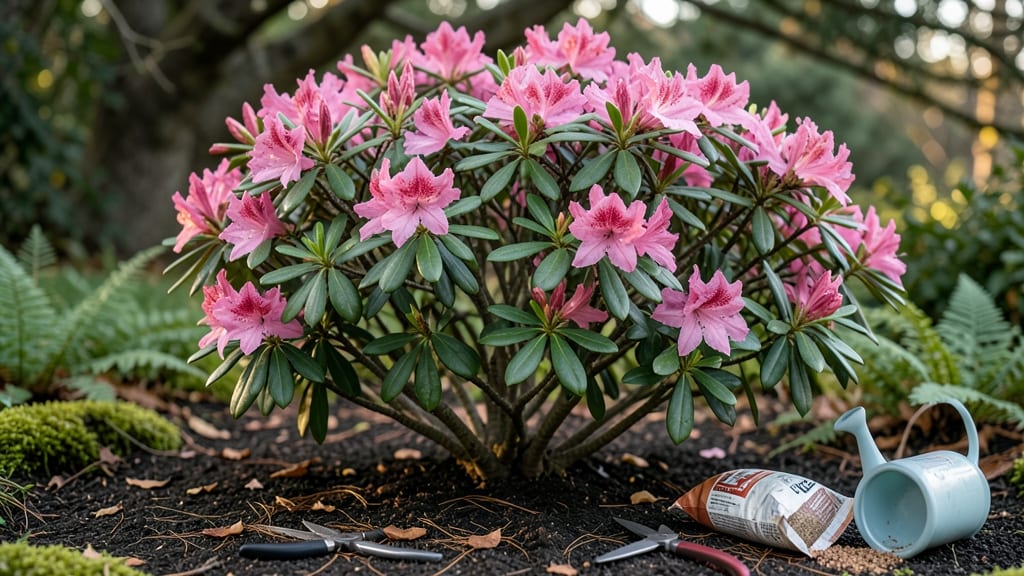
Late flowering azaleas bring the Pacific Northwest's gardens to life when most shrubs have already faded. 🌸 I've grown these frost-resistant beauties for years, and they've never failed to deliver stunning color even after the first frost.
The secret lies in understanding their unique needs—from soil acidity to watering timing—that keep them blooming late into autumn.
These azaleas thrive in partial shade, which is perfect for the region's dappled light conditions. They demand acidic soil (pH 4.5-5.5) and consistent moisture, but they won't tolerate soggy roots.
Unlike early bloomers, late varieties focus energy on foliage first, then reward you with dramatic flowers in late summer or fall. My Encore Azalea bushes, for example, bloom from June through October with proper care.
You'll end up with lush, glossy foliage that stays vibrant all season, topped with clusters of blooms that attract hummingbirds well into the cooler months. The key is light pruning after flowering to shape the plant without cutting off next year's buds.
With the right approach, your azaleas will outshine early bloomers by keeping the show going when others have retired for winter.
Works perfectly for Northwest landscapes, container gardens, or even as foundation plantings. The varieties like 'George L. Taber' and 'Southern Indigo' are especially tough and reliable. Here's how to make them thrive in your garden—no frost damage in sight!
📚 In This Guide
- What you need
- Instructions
- Tips and common mistakes
- Wrapping up and next steps
What you need
- ● Late flowering azalea plants (e.g., Rhododendron varieties like 'Girard’s Pink', 'Tinseltown', or 'Weston'). Choose 1-3 plants depending on your garden size.
- ● Well-draining acidic soil (pH 4.5–6.0). Test your soil and amend with peat moss or pine bark if needed.
- ● Organic mulch (e.g., pine needles, wood chips, or shredded bark). Use 2–3 inches to retain moisture and regulate temperature.
- ● Slow-release acid-loving fertilizer (e.g., Osmocote or Miracle-Gro Azalea, Camellia, and Rhododendron Food). Apply 2–3 times per year (spring, summer, fall).
- ● Watering can or hose with a gentle spray nozzle (azaleas hate soggy roots!).
- ● Garden gloves and pruning shears (sterilized with rubbing alcohol).
- ○ Shade cloth (optional but helpful for young plants) if your garden gets harsh afternoon sun.
- ● Soil pH test kit (to ensure optimal acidity).
- ● Container or raised bed (if planting in pots; use 10–15 gallon containers for mature plants).
- ● Drip irrigation system (for consistent moisture in dry spells).
- ● Compost or worm castings (to boost soil fertility naturally).
- ● Frost cloth (for young plants in late spring if frost is predicted).
- ● Stakes or plant supports (if planting in windy areas).
Step-by-Step guide to cultivating late-blooming azaleas in the Pacific Northwest
Here's how I've mastered growing hardy, frost-resistant azaleas that burst into color well after spring's last chill.
🌱 Step 1: Select and Prepare the Perfect Planting Site
Late-blooming azaleas thrive in partial shade with morning sun and afternoon shade—critical for the Pacific Northwest's damp summers. Choose a location with well-draining, acidic soil (pH 4.5-6.0). If your native soil is heavy clay, amend with 2-3 inches of organic matter like composted pine needles or peat moss mixed into the top 12 inches of soil.
Dig a hole twice as wide as the root ball but only as deep as the container's base. This prevents burying the trunk too deeply, which invites rot. Gently loosen the roots if they're circling tightly—this encourages outward growth. I always water the hole thoroughly before planting to eliminate air pockets.
☀️ Step 2: Plant at the Right Time and Depth
For the Pacific Northwest, early fall (September-October) is ideal—plants establish roots before winter while avoiding summer heat stress. If planting in spring, do it 4-6 weeks before the last frost date to allow root establishment. Position the plant so the top of the root ball sits 1-2 inches above soil level—this prevents waterlogging.
Backfill with native soil mixed with compost (use the 2 gallons you've prepared) to maintain acidity. Tamp gently around the edges to remove air pockets but avoid compacting the soil. Water deeply immediately after planting to settle the soil and eliminate gaps. Mulch with 3 inches of pine bark around the base (but not touching the trunk) to retain moisture and regulate soil temperature.
💧 Step 3: Establish a Consistent Watering Routine
Azaleas need consistent moisture but hate soggy roots. Water deeply once weekly during the first growing season, providing 1-1.5 gallons per plant. Check moisture by sticking your finger 2 inches into the soil—water when it feels dry. In the Pacific Northwest's rainy climate, overwatering is the bigger risk than drought, so prioritize drainage.
Once established (after 2-3 years), azaleas become more drought-tolerant. Reduce watering to every 10-14 days during dry spells, but always water deeply. Fertilize in early spring with an acid-loving plant formula (10-10-10 or similar) to support blooming. I use ½ cup per plant—too much nitrogen encourages leafy growth at the expense of flowers.
✂️ Step 4: Prune and Maintain for Long-Term Blooms
Prune immediately after flowering (late spring to early summer) to shape the plant and encourage next year's blooms. Remove dead, crossing, or weak branches first, then thin out 1/3 of the oldest growth to open the center. Never prune into old wood—late-blooming azaleas flower on new growth, so avoid heavy cuts.
Watch for yellowing leaves (a sign of overwatering or alkaline soil) or pale green foliage (indicating nitrogen deficiency). If leaves turn yellow with brown edges, it's often chlorosis from high soil pH—amend with sulfur or peat moss and retest your soil. In the Pacific Northwest, aphids can be a problem—blast them off with water or use neem oil as a preventive spray in early spring.
Tips & tricks for perfect late-blooming azaleas
These insider tricks will help you cultivate azaleas that thrive in the Pacific Northwest's unique climate—especially when timing and soil conditions matter most.
Soil Acidification Secret: Testing your soil's pH is non-negotiable for late-blooming azaleas. Use a simple soil test kit to confirm the pH falls within 4.5-6.0. If your results show higher pH, mix in 2-3 inches of composted pine needles into the top 12 inches of soil—this mimics their natural acidic forest floor habitat. I've seen azaleas struggle for years in soil that tested 6.5, only to flourish after this simple amendment.
Planting Depth Visual Cue: When positioning your azalea in Step 2, use the top of the root ball as your reference point—it should sit 1-2 inches above soil level. Here's my trick: Place a small rock or marker at the root ball's top before lowering the plant. This prevents the classic mistake of burying too deep, which causes rot. After planting, gently firm the soil around the edges but avoid compacting—think "light hug" rather than "tight squeeze."
Watering Technique for Pacific Northwest Rain: The biggest challenge here isn't drought—it's overwatering during our famously wet summers. After your initial deep weekly watering in the first growing season, check soil moisture by pressing your finger 2 inches deep. If it feels damp (not soggy), wait another week. For established plants, reduce to every 10-14 days during dry spells, but always water until you see moisture emerge from the drainage holes. This prevents waterlogged roots while maintaining consistent moisture.
Pruning Timing Hack: Late-blooming azaleas flower on new growth, so timing your prune is everything. Aim to finish pruning immediately after flowering (late spring to early summer) but before new buds form. Here's my pro move: Set a reminder for 4-6 weeks after your last frost date—this ensures you've captured all blooms while leaving room for next year's flowers. When thinning out 1/3 of the oldest growth, cut just above a leaf bud or lateral branch to encourage outward growth.
Pro Tips for Late Flowering Azaleas
- These insider tricks will help you cultivate azaleas that thrive in the Pacific Northwest's unique climate—especially when timing and soil conditions matter most.
- Soil Acidification Secret: Testing your soil's pH is non-negotiable for late-blooming azaleas.
- Planting Depth Visual Cue: When positioning your azalea in Step 2, use the top of the root ball as your reference point—it should sit 1-2 inches above soil level.
Frequently asked questions
Got questions about late flowering azaleas?
You’re not alone! Here are answers to the most common concerns—from timing to care—so you can enjoy these stunning blooms with confidence.
Why do late flowering azaleas bloom so late in the season?
Late flowering azaleas (like Rhododendron species such as R. yakushimanum or R. ‘Girard’s Pink’) are bred or native to thrive in cooler climates like the Pacific Northwest. Their blooms trigger later in spring or even early summer (May–July) because they require a longer chilling period (60+ days below 45°F) to break dormancy. This adaptation helps them avoid early frosts while still enjoying the region’s mild summers. Pro tip: They’re perfect for areas where early spring frosts are common!
When is the best time to plant late flowering azaleas?
Plant them in early fall (September–October) or late winter (February–March) for the best root establishment. Fall planting gives roots time to settle before winter, while late winter planting avoids summer heat stress. Avoid planting in peak summer—the heat can shock delicate roots. Bonus: Container-grown azaleas can be planted year-round (with extra watering), but fall is ideal for bare-root varieties.
How do I keep my late bloomer azalea healthy in rainy PNW winters?
Late flowering azaleas love moisture but hate soggy roots. Ensure your planting site has well-draining soil (amend with compost or pine bark). In heavy rain, improve drainage by adding a 1–2 inch layer of mulch (wood chips or bark) around the base—but keep it 2–3 inches away from the trunk. Avoid waterlogging by planting on a slight slope or in a raised bed if your yard stays waterlogged.
Can I prune late flowering azaleas after they bloom?
Yes! Unlike early bloomers, late flowering azaleas set next year’s buds after their current flowers fade. Prune lightly in late summer (August–September) to shape the shrub and remove dead or crossing branches. Avoid heavy pruning—it can reduce next year’s blooms. Pro move: Use clean, sharp shears and sterilize them with rubbing alcohol to prevent disease.
What pests or diseases should I watch for with late bloomers?
Late flowering azaleas are generally hardy, but keep an eye out for:
- Azalea lace bugs: Look for stippled leaves and black specks (frass). Treat with insecticidal soap or neem oil.
- Root rot: Caused by poor drainage. Ensure soil isn’t compacted and avoid overwatering.
- Powdery mildew: White fungal spots on leaves? Improve airflow and apply fungicide if severe.
Prevention tip: Healthy soil (acidic, pH 4.5–6.0) and proper spacing reduce stress, making your azalea more resilient!
Wrapping up and next steps
Late flowering azaleas are a game-changer for gardeners in the Pacific Northwest, offering stunning blooms even when frost lingers. Their hardiness, vibrant colors, and adaptability make them a must-have for any landscape—whether you're a beginner or a seasoned pro. 🌸
Ready to transform your garden? Start small—pick one variety, gather your supplies, and dive in! With the right care, you’ll enjoy months of beauty and maybe even inspire your neighbors to follow suit. Happy planting! 🌿