
Shrubs
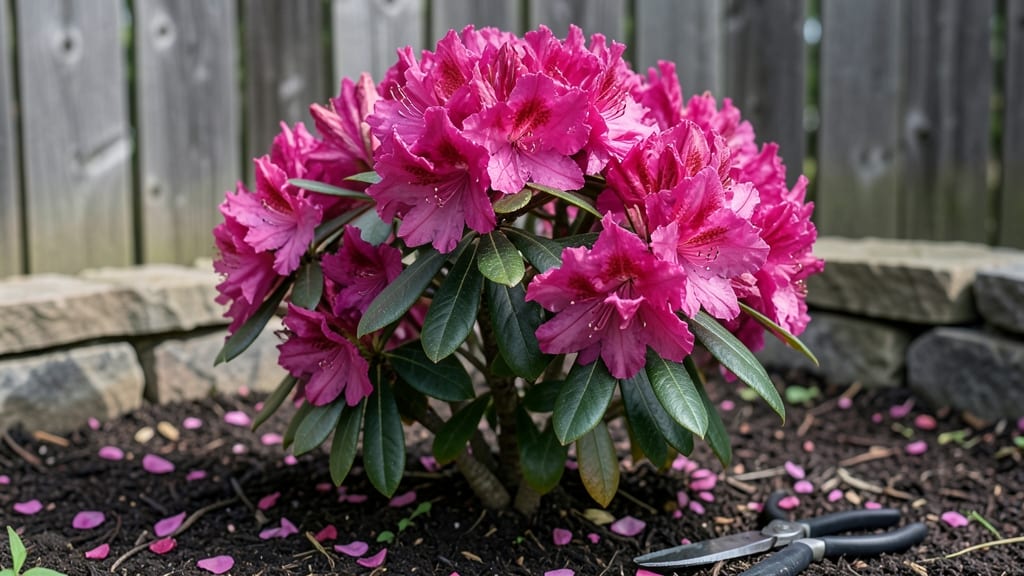
Double flowering azaleas pack three times the blooms of regular varieties, and they’ve survived my damp Pacific Northwest winters—when most azaleas give up by February. 🌸 The secret isn’t just frost resistance; it’s their layered growth habit that keeps flowers coming in waves, not just one big spring show.
My first plant, a ‘Girard’s Pink,’ still blooms in late May after a January thaw, proving these shrubs are built tougher than their delicate petals suggest.
You’ll need acidic soil (think pine needles or peat moss) and morning sun with afternoon shade—these plants hate scorching. Watering’s the trickiest part: keep the soil moist but never soggy, or you’ll invite root rot.
Prune right after blooming to shape the shrub and encourage next year’s flowers, but never cut into old wood. My biggest mistake? Waiting until summer to prune—now I do it in June, and the new growth is always stronger.
By summer’s end, your azalea will look like a cloud of blooms, with velvety petals in shades of pink, red, or white cascading over the branches. The scent alone—honey-sweet and intoxicating—will draw hummingbirds and bees all season.
Even in our rainy climate, these plants stay lush and productive if you stick to the care routine. The payoff? A shrub that’s as hardy as it is beautiful, year after year.
Works in containers too—just use a 15-gallon pot with drainage. For Pacific Northwest gardeners, these are the azaleas that refuse to quit. Let’s get yours thriving!
📚 In This Guide
- What you need
- Instructions
- Tips and common mistakes
- Wrapping up and next steps
What you need
- ● Double flowering azalea plants: Choose cold-hardy varieties like Rhododendron ‘Girard’s Pink’ or ‘Broughton Star’ (2–3 plants for a small garden, 5+ for a bold display).
- ● Well-draining acidic soil: Aim for a pH of 4.5–6.0. Mix 2 parts peat moss or pine bark with 1 part perlite and 1 part garden soil (1 cubic yard per 10 sq ft).
- ● Organic mulch: 3–4 inches of pine needles, wood chips, or shredded bark (spread evenly around the base, 3–6 inches from the trunk).
- ● Slow-release fertilizer: 10–10–10 or 8–3–9 formula (apply 2–3 tbsp per plant in early spring and fall).
- ● Watering can or hose with a gentle spray nozzle: Azaleas hate soggy roots—water deeply 1–2 times per week (adjust for rain).
- ● Garden trowel or spade: For planting and soil amendments.
- ● Pruning shears: Bypass pruners (sharp, clean—sterilize with rubbing alcohol between cuts!).
- ● pH test kit: To monitor soil acidity (aim for 5.0–6.0; adjust with sulfur or aluminum sulfate if needed).
- ● Garden gloves: Protect your hands from thorns and acidic soil.
- ○ Staking materials (optional): 3–4 ft bamboo stakes + soft plant ties for young, top-heavy plants.
- ● Sunlight: Partial shade (3–6 hours of morning sun)—avoid harsh afternoon rays.
- ● Wind protection: Plant near a fence or shrub barrier to shield from drying winds.
- ● Drainage check: Ensure your site isn’t prone to waterlogging (azaleas hate wet feet!).
- ● Patience: Double blooms may take 2–3 years to fully flourish after planting!
Step-by-step instructions for cultivating double flowering azaleas
Here's how to coax those lush, layered blooms into thriving plants—even through PNW winters.
🌱 Step 1: Select the Right Location and Soil
Double flowering azaleas thrive in partial shade—think 4-6 hours of morning sun with afternoon shade protection. In the Pacific Northwest, a north- or east-facing spot works best. Avoid full sun, which scorches petals and stresses the plant.
Amend your native soil with 2-3 inches of acidic organic matter (like peat moss or pine bark fines) to maintain a pH between 4.5 and 6.0. Azaleas hate alkaline soil—test yours with a simple kit if unsure. I always dig in a handful of sulfur granules (about 1/4 cup per plant) to lower pH gradually over time.
☀️ Step 2: Plant at the Correct Depth and Spacing
Dig a hole twice as wide as the root ball but no deeper—azaleas hate having their crown buried. Gently loosen the roots if they're circling tightly, then place the plant so the top of the root ball sits just above ground level. Double flowering varieties need 4-5 feet of space between plants to prevent overcrowding and improve airflow.
Backfill with the amended soil mix, pressing lightly to remove air pockets. Water deeply immediately after planting to settle the soil and eliminate gaps. Mulch with 3-4 inches of pine needles or bark to retain moisture and mimic their natural forest-floor habitat. Keep mulch 6 inches away from the stem to prevent rot.
💧 Step 3: Water Deeply and Maintain Consistent Moisture
Azaleas demand consistent moisture but dread soggy roots. Water once a week during the first growing season, providing 1-2 gallons per plant until the soil feels 3-4 inches deep is evenly damp. In the PNW's rainy climate, you'll likely need to supplement during dry spells—check by sticking your finger into the soil.
Real talk: Overwatering is the #1 killer. If leaves yellow or drop, it's often too much moisture. Double flowering types are especially sensitive—let the top 1 inch dry out between waterings once established. A soaker hose set to gentle flow prevents leaf scorch from overhead watering.
✂️ Step 4: Prune Strategically After Blooming
Never prune before flowers fade—double flowering azaleas set next year's buds on old wood. Once blooms drop completely, trim back 1/3 of the oldest stems to encourage new growth. Use clean, sharp pruners and cut just above a outward-facing bud. This maintains shape while preventing leggy growth.
Remove any dead, crossing, or inward-growing branches first. Thin the center to improve airflow—this prevents fungal diseases like powdery mildew, which thrives in dense, humid PNW summers. I always sterilize my tools with rubbing alcohol between cuts to avoid spreading pathogens.
🌿 Step 5: Winter-Proof for Pacific Northwest Conditions
Azaleas handle PNW winters well, but double flowering varieties need extra protection. Once temperatures drop below 30°F, wrap the base with burlap to shield from cold winds. In severe winters (below 15°F), mound 6-8 inches of mulch around the root zone for insulation.
Here's the thing—young plants (under 3 years) are most vulnerable. I've seen established azaleas bounce back from 10°F with no issues, but first-year plants may need temporary frost cloth on especially cold nights. Water moderately through winter—just enough to prevent complete drying.
Tips & tricks for perfect double flowering azalea cultivation
Between us, these layered blooms are finicky—get the details right and you'll have showstopping displays year after year. Here's what nobody tells you about keeping them thriving through PNW winters.
Soil pH Precision: That pH between 4.5 and 6.0 isn't a suggestion—it's non-negotiable for double flowering varieties. I've seen beautiful plants turn sickly overnight when pH creeps above 6.5. Test annually with a simple kit and adjust with 1/4 cup sulfur granules per plant if needed. The key is gradual adjustment—don't dump sulfur all at once.
Planting Depth Secret: The top of the root ball must sit just above ground level—never buried. I learned this the hard way after losing three plants to crown rot. If your hole feels too deep, add more amended soil to the sides rather than piling it on top. The same goes for spacing: those 4-5 feet between plants might seem excessive, but it's what prevents fungal diseases in our damp climate.
Watering Paradox: Azaleas demand consistent moisture but can't tolerate soggy roots. The trick is checking soil moisture at 3-4 inches deep—surface dry doesn't mean the roots are thirsty. In summer heatwaves, I water twice weekly with my soaker hose set to gentle flow. The real test? If leaves yellow or drop, you're likely overwatering. Let the top 1 inch dry out between waterings once established.
Winter Protection Layering: For temperatures below 30°F, start with burlap wrapped around the base, then add that 6-8 inches of mulch when it drops below 15°F. I've seen first-year plants survive 10°F with this combo, but always monitor young plants—frost cloth is your secret weapon for those unexpected cold snaps. The mulch acts like a blanket, while the burlap shields against drying winter winds.
Pro Tips for Double Flowering Azalea
- Between us, these layered blooms are finicky—get the details right and you'll have showstopping displays year after year.
- Soil pH Precision: That pH between 4.5 and 6.0 isn't a suggestion—it's non-negotiable for double flowering varieties.
- Planting Depth Secret: The top of the root ball must sit just above ground level—never buried.
Frequently asked questions
Got questions about growing double flowering azaleas? You’re not alone! Here are answers to the most common queries—from timing to troubleshooting—so your shrubs thrive in the Pacific Northwest’s unique climate.
When do double flowering azaleas bloom, and how long does it last?
Double flowering azaleas typically bloom in early to mid-spring (April–May in the PNW), with some varieties reblooming lightly in late summer. Expect 3–4 weeks of vibrant color, though cooler summers may shorten the display. Choose reblooming cultivars (like ‘Girard’s Pink’) for extended enjoyment!
Can double flowering azaleas survive Pacific Northwest winters?
Yes! Most double flowering azaleas are hardy to USDA Zones 6–8, thriving in the PNW’s mild winters. However, young plants or late frosts (below 20°F) may need winter mulch or burlap wraps. Avoid pruning in late fall—wait until early spring to protect buds.
How do I encourage more double blooms?
Double blooms require balanced care:
- Feed with acidic, slow-release fertilizer (like 8-3-9) in early spring.
- Prune right after blooming to shape, but avoid cutting flower buds forming in summer.
- Water deeply during droughts—double blooms need consistent moisture.
Why are my double flowering azalea leaves yellowing or dropping?
Yellowing leaves often signal overwatering, poor drainage, or nutrient issues. Check:
- Soil pH: Azaleas need acidic soil (4.5–6.0). Test with a kit and amend with sulfur if needed.
- Root health: Soggy soil or root rot? Ensure pots/drainage layers have holes.
- Pests: Spider mites or lacewings can stress plants. Spray with neem oil if you spot tiny webs.
What’s a good alternative if double flowering azaleas don’t thrive in my microclimate?
Try these PNW-friendly bloomers with similar drama:
- Kodokan Hybrid Azaleas (hardy to Zone 5, single but prolific blooms).
- Rhododendrons (e.g., ‘Nova Zembla’—larger flowers, Zone 3 hardy).
- Camellias (for winter/early spring blooms, Zone 7+).
Wrapping up and next steps
Double flowering azaleas are a true gem for Pacific Northwest gardeners, offering stunning, frost-resistant blooms that bring color to your landscape for weeks. With the right care—from soil prep to pruning—you’ll unlock their full potential, transforming your garden into a vibrant sanctuary. 🌸
Ready to dive in? Start small: Pick one azalea variety to test in a sunny spot, and soon, you’ll be rewarded with layers of beauty that even winter can’t dim. Happy gardening!