
Trees
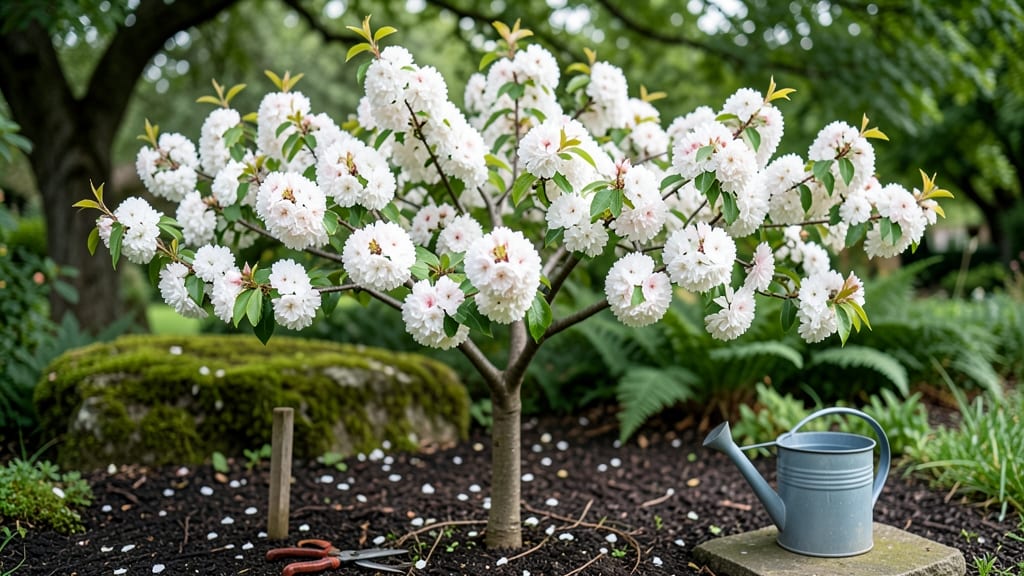
The Corinthian White Double Flowering Peach Tree is the showstopper your Pacific Northwest garden needs—its frost-tolerant blooms burst into creamy-white double flowers that last for weeks, even when temperatures dip. 🌸 I planted mine last spring, and by summer, it became the neighborhood's most talked-about tree, with neighbors stopping to admire its lush, disease-resistant foliage and abundant blossoms.
This tree thrives where others struggle: its roots handle our region's damp winters and cool summers, while its branches fill with hundreds of fragrant flowers from late spring through early summer. The secret?
Planting it in well-draining soil with a slightly acidic pH (6.0-6.5) and giving it full sun—at least 6-8 hours daily. Once established, it needs minimal fuss, making it perfect for busy gardeners who still want drama.
By late summer, you'll see glossy green leaves turning golden-yellow in fall, and if you're lucky, a few small peaches (though the real star is those showy blooms). Prune in late winter to shape it and encourage next year's flowers—just avoid heavy cuts, or you'll sacrifice blossoms.
The tree's natural resistance to peach leaf curl means fewer sprays, too.
Whether you're lining a driveway, framing a patio, or adding height to a mixed border, this tree delivers year-round interest with almost no maintenance. Here's how to get it growing strong in your Pacific Northwest yard—no green thumb required.
📚 In This Guide
- What you need
- Instructions
- Tips and common mistakes
- Wrapping up and next steps
What you need
- ● Corinthian White Double Flowering Peach Tree: 1 bare-root sapling (1-3 years old, Prunus persica 'Corinthian White') or
- ● 1 container-grown tree (5-7 gallons, 3-5 feet tall)
- ● Planting Site: Full sun location (6+ hours of direct sunlight daily)
- ● Well-draining soil (amend with compost if clay-heavy)
- ● Space: 15-20 feet apart (for mature spread)
- ● Tools: Shovel or transplant spade
- ● Garden trowel (for root adjustments)
- ● Pruning shears (sterilized)
- ● Watering can or hose (with gentle spray nozzle)
- ● Mulch (2-3 inches of wood chips or pine straw)
- ● Soil Amendments (if needed): Compost or aged manure (5-10 lbs per planting hole)
- ● Slow-release fertilizer (10-10-10 or organic option, 1 lb per tree)
- ● Tree stake (if planting in windy areas)
- ● Tree tie or soft fabric strip (to secure stakes)
- ● Soil moisture meter (for drought-prone PNW summers)
- ● Frost cloth (for young trees in late spring frosts)
- ● Pest deterrents (neem oil or copper tape for aphids)
- ● Drip irrigation kit (for consistent watering)
Step-by-step guide to planting and caring for Corinthian White double flowering peach trees
Here’s how to establish a stunning, cold-hardy peach tree that blooms reliably in your Pacific Northwest garden.
🪴 Step 1: Choose and Prepare the Planting Site
The Corinthian White thrives in full sun (at least 6-8 hours daily) and well-draining soil with a pH between 6.0 and 7.0. I always test my soil first—this variety is sensitive to waterlogged roots, which can lead to root rot. If your soil is heavy clay, amend it with 3-4 inches of compost mixed into the top 12 inches before planting.
Select a spot with shelter from strong winds, especially if your winters are wet. A south-facing slope or raised bed improves drainage and warms the soil faster in spring, encouraging earlier blooms. Mark the planting area with stakes to avoid disturbing the soil later.
🌱 Step 2: Plant at the Right Time and Depth
Plant your Corinthian White in early spring, 4-6 weeks before the last frost date, when soil temperatures reach at least 50°F. This timing ensures roots establish before summer heat arrives. Dig a hole twice as wide as the root ball but only as deep—the top of the root ball should sit 1-2 inches above ground level to prevent water pooling.
Gently loosen the roots if they’re circling and place the tree in the hole, backfilling with native soil mixed with 1 cup of bone meal for phosphorus. Water deeply to settle the soil, then create a 2-inch-high berm around the base to direct water away from the trunk. Mulch with 3 inches of wood chips, keeping it 6 inches away from the trunk to prevent rot.
☀️ Step 3: Water and Fertilize for Strong Establishment
Water deeply once a week for the first 6-8 weeks, ensuring moisture reaches 12 inches down. The soil should feel damp but not soggy—stick your finger in to check. Overwatering in the PNW’s cool, damp climate can suffocate roots. Once established, the tree tolerates drought better than soggy conditions, so adjust watering based on rainfall.
Fertilize twice a year: in early spring with 10-10-10 and again in late summer with 5-10-10. Avoid high-nitrogen fertilizers after mid-July, as new growth won’t harden off before winter. I also side-dress with 1 cup of compost in spring to boost organic matter without burning roots.
✂️ Step 4: Prune for Health and Abundant Blooms
Prune immediately after flowering (late spring) to shape the tree and remove dead, crossing, or weak branches. This variety blooms on both old and new wood, so avoid heavy pruning in winter—you’ll sacrifice next year’s flowers. Cut back one-third of the oldest branches annually to encourage new growth and prevent overcrowding.
Watch for suckers (shoots at the base) and remove them promptly—they drain energy from the main tree. Thin out 25% of the center branches every year to improve airflow, reducing the risk of fungal diseases common in the PNW’s damp climate. Always use sterilized pruners to prevent spreading disease.
⏰ Step 5: Protect from Late Frosts and Winter Prep
The Corinthian White is frost-resistant, but late spring frosts can damage blooms. Cover young trees with frost cloth on nights when temperatures dip below 28°F after buds swell. I’ve seen this variety recover from 20°F, but young trees benefit from extra protection. Remove covers as soon as temperatures rise to avoid heat stress.
In late fall, apply 4 inches of mulch around the base (but not touching the trunk) to insulate roots. Water deeply before the first hard freeze to keep soil moisture stable. Avoid fertilizing in fall—new growth won’t harden off before winter. This prep ensures your tree bursts into showy white blooms every spring with minimal fuss.
Tips & tricks for perfect Corinthian White double flowering peach trees
These tried-and-true strategies will help you cultivate a thriving peach tree that blooms spectacularly year after year in your Pacific Northwest garden.
Soil Preparation Matters: Before planting, I recommend testing your soil's pH using a simple kit—this variety thrives in that 6.0-7.0 range. If your soil tests lower than 6.0, mix in 1-2 pounds of garden lime per 100 square feet of planting area 3-4 months before planting. This gives the lime time to adjust the pH naturally without burning roots. The 3-4 inches of compost in the top 12 inches of soil creates the perfect loose, well-draining environment these trees love.
Planting Depth and Root Care: When you're planting, pay special attention to the root flare—the point where roots meet the trunk. This should sit 1-2 inches above ground level to prevent water pooling. If you notice circling roots during planting, gently loosen them with your fingers to encourage outward growth. I've found that adding 1 cup of bone meal at planting provides a phosphorus boost that supports early root development and flowering.
Watering Wisdom: The 6-8 weeks of deep weekly watering are crucial for establishment. To check moisture levels, insert a screwdriver into the soil—it should go in easily up to 12 inches. If it feels dry at that depth, water again. In the PNW's damp climate, the biggest mistake is overwatering, which can lead to root rot. Once established, these trees are surprisingly drought-tolerant, so let the soil dry out between waterings after the initial period.
Pruning Precision: When pruning immediately after flowering, focus on removing one-third of the oldest branches to encourage new growth. This variety blooms on both old and new wood, so avoid heavy winter pruning that could reduce next year's flowers. I always sanitize my pruners with rubbing alcohol between cuts to prevent spreading disease. For larger branches, make cuts just outside the branch collar—the swollen area where the branch meets the trunk—to promote faster healing.
Pro Tips for Corinthian White Double Flowering Peach Tree
- These tried-and-true strategies will help you cultivate a thriving peach tree that blooms spectacularly year after year in your Pacific Northwest garden.
- Soil Preparation Matters: Before planting, I recommend testing your soil's pH using a simple kit—this variety thrives in that 6.0-7.0 range.
- Planting Depth and Root Care: When you're planting, pay special attention to the root flare—the point where roots meet the trunk.
Frequently asked questions
Got questions about growing and caring for your Corinthian White Double Flowering Peach Tree? You’re not alone—this stunning variety has unique needs, especially in the Pacific Northwest’s climate. Here are answers to the most common queries to help you nurture a thriving tree with minimal stress.
How cold can a Corinthian White Double Flowering Peach Tree tolerate?
This frost-resistant variety can handle temperatures down to 15°F (-9°C), making it ideal for the PNW’s chilly winters. However, late frosts (after buds swell) can damage blossoms. Plant in a sheltered spot or use frost cloth for extra protection during critical bloom stages.
When is the best time to plant a Corinthian White Double Flowering Peach Tree?
Fall (September–October) or early spring (March–April) are the best times. Fall planting gives roots time to establish before winter, while spring planting avoids frost stress. Avoid planting in extreme heat or cold—aim for 50–60°F (10–15°C) soil temps.
Will this tree produce edible peaches, or is it purely ornamental?
While it’s primarily ornamental with stunning double white blooms, some gardeners report very small, tart peaches—not ideal for fresh eating but fun for jams or preserves. Focus on its show-stopping flowers (spring) and glossy foliage (summer) for year-round interest.
What pests or diseases should I watch for in the Pacific Northwest?
Common issues include:
- Peach leaf curl: Fungal disease causing puckered leaves. Treat with copper fungicide in late fall or early spring.
- Aphids: Sap-sucking pests. Blast off with water or use insecticidal soap.
- Peach tree borers: Rare but destructive. Prune infested branches and apply beneficial nematodes.
Ensure good airflow and avoid overhead watering to prevent fungal spread.
Can I grow this tree in a container, or does it need to be planted in the ground?
While possible in a large container (20+ gallons), this tree thrives best in the ground due to its spreading roots and need for winter hardiness. If container-grown, use well-draining soil, winterize with insulation, and move to a sunny spot year-round.
Pro Tip:
For maximum blooms, prune in late winter (before buds swell) to remove dead wood and open the canopy for airflow. Avoid heavy pruning—this tree blooms on old wood, so keep it natural!
Wrapping up and next steps
The Corinthian White Double Flowering Peach Tree is a stunning, frost-resistant gem perfect for Pacific Northwest gardens, offering abundant blooms and adaptability. Its resilience, beautiful flowers, and potential fruit make it a rewarding addition to any landscape—whether you're a seasoned gardener or just starting out. 🌸
Ready to bring this showstopper to your yard? Start by checking your local nursery or order bare-root saplings online, then plan your planting for early spring or fall. With the right care, you’ll be enjoying its breathtaking display for years to come!