
Flowers
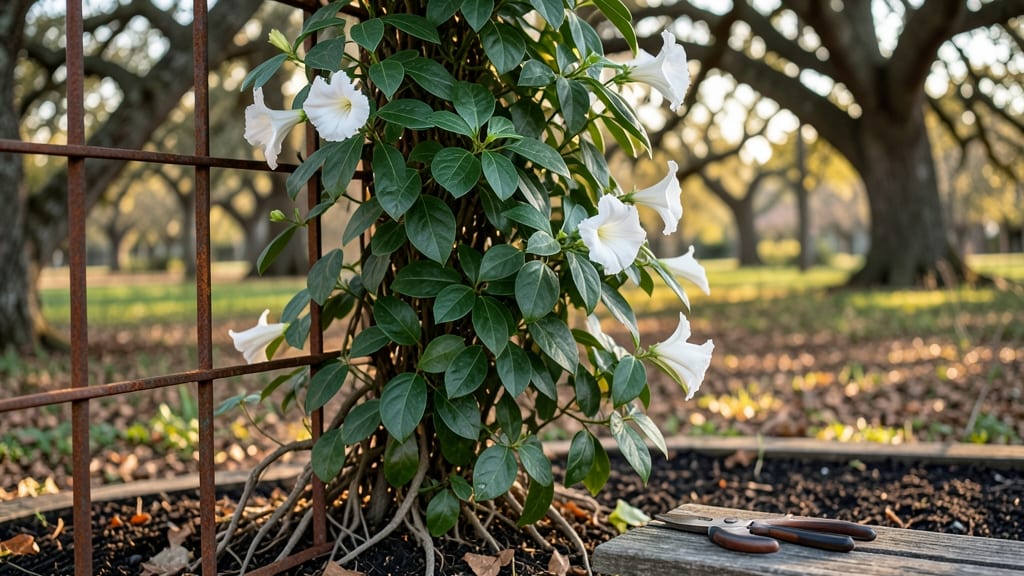
The delicate jasmine with white flowers drapes trellises along mossy Pacific Northwest paths, weaving fragrant tunnels that smell like summer even in drizzly weather. 🌿 The delicate white blooms catch morning light beautifully, making them perfect for weddings, romantic patios, or simply adding elegance to any outdoor space.
The key to using white jasmine in design is its versatility—it thrives on trellises, climbs fences, or even cascades from containers. Pair it with deep greens like hostas or heucheras for contrast, or add purple clematis for a striking color combo.
In the PNW’s mild climate, it blooms from late spring through summer, offering continuous fragrance and beauty.
Imagine stepping onto a path lined with jasmine, its sweet aroma wrapping around you as you walk. The flowers also attract pollinators like bees and butterflies, turning your garden into a lively ecosystem.
For containers, choose dwarf varieties like Jasminum officinale ‘Aureum’ to keep it manageable while still enjoying those signature white blossoms.
Whether you’re designing a wedding arch, a cozy reading nook, or a fragrant entryway, white jasmine delivers effortless charm. The best part? It’s low-maintenance once established, so you get romance without the fuss. Let’s make your garden smell like a PNW paradise.
📚 In This Guide
- What you need
- Instructions
- Tips and common mistakes
- Wrapping up and next steps
What you need
- ● Jasmine plants: 1–3 Jasminum officinale (common jasmine) or Jasminum polyanthum (winter jasmine) plants (white-flowering varieties). Check local nurseries for PNW-hardy options!
- ○ Optional: Seeds (slower to grow; germination can take 4–6 weeks) or cuttings (faster propagation).
- ● Soil: 1–2 bags of well-draining potting mix (or garden soil amended with compost for organic matter). Avoid heavy clay common in PNW regions.
- ● Container or garden bed: For containers: 5–7 gallon pots with drainage holes (1 plant per container).
- ● For in-ground planting: A sunny, sheltered spot (6+ hours of sunlight; partial shade in hotter PNW summers).
- ● Fertilizer: Balanced 10-10-10 granular fertilizer or organic compost tea (apply at planting and monthly during growing season).
- ● Mulch: 2–3 inches of wood chips or straw to retain moisture and regulate soil temperature.
- ● Hand trowel or small spade for transplanting.
- ● Pruning shears (for shaping and encouraging bushier growth).
- ● Garden gloves (to protect hands from thorns on some varieties).
- ● pH test kit (ideal soil pH: 6.0–7.0; PNW soil can be acidic).
- ● Drip irrigation or watering can (jasmine loves consistent moisture!).
How to cultivate a thriving white-flowering jasmine in the Pacific Northwest
Here's the method I've perfected for growing fragrant, hardy jasmine that thrives in our cool, damp climate.
🌱 Step 1: Select the Right Variety for Your Climate
For the Pacific Northwest's mild, wet winters and cool summers, Arabian jasmine (Jasminum sambac) or star jasmine (Trachelospermum jasminoides) are excellent choices. Both produce stunning white blooms and tolerate our region's unique weather patterns better than tropical varieties. Star jasmine, in particular, handles our cooler summers beautifully and can even survive light frosts.
I always check the plant's hardiness zone—both these varieties thrive in zones 7-10, which covers most of the PNW. If you're in a particularly cold microclimate, choose a potted specimen that you can bring indoors during winter. The key is selecting a variety that matches your specific microclimate, whether that's a sheltered coastal garden or an inland valley.
☀️ Step 2: Position for Optimal Light and Shelter
Jasmine needs full sun to partial shade, but in the PNW, we often have to strike a balance. Place your jasmine where it gets at least 6 hours of morning sun but is protected from harsh afternoon rays, especially in summer. A location near a south-facing wall or fence provides warmth while shielding from wind and rain.
Here's the thing—jasmine hates wind. Strong coastal breezes can damage tender blooms and stunt growth. If your garden is exposed, plant near a windbreak like a hedge or wall. I've seen jasmine thriving in containers on patios where they're sheltered from both wind and excessive rain. The goal is to mimic the semi-protected conditions of its native habitat.
💧 Step 3: Prepare Well-Draining Soil and Watering Routine
Jasmine roots rot easily in soggy soil, so amend your native soil with 30% organic matter like compost or aged manure. The Pacific Northwest's acidic, clay-heavy soils often need this adjustment. I mix in 1-2 inches of coarse sand to improve drainage, especially if your garden sits in a low spot where water pools.
Water deeply 2-3 times per week during the first growing season, allowing the top 2-3 inches of soil to dry between waterings. Once established, jasmine becomes drought-tolerant, but it still appreciates regular moisture. The key is to keep the soil consistently moist but never waterlogged. You'll know you've got it right when the soil feels like a damp sponge—squeeze it gently and it should hold together but not drip water.
✂️ Step 4: Prune for Shape and Encourage Blooms
Prune your jasmine right after flowering in late spring or early summer. This timing encourages new growth that will produce next year's blooms. Cut back about one-third of the plant's height, focusing on shaping rather than severe trimming. Remove any dead, diseased, or crossing branches first—these compete with healthy growth for resources.
I always use clean, sharp pruners to make cuts just above a leaf node or bud. Avoid cutting into old wood, as jasmine often struggles to regrow from severe cuts. The goal is to maintain an open, airy shape that allows sunlight to reach all parts of the plant. This also prevents fungal issues that thrive in dense, shaded foliage.
🌿 Step 5: Protect and Maintain Through Seasonal Changes
In winter, most jasmine varieties in the PNW will lose their leaves, but the plants themselves remain dormant. If you're growing star jasmine, it may retain some foliage through mild winters. Mulch around the base with 2-3 inches of organic mulch to protect roots from freezing temperatures and retain moisture.
Here's where it gets fun—watch for new growth in early spring. That's your signal to fertilize lightly with a balanced, slow-release fertilizer (10-10-10) at half strength. I've found that jasmine responds beautifully to a monthly feeding with fish emulsion during the growing season, but I always reduce feeding in late summer to encourage dormancy preparation.
Tips & tricks for perfect white-flowering jasmine in PNW gardens
These hard-won insights will help you transform your Pacific Northwest garden into a fragrant jasmine haven—without the common pitfalls that trip up even experienced gardeners.
Variety Selection Insight: When choosing between Arabian jasmine and star jasmine, consider your microclimate's specific challenges. Star jasmine's ability to handle light frosts makes it ideal for inland valleys, while Arabian jasmine's tropical origins require more winter protection in coastal areas. I've found that potted specimens offer the most flexibility for gardeners in transition zones—simply move them to sheltered spots during cold snaps or bring them indoors entirely if needed.
Lighting Strategy: The 6 hours of morning sun mentioned in Step 2 is non-negotiable, but here's what nobody tells you about afternoon shade: Eastern exposures work beautifully in the PNW, while western exposures can lead to heat stress. If planting near a south-facing wall, position the jasmine about 3 feet away to prevent overheating during our famously warm summer afternoons. A simple trick is to observe how sunlight moves across your garden throughout the day before planting.
Soil Preparation Secret: That 30% organic matter recommendation is crucial, but don't stop there. For our particularly challenging clay soils, I add a handful of perlite to every gallon of amended soil mix. This creates tiny air pockets that prevent compaction while maintaining excellent drainage. The coarse sand mentioned in Step 3 should be washed builder's sand—not the play sand you'd use for kids' sandboxes.
Pruning Precision: When you're cutting back one-third of the plant's height in Step 4, focus on removing the oldest growth first. The new shoots that emerge from these cuts will be more vigorous and produce next year's blooms. I always make my cuts at a 45-degree angle just above a leaf node—this prevents water from pooling on the cut surface, which can lead to fungal infections in our damp climate.
Pro Tips for Jasmine With White Flowers
- These hard-won insights will help you transform your Pacific Northwest garden into a fragrant jasmine haven—without the common pitfalls that trip up even experienced gardeners.
- Variety Selection Insight: When choosing between Arabian jasmine and star jasmine, consider your microclimate's specific challenges.
- If planting near a south-facing wall, position the jasmine about 3 feet away to prevent overheating during our famously warm summer afternoons.
Frequently asked questions
What’s the best time to plant white jasmine in the PNW?
Plant jasmine with white flowers in early spring (March–April) or early fall (September–October) for ideal establishment. The PNW’s mild winters and wet springs mean avoiding late fall planting—roots need time to settle before heavy rains. Choose a spot with well-draining soil and partial shade to mimic its native habitat.
How do I keep my white jasmine blooming year after year?
Prune lightly after flowering (late spring) to encourage bushier growth, and fertilize with a balanced, organic fertilizer in early spring. Mulch around the base to retain moisture, and watch for overwatering—jasmine prefers slightly dry conditions. Deadhead spent blooms to redirect energy into new flowers!
Are there pests or diseases I should watch for with white jasmine?
Common issues include aphids (sap-sucking pests) and powdery mildew in humid PNW summers. Spray affected leaves with neem oil or insecticidal soap, and ensure good airflow. Avoid wetting foliage when watering to prevent fungal growth. Most jasmine varieties are hardy, but yellowing leaves may signal root rot—check drainage!
Can I grow white jasmine in containers instead of the ground?
Use a 12–15 inch pot with drainage holes and a mix of potting soil and perlite. Choose a trailing variety like Jasminum officinale for containers, and place it in a spot with morning sun and afternoon shade. Water when the top inch of soil is dry, and repot every 2–3 years to refresh nutrients.
Will white jasmine survive PNW winters?
Most white jasmine varieties are hardy to USDA Zones 7–10, but the PNW’s wet, mild winters can stress plants if they’re not prepared. Mulch heavily (3–4 inches) around the base, and protect young plants with burlap wraps if temps dip below 20°F. Evergreen types like Jasminum nudiflorum (winter jasmine) are especially resilient!
Wrapping up and next steps
Adding jasmine with white flowers to your Pacific Northwest garden isn’t just about beauty—it’s about creating a fragrant, low-maintenance haven that thrives in your climate. 🌸 From its hardy growth habits to its intoxicating scent, this plant is a game-changer for any outdoor space.
Whether you’re a seasoned gardener or just starting, now is the perfect time to bring its elegance into your life.
Ready to transform your garden? Start by selecting the right variety, preparing your soil, and giving these blooms the love they deserve. Plant your first jasmine today—and let the sweet aroma fill your world! 🌿